- Strona główna

- Druk na płótnie
- sidney edward dickinson
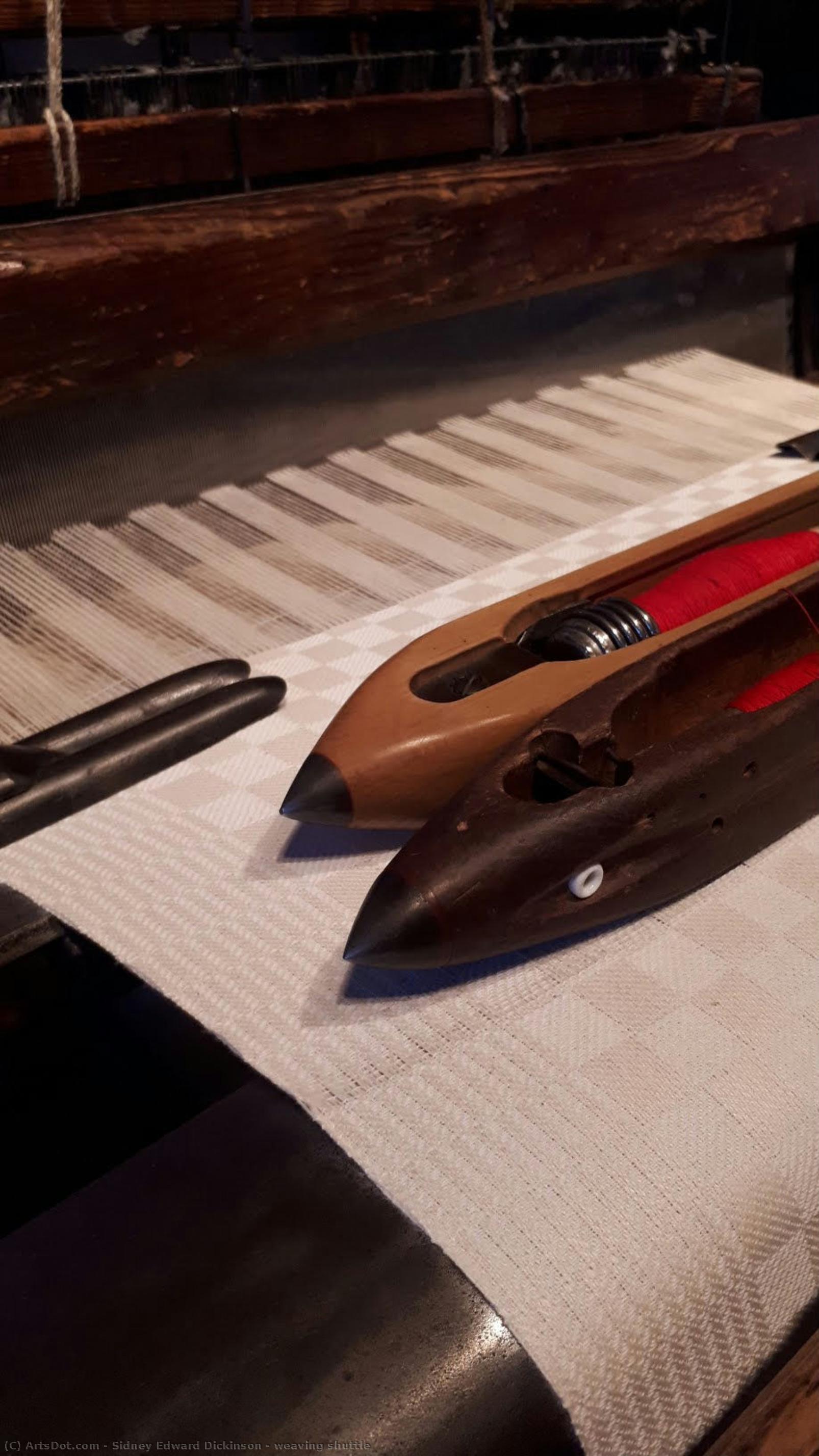
- weaving shuttle
 Zamów reprodukcję Kup cyfrowy obraz
 Udostępnij
 Udostępnij
 Szczegóły dzieła
 Dodaj do ulubionych

 Pobierz
 Podobne obiekty
 RTG
RTG
 Pokaz slajdów
weaving shuttle


 Rozwiń treść
Giclée / Wydruk artystyczny
Druk giclée lub płótno o jakości muzealnej z szybką realizacją i szerokim wyborem opcji wykończenia.




































Wybierz spośród naszych predefiniowanych rozmiarów, które zachowują oryginalne proporcje dzieła sztuki.

Możesz wprowadzić własne wymiary, aby dopasować dzieło do konkretnej ramy lub przestrzeni. Jeśli wybrany rozmiar nie będzie odpowiadał proporcjom oryginalnego obrazu, przytniecie dzieło lub rozszerzymy obraz za pomocą odbicia lustrzanego lub jednolitego wypełnienia krawędzi. Przed rozpoczęciem produkcji prześlemy cyfrową wizualizację do Twojej akceptacji.
Prosimy pamiętać, że podgląd na ekranie nie odzwierciedla faktycznego przycinania ani rozszerzania. Tylko wizualizacja dokładnie pokaże końcową kompozycję.
Mimo dostępności niestandardowych rozmiarów, zalecamy wybór wymiaru z listy zdefiniowanej, aby zachować oryginalne proporcje.
Dostawa na cały świat () w ciągu 2 tygodni zamiast standardowych 4/5 tygodni. (22 Lipiec)

Bezpłatna ekspresowa wysyłka na cały świat

Wysokiej jakości płótno lniane

Pełne ubezpieczenie przesyłki

Gwarancja zwrotu należności celnych

Gwarancja pełnego zgodności kolorystycznej

Polityka 60-dniowego zwrotu (tylko w przypadku wad)

Gwarancja 100% zwrotu pieniędzy

Zniżka przy większych zamówieniach
 Opcja szkła jest dostępna wyłącznie w rozmiarach poniżej 110 cm

weaving shuttle
Giclée / Wydruk artystyczny
Wymiary reprodukcji
-


Cena całkowita
-
Biografia artysty
Sidney Edward Dickinson: A Portrait of American Realism
Sidney Edward Dickinson (November 28, 1890 – April, 1980) was an American painter who carved out a distinctive niche within the landscape of early 20th-century art. Born in Wallingford, Connecticut, to a Congregationalist minister, Charles H. Dickinson, his formative years instilled in him a deep appreciation for observation and detail—qualities that would become hallmarks of his artistic style. He pursued formal training at the Art Students League of New York and the School of the National Academy of Design, absorbing influences from masters like George Bridgman and William Merritt Chase. Dickinson’s journey wasn't solely confined to academic pursuits; he embraced a life of physical labor, gaining experience in lumber camps and securing employment as a surveyor’s roadman and farmhand. These practical endeavors provided him with invaluable insight into the textures and rhythms of rural America—a subject that would repeatedly reappear in his paintings. His artistic breakthrough arrived in 1915 when he debuted at the National Academy's winter show, presenting “Portrait of the Artist,” a self-portrait executed in a strikingly linear style characterized by muted tones and meticulous attention to form. This piece established him as a proponent of realism, prioritizing accurate representation over stylistic embellishment. Throughout his prolific career, Dickinson received numerous accolades recognizing his artistic merit. He garnered a Julius Hallgarten Prize for his third exhibition with the National Academy in 1917, followed by further Hallgarten Prizes in 1924 and 1933; the Isaac N. Maynard Prize in 1933 and 1938; the Benjamin Altman Prize in 1936; and the Andrew Carnegie Prize in 1942. His involvement with the Academy Council from 1930 to 1933 solidified his position as a respected figure within the artistic community, and he was elected a member of the American Academy of Arts and Letters in 1931—a testament to his enduring legacy. Dickinson’s dedication extended beyond teaching; he mentored aspiring artists at the Art Students League (1919–1920) and headed a life class at the National Academy from 1928 to 1931 and again from 1939 to 1943. He continued his artistic pursuits during summers spent teaching at the league in 1943 and 1944, becoming a permanent faculty member in 1949 before retiring in 1973. Among his notable pupils were Albert Wasserman, James Rosenquist, Richard Pionk, and Robert Nefson—artists who carried forward Dickinson’s commitment to realism and observation into their own creative endeavors. He resided in Windsor, Vermont until his passing in the late 1970s, leaving behind a substantial body of work that continues to inspire admiration for its quiet dignity and unwavering fidelity to nature. His artistic output included notable pieces like “Portrait of the Artist” (1915) and “Weaving Shuttle” (1923), demonstrating his mastery of capturing subtle nuances in human form and natural landscapes alike. These paintings exemplify Dickinson’s stylistic approach—characterized by precise lines, subdued colors, and a profound respect for visual accuracy—solidifying his place as one of the foremost practitioners of American realism during the early decades of the 20th century.
sidney edward dickinson
1890 - 1980 , United States of America
Kluczowe informacje
- Artistic Movement Or Style: Realism
- Artists Or Movements Influenced By This Artist: ['National Academy of Design']
- Artists Who Influenced This Artist:
- George Bridgman
- William Merritt Chase
- Date Of Birth: November 28, 1890
- Date Of Death: April, 1980
- Full Name: Sidney Edward Dickinson
- Nationality: American
- Notable Artworks:
- Portrait of the Artist
- Weaving Shuttle
- Place Of Birth: Wallingford, United States

