
 Podgląd w skali 1:1
 Wyślij jako kartkę
 Udostępnij
 Szczegóły dzieła
 Przewodnik

 Pobierz obraz
 Podobne obiekty
 RTG
RTG Pokaz slajdów
 Pytania i odpowiedzi
 Statystyki
Kaavu

- 85.0 x 64.0 cm


 Rozwiń treść
Dzieło sztuki prezentowane na tej stronie podlega ochronie prawem autorskim, co oznacza, że nie mamy prawa do tworzenia ani sprzedaży jego identycznej reprodukcji. Ochrona ta jest egzekwowana na mocy umów międzynarodowych, takich jak Konwencja berneńska oraz przez przepisy prawa krajowego, w tym te określone w Prawo autorskie USA – Tytuł 17.
Metoda ta jest w pełni zgodna z przepisami prawa autorskiego, ponieważ nie polega na kopiowaniu ani powielaniu chronionego dzieła. Stanowi ona kreatywną reinterpretację – nowy obraz, który czerpie inspirację z oryginału, ale nie jest z nim tożsamy.
Giclée / Wydruk artystyczny
Wydruki giclée lub płótna o jakości muzealnej, szybka realizacja i szeroki wybór opcji wykończenia. ( Zamów ręcznie malowaną reprodukcję Przejdź do wersji cyfrowej)




P118B zł10

P118H zł10

P118W zł10

P438Z zł10

P508JH zł12

P508YH zł12

P805H zł10

P805Z zł10

P919BZ zł10

P919G zł10

P919XJ zł10

P959ZH zł10

P968JZ zł12

W106C zł8

W218G zł10

W218JH zł8

W218Y zł10

W307PJ zł10

W316G zł10

W316PJ zł8

W316Y zł10

W398PJ zł8

W4111J zł10

W500HY zł15

W500JH zł15

W692G zł12

W849H zł8

W940BG zł15

W953PJ zł8




Wybierz spośród naszych standardowych rozmiarów, które zachowują oryginalne proporcje dzieła sztuki.

Wpisz wymaganą szerokość i wysokość, aby dopasować grafikę do ramy lub ściany. Wydruk można jedynie przyciąć, nigdy nie powiększając go poza oryginalny obraz, dlatego format o innych proporcjach spowoduje utratę części kompozycji. Przed rozpoczęciem druku prześlemy Ci cyfrowy podgląd do zatwierdzenia. Obraz wyświetlany na tej stronie nie pokazuje rzeczywistego przycięcia — jedynie podgląd oddaje ten efekt.
Dostawa na cały świat () w ciągu 2 tygodni zamiast standardowych 4/5 tygodni. (9 Listopad)

Bezpłatna ekspresowa wysyłka na cały świat

Wysokiej jakości płótno lniane

Pełne ubezpieczenie przesyłki

Gwarancja zwrotu należności celnych i podatków importowych

Gwarancja wiernego odwzorowania kolorów

100-dniowa polityka zwrotów (tylko w przypadku wad)

Gwarancja 100% zwrotu pieniędzy

Zniżka przy zakupie wielu sztuk
 Opcja ze szkłem jest dostępna wyłącznie w rozmiarach poniżej 110 cm

Kaavu
Giclée / Wydruk artystyczny
Wymiary reprodukcji
-


Cena całkowita
zł 317
A Vibrant Tapestry of Coastal Life
In the evocative masterpiece Kaavu, created in 1984 by the esteemed Indian painter Sekhar Ranjan Debnath, we are transported to a luminous moment within a thriving coastal community. The painting serves as a window into a world where land and water exist in a delicate, rhythmic dance. At the heart of this composition sits a striking house with a crimson roof, anchored amidst a shimmering expanse of water. This central structure acts as a beacon of domestic stability, surrounded by the fluid motion of a lively maritime landscape. As the eye wanders across the canvas, it encounters figures scattered throughout the scene—some drifting near the shoreline and others positioned in the distance—creating a profound sense of depth and communal vitality. The presence of a solitary boat floating near the main dwelling adds a touch of quiet movement, suggesting the daily rhythms of life dictated by the tides.
The technique employed by Debnath is nothing short of mesmerizing, utilizing Acrylic On Canvas to achieve a brilliance that feels both contemporary and timeless. His brushwork breathes life into the scenery, layering colors to capture the way light interacts with the aqueous environment. The palette is a celebration of warmth and vibrancy, where the bold red of the rooftops contrasts beautifully against the cool, reflective tones of the surrounding waters. This mastery of color allows the artist to depict not just a physical location, but an atmosphere—one that feels humid, sun-drenched, and brimming with the energy of a Kerala summer. For collectors and interior designers, this piece offers a sophisticated interplay of light and pigment that can serve as a breathtaking focal point in any curated space.
Cultural Resonance and Artistic Legacy
To understand Kaavu is to understand the soul of Kerala. Sekhar Ranjan Debnath, often referred to as Sekhar Ayyanthole, draws deeply from his roots in the Thrissur District, infusing his work with the aesthetic DNA of traditional temple murals and folk traditions. The title itself evokes the sacred groves or "Kaavu" prevalent in the region, hinting at a deeper, spiritual connection between the inhabitants and their natural surroundings. There is a subtle symbolism at play here; the house surrounded by water can be viewed as a metaphor for the resilience of human life amidst the ever-changing currents of nature. The painting captures a sense of harmony, where the man-made structures do not intrude upon the landscape but rather exist as an integral part of its ecological and social fabric.
For those seeking to bring a piece of this profound heritage into their homes, a high-quality reproduction of Kaavu offers more than mere decoration. It provides an emotional anchor—a sense of peace, nostalgia, and connection to the earth. The artwork’s ability to evoke a "lively and vibrant" atmosphere makes it an ideal choice for spaces designed for inspiration and reflection. Whether placed in a modern gallery-style living room or a classic study, this painting invites viewers to pause and immerse themselves in the timeless beauty of India's coastal spirit, making it a truly invaluable acquisition for any serious lover of fine art.
Pytania i odpowiedzi
Na którym etapie kariery Sekhar Ranjan Debnath znajduje się dzieło „Kaavu”, biorąc pod uwagę jego datę powstania?
"Kaavu", powstałe w 1984, należy do Early Period w twórczości Sekhar Ranjan Debnath.
W którym roku powstało „Kaavu” – Sekhar Ranjan Debnath?
„Kaavu” – Sekhar Ranjan Debnath powstało w 1984.
Kto stworzył "Kaavu"?
„Kaavu” zostało stworzone przez Sekhar Ranjan Debnath. Informacje na tej stronie dotyczą oryginalnego dzieła autorstwa Sekhar Ranjan Debnath.
Biografia artysty
Sekhar Ranjan Debnath: A Painter Rooted in Kerala’s Landscape
Sekhar Ranjan Debnath (also known as Sekhar Ayyanthole), born in Ayyanthole, Thrissur District, Kerala, India in 1954, stands as a prominent figure within contemporary Indian art. His artistic journey began with formal training at Government of India College of Arts, Thrissur, where he earned his diploma in drawing and painting in 1975, establishing a foundation for his lifelong dedication to visual expression. Early professional experience included roles as an Art Instructor at the institute and subsequently as an Art Teacher within Kerala’s government department until 2006—positions that nurtured his understanding of artistic pedagogy and instilled a deep appreciation for capturing the essence of Kerala's natural beauty.- Early Influences: Debnath’s formative years were marked by exposure to traditional Kerala art forms, particularly temple murals and folk paintings, which undoubtedly shaped his stylistic sensibilities.
- Solo Exhibitions & Recognition: He has garnered considerable acclaim through numerous solo exhibitions showcasing his distinctive approach to landscape painting. Notable presentations include “Government of India Thrissur 1983,” “Edathanattukara,” “PGT 1987,” “Ernakulam 1989,” “Aa-96” (Calicut 1996), “Ayyanthole -99” (Chithram Art Gallery Cochin 1999), “6th Solo” (KLK Academy Gallery Cochin 2002), "Bikanir" (Thrissur 2006), and “Iriyannni” (Chitrakala Parishat Gallery Bangalore 2007)—each demonstrating a consistent commitment to artistic exploration.
A Flourishing Career in Group Shows & Artistic Collaborations
Debnath’s artistic pursuits extended beyond individual presentations, actively participating in collaborative group exhibitions that fostered dialogue and broadened his artistic horizons. Participating in events like “Dhanu - 53” (Thrissur 1977), “Kalamela” (New Delhi – KLK Academy at Third Triannale 1978), and the annual KLK Academy Exhibitions since 1975 allowed him to engage with fellow artists and contribute to the vibrant artistic landscape of India. Furthermore, his involvement in exhibitions organized by Chithram Gallery—including “Impasto-Twelve” featuring Yusuf Arakkal and Akkitham Narayanan—highlighted his willingness to explore diverse artistic styles and perspectives.Technique & Style: Capturing Kerala’s Soul
Debnath's distinctive style is characterized by a masterful use of impasto technique – applying thick layers of paint onto the canvas – which lends textural depth and vibrancy to his depictions of Kerala landscapes. He skillfully employs color palettes that reflect the region’s lush greenery, serene waterways, and dramatic sunsets, conveying not merely visual representations but also emotional resonance. His canvases resonate with a palpable sense of place, capturing the spirit of Kerala's environment and traditions.Legacy & Significance
Sekhar Ranjan Debnath’s contribution to Indian art extends beyond his individual artworks; he served as President of Kerala Chithrakala Parishath—a pivotal role in promoting artistic education and fostering a supportive ecosystem for artists within Kerala. His enduring influence is evident in the continued appreciation for landscape painting rooted in Kerala's cultural heritage, cementing his position as an important voice in contemporary Indian art history.
Sekhar Ranjan Debnath
1954 - , India
Krótka nota
- Full Name: Sekhar Ranjan Debnath
- Nationality: Indian
- Date Of Birth: 1954
- Place Of Birth: Ayyanthole, India
- Notable Artworks: ['Kaavu']
- Artistic Movement Or Style: Contemporary Indian Art
Powiązane artykuły
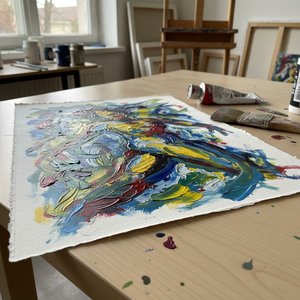
Akryl na papierze: Nowoczesny nośnik ekspresji artystycznej – historia, techniki i konserwacja dzieł
Poznaj historię, techniki i konserwację akrylu na papierze – nowoczesnego medium sztuki współczesnej. Poradnik dla kolekcjonerów i inwestorów. Eksperckie analizy i najlepsze praktyki ochrony dzieł.

Crimson Threads of Narrative: Exploring Symbolism & Representation in Artworks Featuring the Red Dress
Explore the rich symbolism of the red dress in art history! From ancient power displays to iconic portraits like Cézanne’s 'Madame Cezanne', discover the cultural and artistic significance behind this captivating color. Expert analysis & insights.

The Art Student’s Definitive Guide to Acrylic Painting: Mastering the World’s Most Versatile Medium
Unlock your creative potential with this expert guide for art students. Master acrylic painting techniques, from fluid washes to textured impasto. Learn about essential brushes, surfaces, and advanced color theory to elevate your fine arts practice with professional precision.

Akryl na płótnie: Od rewolucji przemysłowej do współczesnej ekspresji artystycznej
Poznaj historię i techniki malarstwa akrylowego – od rewolucji przemysłowej po współczesne arcydzieła. Poradnik dla kolekcjonerów sztuki o wartości, inwestycjach i rozpoznawaniu stylów.
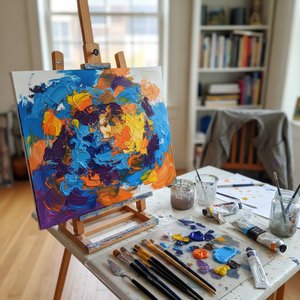
Akryl na płótnie: Nowoczesny medium dla ekspresji artystycznej – przewodnik dla studentów sztuki
Poznaj wszechstronność akrylu na płótnie! Przewodnik dla studentów sztuki z technikami, inspiracjami (Joanna Karpowicz) i wskazówkami ekspertów. Odkryj swój artystyczny potencjał!