
 Podgląd w skali
 Wyślij jako kartkę
 Udostępnij
 Szczegóły dzieła

 Pobierz
 Podobne obiekty
 RTG
RTG Pokaz slajdów
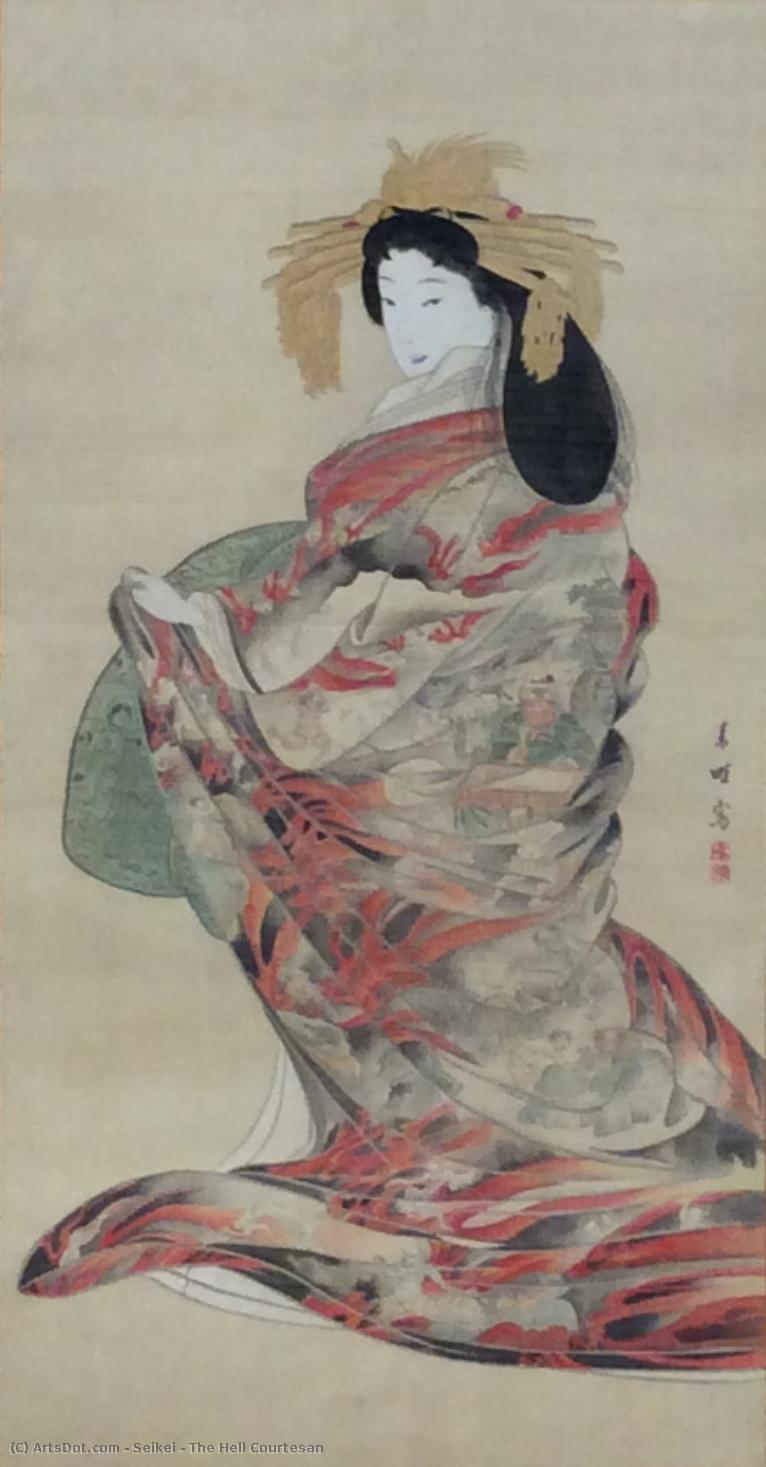
The Hell Courtesan
 801
801 99.0cm x 51.0cm
 Rozwiń treść
Kup wysokiej rozdzielczości, ulepszony obraz cyfrowy o znacznie wyższej jakości niż podgląd online.
Każdy plik jest starannie przygotowywany przez naszych specjalistów przy użyciu zaawansowanych narzędzi oraz profesjonalnej, ręcznej retuszy. Dbamy o to, aby każdy obraz cechował się wyjątkową ostrością, precyzyjnym odwzorowaniem kolorów i subtelnymi detalami.
Ostateczny plik dostarczany jest drogą mailową w ciągu 72 godzin, zoptymalizowany do natychmiastowego wykorzystania w profesjonalnych zastosowaniach redakcyjnych i poligraficznych. To ta sama jakość, której ufają czołowe studia projektowe, wydawnictwa oraz galerie sztuki.
Obraz cyfrowy
Pobierz plik o wysokiej rozdzielczości do osobistego wyświetlania, druku oraz projektów kreatywnych. ( Zamów wydruk Zamów ręcznie malowaną reprodukcję)
W każdym zamówieniu na obraz cyfrowy znajduje się
Profesjonalna dostawa cyfrowa z gwarancją
Wybierając OriginalUniqueArt.com, nie otrzymujesz jedynie obrazu – otrzymujesz profesjonalnie udoskonalone cyfrowe dzieło sztuki, stworzone z najwyższą precyzją i objęte gwarancją satysfakcji. Oto wszystko, co automatycznie dołączane jest do Twojego zamówienia:

Błyskawiczna wysyłka e-mailowa
Plik z obrazem cyfrowym w wysokiej rozdzielczości zostanie przesłany na Twój adres e-mail w ciągu 72 godzin od złożenia zamówienia – gotowy do natychmiastowego użycia.

Plik cyfrowy wzbogacony przez AI
Twoja grafika została profesjonalnie zoptymalizowana przy użyciu zaawansowanych narzędzi AI oraz ręcznej edycji, co zapewnia maksymalną szczegółowość, klarowność i wierność kolorów.

Dożywotnia darmowa ponowna dostawa
Przypadkowo usunąłeś lub zgubiłeś swój plik? Bez obaw – prześlemy go Tobie ponownie w dowolnym momencie, bez żadnych opłat.

Bez opłat importowych – zawsze
Ciesz się swoją sztuką natychmiast, bez żadnych opłat celnych, należności ani kosztów dostawy – pliki cyfrowe są zawsze wolne od podatku.

Gwarancja wierności kolorów
Dzięki zastosowaniu profesjonalnych narzędzi i procesów zarządzania barwą zapewniamy, że Twoje cyfrowe zdjęcie odzwierciedla oryginalne kolory tak wiernie, jak to tylko możliwe.

60-dniowa gwarancja satysfakcji
Jeśli nie będziesz zadowolony ze swojego cyfrowego obrazu, dokonamy jego poprawki lub zwrócimy 100% kosztów w ciągu 60 dni – bez żadnych pytań.

100% Gwarancja zwrotu pieniędzy
Nie jesteś zadowolony? Otrzymaj pełny zwrot kosztów w ciągu 60 dni od otrzymania pliku cyfrowego – bez zbędnych pytań.

Rabaty przy zamówieniach hurtowych
Kup 3 obrazy, oszczędź 10% - Kup 5, oszczędź 15% - Kup 10+, oszczędź 20%. Idealne do projektów kreatywnych, galerii i agencji.
Biografia artysty
The Architect of Light: The Life and Legacy of Seikei
In the transformative landscape of Meiji-era Japan, few figures cast as long or as luminous a shadow as Seikei, known to history by his birth name, Kuroda Seiki. Born in 1866 into the prestigious Shimazu clan of Kagoshima, he was a child of the samurai class, yet his destiny lay far beyond the traditional boundaries of his lineage. His journey was one of profound cultural synthesis, acting as a bridge between the ancient traditions of the East and the burgeoning modernism of the West. As a pioneer of the Yōga movement, Seikei did not merely adopt foreign techniques; he breathed new life into Japanese painting by infusing it with the light, color, and atmosphere of European Impressionism, forever altering the trajectory of Japanese art history.
The seeds of this artistic revolution were sown during his formative years in Japan, where a rigorous education under the guidance of his adoptive uncle, a key advisor to Emperor Meiji, provided him with both the discipline of a warrior and the curiosity of a scholar. His early mastery of English served as a gateway to the intellectual currents of the West, eventually leading him to Paris in 1884. While he initially traveled to France to study law, the magnetic pull of the Parisian art scene proved irresistible. Enrolling in the atelier of Louis-Joseph-Raphaël Collin, Seikei immersed himself in the traditions of academic painting while simultaneously being captivated by the radical innovations of the Impressionists. This period of apprenticeship was transformative; he moved away from rigid classical conventions toward a more fluid, plein air approach, learning to capture the ephemeral qualities of light and the subtle textures of the natural world.
A Synthesis of Styles and the Birth of Japanese Impressionism
Seikei’s time in France was marked by an intense period of experimentation and growth. Settling in the international artists' colony at Grez-sur-Loing, he found a community of expatriate painters that encouraged his exploration of light and color. His works from this era, such as the delicate Woman Reading and the vibrant Girl of Bréhat, reveal an artist finding his unique voice—one that balanced the meticulousness of French academic training with a newfound appreciation for spontaneous brushwork and atmospheric depth. He absorbed the philosophies of masters like Monet and Bastien-Lepage, integrating their use of vibrant palettes into a style that felt both modern and deeply personal.
Upon his return to Japan, Seikei faced the monumental task of introducing these Western concepts to a nation undergoing rapid modernization. He became a central figure in the development of Yōga (Western-style painting), championing the use of oil on canvas as a legitimate medium for high art. His courage was perhaps most evident in his presentation of the nude, a subject that challenged the social mores of the time but was essential to the Western artistic canon he sought to establish. Through his teaching and his leadership in various art societies, he nurtured a new generation of painters, ensuring that the techniques of light and shadow would become a permanent part of the Japanese visual vocabulary.
Historical Significance and Enduring Influence
The legacy of Seikei is not found merely in individual canvases, but in the very foundation of modern Japanese art education. Often revered as the "father of Western-style painting" in Japan, his influence permeated the institutions he helped shape, from the Tokyo School of Fine Arts to the broader cultural consciousness of the Meiji and Taisho periods. His ability to navigate the complexities of identity—being both a descendant of the samurai and a student of Paris—allowed him to create an art form that was uniquely Japanese yet globally relevant.
Reflecting on his life, several key pillars define his historical importance:
- Cultural Mediation: He successfully translated Western Impressionist techniques into a context that resonated with the Japanese aesthetic sensibility.
- Institutional Leadership: Through his roles in the House of Peers and various art academies, he provided the structural support necessary for the Yōga movement to flourish.
- Technical Innovation: He introduced the concept of plein air painting and a more painterly approach to texture and light, breaking away from the flat planes of traditional Japanese styles.
- A Lasting Legacy: His work remains a testament to the power of artistic cross-pollination, proving that true innovation often occurs at the intersection of disparate worlds.
Though he passed away in 1924, the brilliance of Seikei’s vision continues to illuminate the halls of art history. He remains an icon of transformation, a painter who looked toward the horizon of the West to bring a new dawn of light to the East.

seikei
Japan
Krótka nota
- Artistic Movement Or Style: Yōga
- Artists Or Movements Influenced By This Artist: ['Impressionism']
- Artists Who Influenced This Artist: ['Louis-Joseph-Raphaël Collin']
- Date Of Birth: August 9, 1866
- Date Of Death: July 15, 1924
- Full Name: Kuroda Kiyoteru
- Nationality: Japanese
- Notable Artworks:
- The Hell Courtesan
- Lakeside
- Place Of Birth: Takamibaba, Satsuma Domain (present day Kagoshima Prefecture)

