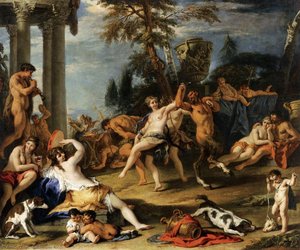
Podgląd w skali 1:1
 Wyślij jako kartkę
 Udostępnij
 Szczegóły dzieła
 Przewodnik

 Pobierz obraz
 Podobne obiekty
 RTG
RTG Pokaz slajdów
 Q&A
Q&A Statystyki
Self Portrait
 Oil On Canvas
- WallArt
- Baroque
 1704
1704 99.0 x 69.0 cm
 Galleria degli Uffizi
 Rozwiń treść
Giclée / Wydruk artystyczny
Wydruki giclée lub płótna o jakości muzealnej, szybka realizacja i szeroki wybór opcji wykończenia. ( Zamów ręcznie malowaną reprodukcję Przejdź do wersji cyfrowej)




P118B zł10

P118H zł10

P118W zł10

P438Z zł10

P508JH zł12

P508YH zł12

P805H zł10

P805Z zł10

P919BZ zł10

P919G zł10

P919XJ zł10

P959ZH zł10

P968JZ zł12

W106C zł8

W218G zł10

W218JH zł8

W218Y zł10

W307PJ zł10

W316G zł10

W316PJ zł8

W316Y zł10

W398PJ zł8

W4111J zł10

W500HY zł15

W500JH zł15

W692G zł12

W849H zł8

W940BG zł15

W953PJ zł8




Wybierz spośród naszych standardowych rozmiarów, które zachowują oryginalne proporcje dzieła sztuki.

Wpisz wymaganą szerokość i wysokość, aby dopasować grafikę do ramy lub ściany. Wydruk można jedynie przyciąć, nigdy nie powiększając go poza oryginalny obraz, dlatego format o innych proporcjach spowoduje utratę części kompozycji. Przed rozpoczęciem druku prześlemy Ci cyfrowy podgląd do zatwierdzenia. Obraz wyświetlany na tej stronie nie pokazuje rzeczywistego przycięcia — jedynie podgląd oddaje ten efekt.
Dostawa na cały świat () w ciągu 2 tygodni zamiast standardowych 4/5 tygodni. (31 Październik)

Bezpłatna ekspresowa wysyłka na cały świat

Wysokiej jakości płótno lniane

Pełne ubezpieczenie przesyłki

Gwarancja zwrotu należności celnych i podatków importowych

Gwarancja wiernego odwzorowania kolorów

100-dniowa polityka zwrotów (tylko w przypadku wad)

Gwarancja 100% zwrotu pieniędzy

Zniżka przy zakupie wielu sztuk
 Opcja ze szkłem jest dostępna wyłącznie w rozmiarach poniżej 110 cm

Self Portrait
Giclée / Wydruk artystyczny
Wymiary reprodukcji
-


Cena całkowita
zł 311
The Enigmatic Gaze of a Venetian Gentleman
Sebastiano Ricci’s “Self-Portrait,” painted in 1704, is more than just a likeness; it's a carefully constructed tableau of status, introspection, and the burgeoning confidence of a rising star within the vibrant world of late Baroque Venice. The painting immediately commands attention with its dramatic lighting – a chiaroscuro technique borrowed from Caravaggio – that sculpts the subject’s face and clothing, creating an interplay of light and shadow that lends both depth and a sense of theatricality to the scene. The dark, textured wall behind him isn't merely a backdrop; it serves to heighten the impact of his figure, emphasizing his presence and drawing the viewer into his gaze.
Ricci’s style is distinctly Venetian, yet he transcends mere imitation, forging a unique voice within the established tradition. He leans heavily on the influence of earlier masters like Correggio and Giorgione, particularly in his use of color and atmospheric perspective. However, unlike many of his contemporaries, Ricci avoids the overly decorative tendencies that sometimes characterized Venetian painting at the time. Instead, he favors a more restrained elegance, prioritizing clarity of form and a subtle emotional resonance. The subject’s attire—a richly embroidered coat, a velvet waistcoat, and a meticulously styled wig— speaks volumes about his social standing and reflects the opulence of the era. The small dog beside him is not merely an accessory; it's a potent symbol of loyalty and companionship, adding a touch of warmth to the otherwise formal portrait.
A Window into the Artist’s World
Understanding Ricci requires placing his work within the context of 18th-century Venice. The city was experiencing a period of remarkable artistic ferment, fueled by international trade and a renewed interest in classical antiquity. Venetian painters were increasingly exposed to new ideas and influences from across Europe, leading to a fascinating synthesis of styles. Ricci himself was a cosmopolitan figure, traveling extensively throughout Italy and beyond, absorbing the techniques and aesthetics of various schools. His early life, marked by scandal and imprisonment, undoubtedly shaped his artistic sensibility, imbuing his work with a certain intensity and psychological depth.
The painting’s date – 1704 – is significant. It represents a pivotal moment in Ricci's career, as he was establishing himself as one of the leading portrait painters of Venice. This self-portrait offers a rare glimpse into the artist’s own perception of himself and his place within the artistic landscape. The confident expression on his face suggests a growing sense of self-assurance, while the subtle details—the carefully arranged dog, the meticulously rendered clothing—reveal a meticulous attention to detail and a desire to project an image of refinement and sophistication.
Technique and Materials: A Master’s Touch
Ricci's masterful use of oil paint is immediately apparent. The brushstrokes are visible yet controlled, creating a rich, layered surface that captures the nuances of light and shadow with remarkable precision. He employs impasto—thickly applied paint—to accentuate certain areas, such as the folds of his clothing and the contours of his face, adding texture and volume to the composition. The color palette is dominated by warm tones – browns, golds, and reds – which are contrasted with darker shades for the background and details, creating a sense of depth and drama. The painting’s overall effect is one of luminous intensity, achieved through careful attention to both technique and materials.
The canvas itself, likely stretched linen, provides an ideal surface for Ricci's expressive brushwork. He demonstrates a deep understanding of the medium, skillfully manipulating color, texture, and light to create a compelling portrait that transcends mere representation. The painting’s enduring appeal lies not only in its technical virtuosity but also in its ability to evoke a sense of intimacy and connection with the viewer.
Pytania i odpowiedzi
Jakie emocje budzi "Self Portrait"?
Emocjonalny ton przypisany do „Self Portrait” – Sebastiano Ricci to Melancholic. Oddaje on emocje, jakie wyraża to dzieło.
Jaka technika została użyta w przypadku "Self Portrait" i kiedy powstało to dzieło?
Technika wykonania dzieła „Self Portrait” – Sebastiano Ricci to Oil On Canvas, a datowanie pracy pochodzi z 1704.
Czy dzieło „Self Portrait” – Sebastiano Ricci jest jasne czy ciemne?
Ogólnie rzecz biorąc, poziom jasności dzieła „Self Portrait” określany jest jako shadow. Postrzegana jasność opisuje, jak jasne lub ciemne wydaje się dane dzieło.
Biografia artysty
Początek drogi artystycznej Sebastiana Ricciego
Sebastiano Ricci, urodzony 1 sierpnia 1659 roku w Belluno we Włoszech, a zmarły 15 maja 1734 roku, był jednym z czołowych przedstawicieli późnego baroku weneckiego. Jego twórczość emanuje blaskiem i dynamizmem, a freski charakteryzują się monumentalnością i wyrafinowanym stylem. Ricci nie był jedynie malarzem – był wizjonerem, który potrafił ożywić ściany i sufity, tworząc iluzoryczne światy pełne ruchu i emocji.
Młody Sebastiano rozpoczął swoją artystyczną edukację w 1671 roku, ucząc się pod okiem Federico Cervelli w Wenecji. Niektórzy historycy sztuki sugerują jednak, że jego pierwszym nauczycielem był Sebastiano Mazzoni. Bez względu na tożsamość mentora, Ricci szybko wykazywał talent i pasję do malarstwa, a jego wczesne prace zdradzały już zręczność i dbałość o detale.
Wenecki barok i wpływ Giovanniego Gioseffo dal Sole
Wenecja XVII wieku była tyglem kulturowym, gdzie tradycje renesansowe mieszały się z nowymi prądami baroku. Ricci wchłonął tę atmosferę, ale jego styl wykształcił się również pod wpływem Giovanniego Gioseffo dal Sole, którego prace poznał podczas pobytu w Bolonii. Dal Sole wprowadził Ricciego w świat monumentalnych kompozycji i dynamicznego malarstwa figuralnego. Ricci, choć inspirowany mistrzem z Bolonii, nie był jego naśladowcą – szybko wypracował własną, unikalną wizję sztuki.
Wybitne dzieła i zamówienia artystyczne
Ricciego sława rosła wraz z realizowanymi zamówieniami. Jednym z najbardziej znanych dzieł jest "Bachus i Ariadna", znajdujący się w National Gallery w Londynie. Obraz ten doskonale ilustruje mistrzostwo Ricciego w operowaniu barokową stylistyką – bogactwo kolorów, dynamiczna kompozycja i ekspresyjna gra świateł tworzą niezwykle efektowną całość. Kolejnym ważnym dziełem jest "Pomnik admirała sir Clowdisley Shovella", olej na płótnie, który świadczy o umiejętności artysty w uchwyceniu emocji i dramatyzmu chwili. W 1685 roku Ricci podjął się dekoracji Oratorium Madonny di Seraglio we współpracy z Ferdinando Galli-Bibieną, otrzymując za to znaczną sumę – 4482 lir.
Późniejsza kariera i dziedzictwo artystyczne
Kariera Ricciego nie zawsze była usłana różami. Artysta doświadczył trudności, w tym pobytu w więzieniu z powodu skandali obyczajowych. Mimo to kontynuował tworzenie, prezentując kolejne wybitne dzieła, takie jak "Wenus pożegnająca się z Adonisem", które ukazuje jego talent w przedstawianiu niebiańskich scen i subtelnych emocji. Ostatecznie Ricci zaakceptował zamówienie od lorda Burlingtona w Londynie, co świadczy o uznaniu jego twórczości na arenie międzynarodowej.
- Poznaj dzieła Sebastiana Ricciego na stronie OriginalUniqueArt.com.
- Dowiedz się więcej o weneckim baroku i jego wpływach na stronie Wikipedia.
- Odkryj innych wybitnych artystów z tego samego okresu, takich jak Luigi Bonazza, na stronie OriginalUniqueArt.com.
Ważne: Niniejszy artykuł opiera się na dostępnych informacjach ze strony OriginalUniqueArt.com i może ulec zmianie w miarę pozyskiwania nowych danych.

Sebastiano Ricci
1659 - 1734 , Włochy
Krótka nota
- Artyści Wpływający Na Niego: ['Giovanni dal Sole']
- Data Urodzenia: 1 sierpnia 1659
- Data Śmierci: 15 maja 1734
- Miejsce Urodzenia: Belluno, Włochy
- Narodowość: Włoska
- Pełne Imię I Nazwisko: Sebastiano Ricci
- Styl Artystyczny: Późne baroko
- Znane Dzieła:
- Bachus i Ariadna
- Wenus pożegnańce
Powiązane artykuły

Barokowy Dramat we Wnętrzach: Sztuka Przepychu i Elegancji w Twoim Domu
Odkryj świat barokowego przepychu! Porady ekspertów jak wprowadzić elegancję i dramat do Twojego wnętrza. Inspiracje, charakterystyka stylu i praktyczne wskazówki.

Złoty Świt Innowacji: Odkrywanie Wenecjańskiego Renesansu Artystycznego (1430–1580)
Odkryj złoty wiek renesansu weneckiego (1430-1580)! Analiza innowacyjnych technik malarskich, portretów i krajobrazów. Ekskluzywne informacje dla kolekcjonerów i miłośników sztuki.
Sebastiano del Piombo: Bridging Venetian Colorism & Roman Grand Manner Portraiture
Explore the captivating art of Sebastiano del Piombo, a Renaissance master bridging Venetian colorism & Roman grandeur. Discover his iconic portraits and lasting influence on art history. Learn more at OriginalUniqueArt.
Sebastiano Ricci: Venetian Master of Baroque Illusionism & Rococo Grace
Explore the captivating world of Sebastiano Ricci, a leading Venetian Baroque painter renowned for his luminous frescoes & illusionistic masterpieces. Discover his life, techniques, and lasting influence on art history.

Barokowe arcydzieła: 10 obrazów, które zdefiniowały epokę | OriginalUniqueArt.com
Odkryj 10 arcydzieł baroku! Caravaggio, Rembrandt, Rubens i inni artyści, którzy zdefiniowali epokę. Poznaj historie, techniki i inspiracje tych niezwykłych obrazów. Reprodukcje najwyższej jakości na OriginalUniqueArt.com – idealne do Twojego wnętrza!