Zobacz w skali 1:1
 Wyślij
 Udostępnij
 Szczegóły
 Przewodnik

 Pobierz plik obrazu
 Podobne obiekty
 RTG
RTG Pokaz slajdów
 Statystyki
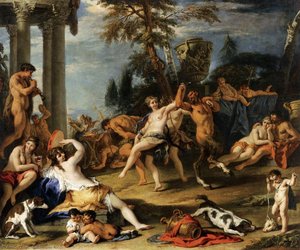
Last Supper
 Oil On Canvas
- WallArt
- High Renaissance
 1713
1713 67.0 x 104.0 cm
 Narodowa Galeria Sztuki
 Czytaj więcej
Ręcznie malowana reprodukcja olejowa
Ręcznie malowany obraz olejny na płótnie, wykonany na zamówienie przez naszych artystów w wybranym przez Ciebie wymiarze i oprawie. ( Przełącz na wersję drukowaną Przełącz na wersję cyfrową)




P118B zł10

P118H zł10

P118W zł10

P438Z zł10

P508JH zł12

P508YH zł12

P805H zł10

P805Z zł10

P919BZ zł10

P919G zł10

P919XJ zł10

P959ZH zł10

P968JZ zł12

W106C zł8

W218G zł10

W218JH zł8

W218Y zł10

W307PJ zł10

W316G zł10

W316PJ zł8

W316Y zł10

W398PJ zł8

W4111J zł10

W500HY zł15

W500JH zł15

W692G zł12

W849H zł8

W940BG zł15

W953PJ zł8




Wybierz spośród naszych standardowych rozmiarów, które zachowują oryginalne proporcje dzieła sztuki.

Wpisz wymaganą szerokość i wysokość, aby obraz pasował do Twojej ramy lub ściany. Ponieważ jest to dzieło malowane ręcznie, w przypadku rozmiaru o innym proporcji artysta może domalować nieco więcej wokół obrazu lub przyciąć fragmenty — wybór należy do Ciebie. Przed rozpoczęciem pracy prześlemy Ci cyfrową wizualizację do zatwierdzenia. Obraz widoczny na tej stronie nie przedstawia rzeczywistego efektu — jedynie wizualizacja oddaje realny rezultat.
Po złożeniu zamówienia zespół OriginalUniqueArt.com skontaktuje się z klientem drogą mailową w celu uzyskania instrukcji i prześle wizualizację projektu
Dostawa na całym świecie () w ciągu 3–4 tygodni zamiast standardowych 5 tygodni. (24 Październik). Bez kompromisów w kwestii jakości.

Bezpłatna ekspresowa wysyłka na cały świat

Wysokiej jakości płótno lniane

Pełne ubezpieczenie transportowe

Gwarancja zwrotu należności celnych i podatków importowych

Gwarancja idealnego odwzorowania barw

100-dniowy okres na zwrot dzieła w przypadku wykrycia wad produkcyjnych

Gwarancja 100% zwrotu pieniędzy

Oferta przy zakupie wielu sztuk
 Opcja ze szkłem jest dostępna wyłącznie w rozmiarach poniżej 110 cm

Last Supper
Technika wykonania
Rozmiar reprodukcji
-


Suma do zapłaty
zł 1151
A Moment Frozen in Time: The Story of the Last Supper
Sebastiano Ricci’s “Last Supper,” a monumental fresco dominating the refectory of Santa Maria delle Grazie in Milan, isn't merely a depiction of a biblical event; it’s a profound exploration of human emotion and betrayal. Painted between 1713 and 1714, this work captures the immediate aftermath of Jesus’ announcement that one among his disciples will betray him – a moment charged with disbelief, apprehension, and simmering resentment. Ricci masterfully conveys the palpable tension in the room, drawing the viewer into the heart of this dramatic exchange. The composition is carefully orchestrated; Jesus sits at the center, radiating an almost serene authority, while the apostles react with a spectrum of responses—shock, denial, suspicion, and outright anger – each face meticulously rendered to reveal their individual personalities and inner turmoil.
The painting’s historical context is crucial to understanding its power. Commissioned during the late Baroque period, Ricci's work reflects the era’s fascination with dramatic narratives and intense emotional expression. The Renaissance ideals of humanism are present, not in a purely idealized form, but through the realistic portrayal of flawed humanity – the vulnerability beneath the bravado, the fear masked by defiance. Ricci was part of a vibrant artistic milieu in Venice, influenced by masters like Dal Simè and Titian, yet he developed a distinct style characterized by a luminous palette and dynamic compositions. His work stands as a bridge between the grandeur of the High Renaissance and the more emotionally charged sensibilities of the Baroque.
Technique and Materials: A Delicate Balance
What sets Ricci’s “Last Supper” apart is not just its subject matter, but also the innovative – and ultimately problematic – techniques he employed. Unlike traditional fresco methods, which involve painting directly onto wet plaster, Ricci utilized tempera on a prepared gesso ground. This allowed for greater flexibility in altering details after the paint had dried, a crucial element for a work of this scale and complexity. However, it also introduced instability; the materials used were not entirely compatible with the wall’s structure, leading to rapid deterioration over centuries. The painting's surface has undergone numerous restorations, each attempting to mitigate the damage caused by humidity, temperature fluctuations, and the inherent fragility of tempera paint.
- The Gesso Ground: A carefully prepared layer of gesso provided a stable base for the pigment.
- Tempera Paint: Ricci used tempera, a fast-drying emulsion of pigments in egg yolk, known for its luminosity and rich colors.
- Pitch and Mastic: These substances were applied to seal the wall and create a barrier against moisture, though they ultimately proved insufficient to protect the delicate paint layer.
Symbolism and Emotional Resonance
Beyond the immediate narrative of betrayal, Ricci’s “Last Supper” is rich in symbolic detail. The arrangement of the apostles around the table reflects their social standing and relationships within the group. Judas Iscariot, often depicted with a subtly averted gaze and a gesture of offering, embodies deceit and treachery. The use of light and shadow – *chiaroscuro* – dramatically emphasizes key figures and creates a sense of drama and psychological intensity. Notice how Ricci uses subtle shifts in color to convey the emotional state of each apostle; the vibrant reds and yellows associated with Jesus contrast sharply with the muted blues and grays used for the disciples, highlighting their internal conflict.
The inclusion of the dog at the bottom left corner is a particularly intriguing detail. While its precise meaning remains debated by art historians, it’s often interpreted as representing loyalty or perhaps even the impending doom that awaits Judas. The overall effect is one of profound emotional depth – a visceral portrayal of human fallibility and the devastating consequences of betrayal.
A Timeless Masterpiece: Reproduction and Legacy
“The Last Supper” remains one of the most studied and admired paintings in the world, captivating viewers with its dramatic composition, masterful technique, and profound emotional resonance. High-quality reproductions capture much of the original’s power, offering a window into this pivotal moment in Christian history. When selecting a reproduction, consider factors such as print quality, color accuracy, and archival suitability to ensure that you are preserving the essence of Ricci's masterpiece for years to come. This iconic image continues to inspire artists, designers, and art lovers alike, solidifying its place as a cornerstone of Western artistic heritage.
Pytania i odpowiedzi
Jaki rozmiar "Last Supper" jest sugerowany do Dining Room?
W przypadku Dining Room zalecany rozmiatr wydruku dzieła „Last Supper” autorstwa Sebastiano Ricci to Large.
Z jakim etapem kariery Sebastiano Ricci odpowiada data 1713 dla dzieła „Last Supper”?
"Last Supper", powstałe w 1713, należy do Late Renaissance w twórczości Sebastiano Ricci.
Czy dzieło „Last Supper” autorstwa Sebastiano Ricci, znajdujące się w zbiorach Narodowa Galeria Sztuki, może być legalnie reprodukowane?
Oryginał dzieła „Last Supper” znajduje się w Narodowa Galeria Sztuki, a utwór jest stanowi domenę publiczną – autorskie prawa majątkowe wygasły.
Biografia artysty
Początek drogi artystycznej Sebastiana Ricciego
Sebastiano Ricci, urodzony 1 sierpnia 1659 roku w Belluno we Włoszech, a zmarły 15 maja 1734 roku, był jednym z czołowych przedstawicieli późnego baroku weneckiego. Jego twórczość emanuje blaskiem i dynamizmem, a freski charakteryzują się monumentalnością i wyrafinowanym stylem. Ricci nie był jedynie malarzem – był wizjonerem, który potrafił ożywić ściany i sufity, tworząc iluzoryczne światy pełne ruchu i emocji.
Młody Sebastiano rozpoczął swoją artystyczną edukację w 1671 roku, ucząc się pod okiem Federico Cervelli w Wenecji. Niektórzy historycy sztuki sugerują jednak, że jego pierwszym nauczycielem był Sebastiano Mazzoni. Bez względu na tożsamość mentora, Ricci szybko wykazywał talent i pasję do malarstwa, a jego wczesne prace zdradzały już zręczność i dbałość o detale.
Wenecki barok i wpływ Giovanniego Gioseffo dal Sole
Wenecja XVII wieku była tyglem kulturowym, gdzie tradycje renesansowe mieszały się z nowymi prądami baroku. Ricci wchłonął tę atmosferę, ale jego styl wykształcił się również pod wpływem Giovanniego Gioseffo dal Sole, którego prace poznał podczas pobytu w Bolonii. Dal Sole wprowadził Ricciego w świat monumentalnych kompozycji i dynamicznego malarstwa figuralnego. Ricci, choć inspirowany mistrzem z Bolonii, nie był jego naśladowcą – szybko wypracował własną, unikalną wizję sztuki.
Wybitne dzieła i zamówienia artystyczne
Ricciego sława rosła wraz z realizowanymi zamówieniami. Jednym z najbardziej znanych dzieł jest "Bachus i Ariadna", znajdujący się w National Gallery w Londynie. Obraz ten doskonale ilustruje mistrzostwo Ricciego w operowaniu barokową stylistyką – bogactwo kolorów, dynamiczna kompozycja i ekspresyjna gra świateł tworzą niezwykle efektowną całość. Kolejnym ważnym dziełem jest "Pomnik admirała sir Clowdisley Shovella", olej na płótnie, który świadczy o umiejętności artysty w uchwyceniu emocji i dramatyzmu chwili. W 1685 roku Ricci podjął się dekoracji Oratorium Madonny di Seraglio we współpracy z Ferdinando Galli-Bibieną, otrzymując za to znaczną sumę – 4482 lir.
Późniejsza kariera i dziedzictwo artystyczne
Kariera Ricciego nie zawsze była usłana różami. Artysta doświadczył trudności, w tym pobytu w więzieniu z powodu skandali obyczajowych. Mimo to kontynuował tworzenie, prezentując kolejne wybitne dzieła, takie jak "Wenus pożegnająca się z Adonisem", które ukazuje jego talent w przedstawianiu niebiańskich scen i subtelnych emocji. Ostatecznie Ricci zaakceptował zamówienie od lorda Burlingtona w Londynie, co świadczy o uznaniu jego twórczości na arenie międzynarodowej.
- Poznaj dzieła Sebastiana Ricciego na stronie OriginalUniqueArt.com.
- Dowiedz się więcej o weneckim baroku i jego wpływach na stronie Wikipedia.
- Odkryj innych wybitnych artystów z tego samego okresu, takich jak Luigi Bonazza, na stronie OriginalUniqueArt.com.
Ważne: Niniejszy artykuł opiera się na dostępnych informacjach ze strony OriginalUniqueArt.com i może ulec zmianie w miarę pozyskiwania nowych danych.

Sebastiano Ricci
1659 - 1734 , Włochy
Najważniejsze informacje
- Artyści Wpływający Na Niego: ['Giovanni dal Sole']
- Data Urodzenia: 1 sierpnia 1659
- Data Śmierci: 15 maja 1734
- Miejsce Urodzenia: Belluno, Włochy
- Narodowość: Włoska
- Pełne Imię I Nazwisko: Sebastiano Ricci
- Styl Artystyczny: Późne baroko
- Znane Dzieła:
- Bachus i Ariadna
- Wenus pożegnańce
Zobacz także powiązane artykuły
Leonardo da Vinci: 25 Arcydzieł Genialnego Mistrza | OriginalUniqueArt
Odkryj 25 arcydzieł Leonardo da Vinci! Poznaj historię Mona Lisy, Ostatniej Wieczerzy i innych renesansowych perełek. Reprodukcje obrazów najwyższej jakości – inspiracje do wnętrz na OriginalUniqueArt.com.
Leonardo da Vinci: A Renaissance Master’s Synthesis of Art, Science & Human Observation – Reinterpreted for the Collector
Explore Leonardo da Vinci’s timeless masterpieces with OriginalUniqueArt. Discover insights into his art, science, and legacy – trusted expertise for discerning collectors seeking authentic reproductions & investment opportunities.
25 Arcydzieł Galerii Uffizi: Podróż przez Renesansowy Genialny Świat | OriginalUniqueArt.com
Odkryj 25 arcydzieł Galerii Uffizi we Florencji! Poznaj historie Leonarda da Vinci, Botticellego i Rafaela. Reprodukcje obrazów najwyższej jakości dla Twojego wnętrza – inspiracje i dekoracje na OriginalUniqueArt.com.
Renesansowy Humanizm w Sztuce: 10 Arcydzieł, które Zmieniły Świat | OriginalUniqueArt
Odkryj 10 arcydzieł renesansu, które uosabiają humanizm! Poznaj historie Leonarda da Vinci, Michała Anioła i Rafaela. Inspiracje wnętrzarskie & reprodukcje obrazów najwyższej jakości na OriginalUniqueArt.com. Eksploruj kolekcję online!
25 Arcydzieł Luwru: Podróż przez Historie Sztuki i Inspiracje dla Domu
Odkryj 25 arcydzieł Luwru! Poznaj historie Mona Lisy, Wenus z Milo i innych ikonicznych dzieł sztuki. Reprodukcje obrazów najwyższej jakości – inspiracje dla Twojego wnętrza na OriginalUniqueArt.com.