Renaissance
St. Jerome (Sandro Botticelli)
Sandro Botticelli (1445–1510) stworzył St. Jerome. Należy do nurtu Renaissance. Wykonano w technice Oil On Panel. Przechowywane jest w Ermitaż w Sankt Petersburg, Rosja.
- Oil On Panel
- Ermitaż, Sankt Petersburg

 Podgląd w skali 1:1

 Ręcznie malowany obraz olejny
 Wyślij jako kartkę
 Udostępnij
 Karta informacyjna


 Pobierz obraz
 Podobne obiekty
 RTG
 Pokaz slajdów
 Pytania i odpowiedzi

 Statystyki
St. Jerome w skrócie
- Tytuł
- St. Jerome
- Artysta
- Sandro Botticelli (1445–1510)
- Miejsce urodzenia artysty
- Florencja, Włochy
- Technika wykonania
- Oil On Panel
- Gdzie można je zobaczyć
- Ermitaż, Sankt Petersburg, Rosja
- Ruch
- Renaissance
- Epoka
- Renaissance
- Temat
- religious lamentation, medieval grief scene, renaissance figures, classical composition, memento mori theme, oil painting technique
Co przedstawia St. Jerome?
A Moment of Profound Grief: Exploring Botticelli’s *St. Jerome*
Sandro Botticelli's *St. Jerome*, a poignant depiction of sorrow and contemplation, offers a captivating glimpse into the artistic sensibilities of the Early Renaissance. While often overshadowed by his more celebrated mythological works like *The Birth of Venus*, this painting reveals Botticelli’s mastery of religious iconography and emotional depth.
Subject & Narrative
- A Scene of Lamentation: Though initially identified as the Lamentation, recent scholarship suggests this work depicts St. Jerome in his final moments, receiving communion before death. The central figure, surrounded by mourners, is likely not Joseph of Arimathea but figures expressing grief over the saint’s impending passing.
- St. Jerome – A Scholar and Ascetic: Saint Jerome (c. 347–420 AD) was a prominent theologian and translator of the Bible into Latin (the Vulgate). His life, marked by both scholarly pursuits and periods of intense asceticism, makes him a compelling subject for artistic representation.
- Setting the Stage: The rocky, cave-like setting evokes a sense of seclusion and spiritual retreat. This isolated location emphasizes the solemnity of the occasion and invites contemplation on mortality.
Artistic Style & Technique
- Renaissance Linearity: Botticelli’s style is characterized by elegant, flowing lines that define forms with precision. This linearity bridges the gap between the late Gothic and Early Renaissance aesthetics.
- Oil on Panel – A Flourishing Medium: Executed in oil on panel, the technique allows for subtle gradations of color and a smooth application of paint, enhancing the realism of the figures and drapery.
- Subdued Palette & Dramatic Lighting: The painting employs a subdued color palette, dominated by earth tones and muted hues. This is contrasted with dramatic lighting that highlights the central figure and casts shadows, intensifying the emotional impact.
- Perspective & Composition: While perspective isn’t fully developed as in later Renaissance works, Botticelli utilizes layering and overlapping forms to create a sense of depth within the confined space. The composition draws the viewer's eye towards St. Jerome through strategic arrangement and contrast.
Symbolism & Iconography
- Mortality & Remembrance: Symbolic elements, such as a skull (a *memento mori*), serve as reminders of human mortality and the transient nature of life.
- Religious Devotion: The act of receiving communion underscores St. Jerome’s unwavering faith and devotion to God in his final moments.
- The Mourners: The surrounding figures represent the grief and sorrow felt by those witnessing the saint's passing, emphasizing the human cost of spiritual dedication.
Historical Context & Legacy
- Florentine Renaissance: Created during the vibrant artistic climate of Florence in the late 15th century, *St. Jerome* reflects the humanist ideals and religious fervor of the period.
- Botticelli’s Diverse Oeuvre: While renowned for his mythological paintings, Botticelli also produced numerous religious works, demonstrating his versatility as an artist.
- Rediscovery & Appreciation: Like many Renaissance masters, Botticelli's work experienced a period of relative obscurity before being rediscovered and celebrated by the Pre-Raphaelites in the 19th century.
Emotional Impact & Interpretation
St. Jerome* evokes feelings of profound sadness, reverence, and contemplation. The painting invites viewers to reflect on themes of mortality, faith, and the human condition. Its quiet intensity and masterful execution make it a compelling work of art that continues to resonate with audiences today.
W którym muzeum znajduje się St. Jerome?
Ermitaż
Sankt Petersburg, Rosja
Początki i historia Ermitażu Historia Ermitażu bierze swój początek w 1764 roku, kiedy to świat sztuki wzbogacił się o niezwykłą kolekcję 225 obrazów, nabytych od berlińskiego kupca Johanna Ernsta Gotzkowsky’ego. To właśnie Katarzyna Wielka położyła fundamenty pod tę niezwykłą zbiorowość, nadając początek obecności muzeum w Sankt Petersburgu w Rosji. Te wczesne nabytki stały się jądrem, z którego wyrosło potężne i rozległe repozytorium zachodniej sztuki europejskiej.


Zdjęcia w wysokiej rozdzielczości dzieła St. Jerome
Domena publiczna: artysta zmarł w 1510.
Sandro Botticelli, St. Jerome, Ermitaż. Domena publiczna
Odpowiedzi na pytania dotyczące St. Jerome
Gdzie można obecnie zobaczyć dzieło „St. Jerome” – Sandro Botticelli?
Oryginał dzieła „St. Jerome” – Sandro Botticelli znajduje się w Ermitaż, Sankt Petersburg, Rosja. Reprodukcja pozwala na eksponowanie pracy w domu.
W jakiej technice wykonano „St. Jerome” – Sandro Botticelli?
Sandro Botticelli wykorzystał/a technikę Oil On Panel w pracy „St. Jerome”. Technika ta definiuje materię oryginalnego dzieła.
Co przedstawia „St. Jerome” – Sandro Botticelli?
Tematyka obecna w „St. Jerome” – Sandro Botticelli obejmuje religious lamentation, medieval grief scene, renaissance figures, classical composition, memento mori theme, oil painting technique, symbolic imagery. Razem stanowią one podsumowanie tematyki dzieła.
Czy dzieło "St. Jerome" znajduje się w domenie publicznej?
Jeśli chodzi o prawa autorskie, "St. Jerome" znajduje się w należy do domeny publicznej – autorskie prawa majątkowe wygasły.
Któremu artyście przypisuje się "St. Jerome"?
Autorem dzieła „St. Jerome” jest Sandro Botticelli. Praca ta figuruje w katalogu pod nazwiskiem Sandro Botticelli.
Do jakiego nurtu w sztuce należy „St. Jerome” – Sandro Botticelli?
„St. Jerome” – Sandro Botticelli należy do nurtu Renaissance. Nurt ten stanowi stylistyczny kontekst dzieła.
Do którego okresu twórczości Sandro Botticelli należy dzieło "St. Jerome"?
W dorobku artystycznym Sandro Botticelli dzieło „St. Jerome” przypada na Mature Renaissance. Ten etap pozwala zestawić je z innymi pracami twórcy.
Z czego wynika obecny status praw autorskich dzieła "St. Jerome"?
Dzieło "St. Jerome" autorstwa Sandro Botticelli znajduje się w należy do domeny publicznej – autorskie prawa majątkowe wygasły. Okres ochrony praw autorskich liczony jest od daty śmierci artysty, a Sandro Botticelli zmarł(a) w 1510.
Czy dzieło "St. Jerome" znajduje się w kraju swojego twórcy?
Nie – dzieło znajduje się poza granicami kraju artysty. Dzieło "St. Jerome" znajduje się w zbiorach Rosja, podczas gdy Sandro Botticelli urodził(a) się w Włochy.
O artyście: Sandro Botticelli
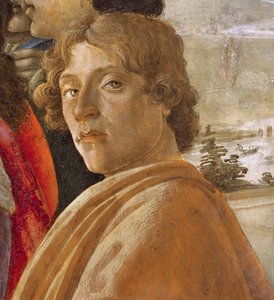
1445–1510, Włochy
Sandro Botticelli
Życie Sandro Botticelli Sandro Botticelli spędził swoje życie wśród wąskich, tętniących życiem uliczek Florencji we Włoszech. Urodzony około 1445 roku jako Alessandro di Mariano di Vanni Filipepi, był synem garbarza. Jego rodzina zamieszkiwała dzielnicę Ognissanti, z którą pozostał związany przez wszystkie lata swojego życia. Z czasem stał się znany pod pseudonimem Botticelli, pochodzącym od słowa botticello, oznaczającego małą beczkę lub winiak.
Inne prace Sandro Botticelli
 Narodziny Wenus1485
 Primavera1482
 Venus i Mars1483
 Adoracja Kapłanów
Eseje o St. Jerome
 25 Masterpieces by Sandro Botticelli: The Ultimate Guide to Renaissance BeautyJourney through the ethereal beauty of Sandro Botticelli's greatest works. From The Birth of Venus to his mythic Renaissance masterpieces, …
 The Scholar and the Hermit: Examining the Iconography of Saint Jerome in Renaissance and Baroque ArtExplore the profound iconography of Saint Jerome through Renaissance and Baroque masters. Discover the secrets of sacred art history now.
 Master of Shadow: The Top 25 Essential Artworks by Jusepe de RiberaExplore 25 iconic works by Jusepe de Ribera. Master the drama of Baroque tenebrism. Discover all masterpieces on OriginalUniqueArt.com.