Italian Renaissance
St. Augustine (Sandro Botticelli)
Sandro Botticelli (1445–1510) stworzył St. Augustine. Należy do nurtu Italian Renaissance. Wykonano w technice Oil On Panel.
- Oil On Panel

 Podgląd w skali 1:1

 Ręcznie malowany obraz olejny
 Wyślij jako kartkę
 Udostępnij
 Karta informacyjna


 Pobierz obraz
 Podobne obiekty
 RTG
 Pokaz slajdów
 Pytania i odpowiedzi

 Statystyki
St. Augustine w skrócie
- Tytuł
- St. Augustine
- Artysta
- Sandro Botticelli (1445–1510)
- Miejsce urodzenia artysty
- Florencja, Włochy
- Technika wykonania
- Oil On Panel
- Epoka
- Renaissance
- Temat
- saint augustine, renaissance painting, botticelli, fresco, cardinal, desk
Co przedstawia St. Augustine?
The Artist: Sandro Botticelli
Alessandro di Mariano di Vanni Filipepi, known as Sandro Botticelli (around 1445 - May 17, 1510), was an Italian painter of the Early Renaissance. He is best known for his mythological works, such as "The Birth of Venus" and "Primavera."Title: St. Augustine
St. Augustine is the subject of two paintings by Sandro Botticelli, both executed in 1480. The first painting is housed in the church of Ognissanti in Florence, while the second one is in the Uffizi Gallery, also in Florence.Media: Oil on Panel
Botticelli's St. Augustine paintings are executed in oil on panel, a technique that was widely used during the Renaissance period. This medium allowed artists to create rich and detailed works with vibrant colors and subtle shading.Style: Italian Renaissance
Botticelli's St. Augustine paintings are characteristic of the Italian Renaissance style, which is known for its harmonious composition, naturalism, and idealized beauty. The artist uses a linear perspective to create depth and space, while the figures are depicted with graceful movements and expressive faces.Historical Context
The St. Augustine paintings were created during the Italian Renaissance, a period of great cultural and artistic achievement in Italy. This was a time when artists, writers, and thinkers were rediscovering the classical culture of ancient Greece and Rome, leading to a renewed interest in humanism, science, and art.Commissioned by Amerigo Vespucci's Father
It has been supposed that the second St. Augustine painting was commissioned by Amerigo Vespucci's father, who was a friend of Botticelli's. The Coat of Arms visible in the upper part of the painting is that of the Vespucci family, indicating their connection to the work.Where to See St. Augustine by Sandro Botticelli
The second St. Augustine painting by Sandro Botticelli is housed in the Uffizi Gallery in Florence, Italy. This museum is one of the most important Italian museums and the most visited, holding a collection of priceless works from the period of the Italian Renaissance. Uffizi Gallery, located adjacent to the Piazza della Signoria in the Historic Centre of Florence, Tuscany, Italy, is home to many masterpieces of Western art, including Botticelli's St. Augustine.Hand Made Oil Paintings Reproductions by OriginalUniqueArt.com
At OriginalUniqueArt.com, we offer high-quality hand made oil paintings reproductions of Sandro Botticelli's St. Augustine. Our skilled artists use traditional techniques to create beautiful and accurate reproductions that capture the essence of the original work. OriginalUniqueArt.com is your go-to source for fine art reproductions, offering a wide range of paintings from famous artists, including Sandro Botticelli. Our team of experts is dedicated to providing you with the best possible service and ensuring that you are completely satisfied with your purchase.Conclusion
Sandro Botticelli's St. Augustine paintings are a testament to the artist's skill and mastery of the Italian Renaissance style. These works offer a glimpse into the cultural and artistic achievements of the period, showcasing Botticelli's unique talent for creating beautiful and expressive figures. If you're looking to add a touch of classic beauty to your home or office, consider purchasing a hand made oil painting reproduction of St. Augustine by Sandro Botticelli from OriginalUniqueArt.com. Our high-quality reproductions are sure to impress and inspire for years to come.Zdjęcia w wysokiej rozdzielczości dzieła St. Augustine
Domena publiczna: artysta zmarł w 1510.
Sandro Botticelli, St. Augustine. Domena publiczna
Odpowiedzi na pytania dotyczące St. Augustine
W jakiej technice wykonano „St. Augustine” – Sandro Botticelli?
Technika wykonania dzieła „St. Augustine” – Sandro Botticelli to Oil On Panel. Reprodukcje mają na celu wierne oddanie wyglądu tej techniki.
Co przedstawia "St. Augustine"?
„St. Augustine” – Sandro Botticelli przedstawia: saint augustine, renaissance painting, botticelli, fresco, cardinal, desk, books.
Czy „St. Augustine” – Sandro Botticelli znajduje się w domenie publicznej?
„St. Augustine” – Sandro Botticelli znajduje się w domenie publicznej (należy do domeny publicznej – autorskie prawa majątkowe wygasły). Status ten określa zasady reprodukcji obrazu tego dzieła.
Kto jest autorem dzieła "St. Augustine"?
„St. Augustine” zostało stworzone przez Sandro Botticelli. Informacje na tej stronie dotyczą oryginalnego dzieła autorstwa Sandro Botticelli.
Do jakiego nurtu artystycznego należy „St. Augustine” – Sandro Botticelli?
„St. Augustine” to dzieło należące do nurtu Italian Renaissance. Nurt ten określa tradycję artystyczną, w której osadzone jest dzieło.
Do którego okresu twórczości Sandro Botticelli należy dzieło "St. Augustine"?
„St. Augustine” pochodzi z okresu Early Renaissance w twórczości Sandro Botticelli. Klasyfikacja ta wiąże dzieło z rozwojem artysty.
Co wyjaśnia sytuację prawną dotyczącą praw autorskich do „St. Augustine” – Sandro Botticelli?
Status praw autorskich do dzieła „St. Augustine” – należy do domeny publicznej – autorskie prawa majątkowe wygasły – wynika z faktu, że artysta zmarł w 1510.
Co łączy "St. Augustine" z resztą twórczości Sandro Botticelli?
W dorobku Sandro Botticelli, "St. Augustine" wpisuje się w styl Italian Renaissance, nawiązując do tematów takich jak classical ideals, faith, knowledge, vespucci family, renaissance style.
W jaki sposób tematyka dzieła "St. Augustine" odnosi się do typowych motywów twórczości Sandro Botticelli?
„St. Augustine” przedstawia saint augustine, renaissance painting, botticelli, fresco, cardinal, desk, books, podczas gdy powracające motywy u Sandro Botticelli to classical ideals, faith, knowledge, vespucci family, renaissance style. Porównanie tych dwóch elementów ukazuje, jak dzieło nawiązuje do typowej dla tego artysty tematyki.
O artyście: Sandro Botticelli
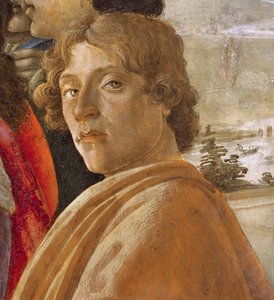
1445–1510, Włochy
Sandro Botticelli
Życie Sandro Botticelli Sandro Botticelli spędził swoje życie wśród wąskich, tętniących życiem uliczek Florencji we Włoszech. Urodzony około 1445 roku jako Alessandro di Mariano di Vanni Filipepi, był synem garbarza. Jego rodzina zamieszkiwała dzielnicę Ognissanti, z którą pozostał związany przez wszystkie lata swojego życia. Z czasem stał się znany pod pseudonimem Botticelli, pochodzącym od słowa botticello, oznaczającego małą beczkę lub winiak.
Inne prace Sandro Botticelli
 Narodziny Wenus1485
 Primavera1482
 Venus i Mars1483
 Adoracja Kapłanów
Eseje o St. Augustine
 Early Netherlandish Painting vs. Italian Renaissance: A Comparative StudyMaster the differences between Netherlandish detail and Renaissance perspective. Explore this expert comparative study now.
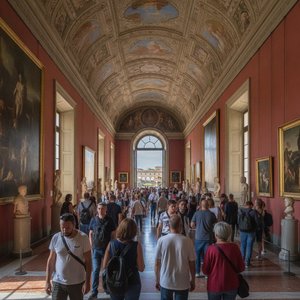 25 Must-See Masterpieces in the Uffizi Gallery, FlorenceEmbark on a journey through the Italian Renaissance. Explore 25 iconic masterpieces from Florence's Uffizi Gallery, featuring legends like …
 25 Masterpieces by Sandro Botticelli: The Ultimate Guide to Renaissance BeautyJourney through the ethereal beauty of the Italian Renaissance with our curated list of 25 Sandro Botticelli masterpieces. From myth to gra…