

 Podgląd w skali 1:1
 Wyślij jako kartkę
 Udostępnij
 Szczegóły dzieła
 Przewodnik

 Pobierz obraz
 Podobne obiekty
 RTG
RTG Pokaz slajdów
 Statystyki
Richard Potter
 Acrylic On Canvas
- WallArt
- Romantic Landscape Painting
 90.0 x 69.0 cm
 Manchester Town Hall
 Rozwiń treść
Giclée / Wydruk artystyczny
Wydruki giclée lub płótna o jakości muzealnej, szybka realizacja i szeroki wybór opcji wykończenia. ( Zamów ręcznie malowaną reprodukcję Przejdź do wersji cyfrowej)




P118B zł10

P118H zł10

P118W zł10

P438Z zł10

P508JH zł12

P508YH zł12

P805H zł10

P805Z zł10

P919BZ zł10

P919G zł10

P919XJ zł10

P959ZH zł10

P968JZ zł12

W106C zł8

W218G zł10

W218JH zł8

W218Y zł10

W307PJ zł10

W316G zł10

W316PJ zł8

W316Y zł10

W398PJ zł8

W4111J zł10

W500HY zł15

W500JH zł15

W692G zł12

W849H zł8

W940BG zł15

W953PJ zł8




Wybierz spośród naszych standardowych rozmiarów, które zachowują oryginalne proporcje dzieła sztuki.

Wpisz wymaganą szerokość i wysokość, aby dopasować grafikę do ramy lub ściany. Wydruk można jedynie przyciąć, nigdy nie powiększając go poza oryginalny obraz, dlatego format o innych proporcjach spowoduje utratę części kompozycji. Przed rozpoczęciem druku prześlemy Ci cyfrowy podgląd do zatwierdzenia. Obraz wyświetlany na tej stronie nie pokazuje rzeczywistego przycięcia — jedynie podgląd oddaje ten efekt.
Dostawa na cały świat () w ciągu 2 tygodni zamiast standardowych 4/5 tygodni. (27 Październik)

Bezpłatna ekspresowa wysyłka na cały świat

Wysokiej jakości płótno lniane

Pełne ubezpieczenie przesyłki

Gwarancja zwrotu należności celnych i podatków importowych

Gwarancja wiernego odwzorowania kolorów

100-dniowa polityka zwrotów (tylko w przypadku wad)

Gwarancja 100% zwrotu pieniędzy

Zniżka przy zakupie wielu sztuk
 Opcja ze szkłem jest dostępna wyłącznie w rozmiarach poniżej 110 cm

Richard Potter
Giclée / Wydruk artystyczny
Wymiary reprodukcji
-


Cena całkowita
zł 307
Richard Potter - A Portrait of Quiet Dignity
Samuel William Reynolds’s depiction of Richard Potter stands as a testament to the meticulous artistry of mezzotint engraving in the early 19th century. Executed around 1830 or 1840, this portrait captures Potter—a prominent businessman and founding member of the Great Western Railway company—with remarkable detail and understated elegance.
Reynolds’s skill is immediately evident in the subtle tonal gradations achieved through the printing process. The mezzotint technique, pioneered by Rembrandt and perfected by artists like John Raphael Smith, allowed for incredibly nuanced shading – a crucial element in conveying Potter's character and conveying an aura of calm confidence. Observe how Reynolds skillfully renders the folds of Potter’s suit and waistcoat, highlighting the texture of fabric with astonishing precision.
The painting’s composition is deliberately restrained, placing Potter centrally within a dark background that serves to emphasize his form and features. This stylistic choice reflects the prevailing taste for formal portraiture during the Victorian era—a period characterized by an obsession with documenting individuals of distinction. The artist's careful attention to detail extends beyond mere representation; it aims to capture not just what Potter looked like, but also something of his inner state.
The Artist’s Legacy: Reynolds and Mezzotint Mastery
Samuel William Reynolds Jr., son of the celebrated landscape painter Samuel William Reynolds Sr., inherited his father's exceptional talent for engraving. Like his father, Reynolds Jr. was a prolific artist who embraced multiple mediums—oil painting and watercolor—demonstrating versatility and an understanding of artistic expression.
Reynolds’s reputation as a mezzotint engraver soared throughout Britain and France during his lifetime. Over 400 examples of his work reside in the National Portrait Gallery, London, cementing his place among the foremost artists of his time. His dedication to mastering the technique—a laborious process involving etching plates with acid rollers—is evident in every plate he produced.
Considered a pioneer of the art form, Reynolds Jr.’s work exemplifies the meticulous craftsmanship demanded by mezzotint engraving. He skillfully combined etching and stipple engraving techniques to achieve breathtaking levels of tonal subtlety, mirroring his father’s approach to landscape painting—a commitment to capturing atmospheric conditions with unparalleled accuracy.
Historical Context: Victorian Portraiture and Social Status
The portrait was created during the reign of Queen Victoria (1837-1901), a period marked by significant social and economic transformations. Victorian society placed immense importance on lineage, status, and outward appearances—factors meticulously documented in portraits commissioned by wealthy families and prominent figures.
Richard Potter’s image embodies the ideals of Victorian gentlemanly culture: intellect, responsibility, and adherence to moral principles. The pose—seated upright with a dignified gaze—communicates composure and self-assurance—qualities highly valued during this era. Furthermore, the dark background serves as a symbolic device, emphasizing Potter's presence against an implied backdrop of societal influence.
Symbolism: Quiet Strength and Reflection
Beyond its technical brilliance, the portrait possesses subtle symbolic resonance. The muted palette—primarily browns and blacks—suggests introspection and seriousness—characteristics associated with intellectual pursuits and moral contemplation. Potter’s gaze directs towards the viewer, fostering a connection between sitter and observer—a gesture that speaks to the Victorian fascination with conveying inner character.
The meticulous rendering of Potter's attire—the suit and waistcoat—represents social status and professionalism—affirming his position within the upper echelons of Victorian society. Reynolds’s masterful execution elevates this simple depiction into a profound statement about human dignity and artistic achievement.
Pytania i odpowiedzi
Jaki poziom luminancji ma „Richard Potter” – Samuel William Reynolds?
Jasność zarejestrowana dla „Richard Potter” – Samuel William Reynolds wynosi Dark.
Jaki nastrój budzi "Richard Potter"?
"Richard Potter" ma Serene atmosferę.
Gdzie i w jakim celu zaleca się użycie "Richard Potter"?
„Richard Potter” idealnie sprawdzi się w Accent, a rekomendowanym miejscem jego ekspozycji jest Living Room.
Biografia artysty
The Master of Light and Shadow: The Life of Samuel William Reynolds
In the golden age of British printmaking, few names resonated with as much technical prowess and versatility as Samuel William Reynolds. Born on July 4, 1773, Reynolds emerged from a background that bridged the colonial reaches of the West Indies and the refined artistic circles of England. Though his father’s roots lay in the plantations of the Caribbean, Reynolds was shaped by the rigorous academic traditions of London. His journey into the heart of the art world began under the tutative guidance of esteemed mezzotint engravers such as Charles Howard Hodges and John Raphael Smith. This early immersion in the delicate nuances of tonal depth allowed him to master the complex interplay of light and dark, a skill that would soon make him a celebrated figure in both Britain and France.
The artistry of Reynolds was never confined to a single medium or subject. He was a true polymath of the visual arts—a mezzotint engraver, a landscape painter, and even a landscape gardener. His early career was marked by an extraordinary technical dexterity; he possessed the rare ability to combine etching, aquatint, and stipple engraving with the rich, velvety textures of mezzotint. This hybrid approach allowed him to breathe life into various compositions, ranging from the dramatic animal studies of James Northcote to the sweeping, atmospheric landscapes inspired by masters like George Morland. His work often captured a sense of raw, natural tension, seen in evocative pieces such as The Vulture and Lamb and Leopards, Vulture and Snake, where the predator and prey are rendered with startling anatomical precision and emotional weight.
A Legacy Carved in Copper and Canvas
Reynolds’ significance in the history of art is perhaps most profoundly felt through his role as a bridge between the great masters of the past and the burgeoning print culture of the nineteenth century. He was not merely an interpreter of art but a vital participant in its dissemination. His immense productivity is evidenced by the staggering collection of over 400 examples of his work housed within the National Portrait Gallery in London. Much of his renown stemmed from his ability to translate the painterly genius of Sir Joshua Reynolds into the reproducible medium of print, ensuring that the grandeur of British portraiture could be appreciated far beyond the walls of private estates.
Beyond his technical achievements, Reynolds moved within the most vibrant social and theatrical circles of his era. His life was intertwined with the legends of the London stage; he maintained close friendships with figures such as Thomas Sheridan and Edmund Kean, even assisting the latter with the intricate art of theatrical makeup for iconic roles like Othello. This connection to the drama of the theatre undoubtedly informed the dramatic flair found in his engravings. Whether he was working on the monumental Liber Studiorum alongside J.M.W. Turner or recreating the luminous compositions of Rubens and Rembrandt, Reynolds approached every plate with a sense of narrative urgency. His career remains a testament to the power of the engraver's hand to capture the soul of an era, leaving behind a legacy of shadows, light, and enduring beauty.

Samuel William Reynolds
1773 - 1835
Krótka nota
- Full Name: Samuel William Reynolds
- Nationality: British
- Date Of Birth: 1773
- Date Of Death: 1835
- Notable Artworks:
- The Vulture and Lamb
- The Falconer
- Leopards, Vulture and Snake
- Heron and Spaniel
- A Land Storm
- Artistic Movement Or Style: Mezzotint engraving, Landscape painting
- Artists Who Influenced This Artist:
- Charles Howard Hodges
- John Raphael Smith
- Sir Joshua Reynolds
- James Northcote
Powiązane artykuły
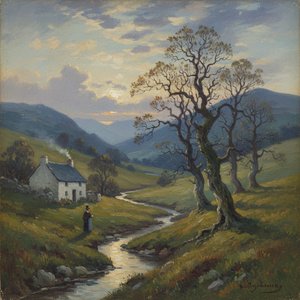
Penry Williams: Evoking Welsh Nostalgia Through Impressionistic Landscapes
Explore the captivating world of Penry Williams (1802-1885), a Welsh artist renowned for his evocative Impressionistic landscapes and scenes of Italy. Discover his life, style & legacy with OriginalUniqueArt.

Christopher Williams: Deconstructing Representation & Materiality in Contemporary Art
Explore the groundbreaking work of Christopher Williams, a pivotal figure in contemporary art. This analysis delves into his deconstruction of representation, materiality, and institutional critique – essential reading for serious collectors.
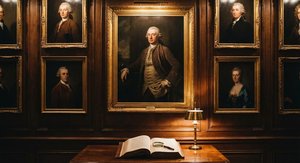
Sir Joshua Reynolds: 25 Arcydzieł Pełnych Elegancji i Historii | OriginalUniqueArt.com
Odkryj 25 arcydzieł Sir Joshua Reynoldsa – mistrza angielskiego rokoko i neoklasycyzmu. Poznaj historie portretów, techniki malarskie i inspiracje wnętrzarskie. Reprodukcje najwyższej jakości na OriginalUniqueArt.com! Eksploruj pełną kolekcję online.
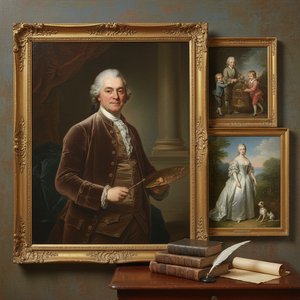
Sir Joshua Reynolds: Shaping British Art Through Grand Style & Societal Portraiture
Explore the life & work of Sir Joshua Reynolds, a master of British portraiture and founder of the Royal Academy. Discover his 'Grand Style,' techniques, and lasting influence on art history. Learn more at OriginalUniqueArt.
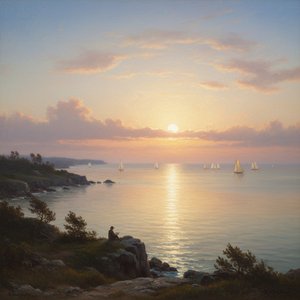
William Trost Richards: Luminism, Spirituality & the American Landscape Tradition
Explore the captivating landscapes of William Trost Richards, a master of Luminism associated with both the Hudson River School & American Pre-Raphaelite movements. Discover his spiritual connection to nature and lasting influence on American art.