
 Podgląd w skali 1:1
 Wyślij jako kartkę
 Udostępnij
 Szczegóły dzieła
 Przewodnik

 Pobierz obraz
 Podobne obiekty
 RTG
RTG Pokaz slajdów
 Statystyki
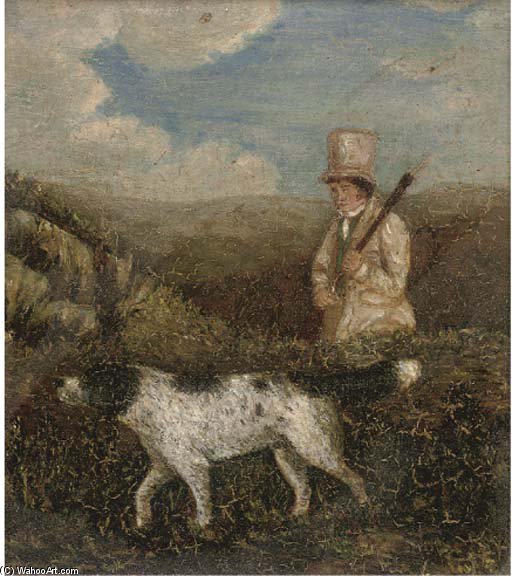
Pointing The Way
 Rozwiń treść
Giclée / Wydruk artystyczny
Wydruki giclée lub płótna o jakości muzealnej, szybka realizacja i szeroki wybór opcji wykończenia. ( Zamów ręcznie malowaną reprodukcję Przejdź do wersji cyfrowej)




































Wybierz spośród naszych standardowych rozmiarów, które zachowują oryginalne proporcje dzieła sztuki.

Wpisz wymaganą szerokość i wysokość, aby dopasować grafikę do ramy lub ściany. Wydruk można jedynie przyciąć, nigdy nie powiększając go poza oryginalny obraz, dlatego format o innych proporcjach spowoduje utratę części kompozycji. Przed rozpoczęciem druku prześlemy Ci cyfrowy podgląd do zatwierdzenia. Obraz wyświetlany na tej stronie nie pokazuje rzeczywistego przycięcia — jedynie podgląd oddaje ten efekt.
Dostawa na cały świat () w ciągu 2 tygodni zamiast standardowych 4/5 tygodni. (26 Październik)

Bezpłatna ekspresowa wysyłka na cały świat

Wysokiej jakości płótno lniane

Pełne ubezpieczenie przesyłki

Gwarancja zwrotu należności celnych i podatków importowych

Gwarancja wiernego odwzorowania kolorów

100-dniowa polityka zwrotów (tylko w przypadku wad)

Gwarancja 100% zwrotu pieniędzy

Zniżka przy zakupie wielu sztuk
 Opcja ze szkłem jest dostępna wyłącznie w rozmiarach poniżej 110 cm

Pointing The Way
Giclée / Wydruk artystyczny
Wymiary reprodukcji
-


Cena całkowita
zł 307
Biografia artysty
Samuel John Egbert Jones: A Sporting Vision of Victorian Britain
Samuel John Egbert Jones (1797-1861) stands as a prominent figure in British art history, celebrated primarily for his captivating depictions of sporting pursuits—specifically pheasant shooting and hunting. Born in Lincolnshire, England, Jones’s artistic journey unfolded against the backdrop of the Victorian era, a period characterized by aristocratic leisure and an obsession with tradition. While biographical details remain somewhat sparse, his oeuvre speaks volumes about the cultural values of his time and demonstrates remarkable skill in capturing movement and atmosphere. Jones's artistic style leaned heavily towards realism, albeit imbued with a subtle Romantic sensibility. He meticulously rendered landscapes—often featuring marshes and woodlands—providing the setting for dynamic scenes of sportsmen engaged in their activities. The artist’s technique involved layering brushstrokes to achieve textural depth and luminosity, skillfully conveying the immediacy of the hunt. His compositions prioritized clarity and balance, ensuring that every element contributed to the narrative unfolding before the viewer's eyes. Notably, Jones frequently employed a muted palette—dominated by browns, greens, and ochres—reflecting the natural environment and enhancing the solemn grandeur of the subject matter. A significant influence on Jones’s artistic sensibilities was undoubtedly George Stubbs (1724-1806), whose anatomical precision and dramatic portrayal of animals established a precedent for portraying wildlife with scientific accuracy alongside expressive emotion. Similarly, Jones absorbed lessons from topographical artists who documented Britain's landscapes with meticulous detail. These influences combined to produce an artist capable of blending observation with imagination—a hallmark of Victorian art itself. Among Jones’s most notable works are “Woodcock Shooting,” “The Duke Entering The House Of Lords,” and “Grouse-shooting With Two Guns And Pointers.” Each painting exemplifies his mastery of capturing the essence of a sporting occasion, conveying not only the physical activity but also the social rituals associated with it. "Woodcock Shooting," for instance, showcases Jones’s ability to depict birds in flight with astonishing realism, while “The Duke Entering The House Of Lords” captures a formal portrait imbued with aristocratic dignity. These paintings are treasured additions to OriginalUniqueArt's collection and serve as enduring reminders of Victorian Britain’s fascination with the natural world and its social hierarchy. Jones’s contribution to British art extends beyond individual masterpieces; he helped solidify the genre of sporting painting as a respected artistic pursuit. His work stands alongside other celebrated artists of the era, demonstrating the importance of documenting and interpreting cultural traditions through visual representation. Samuel John Egbert Jones remains an artist whose legacy continues to inspire admiration for his technical prowess and his ability to convey the spirit of Victorian Britain—a testament to the enduring power of art to capture both observation and emotion.
Samuel John Egbert Jones
1797 - 1861 , United Kingdom
Krótka nota
- Full Name: Samuel John Egbert Jones
- Nationality: British
- Date Of Birth: 1797
- Date Of Death: 1861
- Place Of Birth: United Kingdom
- Notable Artworks:
- Woodcock Shooting
- The Duke Entering The House Of Lords
- Grouse-shooting With Two Guns And Pointers
- Artistic Movement Or Style: Victorian Art