

 Zobacz w skali 1:1
 Wyślij
 Udostępnij
 Szczegóły
 Przewodnik

 Pobierz plik obrazu
 Podobne obiekty
 RTG
RTG Pokaz slajdów
 Statystyki
Waleczny


 Czytaj więcej
Giclée / Wydruk artystyczny
Wydruki giclée lub płótna o jakości muzealnej, szybka realizacja i szeroki wybór opcji wykończenia. ( Kup ręcznie malowany obraz Przełącz na wersję cyfrową)




P118B zł10

P118H zł10

P118W zł10

P438Z zł10

P508JH zł12

P508YH zł12

P805H zł10

P805Z zł10

P919BZ zł10

P919G zł10

P919XJ zł10

P959ZH zł10

P968JZ zł12

W106C zł8

W218G zł10

W218JH zł8

W218Y zł10

W307PJ zł10

W316G zł10

W316PJ zł8

W316Y zł10

W398PJ zł8

W4111J zł10

W500HY zł15

W500JH zł15

W692G zł12

W849H zł8

W940BG zł15

W953PJ zł8




Wybierz spośród naszych standardowych rozmiarów, które zachowują oryginalne proporcje dzieła sztuki.

Wpisz wymaganą szerokość i wysokość, aby dopasować grafikę do ramy lub ściany. Wydruk można jedynie przyciąć, nigdy nie powiększając go poza oryginalny obraz, dlatego format o innym proporcji spowoduje utratę części kompozycji. Przed rozpoczęciem druku prześlemy Ci cyfrowy podgląd do zatwierdzenia. Obraz wyświetlany na tej stronie nie pokazuje rzeczywistego przycięcia — jedynie podgląd oddaje ten efekt.
Dostawa na cały świat () w ciągu 2 tygodni zamiast standardowych 4/5 tygodni. (21 Październik)

Bezpłatna ekspresowa wysyłka na cały świat

Wysokiej jakości płótno lniane

Pełne ubezpieczenie transportowe

Gwarancja zwrotu należności celnych i podatków importowych

Gwarancja idealnego odwzorowania barw

100-dniowy okres na zwrot dzieła w przypadku wykrycia wad produkcyjnych

Gwarancja 100% zwrotu pieniędzy

Oferta przy zakupie wielu sztuk
 Opcja ze szkłem jest dostępna wyłącznie w rozmiarach poniżej 110 cm

Waleczny
Giclée / Wydruk artystyczny
Rozmiar reprodukcji
-


Suma do zapłaty
zł 304
A Portrait of Resolve: Salvator Rosa’s “Warrior”
Salvator Rosa's "Warrior," a captivating depiction of a solitary figure engaged in contemplation amidst a rugged landscape, embodies the spirit of Baroque artistry and offers a glimpse into the psychological complexities explored by one of Italy’s most influential painters. Executed sometime around 1640-1650, this artwork transcends mere representation; it's an invitation to delve into themes of introspection, duty, and the enduring human connection with nature—elements deeply rooted in Rosa’s philosophical leanings and artistic vision.
Style and Technique: Baroque Drama Embodied
Rosa’s distinctive style is immediately recognizable through his masterful manipulation of chiaroscuro – the dramatic interplay between light and shadow – a hallmark technique perfected during the Baroque period. The painting utilizes a muted palette dominated by earthy tones, primarily browns and ochres, which serve to heighten the impact of the stark contrasts that define the composition. Brushstrokes are loose and expressive, conveying movement and texture with remarkable immediacy. Unlike the polished surfaces favored by artists like Rembrandt or Rubens, Rosa deliberately incorporates visible brushwork, mirroring the turbulent spirit of his time and reflecting a rejection of academic conventions. This textural richness contributes to an overall sense of realism, grounding the figure within a palpable environment.
Historical Context: Reflections of Renaissance Ideals
Rosa’s artistic output coincided with a period marked by significant political upheaval in Italy – the Thirty Years' War – influencing his preoccupation with themes of heroism and moral fortitude. The painting speaks to the broader humanist concerns prevalent during the Renaissance, albeit filtered through the lens of Baroque sensibility. Rosa’s fascination with mythology and allegory is evident in the landscape itself, which subtly references classical motifs symbolizing resilience and spiritual contemplation. The warrior’s posture—upright but relaxed—suggests a readiness for action tempered by inner peace, mirroring the ideal of virtuous leadership championed during the era.
Symbolism: Contemplation Amidst Adversity
The central figure's gaze downwards is particularly noteworthy, conveying a profound sense of introspection and perhaps even melancholy. This deliberate avoidance of direct eye contact invites viewers to consider the warrior’s inner world—his thoughts, emotions, and motivations—rather than simply observing his physical presence. The sword held in his right hand symbolizes power and responsibility, yet its resting position on his thigh underscores the burden of duty and the quiet fortitude required to confront challenges head-on. Simultaneously, the rugged landscape serves as a counterpoint to the figure’s stillness, representing the enduring forces of nature—a reminder that even amidst turmoil, beauty and contemplation persist.
Emotional Impact: A Moment Frozen in Time
Ultimately, “Warrior” succeeds in capturing a powerful emotional resonance. It's not a depiction of triumphant battle or heroic action; instead, it presents a portrait of quiet dignity and profound thoughtfulness. Rosa’s ability to convey psychological depth through visual means—a skill honed by his engagement with philosophical ideas—elevates the artwork beyond mere aesthetic pleasure. The painting lingers in the viewer’s mind long after viewing, prompting reflection on themes of courage, resilience, and the importance of inner harmony. It stands as a testament to Rosa's enduring legacy as an artist who dared to explore the complexities of human experience with unparalleled sensitivity and conviction.
Pytania i odpowiedzi
Jaka jest luminancja dzieła „Waleczny” autorstwa Salvator Rosa?
„Waleczny” autorstwa Salvator Rosa ma luminancję na poziomie Miękki cień. Luminancja określa, jak dużą ilość światła zdają się odbijać kolory.
Jakie pochodzenie narodowe stoi za Baroque dzieła "Waleczny"?
"Waleczny" łączy nurt Baroque z Włochy poprzez miejsce urodzenia jego twórcy.
Czy kolory w „Waleczny” autorstwa Salvator Rosa są nasycone czy stonowane?
Paleta dzieła "Waleczny" charakteryzuje się Subtelna kolorystyka nasyceniem kolorów.
Biografia artysty
Salvator Rosa (1615 – 1673)
Salvator Rosa, an italian baroque painter, poet, and printmaker, was born in arenella, naples, on either june 20 or july 21, 1615. his mother, giulia greca rosa, was a member of one of the greek families of sicily. despite his father's wishes for him to become a lawyer or priest, salvator showed a preference for the arts from an early age.early life and training
Salvator Rosa’s artistic career began in naples, where he received his formative training under the tutelage of Francesco Fracanzano and Aniello Falcone. This exposure to established artistic traditions instilled in him a deep understanding of classical techniques and paved the way for his distinctive style—a style that would soon differentiate him from his contemporaries. Rosa’s inclination towards art wasn't merely academic; it was fueled by an innate passion for observation and expression, qualities that would characterize his entire oeuvre.artistic career
Rosa’s artistic output spanned across naples, rome, and florence, reflecting the dynamism of baroque culture and showcasing his versatility as a painter, poet, and printmaker. He rejected stylistic conventions prevalent at the time, prioritizing originality and emotional intensity above adherence to established norms. His landscapes—particularly those depicting “sublime” nature—became synonymous with the baroque aesthetic, anticipating the romantic movement’s fascination with untamed wilderness. Unlike the idealized vistas championed by Claude Lorrain, Rosa's canvases captured the raw power of storms, mountains, and desolate terrains, conveying a profound sense of awe and terror. Notable among his masterpieces are Pythagoras Emerging From The Underworld (kimbell art museum, fort worth, united states), which brilliantly blends philosophical contemplation with dramatic visual storytelling, and The Baptism Of The Eunuch (chrysler museum of art, norfolk, united states)—a poignant depiction of biblical narrative imbued with theatrical grandeur. Rosa’s prints further solidified his reputation as a master of engraving and demonstrated his ability to convey complex ideas through meticulously crafted images.influences and legacy
Rosa's artistic vision was profoundly shaped by the naturalism of José de Ribera and the classicism of poussin, yet he resolutely resisted categorization within any single movement. He championed an uncompromising stance against stylistic constraints, prioritizing emotional truthfulness and intellectual depth. His work exerted considerable influence on subsequent generations of artists—particularly those embracing the romantic aesthetic—establishing him as a pivotal figure in baroque art history. Artists like Luca Giordano continued to explore innovative visual languages inspired by Rosa’s pioneering approach. Furthermore, Rosa's poetic output—characterized by satirical wit and rebellious fervor—reflected his broader engagement with intellectual currents of his time.important links

Salvator Rosa
1615 - 1673 , Włochy
Najważniejsze informacje
- Artistic Movement Or Style: Barok
- Artists Or Movements Influenced By This Artist: ['Romanticizm']
- Artists Who Influenced This Artist: ['José de Ribera']
- Date Of Birth: June 20 lub lipca 21, 1615
- Full Name: Salvator Rosa
- Nationality: Włoski
- Notable Artworks:
- Widok Zatoki Salerno
- Studium dla "Il Genio di Rosa"
- Grota z wodospadem
- Place Of Birth: Arenella, Sycylia
Zobacz także powiązane artykuły

Dramatyczny Rozkwit Baroku: Dziedzictwo Sztuki Kontrreformacji i Mistrzowie Chiaroscuro
Odkryj dramatyczny świat baroku! Poznaj historię sztuki kontrreformacji, mistrzów chiaroscuro i weneckich arcydzieł. Reprodukcje najwyższej jakości na OriginalUniqueArt.com.
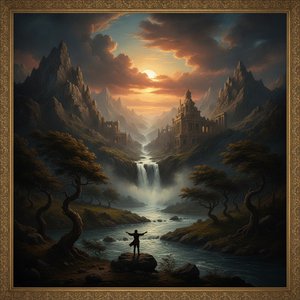
Epic Drama & Dark Vibes: The Ultimate Collector's Guide to Baroque Landscapes
Master the art of drama with our ultimate guide to Baroque landscapes. Discover the power of chiaroscuro, explore legendary masters, and learn how to curate epic, dark-vibe masterpieces for your collection with expert insights from OriginalUniqueArt.

Salvator Rosa: A Baroque Rebel's Vision of Landscape, Allegory & the Human Condition
Explore the captivating world of Salvator Rosa, a rebellious Baroque master. Discover his dramatic landscapes, allegorical paintings & lasting influence on Romanticism. Hand-painted reproductions available at OriginalUniqueArt.

Drama in Nature: The Captivating Grandeur of Baroque Landscapes and the Art of Emotional Spectacle
Explore the breathtaking drama of Baroque landscapes. From Rubens's grand vistas to the mastery of chiaroscuro, discover how 17th-century artists transformed nature into a theatrical stage of emotion and light. A deep dive for true art enthusiasts.
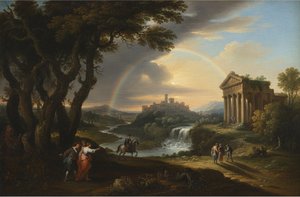
Shadow, Light, and Spectacle: The Dramatic Evolution of Baroque Landscape Painting
Explore the breathtaking drama of Baroque landscapes. Our expert guide delves into the interplay of light and shadow in 17th-century masterpieces. Discover art history and find museum-quality, hand-painted oil reproductions to bring classical grandeur to your home.


