Rozmiar tekstu

() ·

Obraz stworzony dla Ciebie, własnoręcznie

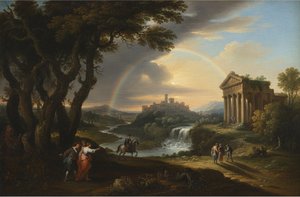
Tobie Et L'ange

Ręcznie malowana reprodukcja olejowa

Ręcznie malowany obraz olejny na płótnie, wykonany na zamówienie przez naszych artystów w wybranym przez Ciebie wymiarze i oprawie. ( Przełącz na wydania drukowane Przejdź do wersji cyfrowej)

Opis obiektu

Salvator Rosa’s ‘Tobie Et L'ange’ captures two angels amidst a dramatic landscape, showcasing the artist’s unique Baroque style and masterful storytelling. Explore this captivating painting now!

Biografia artysty

Salvator Rosa – włoski malarz barokowy znany z dramatycznych krajobrazów i scen batalistycznych. Jego twórczość inspirowana naturalizmem Ribery i klasycizmem Poussina, wywarła wpływ na rozwój sztuki i literaturę.

od ·

Rozdział 1

Jak duży powinien być ten format?

Przesuń suwak, aby zmienić rozmiar; obraz po lewej stronie przedstawia ramę w jej rzeczywistej szerokości. Zachowano proporcje oryginału.

Standardowy format
personalizowane
CM
INCH

Wybierz spośród naszych standardowych rozmiarów, które zachowują oryginalne proporcje dzieła sztuki.

szerokość
wysokość

Wpisz wymaganą szerokość i wysokość, aby obraz pasował do Twojej ramy lub ściany. Ponieważ jest to dzieło malowane ręcznie, w przypadku rozmiaru o innych proporcjach artysta może domalować nieco więcej wokół obrazu lub przyciąć jego fragmenty — wybór należy do Ciebie. Przed rozpoczęciem pracy prześlemy Ci cyfrową wizualizację do zatwierdzenia. Obraz widoczny na tej stronie nie przedstawia rzeczywistego efektu — jedynie wizualizacja oddaje realny rezultat.

Rozdział 2

W jaki sposób ma zostać dostarczone?

Wybierz krawędzie płótna naciągniętego na ramę

Wybierz ramę

Corner sample of the WhiteWrap canvas edge finish, stretched on lite drewno bars
Białe krawędzie zł1
Corner sample of the BlurSideWrap canvas edge finish, stretched on lite drewno bars
rozmyte krawędzie zł1
Corner sample of the ExtendedWrap canvas edge finish, stretched on lite drewno bars
Przedłużony zł1
Corner sample of the P118B picture frame: polistyren formowany, 5 cm wide and 3 cm thick
P118B zł10
Corner sample of the P118H picture frame: polistyren formowany, 5 cm wide and 3 cm thick
P118H zł10
Corner sample of the P118W picture frame: polistyren formowany, 5 cm wide and 3 cm thick
P118W zł10
Corner sample of the P438Z picture frame: polistyren formowany, 5.5 cm wide and 3.5 cm thick
P438Z zł10
Corner sample of the P508JH picture frame: polistyren formowany, 7 cm wide and 3.5 cm thick
P508JH zł12
Corner sample of the P508YH picture frame: polistyren formowany, 7 cm wide and 3.5 cm thick
P508YH zł12
Corner sample of the P805H picture frame: polistyren formowany, 5 cm wide and 3.5 cm thick
P805H zł10
Corner sample of the P805Z picture frame: polistyren formowany, 5 cm wide and 3.5 cm thick
P805Z zł10
Corner sample of the P919BZ picture frame: polistyren formowany, 7 cm wide and 3.5 cm thick
P919BZ zł10
Corner sample of the P919G picture frame: polistyren formowany, 7 cm wide and 3.5 cm thick
P919G zł10
Corner sample of the P919XJ picture frame: polistyren formowany, 7 cm wide and 3.5 cm thick
P919XJ zł10
Corner sample of the P959ZH picture frame: polistyren formowany, 5 cm wide and 3 cm thick
P959ZH zł10
Corner sample of the P968JZ picture frame: polistyren formowany, 6 cm wide and 4 cm thick
P968JZ zł12
Corner sample of the W106C picture frame: lite drewno, 5 cm wide and 3 cm thick
W106C zł8
Corner sample of the W218G picture frame: lite drewno, 5 cm wide and 3 cm thick
W218G zł10
Corner sample of the W218JH picture frame: lite drewno, 5 cm wide and 3 cm thick
W218JH zł8
Corner sample of the W218Y picture frame: lite drewno, 5 cm wide and 3 cm thick
W218Y zł10
Corner sample of the W307PJ picture frame: lite drewno, 6 cm wide and 3 cm thick
W307PJ zł10
Corner sample of the W316G picture frame: lite drewno, 6 cm wide and 3 cm thick
W316G zł10
Corner sample of the W316PJ picture frame: lite drewno, 6 cm wide and 3 cm thick
W316PJ zł8
Corner sample of the W316Y picture frame: lite drewno, 6 cm wide and 3 cm thick
W316Y zł10
Corner sample of the W398PJ picture frame: lite drewno, 5 cm wide and 3 cm thick
W398PJ zł8
Corner sample of the W4111J picture frame: lite drewno, 6.5 cm wide and 3.5 cm thick
W4111J zł10
Corner sample of the W500HY picture frame: lite drewno, 7 cm wide and 5 cm thick
W500HY zł15
Corner sample of the W500JH picture frame: lite drewno, 7 cm wide and 5 cm thick
W500JH zł15
Corner sample of the W692G picture frame: lite drewno, 8 cm wide and 4 cm thick
W692G zł12
Corner sample of the W849H picture frame: lite drewno, 5 cm wide and 3 cm thick
W849H zł8
Corner sample of the W940BG picture frame: lite drewno, 7.5 cm wide and 4.5 cm thick
W940BG zł15
Corner sample of the W953PJ picture frame: lite drewno, 6 cm wide and 3.5 cm thick
W953PJ zł8
Corner sample of the H24-GOLD picture frame: rzeźbione drewno pokryte gipsem, 10 cm wide and 6 cm thick
H24-GOLD zł30
Corner sample of the H24-SILVER picture frame: rzeźbione drewno pokryte gipsem, 10 cm wide and 6 cm thick
H24-SILVER zł30
Corner sample of the H36-GOLD picture frame: rzeźbione drewno pokryte gipsem, 15 cm wide and 6.5 cm thick
H36-GOLD zł45
Corner sample of the H36-SILVER picture frame: rzeźbione drewno pokryte gipsem, 15 cm wide and 6.5 cm thick
H36-SILVER zł45

Profil: . Wymiar całkowity w ramie: .

Rozdział 3

Kto go maluje i czy coś powinno ulec zmianie?

Przykłady możliwych zmian: Zastąpienie twarzy zdjęciem klienta; Dodanie zwierzęcia (np. zamiana kota na psa); Ukrycie wiadomości w tle; Zmiana krajobrazu lub elementów tła.
Po złożeniu zamówienia zespół OriginalUniqueArt.com skontaktuje się z klientem drogą mailową w celu uzyskania instrukcji i prześle podgląd projektu

Dostawa na całym świecie () w ciągu 3–4 tygodni zamiast standardowych 5 tygodni. (7 Listopad). Bez kompromisów w kwestii jakości.

Rozdział 4

Ostatnie szlify

Tabliczka informacyjna, jak w muzeum?

Szczegóły grawerowanej brązowej tabliczki

This elegant plaque features the artist's name and the title of the artwork, finely engraved for a timeless presentation.

It is made from bronze with a refined, elegant finish. The text is precisely laser-engraved for a sharp and permanent result. Measuring 9x2 cm, the plaque is compact yet easy to read. It's built to be durable and scratch-resistant, offering a professional, museum-quality look. Mounting is simple thanks to the included adhesive backing.

Szczegóły przezroczystej tabliczki akrylowej

The plaque includes essential engraved details such as the artist's name, the title of the artwork, the date it was created, the type of media used-like oil on canvas or watercolor-a brief description of the piece, and a QR code that links to the complete artwork information.

It is crafted from clear acrylic, offering a sleek, modern appearance. The text is UV-engraved in black to ensure strong visual contrast. With a size of 10x15 cm, it ensures optimal readability. It comes equipped with two metal hooks for secure wall mounting. The plaque is designed to be weather-resistant, making it suitable for various environments, and it includes interactive features that work seamlessly with smartphone scanning.

Szczegóły czarnej tabliczki akrylowej

This elegant plaque includes engraved information such as the artist's name, the title of the artwork, the date it was created, the type of media used (like oil on canvas or watercolor), a short description of the artwork, and a QR code for quick access to more information.

The plaque itself is made from refined black acrylic with a premium finish. The text is laser-engraved in white for high contrast and readability. Its size is 10x15 cm, designed to be easy to read. It comes with two metal hooks for professional mounting. The design is sleek and fits any interior style. It is also weather-resistant and durable, with built-in digital integration for mobile compatibility.

Werniks ochronny?

Kiedy potrzebujesz dostawy?

Rozdział 5

Twoje dzieło, dokładnie tak, jak zamówiłeś

Tobie Et L'ange

Technika reprodukcji

Wymiary reprodukcji

-

Wybitny mistrz artystyczny

Większa szczegółowość, finezja i dodatkowy czas na realizację

-

Opcje oprawy reprodukcji

-

-

W przypadku dzieł sztuki lub reprodukcji, których którykolwiek z boków przekracza 105 cm (około 41 cali), rama zostanie wysłana w formie zestawu do samodzielnego montażu. Metoda ta zapewnia bezpieczną dostawę i zapobiega uszkodzeniom podczas transportu.

Wymagany profesjonalny montaż – nie jest to produkt typu DIY.
Zestaw musi zostać złożony, a płótno naciągnięte przez doświadczonego profesjonalnego ramiarza, przy użyciu kleju do drewna (brak w zestawie), kleszczy do naciągania płótna oraz ścisków, które utrzymają krosna w równej pozycji podczas schnięcia kleju. Nieprawidłowy montaż lub nierównomierne napięcie płótna może trwale uszkodzić dzieło sztuki i nie podlega naszej gwarancji.

  • W zestawie znajdują się wszystkie listwy z litego drewna, precyzyjnie docięte do wymiarów.

  • Montaż odbywa się przy użyciu dołączonych wkrętów oraz kleju do drewna do łączenia narożników, którego zestaw nie zawiera i który musi zostać dostarczony przez ramiarza.

  • Wymagane są profesjonalne narzędzia, których nie ma w zestawie: kleszcze do naciągania płótna (napinacz) oraz zaciski, które pozwolą utrzymać listwy w równej pozycji podczas schnięcia kleju.

Ważne:
Do połączenia narożników niezbędny jest klej do drewna, listwy należy unieruchomić za pomocą ścisków do momentu całkowitego wyschnięcia kleju, a naciągnięcie płótna na złożoną ramę wymaga użycia kleszczy do naciągania płótna. Żaden z tych elementów nie jest dołączony do zestawu. Przed zamówieniem tego rozmiaru zalecamy konsultację z doświadczonym ramiarzem.

Etykieta obiektu

-

-

Lakier ochronny

Lakier z połyskiem (pogłębia kolory, chroni przed światłem i wilgocią)

-

Personalizacja dzieła

Przykłady możliwości personalizacji: zastąp twarz zdjęciem klienta; dodaj zwierzę domowe (np. zamień kota na psa); umieść ukrytą wiadomość w tle; zmień krajobraz lub elementy tła.

-

Ekspresowa

Dostawa na cały świat () w ciągu 3–4 tygodni zamiast standardowych 5 tygodni. (7 Listopad). Bez kompromisów w kwestii jakości.

-

Przesyłka ekspresowa

Dostawa na cały świat () w ciągu 5 tygodni. (14 Listopad).

W cenie

Cena całkowita

zł 1174

Suma całkowita zł 1174

Opcja ze szkłem jest dostępna wyłącznie w rozmiarach poniżej 110 cm

W każdym zamówieniu

  • Bezpłatna ekspresowa wysyłka na cały świat
  • Wysokiej jakości płótno lniane
  • Pełne ubezpieczenie przesyłki
  • Gwarancja zwrotu należności celnych i podatków importowych
  • Gwarancja wiernego odwzorowania kolorów
  • 100-dniowa polityka zwrotów (tylko w przypadku wad)
  • Gwarancja 100% zwrotu pieniędzy
  • Zniżka przy zakupie wielu sztuk

The Dramatic Embrace: Salvator Rosa’s “Tobie Et L'Ange”

Salvator Rosa’s “Tobie Et L'Ange,” a captivating Baroque masterpiece, isn’t merely a depiction of two celestial figures; it’s an invitation into a world brimming with allegory, emotion, and the untamed beauty of nature. Painted likely around 1670 in Rome, this work stands as a testament to Rosa’s unique artistic vision – a rejection of rigid academic conventions in favor of a deeply personal and often unsettling exploration of human experience within the grand scheme of the cosmos. The painting immediately draws the eye with its dynamic composition: two angels, rendered with a palpable sense of urgency and interaction, dominate the scene. One gently touches the head of the other, an intimate gesture that belies their divine status, while the central focus – a shimmering fish – becomes a potent symbol of both sustenance and potential danger. This isn’t a serene, idealized portrayal of heaven; it's imbued with a raw energy and a hint of unease, reflecting Rosa’s characteristic penchant for portraying the darker aspects of human nature alongside moments of grace.

A Baroque Tapestry: Style, Technique, and Influences

Rosa’s style is instantly recognizable as deeply rooted in the Baroque period, yet he forged his own distinctive path. He absorbed influences from artists like Ribera – particularly his masterful use of tenebrism (strong contrasts between light and dark) – and Poussin, evident in the careful rendering of classical forms and landscapes. However, unlike these contemporaries who often adhered to established rules, Rosa deliberately embraced a more expressive and emotionally charged approach. His brushwork is loose and gestural, conveying movement and immediacy. Notice how he uses thick impasto—layers of paint applied with considerable texture—to build up the figures and landscape, creating a sense of physicality and drama. The color palette leans towards rich earth tones – ochres, browns, and deep reds – punctuated by flashes of silver and gold, contributing to the painting’s overall intensity. Rosa's background in printmaking also profoundly shaped his artistic practice; he frequently employed techniques borrowed from engraving, such as hatching and cross-hatching, to create intricate details and textures within his paintings.

Mythic Resonance: Symbolism and Narrative

“Tobie Et L'Ange” is rich with symbolic meaning, drawing upon the biblical story of Tobias and the Angel. The fish itself represents divine providence and sustenance, a gift from God delivered through the angel’s intervention. The touch on the head signifies guidance and protection – a subtle reminder of the spiritual realm influencing earthly affairs. Beyond this immediate narrative, however, the painting operates on multiple levels. The turbulent landscape—a dramatic vista of cliffs, rocks, and swirling clouds—suggests the chaotic nature of human existence and the constant struggle between order and disorder. The presence of smaller figures in the foreground – a man on the left and another on the right – adds to this sense of complexity, hinting at other characters or elements within the larger story. Some art historians suggest that these figures represent the challenges and temptations faced by humanity, while the angels embody divine wisdom and compassion.

A Legacy of Romanticism: Rosa’s Enduring Influence

Salvator Rosa's work was hugely influential in shaping the development of Romanticism, a movement that prioritized emotion, individualism, and the sublime beauty of nature. His depictions of wild landscapes—often rendered with a sense of foreboding and danger—challenged the classical emphasis on idealized beauty and harmony. Rosa’s willingness to portray humanity within these untamed environments – often as vulnerable and insignificant in comparison to the power of nature – resonated deeply with Romantic artists like Caspar David Friedrich and J.M.W. Turner. His legacy lies not just in his technical skill, but also in his courageous rejection of convention and his profound engagement with the complexities of human experience. Today, reproductions of “Tobie Et L'Ange” continue to captivate viewers with their dramatic intensity and evocative symbolism, offering a glimpse into the visionary world of one of Baroque art’s most compelling figures.

Pytania i odpowiedzi

Gdzie najlepiej powiesić reprodukcję „Tobie Et L'ange” – Salvator Rosa?

Dzięki formatowi Portrait, reprodukcja dzieła „Tobie Et L'ange” idealnie sprawdzi się w Living Room.

Czy dostępny jest plik do pobrania w wysokiej rozdzielczości dla "Tobie Et L'ange"?

„Tobie Et L'ange” jest dostępny jako wysokiej rozdzielczości cyfrowe zdjęcie do pobrania; można go nabyć bezpośrednio na stronie Cyfrowy obraz.

Jakie wnętrze najlepiej współgra z kolorystyką „Tobie Et L'ange” – Salvator Rosa?

Biorąc pod uwagę jego Earthy kolorystykę, dzieło "Tobie Et L'ange" idealnie pasuje do Living Room.

Więcej o tym obrazie

Przełącz na wydania drukowane Przejdź do wersji cyfrowej Wyślij jako kartkę
Szczegóły dzieła Przewodnik Dodaj do ulubionych Pobierz obraz Podobne obiekty Pokaz slajdów Pytania i odpowiedzi Statystyki

W liczbach

  • 29dostępne ramy do wyboru
  • standardowe formaty, w ich własnych proporcjach
  • 5tygodni na namalowanie i dostarczenie dzieła
Salvator Rosa

Salvator Rosa

1615 - 1673, Włochy

Krótkie informacje o Salvator Rosa

  • Artistic Movement Or Style: Barok
  • Artists Or Movements Influenced By This Artist: ['Romanticizm']
  • Artists Who Influenced This Artist: ['José de Ribera']
  • Date Of Birth: June 20 lub lipca 21, 1615
  • Full Name: Salvator Rosa
  • Nationality: Włoski
  • Notable Artworks:
    • Widok Zatoki Salerno
    • Studium dla "Il Genio di Rosa"
    • Grota z wodospadem
  • Place Of Birth: Arenella, Sycylia

Biografia artysty

Salvator Rosa (1615 – 1673)

Salvator Rosa, an italian baroque painter, poet, and printmaker, was born in arenella, naples, on either june 20 or july 21, 1615. his mother, giulia greca rosa, was a member of one of the greek families of sicily. despite his father's wishes for him to become a lawyer or priest, salvator showed a preference for the arts from an early age.

early life and training

Salvator Rosa’s artistic career began in naples, where he received his formative training under the tutelage of Francesco Fracanzano and Aniello Falcone. This exposure to established artistic traditions instilled in him a deep understanding of classical techniques and paved the way for his distinctive style—a style that would soon differentiate him from his contemporaries. Rosa’s inclination towards art wasn't merely academic; it was fueled by an innate passion for observation and expression, qualities that would characterize his entire oeuvre.

artistic career

Rosa’s artistic output spanned across naples, rome, and florence, reflecting the dynamism of baroque culture and showcasing his versatility as a painter, poet, and printmaker. He rejected stylistic conventions prevalent at the time, prioritizing originality and emotional intensity above adherence to established norms. His landscapes—particularly those depicting “sublime” nature—became synonymous with the baroque aesthetic, anticipating the romantic movement’s fascination with untamed wilderness. Unlike the idealized vistas championed by Claude Lorrain, Rosa's canvases captured the raw power of storms, mountains, and desolate terrains, conveying a profound sense of awe and terror. Notable among his masterpieces are Pythagoras Emerging From The Underworld (kimbell art museum, fort worth, united states), which brilliantly blends philosophical contemplation with dramatic visual storytelling, and The Baptism Of The Eunuch (chrysler museum of art, norfolk, united states)—a poignant depiction of biblical narrative imbued with theatrical grandeur. Rosa’s prints further solidified his reputation as a master of engraving and demonstrated his ability to convey complex ideas through meticulously crafted images.

influences and legacy

Rosa's artistic vision was profoundly shaped by the naturalism of José de Ribera and the classicism of poussin, yet he resolutely resisted categorization within any single movement. He championed an uncompromising stance against stylistic constraints, prioritizing emotional truthfulness and intellectual depth. His work exerted considerable influence on subsequent generations of artists—particularly those embracing the romantic aesthetic—establishing him as a pivotal figure in baroque art history. Artists like Luca Giordano continued to explore innovative visual languages inspired by Rosa’s pioneering approach. Furthermore, Rosa's poetic output—characterized by satirical wit and rebellious fervor—reflected his broader engagement with intellectual currents of his time.

important links

kimbell art museum, chrysler museum of art (museum names)

Najważniejsze informacje

  • Subject or theme: Religious scene
  • Artist: Salvator Rosa
  • Movement: Baroque
  • Artistic style: Allegorical, dynamic
  • Influences:
    • Ribera
    • Poussin

Quiz o sztuce

Do każdego pytania dotyczy tylko jedna poprawna odpowiedź.

Pytanie 1:
What is the primary subject depicted in Salvator Rosa’s ‘Tobie Et L’ange’?
Pytanie 2:
Salvator Rosa was known for his artistic style that differed from many of his contemporaries. Which best describes this style?
Pytanie 3:
The painting ‘Tobie Et L’ange’ is considered a prime example of which artistic movement's influence?
Pytanie 4:
Based on the description, what is a key element that draws the viewer's attention within the painting?
Odkryj dzieła sztuki uporządkowane według tematów, stylów i cech charakterystycznych.