

 Zobacz w skali 1:1
 Wyślij
 Udostępnij
 Szczegóły
 Przewodnik

 Pobierz plik obrazu
 Podobne obiekty
 RTG
RTG Pokaz slajdów
 Statystyki
Soldiers Gambling


 Czytaj więcej
Giclée / Wydruk artystyczny
Wydruki giclée lub płótna o jakości muzealnej, szybka realizacja i szeroki wybór opcji wykończenia. ( Kup ręcznie malowany obraz Przełącz na wersję cyfrową)




P118B zł10

P118H zł10

P118W zł10

P438Z zł10

P508JH zł12

P508YH zł12

P805H zł10

P805Z zł10

P919BZ zł10

P919G zł10

P919XJ zł10

P959ZH zł10

P968JZ zł12

W106C zł8

W218G zł10

W218JH zł8

W218Y zł10

W307PJ zł10

W316G zł10

W316PJ zł8

W316Y zł10

W398PJ zł8

W4111J zł10

W500HY zł15

W500JH zł15

W692G zł12

W849H zł8

W940BG zł15

W953PJ zł8




Wybierz spośród naszych standardowych rozmiarów, które zachowują oryginalne proporcje dzieła sztuki.

Wpisz wymaganą szerokość i wysokość, aby dopasować grafikę do ramy lub ściany. Wydruk można jedynie przyciąć, nigdy nie powiększając go poza oryginalny obraz, dlatego format o innym proporcji spowoduje utratę części kompozycji. Przed rozpoczęciem druku prześlemy Ci cyfrowy podgląd do zatwierdzenia. Obraz wyświetlany na tej stronie nie pokazuje rzeczywistego przycięcia — jedynie podgląd oddaje ten efekt.
Dostawa na cały świat () w ciągu 2 tygodni zamiast standardowych 4/5 tygodni. (23 Październik)

Bezpłatna ekspresowa wysyłka na cały świat

Wysokiej jakości płótno lniane

Pełne ubezpieczenie transportowe

Gwarancja zwrotu należności celnych i podatków importowych

Gwarancja idealnego odwzorowania barw

100-dniowy okres na zwrot dzieła w przypadku wykrycia wad produkcyjnych

Gwarancja 100% zwrotu pieniędzy

Oferta przy zakupie wielu sztuk
 Opcja ze szkłem jest dostępna wyłącznie w rozmiarach poniżej 110 cm

Soldiers Gambling
Giclée / Wydruk artystyczny
Rozmiar reprodukcji
-


Suma do zapłaty
zł 308
A Shadowed Encounter in the Baroque Night
In the dim, flickering light of a secluded chamber, Salvator Rosa’s Soldiers Gambling unfolds as a masterclass in Baroque tension and atmospheric storytelling. The scene pulls the viewer into a clandestine world where the boundaries between camaraderie and conflict blur within the shadows. Four figures are anchored in this nocturnal setting, their forms emerging from the darkness with a dramatic intensity characteristic of the 17th-century Neapolitan school. One man kneels in focused concentration, while others stand vigil around him, creating a tight, intimate composition that feels both private and voyeuristic. The presence of a simple chair and a dining table, upon which rests a solitary book, suggests a momentary pause in the rigors of military life—a brief, intellectual, or perhaps even desperate diversion amidst the chaos of war.
The technique employed by Rosa is nothing short of evocative, utilizing chiaroscuro to sculpt the figures out of an enveloping gloom. The interplay of light and deep shadow does more than just define shape; it breathes life into the very air of the room, suggesting a heavy, musk-filled atmosphere where every movement feels weighted with significance. As a painter known for his rebellious spirit and unorthodox style, Rosa eschews the polished perfection of his contemporaries in favor of a rugged naturalism. The brushwork, though controlled, possesses an energy that mirrors the restless nature of the soldiers themselves, making the textures of cloth, wood, and skin feel palpably real to the observer.
Symbolism and the Human Condition
Beyond the immediate narrative of a card game, the painting serves as a profound meditation on the fleeting nature of pleasure and the unpredictability of fate. The act of gambling, set within such a somber environment, acts as a powerful metaphor for the precariousness of life during the Baroque era. Each card turned and each wager placed carries the weight of destiny, mirroring the soldiers' own lives which could be altered by a single moment of fortune or misfortune. The inclusion of the book on the table introduces a fascinating layer of symbolism; it hints at the duality of the soldier’s existence—the tension between the raw, instinctual drive for survival and the lingering presence of civilization and intellect.
For the discerning collector or interior designer, this piece offers an unparalleled emotional depth. It is not merely a depiction of a historical moment, but an invitation to contemplate the shadows within the human psyche. The painting’s dark palette and dramatic composition make it a commanding centerpiece for a sophisticated study, a library, or a formal lounge, where its moody elegance can anchor the room's aesthetic. Owning a high-quality reproduction of this masterpiece allows one to bring the haunting beauty and historical gravity of Salvator Rosa’s vision into a modern space, providing a window into an era defined by passion, peril, and the enduring search for light amidst the dark.
Pytania i odpowiedzi
Czy dzieło "Soldiers Gambling" jest wolne od praw autorskich?
Status praw autorskich dla „Soldiers Gambling” autorstwa Salvator Rosa: dzieło znajduje się w stanowi domenę publiczną – autorskie prawa majątkowe wygasły. Określa to, czy reprodukcje obrazu mogą być sporządzane swobodnie.
Z jakich materiałów wykonano "Soldiers Gambling" i w jakim stylu?
"Soldiers Gambling" powstało przy użyciu Oil, w stylu Baroque Painting.
Do jakiego stylu należy "Soldiers Gambling"?
Nurt związany z „Soldiers Gambling” autorstwa Salvator Rosa to Baroque Painting. Ta klasyfikacja sytuuje dzieło wśród pokrewnych artystów i dzieł sztuki.
Biografia artysty
Salvator Rosa (1615 – 1673)
Salvator Rosa, an italian baroque painter, poet, and printmaker, was born in arenella, naples, on either june 20 or july 21, 1615. his mother, giulia greca rosa, was a member of one of the greek families of sicily. despite his father's wishes for him to become a lawyer or priest, salvator showed a preference for the arts from an early age.early life and training
Salvator Rosa’s artistic career began in naples, where he received his formative training under the tutelage of Francesco Fracanzano and Aniello Falcone. This exposure to established artistic traditions instilled in him a deep understanding of classical techniques and paved the way for his distinctive style—a style that would soon differentiate him from his contemporaries. Rosa’s inclination towards art wasn't merely academic; it was fueled by an innate passion for observation and expression, qualities that would characterize his entire oeuvre.artistic career
Rosa’s artistic output spanned across naples, rome, and florence, reflecting the dynamism of baroque culture and showcasing his versatility as a painter, poet, and printmaker. He rejected stylistic conventions prevalent at the time, prioritizing originality and emotional intensity above adherence to established norms. His landscapes—particularly those depicting “sublime” nature—became synonymous with the baroque aesthetic, anticipating the romantic movement’s fascination with untamed wilderness. Unlike the idealized vistas championed by Claude Lorrain, Rosa's canvases captured the raw power of storms, mountains, and desolate terrains, conveying a profound sense of awe and terror. Notable among his masterpieces are Pythagoras Emerging From The Underworld (kimbell art museum, fort worth, united states), which brilliantly blends philosophical contemplation with dramatic visual storytelling, and The Baptism Of The Eunuch (chrysler museum of art, norfolk, united states)—a poignant depiction of biblical narrative imbued with theatrical grandeur. Rosa’s prints further solidified his reputation as a master of engraving and demonstrated his ability to convey complex ideas through meticulously crafted images.influences and legacy
Rosa's artistic vision was profoundly shaped by the naturalism of José de Ribera and the classicism of poussin, yet he resolutely resisted categorization within any single movement. He championed an uncompromising stance against stylistic constraints, prioritizing emotional truthfulness and intellectual depth. His work exerted considerable influence on subsequent generations of artists—particularly those embracing the romantic aesthetic—establishing him as a pivotal figure in baroque art history. Artists like Luca Giordano continued to explore innovative visual languages inspired by Rosa’s pioneering approach. Furthermore, Rosa's poetic output—characterized by satirical wit and rebellious fervor—reflected his broader engagement with intellectual currents of his time.important links

Salvator Rosa
1615 - 1673 , Włochy
Najważniejsze informacje
- Artistic Movement Or Style: Barok
- Artists Or Movements Influenced By This Artist: ['Romanticizm']
- Artists Who Influenced This Artist: ['José de Ribera']
- Date Of Birth: June 20 lub lipca 21, 1615
- Full Name: Salvator Rosa
- Nationality: Włoski
- Notable Artworks:
- Widok Zatoki Salerno
- Studium dla "Il Genio di Rosa"
- Grota z wodospadem
- Place Of Birth: Arenella, Sycylia
Zobacz także powiązane artykuły

Dramatyczny Rozkwit Baroku: Dziedzictwo Sztuki Kontrreformacji i Mistrzowie Chiaroscuro
Odkryj dramatyczny świat baroku! Poznaj historię sztuki kontrreformacji, mistrzów chiaroscuro i weneckich arcydzieł. Reprodukcje najwyższej jakości na OriginalUniqueArt.com.

Barokowy Dramat we Wnętrzach: Sztuka Przepychu i Elegancji w Twoim Domu
Odkryj świat barokowego przepychu! Porady ekspertów jak wprowadzić elegancję i dramat do Twojego wnętrza. Inspiracje, charakterystyka stylu i praktyczne wskazówki.

Barokowe arcydzieła: 10 obrazów, które zdefiniowały epokę | OriginalUniqueArt.com
Odkryj 10 arcydzieł baroku! Caravaggio, Rembrandt, Rubens i inni artyści, którzy zdefiniowali epokę. Poznaj historie, techniki i inspiracje tych niezwykłych obrazów. Reprodukcje najwyższej jakości na OriginalUniqueArt.com – idealne do Twojego wnętrza!

Salvator Rosa: A Baroque Rebel's Vision of Landscape, Allegory & the Human Condition
Explore the captivating world of Salvator Rosa, a rebellious Baroque master. Discover his dramatic landscapes, allegorical paintings & lasting influence on Romanticism. Hand-painted reproductions available at OriginalUniqueArt.
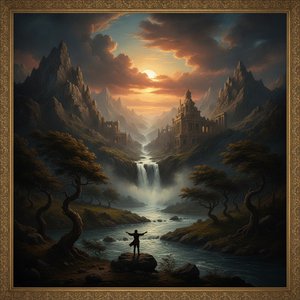
Epic Drama & Dark Vibes: The Ultimate Collector's Guide to Baroque Landscapes
Master the art of drama with our ultimate guide to Baroque landscapes. Discover the power of chiaroscuro, explore legendary masters, and learn how to curate epic, dark-vibe masterpieces for your collection with expert insights from OriginalUniqueArt.


