

 Zobacz w skali 1:1
 Wyślij
 Udostępnij
 Szczegóły
 Przewodnik

 Pobierz plik obrazu
 Podobne obiekty
 RTG
RTG Pokaz slajdów
 Statystyki
Ceres and Phytalus


 Czytaj więcej
Giclée / Wydruk artystyczny
Wydruki giclée lub płótna o jakości muzealnej, szybka realizacja i szeroki wybór opcji wykończenia. ( Kup ręcznie malowany obraz Przełącz na wersję cyfrową)




P118B zł10

P118H zł10

P118W zł10

P438Z zł10

P508JH zł12

P508YH zł12

P805H zł10

P805Z zł10

P919BZ zł10

P919G zł10

P919XJ zł10

P959ZH zł10

P968JZ zł12

W106C zł8

W218G zł10

W218JH zł8

W218Y zł10

W307PJ zł10

W316G zł10

W316PJ zł8

W316Y zł10

W398PJ zł8

W4111J zł10

W500HY zł15

W500JH zł15

W692G zł12

W849H zł8

W940BG zł15

W953PJ zł8




Wybierz spośród naszych standardowych rozmiarów, które zachowują oryginalne proporcje dzieła sztuki.

Możesz wprowadzić własne wymiary, aby dopasować dzieło do konkretnej ramy lub przestrzeni. Jeśli wybrany rozmiar nie będzie odpowiadał proporcjom oryginalnego obrazu, przytniecie dzieło lub rozszerzymy obraz za pomocą odbicia lustrzanego lub jednolitego wypełnienia krawędzi. Przed rozpoczęciem produkcji prześlemy cyfrową wizualizację do Twojej akceptacji.
Prosimy pamiętać, że podgląd na ekranie nie odzwierciedla faktycznego przycinania ani rozszerzania. Tylko wizualizacja dokładnie pokaże końcową kompozycję.
Mimo dostępności niestandardowych rozmiarów, zalecamy wybór wymiaru z listy zdefiniowanej, aby zachować oryginalne proporcje.
Dostawa na cały świat () w ciągu 2 tygodni zamiast standardowych 4/5 tygodni. (13 Październik)

Bezpłatna ekspresowa wysyłka na cały świat

Wysokiej jakości płótno lniane

Pełne ubezpieczenie transportowe

Gwarancja zwrotu należności celnych i podatków importowych

Gwarancja idealnego odwzorowania barw

100-dniowy okres na zwrot dzieła w przypadku wykrycia wad produkcyjnych

Gwarancja 100% zwrotu pieniędzy

Oferta przy zakupie wielu sztuk
 Opcja ze szkłem jest dostępna wyłącznie w rozmiarach poniżej 110 cm

Ceres and Phytalus
Giclée / Wydruk artystyczny
Rozmiar reprodukcji
-


Suma do zapłaty
zł 298
A Mythological Encounter in Shadow and Line
In the evocative depths of Salvator Rosa’s 1662 masterpiece, Ceres and Phytalus, we are transported into a realm where the boundaries between the divine and the mortal dissolve. This exquisite etching captures a pivotal moment of mythological encounter, rendered through the masterful use of monochromatic linework. The scene centers upon Ceres, the Roman goddess of agriculture and fertility, and the mortal Phytalus, whose kneeling posture radiates a profound sense of reverence and supplication. Through the delicate interplay of light and shadow, Rosa invites the viewer into a dense, primordial forest where every etched line breathes life into the surrounding foliage. The composition is not merely a depiction of a story, but an immersive experience of texture and atmosphere, where the organic curves of the human forms emerge from a rugged, untamed landscape.
The technical brilliance of this work lies in Rosa’s command over the medium of printmaking. Utilizing the intricate techniques of hatching and cross-hatching, the artist achieves a remarkable range of tonal variations that simulate depth and dimension without the need for color. These dense networks of lines create areas of profound darkness within the thickets, contrasting sharply with the lighter, more delicate strokes that define the figures' skin and the soft highlights on the leaves. This method lends the piece a tactile quality; one can almost feel the rough bark of the ancient trees and the dampness of the forest floor. The lack of a singular, piercing light source creates a diffused, ethereal glow, contributing to the dreamlike, somewhat ambiguous perspective that characterizes the Baroque fascination with the mysterious and the sublime.
The Baroque Spirit and Symbolic Resonance
As a prominent figure of the Italian Baroque, Salvator Rosa was renowned for his refusal to conform to the rigid classical standards of his era. In Ceres and Phytalus, we see his signature blend of naturalism and dramatic tension. The subject matter—a goddess descending to interact with humanity—carries heavy symbolic weight, touching upon themes of abundance, the cycle of life, and the sacred connection between the earth and its inhabitants. For the discerning collector or interior designer, this piece offers more than just visual beauty; it provides a window into the philosophical inquiries of the 17th century. The tension held in Phytalus’s bowed head and the commanding yet nurturing presence of Ceres creates an emotional resonance that lingers long after the first glance.
Integrating a high-quality reproduction of such a work into a contemporary space allows for a sophisticated dialogue between historical depth and modern elegance. Whether placed in a study filled with leather-bound books or as a focal point in a minimalist gallery-style living room, the monochromatic intensity of Rosa’s vision commands attention. It serves as an intellectual anchor, sparking conversation about mythology, the artistry of the etching needle, and the enduring power of the Baroque aesthetic. To possess such a work is to hold a fragment of history, capturing the very essence of a period defined by its passion, its shadows, and its profound reverence for the natural world.
Pytania i odpowiedzi
Czy mogę przyjrzeć się bliżej dziełu "Ceres and Phytalus"?
Strona Prześwietlenie dzieła „Ceres and Phytalus” autorstwa Salvator Rosa to interaktywny podgląd, który pozwala na przesuwanie jedenastu warstw optycznych obrazu, w tym widok w stylu rentgenowskim.
Czy dzieło „Ceres and Phytalus” autorstwa Salvator Rosa znajduje się w kraju pochodzenia artysty?
Nie – dzieło znajduje się za granicą. Salvator Rosa urodził(a) się w Włochy, a oryginał dzieła „Ceres and Phytalus” znajduje się w muzeum w Stany Zjednoczone.
Kiedy powstało dzieło "Ceres and Phytalus" i do jakiego nurtu należy?
Dzieło "Ceres and Phytalus" powstało w 1662 roku, w ramach nurtu Baroque.
Do czego sugerowane jest wykorzystanie „Ceres and Phytalus” autorstwa Salvator Rosa?
Sugerowanym zastosowaniem dla „Ceres and Phytalus” autorstwa Salvator Rosa jest Accent. Może on jednak służyć również do innych celów.
Jakie kolory dominują w „Ceres and Phytalus” autorstwa Salvator Rosa?
„Ceres and Phytalus” autorstwa Salvator Rosa wykorzystuje paletę w odcieniach Monochrome, w której dominuje kolor Putty (#c7c7c3).
Czy dostępna jest możliwość pobrania obrazu "Ceres and Phytalus"?
„Ceres and Phytalus” autorstwa Salvator Rosa można pobrać ze strony Pobierz dzieła jako wysokiej rozdzielczości cyfrowe zdjęcie do pobrania.
Jaki poziom kontrastu prezentuje „Ceres and Phytalus” autorstwa Salvator Rosa?
„Ceres and Phytalus” autorstwa Salvator Rosa prezentuje Serene kontrast między jasnymi a ciemnymi partiami dzieła.
Czy „Ceres and Phytalus” autorstwa Salvator Rosa znajduje się w domenie publicznej?
Jeśli chodzi o prawa autorskie, "Ceres and Phytalus" znajduje się w stanowi domenę publiczną – autorskie prawa majątkowe wygasły.
Biografia artysty
Salvator Rosa (1615 – 1673)
Salvator Rosa, an italian baroque painter, poet, and printmaker, was born in arenella, naples, on either june 20 or july 21, 1615. his mother, giulia greca rosa, was a member of one of the greek families of sicily. despite his father's wishes for him to become a lawyer or priest, salvator showed a preference for the arts from an early age.early life and training
Salvator Rosa’s artistic career began in naples, where he received his formative training under the tutelage of Francesco Fracanzano and Aniello Falcone. This exposure to established artistic traditions instilled in him a deep understanding of classical techniques and paved the way for his distinctive style—a style that would soon differentiate him from his contemporaries. Rosa’s inclination towards art wasn't merely academic; it was fueled by an innate passion for observation and expression, qualities that would characterize his entire oeuvre.artistic career
Rosa’s artistic output spanned across naples, rome, and florence, reflecting the dynamism of baroque culture and showcasing his versatility as a painter, poet, and printmaker. He rejected stylistic conventions prevalent at the time, prioritizing originality and emotional intensity above adherence to established norms. His landscapes—particularly those depicting “sublime” nature—became synonymous with the baroque aesthetic, anticipating the romantic movement’s fascination with untamed wilderness. Unlike the idealized vistas championed by Claude Lorrain, Rosa's canvases captured the raw power of storms, mountains, and desolate terrains, conveying a profound sense of awe and terror. Notable among his masterpieces are Pythagoras Emerging From The Underworld (kimbell art museum, fort worth, united states), which brilliantly blends philosophical contemplation with dramatic visual storytelling, and The Baptism Of The Eunuch (chrysler museum of art, norfolk, united states)—a poignant depiction of biblical narrative imbued with theatrical grandeur. Rosa’s prints further solidified his reputation as a master of engraving and demonstrated his ability to convey complex ideas through meticulously crafted images.influences and legacy
Rosa's artistic vision was profoundly shaped by the naturalism of José de Ribera and the classicism of poussin, yet he resolutely resisted categorization within any single movement. He championed an uncompromising stance against stylistic constraints, prioritizing emotional truthfulness and intellectual depth. His work exerted considerable influence on subsequent generations of artists—particularly those embracing the romantic aesthetic—establishing him as a pivotal figure in baroque art history. Artists like Luca Giordano continued to explore innovative visual languages inspired by Rosa’s pioneering approach. Furthermore, Rosa's poetic output—characterized by satirical wit and rebellious fervor—reflected his broader engagement with intellectual currents of his time.important links

Salvator Rosa
1615 - 1673 , Włochy
Najważniejsze informacje
- Artistic Movement Or Style: Barok
- Artists Or Movements Influenced By This Artist: ['Romanticizm']
- Artists Who Influenced This Artist: ['José de Ribera']
- Date Of Birth: June 20 lub lipca 21, 1615
- Full Name: Salvator Rosa
- Nationality: Włoski
- Notable Artworks:
- Widok Zatoki Salerno
- Studium dla "Il Genio di Rosa"
- Grota z wodospadem
- Place Of Birth: Arenella, Sycylia
Zobacz także powiązane artykuły
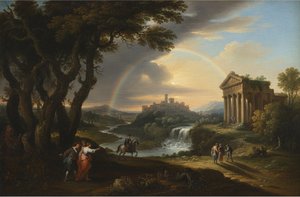
Shadow, Light, and Spectacle: The Dramatic Evolution of Baroque Landscape Painting
Explore the breathtaking drama of Baroque landscapes. Our expert guide delves into the interplay of light and shadow in 17th-century masterpieces. Discover art history and find museum-quality, hand-painted oil reproductions to bring classical grandeur to your home.

Drama in Nature: The Captivating Grandeur of Baroque Landscapes and the Art of Emotional Spectacle
Explore the breathtaking drama of Baroque landscapes. From Rubens's grand vistas to the mastery of chiaroscuro, discover how 17th-century artists transformed nature into a theatrical stage of emotion and light. A deep dive for true art enthusiasts.
10 Legendarnych Rycin, Które Zrewolucjonizowały Sztukę | OriginalUniqueArt
Odkryj 10 legendarnych rycin Rembrandta, Dürera i Goi! Poznaj historię mistrzów grafiki, ich techniki i wpływ na sztukę. Reprodukcje najwyższej jakości – idealne do Twojego wnętrza. OriginalUniqueArt.com

Baroque Classicism: The Grandeur of Order and Drama in 17th-Century Art History
Explore the profound elegance of Baroque Classicism. Discover how 17th-century masters synthesized dramatic emotion with classical order through the lens of the Counter-Reformation and the works of legends like Carlo Maratta and Andrea Sacchi.

Salvator Rosa: A Baroque Rebel's Vision of Landscape, Allegory & the Human Condition
Explore the captivating world of Salvator Rosa, a rebellious Baroque master. Discover his dramatic landscapes, allegorical paintings & lasting influence on Romanticism. Hand-painted reproductions available at OriginalUniqueArt.


