

 Podgląd w skali
 Wyślij jako kartkę
 Udostępnij
 Szczegóły dzieła

 Pobierz
 Podobne obiekty
 RTG
RTG Pokaz slajdów
 Statystyki
Hermes, 1981


 Rozwiń treść
Kup wysokiej rozdzielczości, ulepszony obraz cyfrowy o znacznie wyższej jakości niż podgląd online.
Każdy plik jest starannie przygotowywany przez naszych specjalistów przy użyciu zaawansowanych narzędzi oraz profesjonalnej, ręcznej retuszy. Dbamy o to, aby każdy obraz cechował się wyjątkową ostrością, precyzyjnym odwzorowaniem kolorów i subtelnymi detalami.
Ostateczny plik dostarczany jest drogą mailową w ciągu 72 godzin, zoptymalizowany do natychmiastowego wykorzystania w profesjonalnych zastosowaniach redakcyjnych i poligraficznych. To ta sama jakość, której ufają czołowe studia projektowe, wydawnictwa oraz galerie sztuki.
Obraz cyfrowy
Pobierz plik o wysokiej rozdzielczości do osobistego wyświetlania, druku oraz projektów kreatywnych. ( Przełącz na wydruki Zamów ręcznie malowaną reprodukcję)
W każdym zamówieniu na obraz cyfrowy znajduje się
Profesjonalna dostawa cyfrowa z gwarancją
Wybierając OriginalUniqueArt.com, nie otrzymujesz jedynie obrazu – otrzymujesz profesjonalnie udoskonalone cyfrowe dzieło sztuki, stworzone z najwyższą precyzją i objęte gwarancją satysfakcji. Oto wszystko, co automatycznie dołączane jest do Twojego zamówienia:

Błyskawiczna wysyłka e-mailowa
Plik z obrazem cyfrowym w wysokiej rozdzielczości zostanie przesłany na Twój adres e-mail w ciągu 72 godzin od złożenia zamówienia – gotowy do natychmiastowego użycia.

Plik cyfrowy wzbogacony przez AI
Twoja grafika została profesjonalnie zoptymalizowana przy użyciu zaawansowanych narzędzi AI oraz ręcznej edycji, co zapewnia maksymalną szczegółowość, klarowność i wierność kolorów.

Dożywotnia darmowa ponowna dostawa
Przypadkowo usunąłeś lub zgubiłeś swój plik? Bez obaw – prześlemy go Tobie ponownie w dowolnym momencie, bez żadnych opłat.

Bez opłat importowych – zawsze
Ciesz się swoją sztuką natychmiast, bez żadnych opłat celnych, należności ani kosztów dostawy – pliki cyfrowe są zawsze wolne od podatku.

Gwarancja wierności kolorów
Dzięki zastosowaniu profesjonalnych narzędzi i procesów zarządzania barwą zapewniamy, że Twoje cyfrowe zdjęcie odzwierciedla oryginalne kolory tak wiernie, jak to tylko możliwe.

100-dniowa gwarancja satysfakcji
Jeśli nie będziesz zadowolony ze swojego cyfrowego obrazu, poprawimy go lub zwrócimy 100% kosztów w ciągu 100 dni – bez zbędnych pytań.

100% Gwarancja zwrotu pieniędzy
Nie jesteś zadowolony? Otrzymaj pełny zwrot kosztów w ciągu 100 dni od otrzymania pliku cyfrowego – bez zbędnych pytań.

Rabaty przy zamówieniach hurtowych
Kup 3 obrazy, oszczędź 10% - Kup 5, oszczędź 15% - Kup 10+, oszczędź 20%. Idealne do projektów kreatywnych, galerii i agencji.
Hermes, 1981: A Surreal Echo of Mythic Flight
Salvador Dalí’s “Hermes,” painted in 1981, stands as a testament to the artist's unwavering commitment to exploring the subconscious realm through meticulously crafted imagery. This striking piece embodies Dali’s signature Naïve Art (Primitivism) style alongside Surrealist principles, resulting in an artwork that transcends mere representation and delves into profound symbolic layers.
- Subject Matter: The painting depicts a woman adorned with wings—a direct allusion to the Greek god Hermes—holding a baby figure. This juxtaposition immediately establishes a narrative rooted in mythology and evokes themes of protection, regeneration, and divine influence.
- Style & Technique: Dali’s masterful technique utilizes a deliberately simplified visual language characteristic of Naïve Art, prioritizing expressive color palettes and bold contours over realistic detail. The ethereal quality of the winged figure is achieved through translucent washes of pigment, creating an otherworldly luminescence that captures the spirit of Hermes' legendary flight.
- Historical Context: Created during Dali’s prolific “Classic Period” (1941-1989), “Hermes” reflects the artist’s ongoing fascination with Freudian psychoanalysis and his desire to translate dreamlike visions into tangible artistic forms. It aligns perfectly with Surrealism's broader ambition to liberate art from rational constraints and tap into the hidden depths of human consciousness.
The symbolism embedded within “Hermes” is rich and multifaceted. Hermes, representing swiftness, communication, and divine messengership, embodies qualities crucial to safeguarding the infant—a symbol of vulnerability and potential renewal. The woman’s upward gaze symbolizes aspiration and connection with a higher power, mirroring Hermes' role as intermediary between gods and mortals.
Furthermore, Dali’s deliberate use of color contributes significantly to the artwork’s emotional impact. Vibrant hues dominate the composition—particularly blues and yellows—creating an atmosphere that is both serene and charged with energy. These colors amplify the dreamlike quality of the scene, inviting viewers into a contemplative exploration of mythic narratives and subconscious desires.
- Emotional Resonance: “Hermes” evokes feelings of wonder, tranquility, and contemplation. Its surreal depiction of Hermes—a figure revered for his grace and intelligence—promotes introspection on themes of divinity, protection, and the transformative power of imagination.
- Decorative Potential: The artwork’s bold contours and luminous color palette lend themselves beautifully to interior design projects, particularly those seeking a touch of ethereal elegance and artistic sophistication. Reproductions offer an exceptional opportunity to bring Dali's visionary aesthetic into contemporary spaces.
Ultimately, “Hermes,” 1981 is more than just a painting; it’s a portal into Dalí’s inner world—a captivating exploration of mythic symbolism rendered with unparalleled artistic skill.
Biografia artysty
Początki i Formowanie Wizji: Salvador Dalí w Figueres i Madrycie
Salvador Domingo Felipe Jacinto Dalí i Domènech, nazwisko nieodłącznie związane z surrealizmem, przyszedł na świat 11 maja 1904 roku w słonecznym miasteczku Figueres w Katalonii. Jego życie od samego początku zdawało się być niezwykłe – starannie wykreowaną performancją, eksploracją podświadomości wyrażoną poprzez zaskakujące obrazy i mistrzowską technikę. Wczesny cień straty naznaczył jego dzieciństwo; starszy brat, również Salvador, zmarł na niespełna dziewięć miesięcy przed narodzinami artysty – trauma, która głęboko wpłynęła na jego twórczość, wprowadzając motywy dualizmu i zastępowania. To przeżycie, w połączeniu ze skomplikowaną relacją z surowym ojcem oraz czułą opieką matki, ukształtowało osobowość zarówno ekstrawagancką, jak i głęboko introspekcyjną. Od najmłodszych lat Dalí wykazywał wyjątkowy talent artystyczny, który rozwijał dzięki formalnemu szkoleniu w Królewskiej Akademii Sztuki Pięknej w Madrycie. Jednak to przełomowe zetknięcie z malarstwem nowoczesnym – szczególnie dziełami impresjonistów i mistrzów renesansu – rozpaliło w nim gorącą chęć zerwania z tradycją i wytyczenia własnej, unikalnej ścieżki.
Paryski Rozkwit i Narodziny Surrealistycznej Wizji
Podróż do Paryża w 1926 roku okazała się przełomowa, zanurzając Dalíego w sercu awangardowego ruchu. Zafascynował go buntowniczy duch dadaizmu, jego odrzucenie logiki i akceptacja absurdu rezonowały z jego własnymi artystycznymi aspiracjami. Co ważniejsze, to właśnie w Paryżu Dalí w pełni objął surrealizm, nawiązując kontakty z kluczowymi postaciami takimi jak André Breton, Pablo Picasso – którego Dalí głęboko podziwiał – i Joan Miró. To spotkanie nie było jedynie przyjęciem stylu; Dalí zrewolucjonizował sam ruch. Opracował to, co nazwał „metodą paranoiczno-krytyczną”, stan samoindukowanej paranoi mający na celu odblokowanie ukrytych obrazów podświadomości. Ta technika pozwoliła mu przetłumaczyć sny, lęki i głęboko osobiste symbole na płótno z zadziwiającą klarownością i precyzją. Rezultatem był świat zamieszkały przez topniejące zegary, wydłużone cienie, zdeformowane figury i dziwne zestawienia – znaki rozpoznawcze jego natychmiastowo rozpoznawalnego stylu. Trwałość Pamięci, ukończona w 1931 roku, pozostaje być może jego najbardziej ikonicznym dziełem, uosabiając surrealistyczną eksplorację płynności czasu, kruchości pamięci i nieuchronności rozpadu.
Poza Płótnem: Płodny i Wielowymiarowy Artysta
Twórczość Dalíego wykraczała daleko poza malarstwo. Był niezwykle płodnym artystą, sięgającym po rzeźbę, film – zwłaszcza współpracę z Alfredem Hitchcockiem w Zawrotnica i Waltem Disneym – grafikę, projektowanie biżuterii, a nawet scenografię teatralną. Jego fascynacje nie ograniczały się do tradycyjnych mediów artystycznych; badał granice sztuki komercyjnej, projektując reklamy i witryny sklepowe. W jego pracach przewijały się powtarzające się motywy: mrówki symbolizujące rozpad, jaja reprezentujące życie prenatalne i nadzieję, kule wspierające kruchość, szuflady sugerujące ukryte sekrety oraz topniejące przedmioty uosabiające niestabilność rzeczywistości. Symbole te nie były przypadkowe; były głęboko osobiste, zakorzenione w jego własnych lękach, pragnieniach i wspomnieniach. Dzieła takie jak Grób Julii, poruszająca eksploracja straty, Manekin (Manekin z Barcelony), odzwierciedlający obsesję na punkcie sztuczności i tożsamości, oraz Krajobraz z Muchami, niepokojący obraz śmiertelności, demonstrują szerokość i głębię jego tematycznych zainteresowań. Jego precyzyjna technika, wypracowana przez lata praktyki, pozwoliła mu oddać te fantastyczne wizje z fotograficznym realizmem, jeszcze bardziej wzmacniając ich niepokojący efekt.
Ekscentryzm, Dziedzictwo i Trwały Wpływ
Przez całe życie Dalí kultywował wizerunek tak ekstrawagancki i ekscentryczny jak jego sztuka. Promował siebie samego, rozumiejąc siłę spektaklu w przyciąganiu uwagi publicznej. Jego małżeństwo z Galą Éluard w 1934 roku było przełomowe, nie tylko osobiście, ale także artystycznie; Gala stała się jego muzą, menedżerką biznesu i niezachwianym wsparciem. Choć późniejsze lata naznaczone były rosnącymi przedsięwzięciami komercyjnymi i czasami kontrowersyjnym popieraniem reżimu Franco, jego artystyczne dziedzictwo pozostaje ogromne. Zmarł 23 stycznia 1989 roku, pozostawiając po sobie bogaty dorobek, który nadal wyzywa, prowokuje i inspiruje. Muzeum Salvadora Dalíego w St. Petersburgu na Florydzie jest świadectwem jego trwałej popularności, mieszcząc obszerną kolekcję pozwalającą zwiedzającym zanurzyć się w świat tego niezwykłego artysty. Dalí przekroczył granice sztuki, stając się ikoną kulturową, której wpływ widoczny jest w modzie, filmie, reklamie i kulturze popularnej. Pozostaje jednym z najbardziej rozpoznawalnych i wpływowych artystów XX wieku – prawdziwym wizjonerem, który odważył się zbadać głębię podświadomości i przetłumaczyć jej tajemnice na płótno dla całego świata.
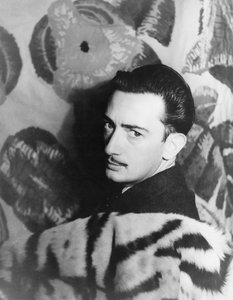
Salvador Dalí
1904 - 1989 , Hiszpania
Krótka nota
- Artyści, Którzy Wpłynęli Na Artystę:
- Kubizm
- Dada
- Pablo Picasso
- Data Urodzenia: 11 maja 1904
- Data Śmierci: 23 stycznia 1989
- Miejsce Urodzenia (Miasto, Kraj): Figueres, Hiszpania
- Narodowość: Hiszpańska
- Pełne Imię I Nazwisko: Salvador Domingo Felipe Jacinto Dalí
- Ruch Artystyczny/Styl: Surrealizm
- Ruchy/Artyści Zainspirowani Przez Artystę:
- Pop-art
- Współcześni artyści
- Znane Dzieła:
- Trwałość pamięci
- Grobowiec Julii
- Manekin