

 Zobacz w skali 1:1
 Wyślij
 Udostępnij
 Szczegóły
 Przewodnik

 Pobierz plik obrazu
 Podobne obiekty
 RTG
RTG Pokaz slajdów
 Statystyki
Ruton Robot


 Czytaj więcej
Dzieło sztuki prezentowane na tej stronie podlega ochronie prawem autorskim, co oznacza, że nie mamy prawa do tworzenia ani sprzedaży jego identycznej reprodukcji. Ochrona ta jest egzekwowana na mocy umów międzynarodowych, takich jak Konwencja berneńska oraz przez przepisy prawa krajowego, w tym te określone w Prawo autorskie USA – Tytuł 17.
Jako pełną szacunku i legalną alternatywę oferujemy personalizowane, malowane ręcznie dzieła sztuki inspirowane oryginałem. Nasi wykwalifikowani i profesjonalni artyści starannie analizują styl, nastrój oraz artystyczną esencję pierwowzoru, aby stworzyć nowe, unikalne dzieło, które przywołuje te same emocje – pozostając jednocześnie w pełni oryginalną kreacją.
Metoda ta jest w pełni zgodna z przepisami prawa autorskiego, ponieważ nie polega na kopiowaniu ani powielaniu chronionego dzieła. Stanowi ona kreatywną reinterpretację – nowy obraz, który czerpie inspirację z oryginału, ale nie jest z nim tożsamy.
Ręcznie malowana reprodukcja olejowa
Ręcznie malowany obraz olejny na płótnie, wykonany na zamówienie przez naszych artystów w wybranym przez Ciebie wymiarze i oprawie. ( Przełącz na wersję drukowaną Przełącz na wersję cyfrową)




































Wybierz spośród naszych standardowych rozmiarów, które zachowują oryginalne proporcje dzieła sztuki.

Wpisz wymaganą szerokość i wysokość, aby obraz pasował do Twojej ramy lub ściany. Ponieważ jest to dzieło malowane ręcznie, w przypadku rozmiaru o innym proporcji artysta może domalować nieco więcej wokół obrazu lub przyciąć fragmenty — wybór należy do Ciebie. Przed rozpoczęciem pracy prześlemy Ci cyfrową wizualizację do zatwierdzenia. Obraz widoczny na tej stronie nie przedstawia rzeczywistego efektu — jedynie wizualizacja oddaje realny rezultat.
Po złożeniu zamówienia zespół OriginalUniqueArt.com skontaktuje się z klientem drogą mailową w celu uzyskania instrukcji i prześle wizualizację projektu
Dostawa na całym świecie () w ciągu 3–4 tygodni zamiast standardowych 5 tygodni. (22 Październik). Bez kompromisów w kwestii jakości.

Bezpłatna ekspresowa wysyłka na cały świat

Wysokiej jakości płótno lniane

Pełne ubezpieczenie transportowe

Gwarancja zwrotu należności celnych i podatków importowych

Gwarancja idealnego odwzorowania barw

100-dniowy okres na zwrot dzieła w przypadku wykrycia wad produkcyjnych

Gwarancja 100% zwrotu pieniędzy

Oferta przy zakupie wielu sztuk
 Opcja ze szkłem jest dostępna wyłącznie w rozmiarach poniżej 110 cm

Ruton Robot
Technika wykonania
Rozmiar reprodukcji
-


Suma do zapłaty
zł 1139
Biografia artysty
The Dawn of Robotic Art: Ruton Robot’s Pioneering Lamp
Ruton Robot, a name synonymous with the nascent field of robotic art, emerged from Finland in 1960, crafting an instantly recognizable and profoundly influential piece – his iconic lamp. More than just a lighting fixture, the Ruton Robot represents a pivotal moment in automation history, demonstrating early experimentation with self-operating mechanisms and sparking imaginations about the potential of machines as artistic creators. Born in Finland, (though precise birth details remain elusive), Robot’s journey began not with grand ambitions but with a simple desire to explore the possibilities of combining mechanics and aesthetics. The lamp itself is a testament to this exploration: a chrome-plated automaton that slowly rotates its head and arm, mimicking a human gesture – a subtle dance of movement designed to captivate and intrigue. The use of plastic as the primary material was remarkably innovative for the time, offering both affordability and a lightweight construction suitable for intricate mechanical systems.A Finnish Roots in Mechanical Ingenuity
Robot’s early life appears largely undocumented, shrouded in the quiet simplicity of rural Finland. However, anecdotal evidence suggests a deep-seated fascination with mechanics and engineering from a young age. His work wasn't driven by commercial aspirations initially; rather, it stemmed from a genuine curiosity about how things worked and a desire to bring those workings to life. This inherent mechanical aptitude, combined with a burgeoning interest in design, laid the foundation for his unique artistic vision. The Finnish landscape itself – characterized by its vast forests, intricate waterways, and a tradition of craftsmanship – undoubtedly influenced his aesthetic sensibilities, fostering an appreciation for both natural forms and precise construction. The post-war era in Finland was one of rebuilding and innovation, and Robot’s work can be seen as reflecting this spirit of progress and experimentation.Influences and Early Development
While often considered a singular creation, the Ruton Robot wasn't born in isolation. Robot’s work drew inspiration from several sources. The burgeoning field of automation, fueled by advancements in transistor technology and early computer science, provided a technological backdrop for his explorations. Furthermore, he was influenced by the mid-century modern design movement, characterized by its emphasis on functionality, simplicity, and geometric forms – qualities that are clearly evident in the lamp’s sleek lines and polished chrome finish. The work of early industrial designers like Dieter Rams also subtly informed Robot's approach to integrating mechanical components with an aesthetically pleasing form. Crucially, Robot was experimenting with a then-novel technique of using miniature motors and gears to create controlled movement – a process that required considerable skill and patience.The Lamp’s Enduring Legacy
Despite its relatively modest production run (only a handful of lamps were ever created), the Ruton Robot quickly gained recognition as a landmark achievement in robotic art. Its unique blend of mechanical ingenuity, sculptural form, and subtle animation captivated critics and collectors alike. The lamp became an icon of the 1960s, representing the optimistic vision of a future where machines could augment human creativity. It’s often cited as one of the earliest examples of “kinetic sculpture,” predating many later developments in robotic art by decades. Today, the Ruton Robot is housed in the OriginalUniqueArt collection and remains a celebrated example of early automation and a testament to Robot's pioneering spirit. Its influence can be seen in subsequent generations of robotic artists who have built upon his foundational work.A Continuing Mystery
Ruton Robot’s life after the creation of the lamp remains somewhat enigmatic. He largely retreated from public attention, dedicating himself to further mechanical experimentation and design projects, though details about these endeavors are scarce. He continued to live in Finland until his death, a quiet figure who left behind a remarkable legacy. The Ruton Robot stands as a powerful reminder that art can be found not just in traditional mediums but also in the intricate workings of machines – a testament to the enduring power of human curiosity and innovation.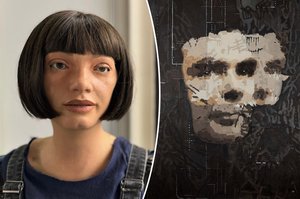
Ruton Robot
1960 - , Finland
Najważniejsze informacje
- Full Name: Ruton Robot
- Nationality: Finnish
- Date Of Birth: 1960
- Place Of Birth: Finland
- Notable Artworks: ['Ruton Robot']
- Artistic Movement Or Style: Robotic art, Automaton
Zobacz także powiązane artykuły

Angelo Chiacchio: A Mid-Century American Illustration Master & the Rise of Commercial Art
Explore the captivating world of Angelo Chiacchio, a master of mid-century American illustration. Discover his evolution, signature style, and lasting impact on commercial art & design. Learn about his legacy at the Museum of American Illustration.
Top 10 Arcydzieł w Odcieniach Chromowej Żółci – Inspiracje do Wnętrz od OriginalUniqueArt
Odkryj 10 arcydzieł sztuki, w których króluje chromowa żółć! Van Gogh, Monet, Renoir i inni mistrzowie. Inspiracje wnętrzarskie i reprodukcje obrazów najwyższej jakości na OriginalUniqueArt.com. Eksploruj pełną kolekcję online!

The Retro Remix: Decoding the Power of Historical Illustration in Modern Visual Identity
Discover how historical illustration fuels today's boldest design trends. From Victorian drama to mid-century cool, explore the 'Retro Remix' shaping modern visual impact. Elevate your space with high-impact, hand-painted art from OriginalUniqueArt.com—where history meets pop culture.
Czarne arcydzieła: 10 słynnych obrazów w odcieniach lamp black | OriginalUniqueArt.pl
Odkryj 10 arcydzieł malarstwa zdominowanych przez odcienie lamp black. Poznaj historie Rembrandta, Caravaggia i innych mistrzów. Reprodukcje obrazów najwyższej jakości na OriginalUniqueArt.com – inspiracje dla Twojego wnętrza! Eksploruj kolekcję online.
Top 10 Sławnych Obrazów w Odcieniach Chromowej Zieleni – Sztuka i Dekoracja Domu
Odkryj 10 najsłynniejszych obrazów w odcieniach chromowej zieleni! Van Gogh, Monet, Renoir i inni mistrzowie. Poznaj historię sztuki, techniki malarskie i inspiracje kolorystyczne. Reprodukcje najwyższej jakości na OriginalUniqueArt.com – idealne do Twojego wnętrza.