

 Podgląd w skali 1:1
 Wyślij jako kartkę
 Udostępnij
 Szczegóły dzieła
 Przewodnik

 Pobierz obraz
 Podobne obiekty
 RTG
RTG Pokaz slajdów
 Q&A
Q&A Statystyki
Who comes?
 Oil
Oil- WallArt
 1908
1908- 19th Century
 542.0 x 810.0 cm
 National Gallery of Australia
 Rozwiń treść
Giclée / Wydruk artystyczny
Wydruki giclée lub płótna o jakości muzealnej, szybka realizacja i szeroki wybór opcji wykończenia. ( Zamów ręcznie malowaną reprodukcję Przejdź do wersji cyfrowej)




P118B zł10

P118H zł10

P118W zł10

P438Z zł10

P508JH zł12

P508YH zł12

P805H zł10

P805Z zł10

P919BZ zł10

P919G zł10

P919XJ zł10

P959ZH zł10

P968JZ zł12

W106C zł8

W218G zł10

W218JH zł8

W218Y zł10

W307PJ zł10

W316G zł10

W316PJ zł8

W316Y zł10

W398PJ zł8

W4111J zł10

W500HY zł15

W500JH zł15

W692G zł12

W849H zł8

W940BG zł15

W953PJ zł8




Wybierz spośród naszych standardowych rozmiarów, które zachowują oryginalne proporcje dzieła sztuki.

Wpisz wymaganą szerokość i wysokość, aby dopasować grafikę do ramy lub ściany. Wydruk można jedynie przyciąć, nigdy nie powiększając go poza oryginalny obraz, dlatego format o innych proporcjach spowoduje utratę części kompozycji. Przed rozpoczęciem druku prześlemy Ci cyfrowy podgląd do zatwierdzenia. Obraz wyświetlany na tej stronie nie pokazuje rzeczywistego przycięcia — jedynie podgląd oddaje ten efekt.
Dostawa na cały świat () w ciągu 2 tygodni zamiast standardowych 4/5 tygodni. (29 Październik)

Bezpłatna ekspresowa wysyłka na cały świat

Wysokiej jakości płótno lniane

Pełne ubezpieczenie przesyłki

Gwarancja zwrotu należności celnych i podatków importowych

Gwarancja wiernego odwzorowania kolorów

100-dniowa polityka zwrotów (tylko w przypadku wad)

Gwarancja 100% zwrotu pieniędzy

Zniżka przy zakupie wielu sztuk
 Opcja ze szkłem jest dostępna wyłącznie w rozmiarach poniżej 110 cm

Who comes?
Giclée / Wydruk artystyczny
Wymiary reprodukcji
-


Cena całkowita
zł 308
Pytania i odpowiedzi
Czy Rupert Charles Wulsten Bunny, twórca "Who comes?", jest znany pod innymi nazwiskami?
Inne znane nazwiska Rupert Charles Wulsten Bunny, twórcy "Who comes?", to Bunny.
Gdzie mogę zobaczyć podgląd dzieła "Who comes?"?
Strona Podgląd w pomieszczeniu dzieła „Who comes?” pozwala na podgląd obrazu przed złożeniem zamówienia.
Czy dzieło "Who comes?" posiada podgląd w rozszerzonej rzeczywistości?
Dzieło „Who comes?” – Rupert Charles Wulsten Bunny możesz zobaczyć na własnej ścianie dzięki stronie Podgląd w AR, wykorzystując rozszerzoną rzeczywistość na kompatybilnym urządzeniu.
Biografia artysty
Wczesne lata i edukacja
Rupert Charles Wulsten Bunny, australijski malarz, przyszedł na świat w 1864 roku w St Kilda, w stanie Victoria. Swoje artystyczne korzenie zapuścił poprzez tradycyjne i akademickie wykształcenie, kształcąc się pod okiem mistrzów, takich jak Calderon i Laurens. To solidne fundamenty przygotowały go do niezwykle sukcesywnej kariery emigranta-artysty w sercu paryskiego fin de siècle.Osiągnięcia i wyróżnienia
Artystyczny kunszt Bunny'ego został dostrzeżony już na wczesnym etapie jego drogi, czego dowodem było wyróżnienie na Salonie Paryskim w 1890 roku za obraz Tritony. Swoją reputację jeszcze bardziej ugruntował, zdobywając brązowy medal podczas Wystawy Światowej w Paryżu w 1900 roku za dzieło Pogrzeb św. Katarzyny Aleksandryjskiej. Skala jego talentu sprawiła, że państwo francuskie nabyło aż 13 jego prac, w tym te, które obecnie zdobią zbiory Musée du Luxembourg oraz innych kolekcji regionalnych.Styl artystyczny i tematyka
Krytycy sztuki opisywali Bunny'ego jako „przepych, kolorystę i wspaniale erudycyjnego malarza tematów idealnych”. Jego twórczość często przenosi widza w świat grup kobiecych postaci, które odpoczywają, śnią lub oddają się codziennym czynnościom przy rozległych taflach wody, prezentując unikalne połączenie symbolizmu z estetyzmem.- Najważniejsze dzieła:
- Endormies (National Gallery of Victoria, Melbourne, Australia)
- Sea Idyll (National Gallery of Victoria, Melbourne, Australia)
- Pastoral (National Gallery of Australia, Canberra, Australia)
Dziedzictwo i obecność w sieci
Współcześnie dzieła Bunny'ego można odnaleźć w licznych muzeach oraz na platformach internetowych. Osoby pragnące zgłębić jego bogatą twórczość mogą odwiedzić [https://OriginalUniqueArt.com/@/rupert-charles-wulsten-bunny](https://OriginalUniqueArt.com/@/rupert-charles-wulsten-bunny), gdzie znajduje się obszerna kolekcja jego obrazów, w tym m.in. Endormies, Sea Idyll oraz Pastoral. Prace te są również dostępne do zakupu jako reprodukcje muzejskiej jakości poprzez /en/art/show/art-8xyffg-en/Podsumowanie
Rupert Charles Wulsten Bunny, australijski malarz ze St Kilda w Victorii, pozostawił niezatarty ślad w świecie sztuki dzięki swojemu bogatemu i erudycyjnemu stylowi. Jego dziedzictwo nieustannie inspiruje kolejne pokolenia poprzez dzieła, które dziś są łatwo dostępne za pośrednictwem [https://OriginalUniqueArt.com](https://OriginalUniqueArt.com).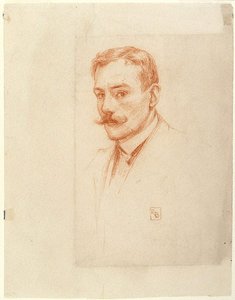
Rupert Charles Wulsten Bunny
1864 - 1947 , Australia
Powiązane artykuły
Top 10 Elegancji w Sztuce: Obrazy Pełne Gracji i Klasy | OriginalUniqueArt.com
Odkryj 10 arcydzieł sztuki, które uosabiają elegancję i klasę! Poznaj historie znanych artystów, impresjonizmu i secesji. Znajdź inspiracje do wnętrz z OriginalUniqueArt.com – reprodukcje najwyższej jakości.
Urok Elegancji: Przemiany Artystycznych Reprezentacji Wzniosłości na Przestrzeni Epok
Odkryj fascynującą historię sztuki rokoko – od barokowej monumentalności po XVIII-wieczną elegancję i zmysłowość. Analiza tematów, symboliki i wpływu na architekturę oraz współczesne inspiracje. Ekskluzywne reprodukcje w OriginalUniqueArt.
Sir Joshua Reynolds: 25 Arcydzieł Pełnych Elegancji i Historii | OriginalUniqueArt.com
Odkryj 25 arcydzieł Sir Joshua Reynoldsa – mistrza angielskiego rokoko i neoklasycyzmu. Poznaj historie portretów, techniki malarskie i inspiracje wnętrzarskie. Reprodukcje najwyższej jakości na OriginalUniqueArt.com! Eksploruj pełną kolekcję online.

Urok Elegancji w Sztuce: Historyczna i Estetyczna Eksploracja Wyrafinowanego Piękna
Odkryj historię elegancji w sztuce – od klasycznych arcydzieł po współczesne interpretacje. Eksploracja technik malarskich, wpływ jazzu i inspirujące kolekcje QAGOMA. Znajdź idealny obraz dla Twojego wnętrza!

Urok Elegancji w Sztuce: Historyczna i Estetyczna Eksploracja Wzniosłości i Gracji
Odkryj historię elegancji w sztuce – od rokoka po neoklasycyzm. Analiza dzieł Sir Joshua Reynoldsa i wpływu estetyki XVIII wieku na współczesne wnętrza. Ekskluzywne reprodukcje obrazów na OriginalUniqueArt.com.

