Contemporary Realism · 2013
Untitled (Rudolf Stingel, 2013)
Rudolf Stingel (1956) stworzył Untitled. Dzieło pochodzi z 2013. Należy do nurtu Contemporary Realism. Wykonano w technice Oil On Canvas. Przechowywane jest w Pałac Grassi w Wenecja, Włochy. Wymiary to 243 × 168 cm.
- 2013
- Oil On Canvas
- 243 × 168 cm
- Pałac Grassi, Wenecja

 Podgląd w skali 1:1

 Ręcznie malowany obraz olejny
 Wyślij jako kartkę
 Udostępnij
 Karta informacyjna


 Pobierz obraz
 Podobne obiekty
 RTG
 Pokaz slajdów
 Pytania i odpowiedzi

 Statystyki
Untitled w skrócie
- Tytuł
- Untitled
- Artysta
- Rudolf Stingel (1956)
- Miejsce urodzenia artysty
- Meran, Włochy
- Data powstania
- 2013
- Technika wykonania
- Oil On Canvas
- Wymiary
- 243 × 168 cm
- Gdzie można je zobaczyć
- Pałac Grassi, Wenecja, Włochy
- Epoka
- Contemporary
- Temat
- skeleton, lion, sculpture, texture, venice, painting
Co przedstawia Untitled?
A Symphony of Texture and Light
In the realm of contemporary abstraction, few works command the viewer's attention with such visceral intensity as Rudolf Stingel’s "Untitled". Created in 2013, this masterpiece is far more than a mere arrangement of pigment on a surface; it is a profound meditation on the very nature of perception. At first glance, the work presents a shimmering, ethereal landscape that seems to shift and breathe as one moves around it. The interplay of light and shadow across its complex topography invites a deep, contemplative engagement, pulling the observer into a dialogue between what is seen and what is felt. For the discerning collector or interior designer, this piece offers a sophisticated focal point that transcends mere decoration, acting instead as a window into the transformative power of industrial materials turned into high art.
The brilliance of Stingel’s technique lies in his radical departure from traditional canvas preparation. Eschewing the standard flatness of classical painting, he utilizes styrofoam—a humble, industrial substance—as his primary medium. Through a meticulous process of carving and sculpting, Stingel creates recessed geometric forms and substantial textural ridges that give the work a sculptural presence. He then applies thick layers of oil paint in a technique known as impasto, building up valleys and peaks that catch the light at varying angles. The final, breathtaking touch is the application of silver pigment via spray, which coats the raised surfaces in a metallic sheen. This creates a luminous, reflective quality that mimics the way moonlight hits water or how frost clings to a windowpane, imbuing the work with an almost supernatural radiance.
The Alchemy of the Everyday
Stingel’s artistic journey is defined by a bold ambition: the desire to "make painting obsolete." By repurposing commonplace materials like foam and silver spray, he challenges our preconceived notions of what constitutes beauty and value in fine art. This piece serves as a cornerstone of his conceptual philosophy, where the boundary between the manufactured and the handmade becomes beautifully blurred. There is a profound symbolism in this transformation; it suggests that within the most mundane elements of our modern existence, there lies the potential for sublime aesthetic experience. The geometric precision of the carved forms provides a structured, rhythmic foundation, while the unpredictable way light refracts off the silvered ridges introduces an element of organic chaos.
For those looking to integrate such a powerful work into a curated space, "Untitled" offers unparalleled versatility. Its monochromatic elegance and metallic luster allow it to harmonize with both minimalist modern interiors and more opulent, classical settings. The artwork does not merely occupy space; it actively alters the atmosphere of a room, casting subtle reflections and demanding a moment of stillness from all who encounter it. Owning a high-quality reproduction of this work means bringing home a piece of contemporary history—a fragment of the dialogue currently unfolding at prestigious institutions like Palazzo Grassi in Venice. It is an investment in emotion, texture, and the eternal mystery of the visual field.
W którym muzeum znajduje się Untitled?
Pałac Grassi
Wenecja, Włochy
Wenecjajskie arcydzieło w nowym wydaniu: Dusza Palazzo Grassi W samym sercu Wenecji, gdzie Canal Grande szepcze tajemnice dawno minionego morskiego imperium, wznosi się Palazzo Grassi — budowla będąca zapierającym dech w piersiach mostem między klasyczną elegancją osiemnastego wieku a prowokującym pulsem ery współczesnej. Przekroczenie jego progu to wejście w przestrzeń, w której historia nie tylko zamieszkuje przeszłość, ale aktywnie prowadzi dialog z teraźniejszością. Pierwotnie zaprojektowany przez architekta Giorgio Massariego dla arystokratycznej rodziny Grassi, palazzo miał stanowić wyrafinowaną manifestację neoklasycystycznego przepychu.


Zdjęcia w wysokiej rozdzielczości dzieła Untitled

Chronione prawem autorskim: pliki te służą wyłącznie do osobistego wglądu i nie stanowią licencji na ich powielanie.
Rudolf Stingel, Untitled (2013), Pałac Grassi.
Odpowiedzi na pytania dotyczące Untitled
Gdzie można obecnie zobaczyć dzieło „Untitled” – Rudolf Stingel?
Oryginał dzieła „Untitled” – Rudolf Stingel znajduje się w Pałac Grassi, Wenecja, Włochy. Reprodukcja pozwala na eksponowanie pracy w domu.
W którym roku powstało dzieło "Untitled"?
Powstanie „Untitled” – Rudolf Stingel datuje się na 2013.
W jakiej technice wykonano „Untitled” – Rudolf Stingel?
„Untitled” wykonano w technice Oil On Canvas.
Jakie są rzeczywiste wymiary dzieła „Untitled” – Rudolf Stingel?
Oryginalny utwór „Untitled” – Rudolf Stingel ma wymiary 168 x 243 cm.
Co przedstawia „Untitled” – Rudolf Stingel?
Tematyka obecna w „Untitled” – Rudolf Stingel obejmuje skeleton, lion, sculpture, texture, venice, painting, monochrome. Razem stanowią one podsumowanie tematyki dzieła.
Czy obraz „Untitled” – Rudolf Stingel można swobodnie reprodukować?
„Untitled” – Rudolf Stingel znajduje się w domenie publicznej (nadal objęte ochroną prawa autorskiego). Status ten określa zasady reprodukcji obrazu tego dzieła.
Kto stworzył "Untitled"?
Autorstwo dzieła "Untitled" przypisuje się Rudolf Stingel.
Do jakiego nurtu należy "Untitled"?
„Untitled” – Rudolf Stingel należy do nurtu Contemporary Realism. Nurt ten stanowi stylistyczny kontekst dzieła.
Do którego okresu twórczości Rudolf Stingel należy dzieło "Untitled"?
„Untitled” pochodzi z okresu Mature Period w twórczości Rudolf Stingel. Klasyfikacja ta wiąże dzieło z rozwojem artysty.
O artyście: Rudolf Stingel
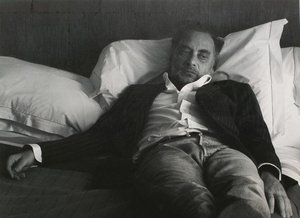
1956, Włochy
Rudolf Stingel
Rudolf Stingel: Biografia Miejsce urodzenia: Merano, Włochy (1956) Miejsce zamieszkania: Nowy Jork Narodowość: Włoska Wczesne lata i artystyczny rozwój Rudolf Stingel wyłonił się jako niezwykle istotna postać na scenie artystycznej późnych lat 80. Początkowo rozpoznawalny dzięki swoim monochromatycznym płótnom, tworzył dzieła – głównie w latach 1987–1994 – charakteryzujące się srebrzystymi powierzchniami z subtelnymi podtonami czerwieni, żółci lub błękitu. Ten wczesny okres ugruntował zainteresowanie Stingela badaniem relacji między powierzchnią a percepcją. Jego artystyczna droga nabrała przełomowego tempa w latach 90., kiedy zaczął eksperymentować z bardziej żywymi kolorami i bogatszymi teksturami.
Eseje o Untitled
 Defining Art Now: Top 10 Masterpieces of '08-Contemporary & Beyond | OriginalUniqueArtExplore 10 defining masterpieces of contemporary art – from Jeff Koons to Yayoi Kusama. Discover the stories behind iconic paintings & scul…
 Beyond the Canvas: A Definitive Guide to Understanding the Intellectual Legacy of Conceptual ArtMaster the complexities of Conceptual Art with this expert guide for art students. Explore the dematerialization of the object, the legacy …
 Color & Emotion: The Top 25 Masterpieces by Mark RothkoImmerse yourself in the profound emotion of Mark Rothko's greatest works. Explore 25 iconic Abstract Expressionist masterpieces, from color…