Zamów ręcznie malowaną reprodukcję
 Rozwiń treść







































 W przypadku dzieł sztuki lub reprodukcji, których którykolwiek z boków przekracza 105 cm (około 41 cali), rama zostanie wysłana w formie zestawu do samodzielnego montażu. Metoda ta zapewnia bezpieczną dostawę i zapobiega uszkodzeniom podczas transportu.


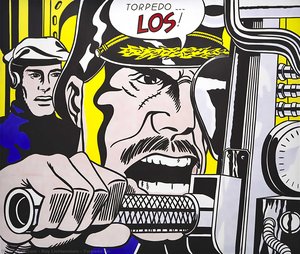
A Burst of Urban Energy: Decoding Roy Lichtenstein’s ‘Spray’
‘Spray,’ created in 1962 by American Pop Art icon Roy Lichtenstein, is a dynamic and visually arresting work that encapsulates the spirit of rebellion and burgeoning youth culture of the era. Measuring an impressive 91 x 172 cm, this piece isn’t merely a depiction of graffiti; it's a commentary on its cultural significance and a bold statement within the evolving landscape of art itself.Pop Art & The Reimagining of Everyday Imagery
Lichtenstein firmly established himself as a leading figure in the Pop Art movement, alongside artists like Andy Warhol and James Rosenquist. Pop Art challenged traditional fine art by incorporating imagery from popular culture – advertising, comic books, and, in this case, street art – elevating these everyday elements to the status of high art. ‘Spray’ is a quintessential example of this approach. The artwork's aesthetic directly echoes Lichtenstein’s signature style: bold outlines, flat planes of color, and the deliberate absence of subtle shading or painterly texture. This technique deliberately mimics the mechanical reproduction processes prevalent in commercial printing, further blurring the lines between “high” and “low” culture.Deconstructing The Composition
The composition is strikingly simple yet powerfully effective. A hand, rendered with graphic precision, operates a spray can, unleashing a stream of paint against a vibrant yellow background. Geometric shapes dominate – circles for the can, rectangles for the hand, and linear forms defining the spray itself. This flattening of perspective, characteristic of Lichtenstein’s work, removes any sense of realistic depth, focusing instead on the impact of the image as a two-dimensional graphic statement. The stark lighting emphasizes the action, drawing the viewer's eye to the central act of creation – or perhaps, disruption.Symbolism & Cultural Context
‘Spray’ emerged during a period of significant social and cultural change. The early 1960s witnessed the rise of youth subcultures, increasing urbanization, and growing dissent against societal norms. Graffiti, often seen as an act of rebellion or self-expression in public spaces, became symbolic of this countercultural movement. Lichtenstein doesn’t simply depict graffiti; he comments on it. The artwork can be interpreted as a celebration of urban expression, a critique of consumerism (the spray paint itself being a manufactured product), or even a commentary on the changing definition of art and authorship.Technique & Materials
While appearing to mimic industrial printing techniques, ‘Spray’ was likely created using methods such as screenprinting or hand-painting with meticulous attention to detail. The clean lines and lack of visible brushstrokes contribute to its polished, almost mechanical aesthetic. This deliberate choice reinforces the Pop Art ethos of embracing mass production and challenging traditional artistic conventions.Emotional Impact & Interior Design
‘Spray’ evokes a sense of energy, dynamism, and playful rebellion. Its bold colors and graphic style make it a captivating focal point for any space. For interior designers, this artwork offers versatility – its Pop Art aesthetic complements modern and contemporary settings equally well. It can inject a vibrant splash of color into minimalist spaces or add an edgy touch to more traditional interiors. Collectors will appreciate ‘Spray’ not only as a visually striking piece but also as a significant work by one of the 20th century's most influential artists, representing a pivotal moment in art history.Lichtenstein’s Legacy
Roy Lichtenstein (1923-1997) left an indelible mark on the art world. His innovative use of comic book imagery and industrial techniques revolutionized artistic expression, challenging established norms and paving the way for future generations of artists. ‘Spray’ stands as a testament to his enduring legacy – a bold, iconic work that continues to resonate with audiences today.Pytania i odpowiedzi
Czy Spray jest dziełem namalowanym ręcznie, czy wydrukiem?
Malowane ręcznie: wykwalifikowany artysta wykonuje olejną kopię Spray na płótnie lnianym.
Jaki rozmiar wybrać dla Spray?
Wymiary oryginału to 91 x 172 cm. Dostępne rozmiary obejmują zakres od 22.9 x 43.7 cm (zł788) do 128.3 x 244.9 cm (zł4785); tabela na tej stronie przedstawia główne warianty oraz ich ceny.
Ile trwa dostawa?
Czas dostawy wynosi od 4 do 5 tygodni, przy czym oferujemy bezpłatną ekspresową wysyłkę na cały świat; na tej stronie dostępna jest również opcja pilnej produkcji. Możesz dokonać zwrotu w ciągu 100 dni z pełnym zwrotem kosztów, bez żadnych dodatkowych warunków.
Jakiej techniki użył/a Roy Lichtenstein w pracy Spray?
Oil On Canvas
 Podgląd w skali 1:1

 Wyślij jako kartkę
 Udostępnij
 Szczegóły dzieła
 Przewodnik


 Pobierz obraz
 Podobne obiekty
 RTG
 Pokaz slajdów
 Pytania i odpowiedzi

 Statystyki