
 Zobacz w skali 1:1
 Wyślij
 Udostępnij
 Szczegóły
 Przewodnik

 Pobierz plik obrazu
 Podobne obiekty
 RTG
RTG Pokaz slajdów
 Statystyki
Dziewczyna Tonąca
 Olej na płótnie
- Sztuka ścienna
- Pop Art
 1963
1963- Modernizm
 172.0 x 172.0 cm
 Czytaj więcej
Kup wysokiej rozdzielczości, ulepszony obraz cyfrowy o jakości znacznie przewyższającej podgląd online.
Każdy plik jest starannie przygotowywany przez naszych specjalistów przy użyciu zaawansowanych narzędzi oraz profesjonalnej, ręcznej retuszy. Dbamy o to, aby każdy obraz cechował się wyjątkową ostrością, precyzyjnym odwzorowaniem kolorów i subtelnymi detalami.
Ostateczny plik dostarczany jest drogą mailową w ciągu 72 godzin, zoptymalizowany do natychmiastowego wykorzystania w profesjonalnych zastosowaniach redakcyjnych i poligraficznych. To ta sama jakość, której ufają czołowe studia projektowe, wydawnictwa oraz galerie sztuki.
Obraz cyfrowy
Pobierz plik o wysokiej rozdzielczości do osobistego użytku, druku oraz projektów kreatywnych. ( Przełącz na wersję drukowaną Kup ręcznie malowany obraz)
W każdym zamówieniu na obraz cyfrowy znajduje się
Profesjonalna dostawa cyfrowa z gwarancją
Wybierając OriginalUniqueArt.com, nie otrzymujesz jedynie obrazu – otrzymujesz profesjonalnie udoskonalone cyfrowe dzieło sztuki, stworzone z najwyższą precyzją i objęte gwarancją satysfakcji. Oto wszystko, co automatycznie dołączane jest do Twojego zamówienia:

Błyskawiczna dostawa e-mailowa
Plik z obrazem cyfrowym w wysokiej rozdzielczości zostanie przesłany na Twój adres e-mail w ciągu 72 godzin od złożenia zamówienia – gotowy do natychmiastowego użycia.

Plik cyfrowy ulepszony przez AI
Twoja grafika została profesjonalnie zoptymalizowana przy użyciu zaawansowanych narzędzi AI oraz ręcznej edycji, co zapewnia maksymalną szczegółowość, klarowność i wierność kolorów.

Bezpłatna dożywotnia ponowna dostawa
Przypadkowo usunąłeś lub zgubiłeś swój plik? Bez obaw – prześlemy go Tobie ponownie w dowolnym momencie, bez żadnych opłat.

Bez opłat importowych – zawsze
Ciesz się swoją sztuką natychmiast, bez żadnych opłat celnych, należności ani kosztów dostawy – pliki cyfrowe są zawsze wolne od podatku.

Gwarancja odwzorowania kolorów
Dzięki zastosowaniu profesjonalnych narzędzi i procesów zarządzania barwą zapewniamy, że Twoje cyfrowe zdjęcie odzwierciedla oryginalne kolory tak wiernie, jak to tylko możliwe.

100 dni na satysfakcję
Jeśli nie będziesz zadowolony ze swojego cyfrowego obrazu, poprawimy go lub zwrócimy 100% kosztów w ciągu 100 dni – bez zbędnych pytań.

100% Gwarancja zwrotu pieniędzy
Nie jesteś zadowolony? Otrzymaj pełny zwrot kosztów w ciągu 100 dni od otrzymania pliku cyfrowego – bez zbędnych pytań.

Rabaty przy zamówieniach hurtowych
Kup 3 obrazy, oszczędź 10% - Kup 5, oszczędź 15% - Kup 10+, oszczędź 20%. Idealne do projektów kreatywnych, galerii i agencji.
Arcydzieło Melodramatu
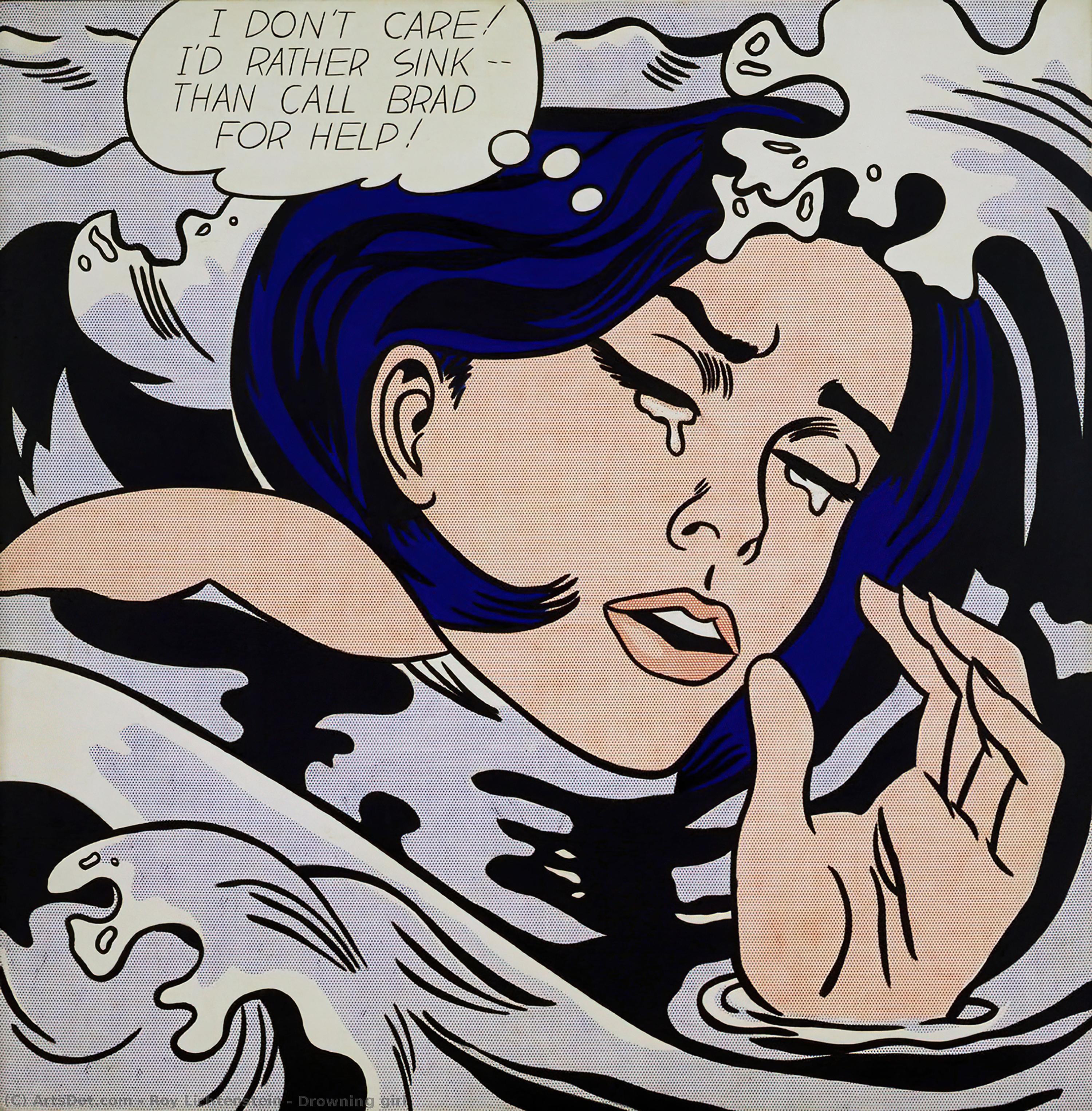
Ikoniczny obraz Roya Lichtensteina z 1963 roku, „Dziewczyna Tonąca”, to kwintesencja Pop Artu, która w sposób doskonały oddaje istotę emocjonalnego niepokoju i dramatycznej narracji. To żywe, dynamiczne dzieło natychmiast przyciąga wzrok odważnymi liniami, nasyconymi barwami i ekspresyjną tematyką. W centrum kompozycji znajduje się postać kobiety o uderzających niebieskich włosach, pogrążonej w stanie głębokiego smutku lub zadumy. Jej twarz oraz górna część ciała dominują w obrazie, tworząc intensywny punkt centralny, który silnie rezonuje z odbiorcą.Kompozycja i Paleta Barw
Kompozycja nasycona jest energią i emocjami, co potęguje poczucie bezpośredniości oraz intensywności przekazu. Tło stanowi wirujący chaos linii i kształtów, sugerujący ruch oraz wewnętrzne rozedrganie. W palecie barw dominują odważne, kontrastujące ze sobą kolory: głęboki błękit włosów kobiety wyraźnie odcina się od jej bladej cery, podczas gdy tło tworzy mieszanka czerni, bieli i szarości, przełamana plamami różu oraz czerwieni. Te żywe odcienie przyczyniają się do ogólnej intensywności dzieła, czyniąc je niezwykle efektownym elementem każdej kolekcji sztuki czy projektu wnętrzarskiego.Technika i Styl
Technika Lichtensteina opiera się na grubych, zdecydowanych liniach, które definiują kształty i formy wewnątrz kompozycji. Linie te są zarówno ekspresyjne, jak i dynamiczne, co wzmacnia wrażenie ruchu oraz emocjonalnego napięcia. Zastosowanie kropek Ben-Day – techniki drukarskiej – nadaje dziełu niemal haptyczną jakość, która pogłębia jego trójwymiarowość i teksturę. Styl ten jest charakterystyczny dla Pop Artu w wydaniu Lichtensteina, który często parodiuje melodramatyzm komiksowej estetyki, jednocześnie wynosząc ją do rangi sztuki wysokiej.Kontekst Historyczny
Powstała u szczytu popularności ruchu Pop Art w latach 60. XX wieku, „Dziewczyna Tonąca” odzwierciedla fascynację Lichtensteina emocjonalną treścią oraz zdystansowanym podejściem do tematów miłości, nienawiści, wojny i innych intensywnych zjawisk odnalezionych w kadrach komiksowych. Obraz wywodzi się z planszy z komiksu DC Comics z 1962 roku, którą artysta zaadaptował, aby uwypuklić kliszowaty melodramat romansów. Dzieło to uznaje się za jedno z najważniejszych dokonań Lichtensteina, stojące na równi z jego słynnym diptykiem „Whaam!” i nabyte przez Museum of Modern Art w 1971 roku.Symbolika i Oddziaływanie Emocjonalne
Tematyka obrazu koncentruje się wokół kobiety przeżywającej emocjonalny kryzys, prawdopodobnie spowodowany nieudaną relacją romantyczną. Dymek dialogowy z napisem: „NIE ZALEŻY MI! WOLĘ UTONĄĆ – NIŻ ZADZWONIĆ DO BRADA O POMOC!” dodaje treści głębi i konkretu, pozwalając zajrzeć w głąb stanu psychicznego bohaterki. Ten narracyjny element podkreśla kliszowaty melodramat, jednocześnie akcentując motyw Lichtensteina polegający na tworzeniu malarstwa imitującego mechaniczny proces reprodukcji. Dzieło emanuje silnym ładunkiem emocjonalnym, szczególnie poczuciem rozpaczy, buntu i wewnętrznego rozdarcia. Zestawienie spokojnej, opanowanej twarzy kobiety z chaotycznym tłem tworzy potężną wizualną opowieść, która porusza widza. Ta głębia sprawia, że „Dziewczyna Tonąca” jest nie tylko estetycznie angażującym obrazem, ale także głęboką eksploracją ludzkich uczuć.Dlaczego warto wybrać tę reprodukcję?
Dla miłośników sztuki, kolekcjonerów oraz projektantów wnętrz poszukujących wyrazistych elementów do swoich przestrzeni, wysokiej jakości reprodukcja „Dziewczyny Tonącej” stanowi wyjątkową okazję do posiadania fragmentu historii sztuki. Żywe kolory, odważne linie i emocjonalna głębia tego dzieła sprawiają, że jest ono zachwycającym dodatkiem do dowolnego otoczenia. Niezależnie od tego, czy zostanie wyeksponowana w nowoczesnym salonie, współczesnym biurze, czy przestrzeni galeryjnej, ta reprodukcja z pewnością stanie się tematem rozmów i budzić podziw. Inwestycja w ręcznie malowaną reprodukcję „Dziewczyny Tonącej” pozwala wprowadzić ducha Pop Artu do własnego domu lub miejsca pracy, celebrując unikalny wkład Lichtensteina w świat sztuki. To ikoniczne dzieło nie tylko podnosi walory estetyczne otoczenia, ale służy również jako świadectwo trwałego wpływu Pop Artu na współczesną kulturę.Zabierz do domu cząstkę historii sztuki
Doświadcz emocjonalnej intensywności i wizualnego blasku „Dziewczyny Tonącej” Roya Lichtensteina dzięki wysokiej jakości reprodukcji. Idealna dla entuzjastów sztuki, kolekcjonerów i projektantów wnętrz, ta praca jest ponadczasowym dodatkiem, który podniesie rangę każdej przestrzeni. Przyjmij dziedzictwo Pop Artu i wprowadź do swojego domu arcydzieło, które nieustannie zachwyca i inspiruje.Pytania i odpowiedzi
Jak kolory w dziele "Dziewczyna Tonąca" współgrają ze sobą?
Harmonia kolorystyczna dzieła "Dziewczyna Tonąca" została określona jako Subtelnie wymieszana paleta.
Jaki rozmiar reprodukcji jest sugerowany dla „Dziewczyna Tonąca” autorstwa Roy Lichtenstein?
Zalecany rozmiar wydruku dla „Dziewczyna Tonąca” autorstwa Roy Lichtenstein to Duży format.
Czy dzieło "Dziewczyna Tonąca" jest w ogólnym rozrachunku jaśniejsze czy ciemniejsze?
Jasność dzieła „Dziewczyna Tonąca” autorstwa Roy Lichtenstein wynosi zrównoważony, przy luminancji na poziomie Subtelna luminancja.
Biografia artysty
The Genesis of a Pop Visionary
Roy Fox Lichtenstein, born in the vibrant metropolis of New York City on October 27, 1923, indelibly altered the landscape of twentieth-century art. Emerging as a pivotal figure within the Pop Art movement, Lichtenstein didn’t simply reflect his era; he actively interrogated it, transforming commonplace imagery into compelling artistic statements. His upbringing in an upper-middle-class Jewish family fostered both a cultural awareness and an early artistic inclination. Childhood exposure to museums and concerts, coupled with a deep appreciation for jazz music, laid the groundwork for a creative spirit that would challenge conventional notions of fine art. Though initially drawn to realistic drawing and painting during his formative years, Lichtenstein’s formal training commenced at the Art Students League in 1939 under Reginald Marsh, followed by studies at Ohio State University – interrupted briefly by wartime service in the Army. These experiences provided a robust technical foundation that would later be brilliantly re-contextualized through the lens of mass culture and commercial aesthetics. The seeds of his signature style weren’t sown within the hallowed halls of artistic tradition but rather in the often-overlooked world of everyday imagery, particularly comic books and advertising.From Abstraction to Appropriation: A Pivotal Shift
Lichtenstein's early work demonstrated a clear engagement with Abstract Expressionism, mirroring the dominant aesthetic trends of the post-war period. Figures like Jackson Pollock and Willem de Kooning were significant influences during this phase, reflecting the dynamism and emotional intensity that characterized the movement. However, this phase proved transitional, a stepping stone towards his revolutionary style. A crucial moment arrived during his tenure at Rutgers University where he encountered Allan Kaprow, whose influence reignited Lichtenstein’s interest in proto-pop imagery – artists like Robert Rauschenberg were already experimenting with collage and assemblage. This encounter sparked a critical shift in his artistic trajectory, leading him to question the established boundaries between “high” and “low” art. He began looking beyond the subjective expression of Abstract Expressionism towards the objective language of popular culture – specifically, comic books and advertising. The year 1961 marked a turning point with *Look Mickey*, a work that boldly appropriated characters from Disney comics, signaling the beginning of his signature style. This wasn’t mere imitation; it was an act of artistic re-evaluation, elevating commonplace imagery to the status of fine art. He didn't simply copy comic strips; he meticulously recreated them using techniques mimicking commercial printing processes, a deliberate blurring of the lines between original artwork and mass production. This appropriation wasn’t about celebrating consumerism uncritically but rather examining its pervasive influence on American society and challenging traditional artistic hierarchies.The Language of Ben-Day Dots and Bold Lines
Lichtenstein's artistic vocabulary is instantly recognizable: bold, primary colors, thick black outlines, and most famously, Ben-Day dots – a technique borrowed directly from the mechanical reproduction of comic books. These dots weren’t merely decorative; they were integral to his conceptual framework, representing the very process of mass production and challenging the traditional emphasis on the artist's hand. His paintings often enlarged details from comic strips to monumental scale, forcing viewers to confront the aesthetic qualities of an art form typically dismissed as trivial. Works like *Whaam!* (1963), *Drowning Girl* (1963), and *Oh, Jeff…I Love You, Too…But…* (1964) became iconic representations of Pop Art, capturing the anxieties and desires of a rapidly changing consumer culture. These weren’t simply depictions of comic book scenes; they were commentaries on themes of war, romance, and societal expectations, filtered through the visual language of mass media. He aimed to strip away any pretense of artistic subjectivity, presenting his work as objective reflections of American society – a mirror held up to its own manufactured reality. The deliberate flatness and lack of painterly gesture further emphasized this detachment, mimicking the impersonal nature of commercial printing.Major Achievements and Lasting Impact
Roy Lichtenstein’s influence extends far beyond the realm of painting. His innovative use of commercial techniques and appropriation paved the way for new generations of artists exploring themes of consumerism, media saturation, and cultural identity. The sale of *Masterpiece* in 2017 for $165 million solidified his position as one of the most commercially successful American artists of all time, but his legacy is not solely defined by monetary value. He challenged traditional notions of artistic authorship and originality, forcing a re-evaluation of what constitutes “art” itself. His work continues to inspire graphic designers, illustrators, and visual artists across various disciplines.- Major Achievements: Pioneered Pop Art style; achieved international recognition with groundbreaking exhibitions.
- Notable Works: *Whaam!*, *Drowning Girl*, *Oh, Jeff…I Love You, Too…But…*, *Masterpiece*.
- Teaching Career: Influenced aspiring artists at SUNY Oswego and Rutgers University.

Roy Lichtenstein
1923 - 1997 , Stany Zjednoczone
Najważniejsze informacje
- Artistic Movement Or Style: Pop Art
- Artists Or Movements Influenced By This Artist:
- Graficy
- Ilustratorzy
- Artists Who Influenced This Artist:
- Reginald Marsh
- Allan Kaprow
- Date Of Birth: 27 października 1923
- Date Of Death: 29 września 1997
- Full Name: Roy Fox Lichtenstein
- Nationality: Amerykański
- Notable Artworks:
- Whaam!
- Drowning Girl
- Oh, Jeff...
- Masterpiece
- Place Of Birth: Nowy Jork, USA