

 Zobacz w skali 1:1
 Wyślij
 Udostępnij
 Szczegóły
 Przewodnik

 Pobierz plik obrazu
 Podobne obiekty
 RTG
RTG Pokaz slajdów
 Statystyki
A Young Man
 Oil On Canvas
- WallArt
- Mannerist Portraiture
 1517
1517 82.0 x 60.0 cm
 Staatliche Museen zu Berlin
 Czytaj więcej
Giclée / Wydruk artystyczny
Wydruki giclée lub płótna o jakości muzealnej, szybka realizacja i szeroki wybór opcji wykończenia. ( Kup ręcznie malowany obraz Przełącz na wersję cyfrową)




P118B zł10

P118H zł10

P118W zł10

P438Z zł10

P508JH zł12

P508YH zł12

P805H zł10

P805Z zł10

P919BZ zł10

P919G zł10

P919XJ zł10

P959ZH zł10

P968JZ zł12

W106C zł8

W218G zł10

W218JH zł8

W218Y zł10

W307PJ zł10

W316G zł10

W316PJ zł8

W316Y zł10

W398PJ zł8

W4111J zł10

W500HY zł15

W500JH zł15

W692G zł12

W849H zł8

W940BG zł15

W953PJ zł8




Wybierz spośród naszych standardowych rozmiarów, które zachowują oryginalne proporcje dzieła sztuki.

Wpisz wymaganą szerokość i wysokość, aby dopasować grafikę do ramy lub ściany. Wydruk można jedynie przyciąć, nigdy nie powiększając go poza oryginalny obraz, dlatego format o innym proporcji spowoduje utratę części kompozycji. Przed rozpoczęciem druku prześlemy Ci cyfrowy podgląd do zatwierdzenia. Obraz wyświetlany na tej stronie nie pokazuje rzeczywistego przycięcia — jedynie podgląd oddaje ten efekt.
Dostawa na cały świat () w ciągu 2 tygodni zamiast standardowych 4/5 tygodni. (22 Październik)

Bezpłatna ekspresowa wysyłka na cały świat

Wysokiej jakości płótno lniane

Pełne ubezpieczenie transportowe

Gwarancja zwrotu należności celnych i podatków importowych

Gwarancja idealnego odwzorowania barw

100-dniowy okres na zwrot dzieła w przypadku wykrycia wad produkcyjnych

Gwarancja 100% zwrotu pieniędzy

Oferta przy zakupie wielu sztuk
 Opcja ze szkłem jest dostępna wyłącznie w rozmiarach poniżej 110 cm

A Young Man
Giclée / Wydruk artystyczny
Rozmiar reprodukcji
-


Suma do zapłaty
zł 304
A Portrait of Youthful Promise: Rosso Fiorentino’s ‘A Young Man’
Rosso Fiorentino's “A Young Man,” painted in 1518, isn’t merely a portrait; it’s a carefully constructed distillation of Renaissance ideals – a glimpse into the burgeoning complexities of Mannerism and a poignant meditation on youth, aspiration, and perhaps, a touch of melancholy. The painting, currently residing within the Gemäldegalerie in Berlin, immediately draws the eye with its subtly unsettling beauty, a hallmark of Rosso’s distinctive style. It's a work that whispers rather than shouts, inviting prolonged contemplation and rewarding repeated viewing.
At first glance, the subject appears remarkably relaxed, almost languidly posed against a hazy landscape backdrop – a detail that immediately sets it apart from the more rigidly formal portraits of the High Renaissance. He’s not presented as an idealized hero or a symbol of civic virtue; instead, he possesses a quiet intensity, his gaze directed slightly off-center, suggesting introspection and perhaps even a hint of guardedness. The youthful features – the delicate curve of his lips, the slight furrow in his brow – are rendered with remarkable sensitivity, capturing not just physical likeness but also an underlying sense of vulnerability. The red hair, a nod to Rosso’s own nickname, adds a touch of vibrant color against the muted palette, further emphasizing the subject's youthful vitality.
Mannerist Nuances and Artistic Innovation
Rosso Fiorentino was a pivotal figure in the transition from the High Renaissance to Mannerism. He wasn’t content with simply replicating classical ideals; he actively sought to push boundaries, experimenting with perspective, composition, and emotional expression. “A Young Man” exemplifies this innovative spirit. The landscape behind him isn't a realistic representation of nature but rather an atmospheric device – a deliberately ambiguous space that contributes to the painting’s overall sense of unease and psychological depth. Notice how the trees seem to lean inward, creating a claustrophobic effect, subtly mirroring the subject’s internal state.
The brushwork itself is crucial to understanding Rosso's approach. It’s not smooth or polished; instead, it’s characterized by visible strokes and a deliberate lack of finish. This technique – often referred to as “impasto” – adds texture and dynamism to the painting, creating a sense of movement and immediacy. The way he manipulates light and shadow is particularly noteworthy, casting dramatic highlights on the subject's face and clothing while leaving other areas shrouded in darkness. This masterful use of chiaroscuro not only enhances the portrait’s visual impact but also contributes to its emotional resonance.
Symbolism and a Hint of Disquiet
While seemingly straightforward, “A Young Man” is laden with subtle symbolism. The letter clutched in his hand – a detail often overlooked – suggests communication, perhaps even longing or unrequited affection. The slightly downturned mouth hints at suppressed emotions, while the direct gaze challenges the viewer to engage with the subject on a deeper level. Some art historians have interpreted the painting as an allegory for the fleeting nature of youth and beauty, reminding us that time inevitably marches forward, carrying with it both promise and loss.
Furthermore, the overall composition—the slightly off-balance arrangement, the ambiguous background—creates a sense of unease. It’s not a comfortable or reassuring portrait; rather, it's a reflection of the turbulent times in which it was created – a period marked by political instability and social upheaval. Rosso Fiorentino wasn’t simply depicting a young man; he was capturing a mood, an atmosphere of uncertainty and transformation.
A Timeless Masterpiece: Reproduction Possibilities
“A Young Man” remains a powerfully evocative work of art, captivating viewers centuries after its creation. Reproductions offer a wonderful opportunity to bring this masterpiece into your home or office, allowing you to appreciate its beauty and complexity on a daily basis. When selecting a reproduction, consider the quality of materials used – archival-quality prints on museum-grade canvas will ensure that the colors remain vibrant for years to come. The painting’s rich textures and subtle nuances are best captured by reproductions that faithfully replicate Rosso Fiorentino's distinctive brushwork and masterful use of light and shadow. It is a piece that speaks volumes, inviting contemplation and offering a timeless glimpse into the heart of the Renaissance.
Pytania i odpowiedzi
Ile lat miał Rosso Fiorentino, gdy powstało dzieło „A Young Man”?
Gdy w 1517 roku powstało dzieło „A Young Man”, Rosso Fiorentino – urodzony/a w 1495 – miał/a 22 lat.
Jaka jest technika i wymiary dzieła „A Young Man” autorstwa Rosso Fiorentino?
Oryginalny utwór „A Young Man” autorstwa Rosso Fiorentino to praca wykonana w technice Oil On Canvas, o wymiarach 82 x 60 cm. Technika i rozmiar opisują obiekt oryginalny.
Jaki rozmiar reprodukcji jest sugerowany dla „A Young Man” autorstwa Rosso Fiorentino?
Dla dzieła „A Young Man” autorstwa Rosso Fiorentino sugerowana jest reprodukcja w formacie Medium. Rozmiar można dostosować, zachowując proporcje.
Biografia artysty
Życie namalowane ogniem: Dramatyczny świat Rosso Fiorentino
Giovanni Battista di Jacopo, znany całemu światu jako Rosso Fiorentino – „Czerwony Florentyńczyk” – był imieniem szeptanym z podziwem, ale i z nutą niepokoju podczas włoskiego renesansu. Urodzony we Florencji 8 marca 1495 roku, samym przydomkiem nawiązywał do płomiennego ducha, który zdefiniował nie tylko jego wygląd, ale także niezwykle emocjonalną i nowatorską sztukę. Rosso nie był jedynie malarzem; był zwiastunem zmian, kluczową postacią łączącą klasyczne ideały dojrzałego renesansu z rodzącymi się złożonościami manieryzmu. Jego droga, naznaczona artystycznymi poszukiwaniami, politycznymi zawirowaniami i ostatecznie przedwczesną śmiercią w Fontainebleau w 1540 roku, pozostawiła niezatarte piętno na krajobrazie sztuki europejskiej.Lata formacyjne i florenckie fundamenty
Artystyczna edukacja Rosso rozpoczęła się w znamienitej pracowni Andrea del Sarto, jednego z czołujących mistrzów Florencji. Środowisko to okazało się kluczowe, stawiając go ramię w ramię z inną wschodzącą gwiazdą, Pontormem. Obaj artyści dzielili przestrzeń do eksperymentów, co sprzyjało twórczej rywalizacji, która pchała ich obu do eksplorowania poza konwencjonalne granice. Wpływ szkoły florenckiej był głęboko zakorzeniony w tych formacyjnych latach; jednak nawet wczesne dzieła ujawniają wyraźną skłonność Rosso ku dramatycznej intensywności i ekspresyjnemu użyciu koloru – cechom, które miały go wyróżnić. Chłonął lekcje perspektywy i anatomicznej precyzji, lecz szybko zaczął nadawać swoim postaciom głębię psychologiczną rzadko spotykaną w wcześniejszej sztuce renesansowej. Wczesne obrazy, takie jak Święta Rodzina z Dzieciątkiem św. Jana Chrzciciela, demonstrują ten rodzący się styl, zapowiadając emocjonalne turbulencje, które będą charakteryzować jego dojrzałe dzieła.Rzymski intermedium i ziarna manieryzmu
W 1523 roku Rosso udał się do Rzymu, miasta tętniącego energią artystyczną i monumentalnymi osiągnięciami Michała Anioła oraz Rafaela. Ten okres okazał się przełomowy. Artysta został głęboko poruszony potężnymi postaciami i dynamicznymi kompozycjami Michała Anioła, a także wyrafinowaną gracją Rafaela. Jednak zamiast po prostu naśladować tych mistrzów, Rosso dokonał syntezy ich wpływów, tworząc coś unikalnie własnego. Zdobycie Rzymu w 1527 roku przyniosło chaos i zniszczenie, zmuszając Rosso do ucieczki z miasta i stanowiąc punkt zwrotny w jego karierきre. To traumatyczne wydarzenie zdaje się wzmocnić emocjonalne podskórne nurty w jego sztuce, oddalając go od renesansowego nacisku na harmonię w stronę bardziej niepokojącej estetyki manieryzmu.Francuski mecenat i trwałe dziedzictwo
Podróż Rosso ostatecznie zaprowadziła go do Francji w 1530 roku, gdzie wstąpił w służbę króla Franciszka I. Był to początek nowego rozdziału, w którym stał się kluczową postacią przy dekoracji Château de Fontainebleau, u boku innych wybitnych artystów. Tutaj otrzymał znaczną swobodę w eksperymentowaniu i dalszym rozwijaniu swojego stylu. Galeria Franciszka I w Fontainebleau stanowi świadectwo jego kunsztu, prezentując alegoryczne sceny wypełnione wydłużonymi postaciami, żywymi kolorami i złożonym symbolizmem. Tworzył także dzieła takie jak Słoń, demonstrujące zdolność do uchwycenia esencji swoich tematów z niezwykłą szczegółowością. Niestety, czas Rosso we Francji został przerwany przez chorobę; zmarł w 1540 roku w wieku czterdziestu pięciu lat. Mimo stosunkowo krótkiej kariery, wpływ Rosso Fiorentino rozbrzmiewał w całej Europie. Jego styl głęboko wpłynął na artystów takich jak Francesco Primaticcio, który zastąpił go w Fontainebleau, i pomógł ugruntować manieryzm jako dominującą siłę w sztuce przez nadchodzące dekady. Jego obrazy, znajdujące się obecnie w muzeach na całym świecie – w tym w Galleria Nazionale d'Arte Moderna e Contemporanea w Rzymie, Pinacoteca Comunale we Volterze oraz w Duomo w Città di Castello – nieustannie zachwycają widzów swoją dramatyczną mocą i emocjonalną głębią, sprawiając, że „Czerwony Florentyńczyk” pozostaje żywą i fascynującą postacią w historii sztuki.
Rosso Fiorentino
1495 - 1540 , Włochy
Najważniejsze informacje
- Artistic Movement Or Style: Manieryzm
- Artists Or Movements Influenced By This Artist: ['Francesco Primaticcio']
- Artists Who Influenced This Artist:
- Michał Anioł
- Rafael
- Date Of Birth: 8 marca 1495
- Date Of Death: 14 listopada 1540
- Full Name: Giovanni Battista di Jacopo
- Nationality: Włoska
- Notable Artworks:
- Zdjęcie z krzyża
- Słoń
- Mojżesz i córki Jetra
- Place Of Birth: Florencja, Włochy
Zobacz także powiązane artykuły

Manieryzm: Pomost Między Renesansową Harmonią a Dramatem Baroku – Studium Stylu i Afektacji
Poznaj manieryzm – fascynujący styl artystyczny przejściowy między renesansem a barokiem. Analiza cech, kluczowi artyści i wpływ na sztukę europejską. Ekspercka wiedza o Parmigianino, Bronzino i El Greco.

Renesansowy Manieryzm: Subtelność Formy i Przejście ku Baroku
Poznaj fascynujący świat manieryzmu – stylu renesansowego charakteryzującego się elegancją, subtelnością i bogactwem form. Analiza dzieł mistrzów, historia architektury i wpływ na barok. Ekspercka wiedza o włoskim odrodzeniu.
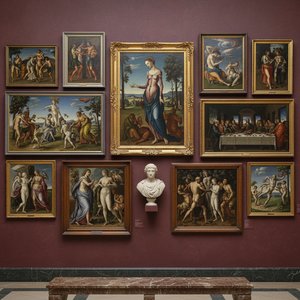
Manneryzm w Sztuce: 10 Arcydzieł, Które Zdefiniowały Epokę | Reprodukcje Obrazów
Odkryj 10 arcydzieł manieryzmu – od Pontormo po Parmigianino! Poznaj historię, techniki i piękno włoskiego renesansu. Reprodukcje obrazów najwyższej jakości na OriginalUniqueArt.com. Eleganckie dekoracje ścienne dla Twojego wnętrza. Eksploruj kolekcję online!
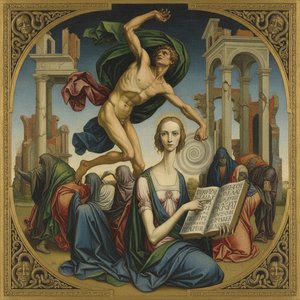
Beyond Perfection: The Dramatic Elegance and Intellectual Tension of Renaissance Mannerism
Explore the captivating world of Renaissance Mannerism. Discover how artists moved beyond High Renaissance harmony into a realm of elegant distortion, psychological tension, and dramatic beauty that bridged the gap to the Baroque era.

Northern Mannerism: The Dramatic Evolution of European Art through Elegant Distortion and Tension
Explore the dramatic evolution of Northern Mannerism. Discover how 16th-century artists moved from Renaissance harmony to elegant distortion, tension, and complex symbolism in European art history.
