
 Wyślij jako kartkę
 Udostępnij
 Szczegóły dzieła

 Pobierz
 Podobne obiekty
 Pokaz slajdów
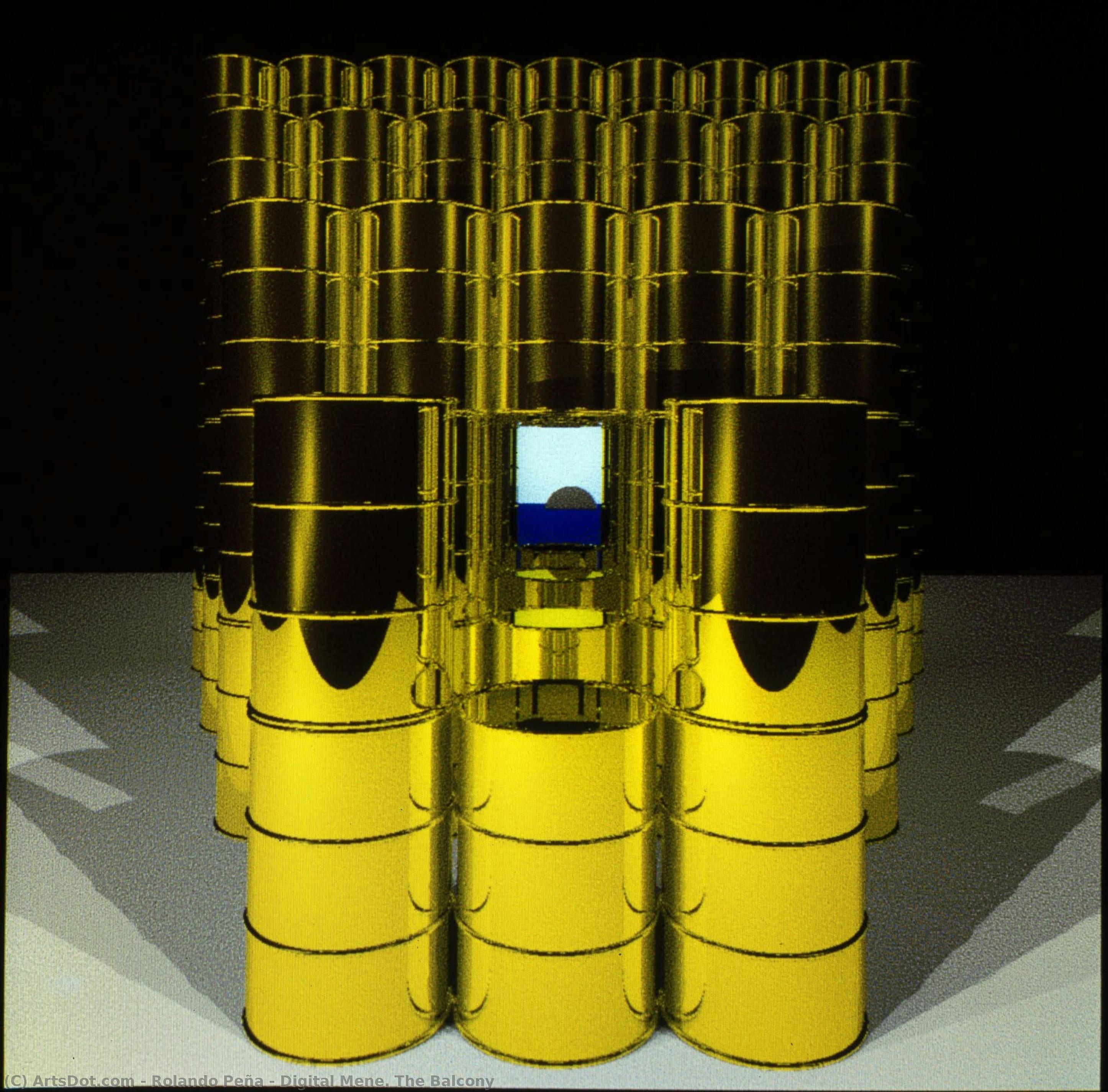
Digital Mene. The Balcony


 Rozwiń treść
Giclée / Wydruk artystyczny
Druk giclée lub płótno o jakości muzealnej, szybka realizacja i szeroki wybór opcji wykończenia. ( Zamów ręcznie malowaną reprodukcję Kup obraz wysokiej rozdzielczości)




































Wybierz spośród naszych standardowych rozmiarów, które zachowują oryginalne proporcje dzieła sztuki.

Możesz wprowadzić własne wymiary, aby dopasować dzieło do konkretnej ramy lub przestrzeni. Jeśli wybrany rozmiar nie będzie odpowiadał proporcjom oryginalnego obrazu, przytniecie dzieło lub rozszerzymy obraz za pomocą odbicia lustrzanego lub jednolitego wypełnienia krawędzi. Przed rozpoczęciem produkcji prześlemy cyfrową wizualizację do Twojej akceptacji.
Prosimy pamiętać, że podgląd na ekranie nie odzwierciedla faktycznego przycinania ani rozszerzania. Tylko wizualizacja dokładnie pokaże końcową kompozycję.
Mimo dostępności niestandardowych rozmiarów, zalecamy wybór wymiaru z listy zdefiniowanej, aby zachować oryginalne proporcje.
Dostawa na cały świat () w ciągu 2 tygodni zamiast standardowych 4/5 tygodni. (18 Sierpień)

Bezpłatna ekspresowa wysyłka na cały świat

Wysokiej jakości płótno lniane

Pełne ubezpieczenie przesyłki

Gwarancja zwrotu należności celnych i podatków importowych

Gwarancja wiernego odwzorowania kolorów

Polityka 60-dniowego zwrotu (tylko w przypadku wad)

Gwarancja 100% zwrotu kosztów

Zniżka przy zamówieniu wielu produktów
 Opcja ze szkłem jest dostępna wyłącznie w rozmiarach poniżej 110 cm

Digital Mene. The Balcony
Giclée / Wydruk artystyczny
Wymiary reprodukcji
-


Cena całkowita
$ 80
Opis kolekcjonerski
The Geometry of Modern Existence
Rolando Peña’s Digital Mene. The Balcony presents itself as a mesmerizing study in contemporary urban architecture reimagined through the lens of digital abstraction. One is immediately drawn into the composition, which features a striking yellow structure—a balcony or pavilion seemingly suspended in an undefined space. This is not merely a depiction of a building; it is an exploration of form, repetition, and the way modern life accumulates visual elements. The scattered cylindrical shapes dominate the foreground and middle ground, creating a rhythm that is both orderly and playfully chaotic. These forms suggest everything from industrial piping to abstract sculptural elements, inviting the viewer to question the function and meaning behind their placement.
A Dialogue Between Digital Medium and Physical Form
The technique employed here speaks volumes about its time of creation; it possesses a distinctly digital quality, lending the piece an almost luminous, hyper-real sheen. This modern execution allows Peña to treat solid architectural elements with a weightlessness that belies their apparent mass. The inclusion of a mounted television screen within the structure adds a crucial layer of narrative tension. In an era saturated with mediated images, this detail forces contemplation: what is being broadcast? What stories are contained within these glowing rectangles? It speaks to our contemporary condition—a life lived simultaneously in physical space and digital stream.
Symbolism of Structure and Connection
Peña’s work has always been deeply interwoven with themes of identity and the modern human experience, a thread visible even in this seemingly straightforward composition. The balcony itself can be read as a liminal space—a threshold between inside and out, private life and public view. The repeating cylinders might symbolize the relentless flow of information or the interconnected systems that govern our daily routines. They are markers, points of connection, yet their sheer number suggests an overwhelming density. It is a visual metaphor for the complexity of contemporary urban living, where structure provides support but also risks becoming suffocating.
Emotional Resonance and Interior Application
For the collector or designer seeking a piece that anchors a modern space with intellectual depth, Digital Mene. The Balcony offers profound resonance. Its vibrant yellow hue injects an immediate burst of optimistic energy, while the cool, precise lines of the digital rendering maintain a sophisticated composure. It functions as a powerful focal point, capable of elevating a minimalist gallery wall or lending an avant-garde edge to a contemporary living area. Viewing it is not just looking at art; it is engaging in a thoughtful dialogue about how we build our lives—physically, digitally, and emotionally.
O artyście
A Life Intertwined with Art, Dance, and the Warholian Spirit
Rolando Peña, born October 27, 1942, in Caracas, Venezuela, is an artist whose life reads as a compelling narrative bridging disciplines – visual art, dance, performance, and film. He remains an active force in contemporary art today. His journey isn’t simply one of artistic evolution; it's a testament to the power of embracing diverse influences and pushing creative boundaries. From his early explorations in movement and theatrical expression to his pivotal role within Andy Warhol’s Factory and subsequent pioneering work with digital media, Peña has consistently sought new ways to express the complexities of identity, spirituality, and the modern human condition. His Venezuelan heritage is deeply woven into the fabric of his artistic vision, often manifesting as subtle yet powerful commentary on power structures and cultural transformation.The Allure of New York and Warhol’s Orbit
Peña's formative years in Caracas provided a rich foundation for his future endeavors. His training in dance instilled within him an acute awareness of the body, space, and rhythm – qualities that would profoundly influence his multimedia work. However, it was his relocation to New York City in 1963 that truly ignited his artistic trajectory. Immersing himself in the city’s vibrant avant-garde scene, he quickly became a magnetic presence, drawn to the experimental spirit of artists challenging conventional norms. This led to an extraordinary association with Andy Warhol, becoming one of the celebrated “superstars” of the Factory. Within this iconic circle, Peña earned the evocative nicknames "the Black Prince" or "El Principe Negro," reflecting his striking physical presence and enigmatic aura. He appeared in numerous Warhol films, contributing to a groundbreaking exploration of performance, celebrity culture, and the blurring lines between art and life. This period wasn’t merely about participation; it was an immersion into a revolutionary artistic ecosystem that fundamentally shaped Peña's understanding of image-making and self-representation.From Performance to Pixels: An Evolving Artistic Language
While his time with Warhol cemented his place in art history, Rolando Peña refused to be defined solely by this association. He embarked on a path of independent artistic exploration, driven by an insatiable curiosity and a willingness to embrace emerging technologies. His work evolved significantly, moving beyond performance-based art towards a distinctive visual language centered around digital media. This wasn’t simply a shift in medium; it was a conceptual leap, allowing him to explore themes with greater nuance and complexity. The “Digital Mene” series exemplifies this evolution – intricate compositions that juxtapose technological aesthetics with devotional imagery, creating a compelling dialogue between the secular and the sacred. Oil, a potent symbol of Venezuela's economic and cultural landscape, frequently appears in his work as a metaphor for power, transformation, and societal structures. Geometric abstraction also plays a crucial role, echoing ancient symbolism while simultaneously embracing contemporary design principles. Pieces like "Digital Mene. The Labyrinth II," "Digital Mene. The Spiral," and “Digital Mene. The Squaring of the Circle” demonstrate this masterful interplay of form and meaning.Recognition and Lasting Legacy
Rolando Peña’s artistic contributions have garnered significant recognition throughout his career, most notably with a prestigious Guggenheim Fellowship in 2009. This award underscored his commitment to pushing boundaries within multimedia art and solidified his position as an innovative voice in contemporary art. Beyond accolades, his legacy lies in his ability to seamlessly blend diverse influences – dance, film, technology, Venezuelan heritage – into a uniquely personal artistic practice. His early photomaton photography exhibitions in Miami, Florida, demonstrate a continued engagement with experimentation and self-portraiture. As both a Warhol superstar and a pioneering digital artist, Peña embodies the spirit of experimentation that defined the late 20th century art scene. He offers a compelling commentary on globalization, identity, and the evolving relationship between humanity and technology – themes that resonate deeply with contemporary audiences navigating an increasingly complex digital age. His work is not merely about reflecting the world around us; it’s about questioning its foundations and imagining new possibilities.Key Themes in Peña's Work
- Oil as a Metaphor: Frequently uses imagery related to oil—a significant element in Venezuela's economy and culture—to explore broader concepts of power, transformation, and societal structures.
- Technology & Spirituality: His digital art often juxtaposes technological aesthetics with devotional or spiritual themes, creating a dialogue between the secular and the sacred.
- Geometric Abstraction: Many of his pieces feature striking geometric patterns and abstract forms, reminiscent of both ancient symbolism and contemporary design.

Rolando Peña
1942 - , Venezuela
Krótka nota
- Artistic Movement Or Style: Multimedia, Digital Art
- Artists Who Influenced This Artist: ['Andy Warhol']
- Date Of Birth: October 27, 1942
- Full Name: Rolando Peña
- Nationality: Venezuelan-American
- Notable Artworks:
- Digital Mene. The Labyrinth II
- Digital Mene. The Spiral
- Digital Mene. The Squaring...
- Digital Mene. Devotional Object
- Digital Mene. I am Oil
- Digital Mene. The Balcony
- Place Of Birth: Caracas, Venezuela
Powiązane artykuły

10 Legendarnych Brązów Rzeźbiarskich, Które Zmieniły Sztukę | OriginalUniqueArt
Odkryj 10 legendarnych rzeźb brązowych od Rodina, Degasa i innych mistrzów! Poznaj historię powstania arcydzieł sztuki i inspiruj się do dekoracji wnętrz. Reprodukcje najwyższej jakości na OriginalUniqueArt.com – zobacz kolekcję!

Geometria Sztuki: 10 Arcydzieł Abstrakcji Geometrycznej | OriginalUniqueArt.com
Odkryj 10 arcydzieł abstrakcji geometrycznej! Poznaj historię Mondriana, Kandinskiego i Maleвича. Inspiracje wnętrzarskie z malarstwem abstrakcyjnym – reprodukcje najwyższej jakości na OriginalUniqueArt.com. Eksploruj kolekcję online!

25 Arcydzieł Kandinskiego: Kolor, Duchowość i Abstrakcja w Twoim Domu | OriginalUniqueArt.com
Odkryj 25 arcydzieł Wassily Kandinskiego – pioniera abstrakcji i ekspresjonizmu! Poznaj historie, techniki i emocje kryjące się za jego kolorowymi kompozycjami. Reprodukcje obrazów najwyższej jakości na OriginalUniqueArt.com. Eksploruj pełną kolekcję online!

Trwałe Formy: Ewolucja Technik i Tematów w Rzeźbie Przez Wieki – Od Antyku do Renesansu
Poznaj fascynującą historię rzeźby od antyku do renesansu! Odkryj techniki, wybitnych artystów i wpływ na współczesną sztukę. Ekspercka analiza dla kolekcjonerów i miłośników.

10 Legendarnych Brązów, Które Zrewolucjonizowały Sztukę | OriginalUniqueArt
Odkryj 10 legendarnych rzeźb brązowych, które zrewolucjonizowały sztukę! Poznaj historie Rodina, Donatello i innych mistrzów. Inspiracje wnętrzarskie & reprodukcje najwyższej jakości na OriginalUniqueArt.com.

