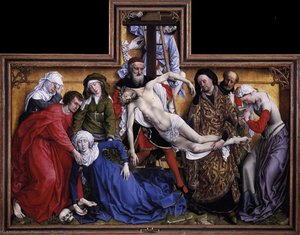
Podgląd w skali 1:1
 Wyślij jako kartkę
 Udostępnij
 Szczegóły dzieła
 Przewodnik

 Pobierz obraz
 Podobne obiekty
 RTG
RTG Pokaz slajdów
 Pytania i odpowiedzi
 Statystyki
Zwiastowanie (detal) (8)


 Rozwiń treść
Giclée / Wydruk artystyczny
Wydruki giclée lub płótna o jakości muzealnej, szybka realizacja i szeroki wybór opcji wykończenia. ( Zamów ręcznie malowaną reprodukcję Przejdź do wersji cyfrowej)




P118B zł10

P118H zł10

P118W zł10

P438Z zł10

P508JH zł12

P508YH zł12

P805H zł10

P805Z zł10

P919BZ zł10

P919G zł10

P919XJ zł10

P959ZH zł10

P968JZ zł12

W106C zł8

W218G zł10

W218JH zł8

W218Y zł10

W307PJ zł10

W316G zł10

W316PJ zł8

W316Y zł10

W398PJ zł8

W4111J zł10

W500HY zł15

W500JH zł15

W692G zł12

W849H zł8

W940BG zł15

W953PJ zł8




Wybierz spośród naszych standardowych rozmiarów, które zachowują oryginalne proporcje dzieła sztuki.

Wpisz wymaganą szerokość i wysokość, aby dopasować grafikę do ramy lub ściany. Wydruk można jedynie przyciąć, nigdy nie powiększając go poza oryginalny obraz, dlatego format o innych proporcjach spowoduje utratę części kompozycji. Przed rozpoczęciem druku prześlemy Ci cyfrowy podgląd do zatwierdzenia. Obraz wyświetlany na tej stronie nie pokazuje rzeczywistego przycięcia — jedynie podgląd oddaje ten efekt.
Dostawa na cały świat () w ciągu 2 tygodni zamiast standardowych 4/5 tygodni. (6 Listopad)

Bezpłatna ekspresowa wysyłka na cały świat

Wysokiej jakości płótno lniane

Pełne ubezpieczenie przesyłki

Gwarancja zwrotu należności celnych i podatków importowych

Gwarancja wiernego odwzorowania kolorów

100-dniowa polityka zwrotów (tylko w przypadku wad)

Gwarancja 100% zwrotu pieniędzy

Zniżka przy zakupie wielu sztuk
 Opcja ze szkłem jest dostępna wyłącznie w rozmiarach poniżej 110 cm

Zwiastowanie (detal) (8)
Giclée / Wydruk artystyczny
Wymiary reprodukcji
-


Cena całkowita
zł 317
Chwila Objawienia: Analiza „Zwiastowania” Rogiera van der Weydena
„Zwiastowanie” autorstwa Rogiera van der Weydena, będące szczegółowym fragmentem jego monumentalnego Ołtarza św. Kolumby, stanowi bezprecedensowe osiągnięcie malarstwa wczesnoniderlandzkiego – jest świadectwem niezwykłej uważności oraz głębokiej kontemplacji duchowej. Dzieło to, ukończone około 1440 roku u szczytu burgundzkiego rozkwitu artystycznego, utrwala kluczową biblijną narrację: moment, w którym Gabriel powiadamia Maryję o jej boskim poczęciu.
Głębia tematyczna i narracyjna: Scena przedstawia świętego Gabriela klęczącego przed Maryją, wręczającego jej świetlistą lilię – symbol czystości i dziewictwa – oraz ogłaszającego cudowne narodziel Jezusa Chrystusa. Mistrzowskie ujęcie van der Weydena wykracza poza zwykłą ilustrację; artysta dąży do oddania emocjonalnego ciężaru tego przełomowego wydarzenia.
Styl i technika: Charakterystyczną cechą twórczości van der Weydena jest niezachwiane przywiązanie do realizmu, osiągnięte dzięki żmudnej dbałości o detal oraz rewolucyjnemu wykorzystaniu sfumato – techniki, która zmiękcza kontury i tworzy atmosferyczną mgiełkę. Pieczołowite oddanie fałd szat, tekstury skóry oraz mimiki twarzy stanowi doskonały przykład ideałów humanistycznych dominujących w epoce renesansu.
Kontekst historyczny: Osadzone w rozwijającym się krajobrazie artystycznym Brugii (dzisiejsza Belgia), „Zwiastowanie” odzwierciedla wpływ humanistycznej nauki oraz pragnienie przedstawiania biblijnych opowieści z intelektualną rygorystycznością. Dzieło to wpisuje się w szerszy nurt dążenia do naturalizmu, stanowiąc zdecydowane zerwanie z konwencjami średniowiecznymi.
Symbolika: Warstwy znaczeń wykraczające poza wizualną reprezentację
Poza uderzającym pięknem wizualnym kryje się bogata tkanina symboli. Lilia, widoczna w dłoni Gabriela, ucieleśnia dziewictwo i świętość Maryi – fundament chrześcijańskiej teologii. Podobnie otwarta księga symbolizuje boską wiedzę oraz Słowo Boże, reprezentując odsłaniający się plan zbawienia. Van der Weyden z wielką wprawą integruje te emblematy w kompozycji, zapraszając widza do kontemplacji głębszych prawd duchowych.
Paleta barw: Stonowana kolorystyka, zdominowana przez barwy ziemi, przyczynia się do podniosłej atmosfery obrazu i podkreśla jego kontemplacyjny nastrój. Szczególną uwagę poświęcono gradacji tonalnej, co potęguje wrażenie głębi i realizmu.
Kompozycja i iluzja przestrzeni: Van der Weyden wykorzystuje zasady geometryczne, aby stworzyć przekonującą iluzję przestrzeni, umieszczając Gabriela i Maryję w starannie skonstruowanej scenerii architektonicznej, która wzmacnia ich duchowe znaczenie.
Oddziaływanie emocjonalne i dziedzictwo
„Zwiastowanie” rezonuje z niezwykłą siłą w sercach widzów setki lat po swoim powstaniu. Ekspresyjne twarze postaci przekazują namacalne emocje – szczere przejęcie Gabriela oraz pełną spokoju akceptację boskiej woli przez Maryję – chwytając istotę ludzkiego doświadczenia osadzonego w kontekście sacrum. To arcydzieło nieustannie inspiruje artystów i uczonych, utwierdzając pozycję Rogiera van der Weydena jako jednej z najważniejszych postaci wczesnoniderlandzkiej sztuki i dowodząc nieprzemijającej potęgi wizualnego opowiadania historii.
Pytania i odpowiedzi
Jaką paletę barw i jakie emocje łączy ze sobą "Zwiastowanie (detal) (8)"?
„Zwiastowanie (detal) (8)” – Rogier van der Weyden łączy w sobie Barwy ziemi paletę barw z Refleksyjny tonem.
Jak opisuje się paletę kolorystyczną dzieła „Zwiastowanie (detal) (8)” – Rogier van der Weyden?
Kolory dzieła "Zwiastowanie (detal) (8)" tworzą Barwy ziemi paletę barw. Klasyfikacja ta opisuje dominujące rodziny kolorystyczne.
Czy dostępny jest plik do pobrania w wysokiej rozdzielczości dla "Zwiastowanie (detal) (8)"?
Cyfrową wersję dzieła „Zwiastowanie (detal) (8)” – Rogier van der Weyden można zakupić na stronie Cyfrowy obraz: wysokiej rozdzielczości cyfrowe zdjęcie do pobrania.
Biografia artysty
A Master of Emotion: The Life and Legacy of Rogier van der Weyden
Rogier de la Pasture – known to history as Rogier van der Weyden – emerged around 1400 in the vibrant city of Tournai, nestled within what is now Belgium. His early life remains somewhat shrouded in mystery, but it’s believed he initially honed his skills not with brush and pigment alone, but as a goldsmith. This formative training instilled within him an unwavering dedication to meticulous detail and a refined sensibility for craftsmanship – qualities that would become hallmarks of his artistic style. The precision demanded by working with precious metals undoubtedly translated into the exquisite rendering of textures, fabrics, and expressions that define his masterpieces. He wasn’t merely depicting reality; he was recreating it with painstaking accuracy, imbued with an almost reverent attention to detail.From Tournai to Brussels: A Rising Star
By 1427, van der Weyden had ascended to the rank of master within the Guild of Saint Luke in Tournai, a testament to his burgeoning talent and skill. This marked a significant turning point, solidifying his position as a professional artist and opening doors to important commissions. His ascent continued when he entered the service of Philip the Good, Duke of Burgundy, in 1435 – a patronage that would profoundly shape his career for the remainder of his life. Serving as court painter afforded him not only financial security but also access to an elite circle of influence and exposure to some of the most discerning eyes of the era. It was during this period that van der Weyden’s artistic vision truly began to mature, moving away from the somewhat rigid conventions of earlier Netherlandish painters towards a more emotionally resonant and naturalistic approach. He wasn't simply painting religious scenes; he was striving to evoke genuine feeling in the viewer, to create an experience that transcended mere observation.The Language of Feeling: Style and Technique
Rogier van der Weyden’s artistic signature is immediately recognizable through several defining characteristics. His palette was remarkably rich and diverse, a vibrant tapestry of colors carefully chosen to avoid repetition and create depth and complexity within his compositions. He possessed an extraordinary ability to convey profound emotion – *pathos* – particularly in depictions of religious subjects like the Lamentation, where grief and sorrow are palpable. This emotional intensity wasn’t achieved through dramatic gestures or exaggerated expressions; rather, it was subtly woven into the very fabric of the painting, conveyed through delicate nuances of facial expression, body language, and composition. His figures, while adhering to the conventions of the time, demonstrate a growing interest in realistic representation – not just in anatomy and drapery, but also in capturing the psychological states of his subjects. They possess a dignified, almost sculptural quality, particularly evident in his grand triptychs, lending them an air of solemnity and reverence. He masterfully employed oil paint, building up layers of translucent glazes to achieve luminous effects and create a sense of depth and realism that was revolutionary for its time.Notable Works and Enduring Masterpieces
Throughout his prolific career, van der Weyden produced numerous works that stand as testaments to his artistic prowess. *St Luke Drawing a Portrait of the Madonna*, housed in the Museum of Fine Arts, Boston, showcases his mastery of oil on panel and meticulous observation. The *Lamentation*, residing in the Musée des Beaux-Arts Tournai, Belgium, is perhaps his most celebrated work – a powerfully emotive depiction of Christ’s mourning, renowned for its dramatic use of *chiaroscuro* and its ability to evoke profound sorrow in the viewer. Multiple versions of *The Deposition* exist, each demonstrating his skill in conveying grief and drama with breathtaking sensitivity. The *Annunciation*, a masterpiece of refined style and attention to detail, exemplifies his ability to imbue even the most traditional subjects with a sense of freshness and vitality. And finally, the intricate and richly detailed *Bladelin Triptych* stands as a monumental achievement – a complex altarpiece that showcases the full range of van der Weyden’s artistic abilities. These works, and many others, continue to captivate audiences today, solidifying his position as one of the most important painters of the 15th century.Lasting Influence: A Legacy Forged in Paint
Van der Weyden’s influence extended far beyond the borders of his native Flanders. His works were highly sought after throughout Europe, particularly in Italy and Spain, where they introduced a new level of emotional depth and naturalism to local artistic traditions. Although his fame experienced a period of relative decline in the 17th century, a rediscovery during the 19th century cemented his place as one of the most important painters of the 15th century. He stands alongside Jan van Eyck and Robert Campin as one of the “three great” Early Flemish masters, each contributing uniquely to the development of Northern Renaissance art. His innovative techniques and emotionally charged compositions paved the way for future generations of artists, inspiring countless imitators and influencing the course of Western painting for centuries to come. He helped establish oil painting as the dominant medium and elevated the status of the artist within society, transforming them from skilled craftsmen into revered creators. Rogier van der Weyden’s legacy continues to resonate today, a testament to his enduring genius and his profound understanding of the human condition.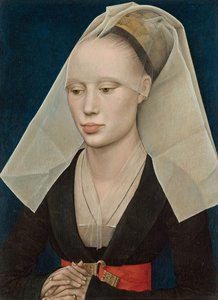
Rogier van der Weyden
1400 - 1464 , Belgia
Krótka nota
- Artistic Movement Or Style: Rannolatyńska malarstwo
- Artists Or Movements Influenced By This Artist:
- Włoskie renesans
- Hiszpańskie malarstwo
- Artists Who Influenced This Artist:
- Robert Campin
- Jan van Eyck
- Date Of Birth: c. 1400
- Date Of Death: 1464
- Full Name: Rogier van der Weyden
- Nationality: Belgijczyk
- Notable Artworks:
- Lamentacja
- Odpoczynek
- Obmówienie Marii
- Place Of Birth: Tournai, Belgia
Powiązane artykuły

Hugo van der Goes: Devotion, Innovation & the Psychological Depth of Early Netherlandish Painting
Explore the revolutionary art of Hugo van der Goes – a master of Early Netherlandish painting renowned for his dramatic realism, psychological depth & profound influence on Renaissance artists. Discover his iconic works and lasting legacy.

10 Arcydzieł Wczesnoniderlandzkiego Malarstwa, które Zdefiniowały Epokę | Reprodukcje Obrazów
Odkryj 10 arcydzieł wczesnoniderlandzkiego malarstwa! Poznaj historie van Eycka, Weydena i Memlinga. Reprodukcje obrazów najwyższej jakości dla Twojego wnętrza. Inspiracje i dekoracje ścienne na OriginalUniqueArt.com

Świt Nowej Wizji: Kompleksowe Studium Ruchu Wczesnorenesansowego Niderlandów
Odkryj fascynujący świat renesansu niderlandzkiego! Kompleksowa analiza sztuki, humanizmu i technik malarskich XV wieku. Ekspercka wiedza dla miłośników historii sztuki.

10 Arcydzieł Wczesnego Renesansu Niderlandzkiego: Sztuka i Dekoracja Domu
Odkryj 10 arcydzieł wczesnego renesansu niderlandzkiego! Poznaj historie van Eycka, Rogiera van der Weydena i innych mistrzów. Reprodukcje obrazów najwyższej jakości dla Twojego wnętrza – OriginalUniqueArt.com

Rogier van der Weyden: Emotion, Innovation & the Early Netherlandish Renaissance
Explore the revolutionary art of Rogier van der Weyden, a pivotal figure of the Early Netherlandish Renaissance. Discover his emotional realism, innovative compositions, and lasting impact on painting history.