Zobacz w skali 1:1
 Wyślij
 Udostępnij
 Szczegóły

 Pobierz plik obrazu
 Podobne obiekty
 RTG
RTG Pokaz slajdów
 Statystyki
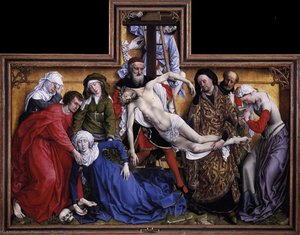
Zdjęcie z krzyża
 Obraz olejny na płycie
- Sztuka ścienna
- Wczesnorenesans malarstwa niderlandzkiego
 1435
1435- Renesans
 220.0 x 262.0 cm
 Muzeum Prado
 Czytaj więcej
Giclée / Wydruk artystyczny
Wydruki giclée lub płótna o jakości muzealnej, szybka realizacja i szeroki wybór opcji wykończenia. ( Kup ręcznie malowany obraz Przełącz na wersję cyfrową)




P118B $10

P118H $10

P118W $10

P438Z $10

P508JH $12

P508YH $12

P805H $10

P805Z $10

P919BZ $10

P919G $10

P919XJ $10

P959ZH $10

P968JZ $12

W106C $8

W218G $10

W218JH $8

W218Y $10

W307PJ $10

W316G $10

W316PJ $8

W316Y $10

W398PJ $8

W4111J $10

W500HY $15

W500JH $15

W692G $12

W849H $8

W940BG $15

W953PJ $8




Wybierz spośród naszych standardowych rozmiarów, które zachowują oryginalne proporcje dzieła sztuki.

Możesz wprowadzić własne wymiary, aby dopasować dzieło do konkretnej ramy lub przestrzeni. Jeśli wybrany rozmiar nie będzie odpowiadał proporcjom oryginalnego obrazu, przytniecie dzieło lub rozszerzymy obraz za pomocą odbicia lustrzanego lub jednolitego wypełnienia krawędzi. Przed rozpoczęciem produkcji prześlemy cyfrową wizualizację do Twojej akceptacji.
Prosimy pamiętać, że podgląd na ekranie nie odzwierciedla faktycznego przycinania ani rozszerzania. Tylko wizualizacja dokładnie pokaże końcową kompozycję.
Mimo dostępności niestandardowych rozmiarów, zalecamy wybór wymiaru z listy zdefiniowanej, aby zachować oryginalne proporcje.
Dostawa na cały świat () w ciągu 2 tygodni zamiast standardowych 4/5 tygodni. (18 Wrzesień)

Bezpłatna ekspresowa wysyłka na cały świat

Wysokiej jakości płótno lniane

Pełne ubezpieczenie transportowe

Gwarancja zwrotu należności celnych i podatków importowych

Gwarancja idealnego odwzorowania barw

100-dniowy okres na zwrot dzieła w przypadku wykrycia wad produkcyjnych

Gwarancja 100% zwrotu pieniędzy

Oferta przy zakupie wielu sztuk
 Opcja ze szkłem jest dostępna wyłącznie w rozmiarach poniżej 110 cm

Zdjęcie z krzyża
Giclée / Wydruk artystyczny
Rozmiar reprodukcji
-


Suma do zapłaty
$ 80
Arcydzieło pobożności i żalu
W cichych, uświęconych korytarzach historii sztuki niewiele dzieł potrafi poruszyć duszę z tak natychmiastową, wręcz fizyczną intensywnością, jak Zdjęcie z krzyża Rogiera van der Weydena. Dokończony około 1435 roku, ten monumentalny obraz tablicowy nie jest jedynie przedstawieniem biblijnego wydarzenia; to głęboki krajobraz psychologiczny, który chwyta samą istotę ludzkiego smutku. Scena rozwija się z zapierającym dech w piersiach poczuciem dramatyzmu, ukazując moment, w którym Chrystus jest zdejmowany z krzyża, a jego bezwładne ciało podtrzymywane jest przez tych, którzy kochali Go najbardziej. Gdy widz wpatruje się w tę świętą tablicę, nie staje się jedynie obserwatorem historycznej narracji, lecz świadkiem intymnego, bolesnego pożegnania. Kompozycja ta jest mistrzowskim przykładem architektury emocjonalnej, gdzie każde opadające ramię i każda twarz naznaczona łzami przyczynia się do zbiorowego doświadczenia żałoby, które wykracza poza granice stuleci.
Techniczna genialność Van der Weydena tkwi w jego zdolności do połączenia skrupulatnej precyzji tradycji wczesnoniderlandzkiej z niespotykaną głębią emocjonalną. Wykorzystując wyrafinowane podejście do sfumato, artysta subtelnie miesza barwy, tworząc miękkie, nastrojowe przejścia, które nadają postaciom niemal żywotną jakość. Jego przeszłość wykształconego złotnika jest widoczna w kunsztownym oddaniu tekstur; można niemal poczuć ciężar aksamitnych draperii, chłód skóry oraz misterne detale szat. To hiperrealistyczne podejście służy wyższemu celowi: czyniąc świat fizyczny tak namacalnym, artysta sprawia, że duchowe cierpienie postaci staje się niepodważalnie realne. Żywe kolory podstawowe — głębokie czerwienie, niebiańskie błękity i nieskazitelne biele — nie są jedynie dekoracyjne, lecz służą prowadzeniu wzroku przez złożoną choreografię bólu.
Symbolika i język światła
Każdy element tej kompozycji jest nasycony symbolicznym znaczeniem, zaprojektowanym tak, by zapraszać do głębokiej kontemplacji. Układ postaci tworzy uderzający rytm wizualny, często zauważany ze względu na swoją konfigurację w kształcie litery T, która subtelnie przypomina kształt kuszy — co stanowi ukłon w stronę cechu łuczników z Leuven, który zamówił ten wspaniały ołtarz. Maryja, Matka Chrystusa, pełni rolę emocicznej kotwicy dzieła; jej postawa głębokiej pokory i matczynego współczucia odzwierciedla bezwładną, złamaną formę Jej syna. To lustrzane odbicie stanów fizycznych sugeruje duchową jedność w ich cierpieniu. Nawet światło wewnątrz obrazu odgrywa rolę narracyjną, oświetlając twarze żałobników, aby uwypuklić ich indywidualne reakcje — od stoickiej siły Nikodema po gorliwą oddaność Marii Magdaleny.
Dla wymagającego kolekcjonera lub projektanta wnętrz wysokiej jakości reprodukcja tego arcydzieła oferuje coś więcej niż tylko estetyczne piękno; wnosi ona do przestrzeni poczucie historycznej powagi i intelektualnej głębi. Zdjęcie z krzyża jest świadectwem potęgi sztuki w chwytaniu najbardziej złożonych ludzkich emocji. Bez względu na to, czy zostanie umieszczone w starannie wyselekcjonowanej galerii, czy jako centralny punkt wyrafinowanego gabinetu, dzieło to inspiruje nastrój czci i cichej refleksji. Staje ono jako trwały symbol renesansu burgundzkiego, przypominając nam, że prawdziwe piękno często kryje się w najbardziej kruchych i głębokich momentach ludzkiej egzystencji.
Biografia artysty
A Master of Emotion: The Life and Legacy of Rogier van der Weyden
Rogier de la Pasture – known to history as Rogier van der Weyden – emerged around 1400 in the vibrant city of Tournai, nestled within what is now Belgium. His early life remains somewhat shrouded in mystery, but it’s believed he initially honed his skills not with brush and pigment alone, but as a goldsmith. This formative training instilled within him an unwavering dedication to meticulous detail and a refined sensibility for craftsmanship – qualities that would become hallmarks of his artistic style. The precision demanded by working with precious metals undoubtedly translated into the exquisite rendering of textures, fabrics, and expressions that define his masterpieces. He wasn’t merely depicting reality; he was recreating it with painstaking accuracy, imbued with an almost reverent attention to detail.From Tournai to Brussels: A Rising Star
By 1427, van der Weyden had ascended to the rank of master within the Guild of Saint Luke in Tournai, a testament to his burgeoning talent and skill. This marked a significant turning point, solidifying his position as a professional artist and opening doors to important commissions. His ascent continued when he entered the service of Philip the Good, Duke of Burgundy, in 1435 – a patronage that would profoundly shape his career for the remainder of his life. Serving as court painter afforded him not only financial security but also access to an elite circle of influence and exposure to some of the most discerning eyes of the era. It was during this period that van der Weyden’s artistic vision truly began to mature, moving away from the somewhat rigid conventions of earlier Netherlandish painters towards a more emotionally resonant and naturalistic approach. He wasn't simply painting religious scenes; he was striving to evoke genuine feeling in the viewer, to create an experience that transcended mere observation.The Language of Feeling: Style and Technique
Rogier van der Weyden’s artistic signature is immediately recognizable through several defining characteristics. His palette was remarkably rich and diverse, a vibrant tapestry of colors carefully chosen to avoid repetition and create depth and complexity within his compositions. He possessed an extraordinary ability to convey profound emotion – *pathos* – particularly in depictions of religious subjects like the Lamentation, where grief and sorrow are palpable. This emotional intensity wasn’t achieved through dramatic gestures or exaggerated expressions; rather, it was subtly woven into the very fabric of the painting, conveyed through delicate nuances of facial expression, body language, and composition. His figures, while adhering to the conventions of the time, demonstrate a growing interest in realistic representation – not just in anatomy and drapery, but also in capturing the psychological states of his subjects. They possess a dignified, almost sculptural quality, particularly evident in his grand triptychs, lending them an air of solemnity and reverence. He masterfully employed oil paint, building up layers of translucent glazes to achieve luminous effects and create a sense of depth and realism that was revolutionary for its time.Notable Works and Enduring Masterpieces
Throughout his prolific career, van der Weyden produced numerous works that stand as testaments to his artistic prowess. *St Luke Drawing a Portrait of the Madonna*, housed in the Museum of Fine Arts, Boston, showcases his mastery of oil on panel and meticulous observation. The *Lamentation*, residing in the Musée des Beaux-Arts Tournai, Belgium, is perhaps his most celebrated work – a powerfully emotive depiction of Christ’s mourning, renowned for its dramatic use of *chiaroscuro* and its ability to evoke profound sorrow in the viewer. Multiple versions of *The Deposition* exist, each demonstrating his skill in conveying grief and drama with breathtaking sensitivity. The *Annunciation*, a masterpiece of refined style and attention to detail, exemplifies his ability to imbue even the most traditional subjects with a sense of freshness and vitality. And finally, the intricate and richly detailed *Bladelin Triptych* stands as a monumental achievement – a complex altarpiece that showcases the full range of van der Weyden’s artistic abilities. These works, and many others, continue to captivate audiences today, solidifying his position as one of the most important painters of the 15th century.Lasting Influence: A Legacy Forged in Paint
Van der Weyden’s influence extended far beyond the borders of his native Flanders. His works were highly sought after throughout Europe, particularly in Italy and Spain, where they introduced a new level of emotional depth and naturalism to local artistic traditions. Although his fame experienced a period of relative decline in the 17th century, a rediscovery during the 19th century cemented his place as one of the most important painters of the 15th century. He stands alongside Jan van Eyck and Robert Campin as one of the “three great” Early Flemish masters, each contributing uniquely to the development of Northern Renaissance art. His innovative techniques and emotionally charged compositions paved the way for future generations of artists, inspiring countless imitators and influencing the course of Western painting for centuries to come. He helped establish oil painting as the dominant medium and elevated the status of the artist within society, transforming them from skilled craftsmen into revered creators. Rogier van der Weyden’s legacy continues to resonate today, a testament to his enduring genius and his profound understanding of the human condition.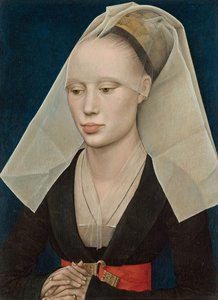
Rogier van der Weyden
1400 - 1464 , Belgia
Najważniejsze informacje
- Artistic Movement Or Style: Rannolatyńska malarstwo
- Artists Or Movements Influenced By This Artist:
- Włoskie renesans
- Hiszpańskie malarstwo
- Artists Who Influenced This Artist:
- Robert Campin
- Jan van Eyck
- Date Of Birth: c. 1400
- Date Of Death: 1464
- Full Name: Rogier van der Weyden
- Nationality: Belgijczyk
- Notable Artworks:
- Lamentacja
- Odpoczynek
- Obmówienie Marii
- Place Of Birth: Tournai, Belgia
Zobacz także powiązane artykuły

10 Arcydzieł Wczesnoniderlandzkiego Malarstwa, które Zdefiniowały Epokę | Reprodukcje Obrazów
Odkryj 10 arcydzieł wczesnoniderlandzkiego malarstwa! Poznaj historie van Eycka, Weydena i Memlinga. Reprodukcje obrazów najwyższej jakości dla Twojego wnętrza. Inspiracje i dekoracje ścienne na OriginalUniqueArt.com

Północny Renesans: Rozkwit Realizmu, Reformacji Religijnej i Artystycznych Innowacji
Poznaj fascynujący świat Północnego Renesansu! Odkryj realizm flamandzkich mistrzów, wpływ reformacji na sztukę i arcydzieła van Eycka, Weydena i Boscha. Ekspercka analiza historii i innowacji artystycznych.

Hugo van der Goes: Devotion, Innovation & the Psychological Depth of Early Netherlandish Painting
Explore the revolutionary art of Hugo van der Goes – a master of Early Netherlandish painting renowned for his dramatic realism, psychological depth & profound influence on Renaissance artists. Discover his iconic works and lasting legacy.

Rogier van der Weyden: Emotion, Innovation & the Early Netherlandish Renaissance
Explore the revolutionary art of Rogier van der Weyden, a pivotal figure of the Early Netherlandish Renaissance. Discover his emotional realism, innovative compositions, and lasting impact on painting history.
10 Arcydzieł Wczesnego Renesansu Niderlandzkiego: Sztuka i Dekoracja Domu
Odkryj 10 arcydzieł wczesnego renesansu niderlandzkiego! Poznaj historie van Eycka, Rogiera van der Weydena i innych mistrzów. Reprodukcje obrazów najwyższej jakości dla Twojego wnętrza – OriginalUniqueArt.com