

 Podgląd w skali
 Wyślij jako kartkę
 Udostępnij
 Szczegóły dzieła

 Pobierz
 Podobne obiekty
 RTG
RTG Pokaz slajdów
Tryptyk Pierre'a Bladelina (detal)
 Obraz olejny na płycie
- Sztuka ścienna
- Wczesnorenesans niderlandzki
 1445
1445- Renesans
 Staatliche Museen zu Berlin
 Rozwiń treść
Giclée / Wydruk artystyczny
Druk giclée lub płótno o jakości muzealnej, szybka realizacja i szeroki wybór opcji wykończenia. ( Zamów ręcznie malowaną reprodukcję Kup obraz wysokiej rozdzielczości)




P118B $10

P118H $10

P118W $10

P438Z $10

P508JH $12

P508YH $12

P805H $10

P805Z $10

P919BZ $10

P919G $10

P919XJ $10

P959ZH $10

P968JZ $12

W106C $8

W218G $10

W218JH $8

W218Y $10

W307PJ $10

W316G $10

W316PJ $8

W316Y $10

W398PJ $8

W4111J $10

W500HY $15

W500JH $15

W692G $12

W849H $8

W940BG $15

W953PJ $8




Wybierz spośród naszych standardowych rozmiarów, które zachowują oryginalne proporcje dzieła sztuki.

Możesz wprowadzić własne wymiary, aby dopasować dzieło do konkretnej ramy lub przestrzeni. Jeśli wybrany rozmiar nie będzie odpowiadał proporcjom oryginalnego obrazu, przytniecie dzieło lub rozszerzymy obraz za pomocą odbicia lustrzanego lub jednolitego wypełnienia krawędzi. Przed rozpoczęciem produkcji prześlemy cyfrową wizualizację do Twojej akceptacji.
Prosimy pamiętać, że podgląd na ekranie nie odzwierciedla faktycznego przycinania ani rozszerzania. Tylko wizualizacja dokładnie pokaże końcową kompozycję.
Mimo dostępności niestandardowych rozmiarów, zalecamy wybór wymiaru z listy zdefiniowanej, aby zachować oryginalne proporcje.
Dostawa na cały świat () w ciągu 2 tygodni zamiast standardowych 4/5 tygodni. (25 Sierpień)

Bezpłatna ekspresowa wysyłka na cały świat

Wysokiej jakości płótno lniane

Pełne ubezpieczenie przesyłki

Gwarancja zwrotu należności celnych i podatków importowych

Gwarancja wiernego odwzorowania kolorów

Polityka 60-dniowego zwrotu (tylko w przypadku wad)

Gwarancja 100% zwrotu kosztów

Zniżka przy zamówieniu wielu produktów
 Opcja ze szkłem jest dostępna wyłącznie w rozmiarach poniżej 110 cm

Tryptyk Pierre'a Bladelina (detal)
Giclée / Wydruk artystyczny
Wymiary reprodukcji
-


Cena całkowita
$ 80
Opis kolekcjonerski
Świadectwo wiary: Odkrywając Tryptyk Pierre’a Bladelina autorstwa Rogiera van der Weydena
„Tryptyk Pierre’a Bladelina” Rogiera van der Weydena, znajdujący się w zbiorach Staatliche Museen Berlin, stanowi kamień milowy malarstwa wczesnoniderlandzkiego – epoki definiowanej przez głęboką duchowość i niezwykle precyzyjne wykonanie artystyczne. Dzieło to, ukończone około lat 1445–1450, to monumentalna olej na dębowej desce kompozycja, która wykracza poza zwykłą reprezentację; ucieleśnia ona niezłomną wierność chrześcijańskiej ikonografii i wprowadza widza w stan głębokiej kontemplacji.
- Kompozycja i narracja: Tryptyk przedstawia Maryję tulącą Jezusa na tle zamku – był to świadomy wybór, odzwierciedlający średniowieczne ideały świętości oraz królewskiej godności. Dwaj klęczący mężczyźni gorliwie modlą się przed nimi, symbolizując pokutę i błagalną prośbę. Postać konia na prawym skrzydle dodaje element ziemskiego realizmu, być może reprezentując codzienne życie lub upamiętniając ważne wydarzenie.
- Technika i detal: Mistrzostwo van der Weydena objawia się w jego niezwykłej dbałości o szczegół – od subtelnych fałd szat po świetliste tony skóry, osiągnięte dzięki technice laserunku. Artysta po mistrzowsku wykorzystuje światłocień, tworząc dramatyczne kontrasty światła i cienia, które potęgują emocjonalny przekaz i nasycają scenę namacalną atmosferą.
- Symbolika i znaczenie religijne: Tło zamku symbolizuje boską opiekę i majestat, odzwierciedlając rolę Maryi jako Królowej Niebios. Koń reprezentuje pokorę i sprawy ziemskie zestawione z duchowymi aspiracjami – jest to powracający motyw w sztuce średniowiecznej, mający na celu budzenie pobożności.
Porównawcza rezonans z Zwiastowaniem Fra Angelico
„Tryptyk Pierre’a Bladelina” wykazuje uderzające podobieństwa do „Zwiastowania” Fra Angelico, innego przełomowego dzieła wczesnego renesansu. Obaj artyści priorytetowo traktują przekazywanie duchowych emocji poprzez spokojne kompozyczeniu i świetliste palety barw – co stanowi znak rozpoznawczy ich własnych stylów. Przedstawienie Maryi przyjmującej boską wiadomość od Gabriela podkreśla wagę wiary i pokory, odzwierciedlając tematy dominujące w obu tych arcydziełach.
Dziedzictwo trwające przez wieki
Wpływ van der Weydena wykracza daleko poza krąg jego bezpośrednich współczesnych. Jego niezachwiane przywiązanie do realizmu, połączone z ekspresyjną emocjonalnością, ustanowiło wzorzec dla kolejnych pokoleń malarzy – inspirując artystów takich jak Rafael czy Michał Anioł do dążenia do podobnego poziomu artystycznego osiągnięć. Dziś reprodukcje „Tryptyku Pierre’a Bladelina” nieustannie zachwycają odbiorców na całym świecie, służąc jako przypomnienie o trwałej mocy sztuki religijnej.
Poszukiwanie artystycznej inspiracji
Niezwykła precyzja detalu i emocjonalny portret w Tryptyku Pierre’a Bladelina oferują bezcenną wgląd w wrażliwość artystyczną tamtej epoki. Warto zastanowić się, w jaki sposób te zasady mogą zainspirować własne działania twórcze – niezależnie od tego, czy jesteś malarzem, rzeźbiarzem czy projektantem, który pragnie wywołać podobne uczucia czci i zadumy.
O artyście
A Master of Emotion: The Life and Legacy of Rogier van der Weyden
Rogier de la Pasture – known to history as Rogier van der Weyden – emerged around 1400 in the vibrant city of Tournai, nestled within what is now Belgium. His early life remains somewhat shrouded in mystery, but it’s believed he initially honed his skills not with brush and pigment alone, but as a goldsmith. This formative training instilled within him an unwavering dedication to meticulous detail and a refined sensibility for craftsmanship – qualities that would become hallmarks of his artistic style. The precision demanded by working with precious metals undoubtedly translated into the exquisite rendering of textures, fabrics, and expressions that define his masterpieces. He wasn’t merely depicting reality; he was recreating it with painstaking accuracy, imbued with an almost reverent attention to detail.From Tournai to Brussels: A Rising Star
By 1427, van der Weyden had ascended to the rank of master within the Guild of Saint Luke in Tournai, a testament to his burgeoning talent and skill. This marked a significant turning point, solidifying his position as a professional artist and opening doors to important commissions. His ascent continued when he entered the service of Philip the Good, Duke of Burgundy, in 1435 – a patronage that would profoundly shape his career for the remainder of his life. Serving as court painter afforded him not only financial security but also access to an elite circle of influence and exposure to some of the most discerning eyes of the era. It was during this period that van der Weyden’s artistic vision truly began to mature, moving away from the somewhat rigid conventions of earlier Netherlandish painters towards a more emotionally resonant and naturalistic approach. He wasn't simply painting religious scenes; he was striving to evoke genuine feeling in the viewer, to create an experience that transcended mere observation.The Language of Feeling: Style and Technique
Rogier van der Weyden’s artistic signature is immediately recognizable through several defining characteristics. His palette was remarkably rich and diverse, a vibrant tapestry of colors carefully chosen to avoid repetition and create depth and complexity within his compositions. He possessed an extraordinary ability to convey profound emotion – *pathos* – particularly in depictions of religious subjects like the Lamentation, where grief and sorrow are palpable. This emotional intensity wasn’t achieved through dramatic gestures or exaggerated expressions; rather, it was subtly woven into the very fabric of the painting, conveyed through delicate nuances of facial expression, body language, and composition. His figures, while adhering to the conventions of the time, demonstrate a growing interest in realistic representation – not just in anatomy and drapery, but also in capturing the psychological states of his subjects. They possess a dignified, almost sculptural quality, particularly evident in his grand triptychs, lending them an air of solemnity and reverence. He masterfully employed oil paint, building up layers of translucent glazes to achieve luminous effects and create a sense of depth and realism that was revolutionary for its time.Notable Works and Enduring Masterpieces
Throughout his prolific career, van der Weyden produced numerous works that stand as testaments to his artistic prowess. *St Luke Drawing a Portrait of the Madonna*, housed in the Museum of Fine Arts, Boston, showcases his mastery of oil on panel and meticulous observation. The *Lamentation*, residing in the Musée des Beaux-Arts Tournai, Belgium, is perhaps his most celebrated work – a powerfully emotive depiction of Christ’s mourning, renowned for its dramatic use of *chiaroscuro* and its ability to evoke profound sorrow in the viewer. Multiple versions of *The Deposition* exist, each demonstrating his skill in conveying grief and drama with breathtaking sensitivity. The *Annunciation*, a masterpiece of refined style and attention to detail, exemplifies his ability to imbue even the most traditional subjects with a sense of freshness and vitality. And finally, the intricate and richly detailed *Bladelin Triptych* stands as a monumental achievement – a complex altarpiece that showcases the full range of van der Weyden’s artistic abilities. These works, and many others, continue to captivate audiences today, solidifying his position as one of the most important painters of the 15th century.Lasting Influence: A Legacy Forged in Paint
Van der Weyden’s influence extended far beyond the borders of his native Flanders. His works were highly sought after throughout Europe, particularly in Italy and Spain, where they introduced a new level of emotional depth and naturalism to local artistic traditions. Although his fame experienced a period of relative decline in the 17th century, a rediscovery during the 19th century cemented his place as one of the most important painters of the 15th century. He stands alongside Jan van Eyck and Robert Campin as one of the “three great” Early Flemish masters, each contributing uniquely to the development of Northern Renaissance art. His innovative techniques and emotionally charged compositions paved the way for future generations of artists, inspiring countless imitators and influencing the course of Western painting for centuries to come. He helped establish oil painting as the dominant medium and elevated the status of the artist within society, transforming them from skilled craftsmen into revered creators. Rogier van der Weyden’s legacy continues to resonate today, a testament to his enduring genius and his profound understanding of the human condition.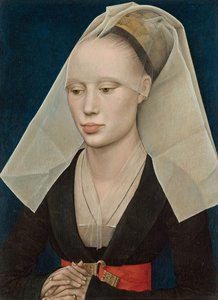
Rogier van der Weyden
1400 - 1464 , Belgia
Krótka nota
- Artistic Movement Or Style: Rannolatyńska malarstwo
- Artists Or Movements Influenced By This Artist:
- Włoskie renesans
- Hiszpańskie malarstwo
- Artists Who Influenced This Artist:
- Robert Campin
- Jan van Eyck
- Date Of Birth: c. 1400
- Date Of Death: 1464
- Full Name: Rogier van der Weyden
- Nationality: Belgijczyk
- Notable Artworks:
- Lamentacja
- Odpoczynek
- Obmówienie Marii
- Place Of Birth: Tournai, Belgia
Powiązane artykuły

Trwała Spuścizna Malarstwa Olejnego: Technika, Historia i Estetyczny Wpływ
Poznaj historię i technikę malarstwa olejnego! Eksperckie artykuły o konserwacji, renowacji oraz współczesnych zastosowaniach. Dowiedz się więcej o mistrzach i trwałości obrazów olejnych.

Olej na płótnie: Historia, techniki i ponadczasowy urok malarskiego medium
Poznaj historię i techniki malarstwa olejowego! Od renesansowych mistrzów po współczesne zastosowania – wszystko o oleju na płótnie. Poradniki, konserwacja i inspiracje dla pasjonatów sztuki.

The Enduring Power of Painting: A Historical & Contemporary Exploration of Form and Emotion
Explore the rich history & enduring techniques of oil painting with OriginalUniqueArt. Discover masterpieces, learn about art collecting, and find authentic handmade reproductions crafted by skilled artists.

Świt Nowej Wizji: Kompleksowe Studium Ruchu Wczesnorenesansowego Niderlandów
Odkryj fascynujący świat renesansu niderlandzkiego! Kompleksowa analiza sztuki, humanizmu i technik malarskich XV wieku. Ekspercka wiedza dla miłośników historii sztuki.

Trwała Spuścizna Farby Olejnej: Technika, Historia i Emocjonalny Rezonans w Zachodniej Sztuce
Odkryj fascynującą historię i technikę malarstwa olejnego! Poznaj sekrety mistrzów, wpływ światłocienia (chiaroscuro) oraz emocjonalny rezonans klasycznych dzieł. Poradniki konserwacji i trwałości obrazów.



