Zobacz w skali 1:1
 Wyślij
 Udostępnij
 Szczegóły

 Pobierz plik obrazu
 Podobne obiekty
 RTG
RTG Pokaz slajdów
 Statystyki
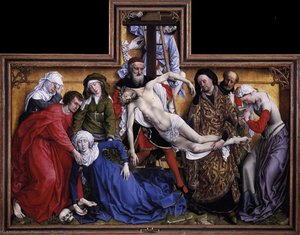
Tryptyk Pierre'a Bladelina (detal)
 Olej na płótnie
- Sztuka ścienna
- malarstwo wczesnoniderlandzkie
 1445
1445- Renesans
 Staatliche Museen zu Berlin
 Czytaj więcej
Giclée / Wydruk artystyczny
Wydruki giclée lub płótna o jakości muzealnej, szybka realizacja i szeroki wybór opcji wykończenia. ( Kup ręcznie malowany obraz Przełącz na wersję cyfrową)




P118B $10

P118H $10

P118W $10

P438Z $10

P508JH $12

P508YH $12

P805H $10

P805Z $10

P919BZ $10

P919G $10

P919XJ $10

P959ZH $10

P968JZ $12

W106C $8

W218G $10

W218JH $8

W218Y $10

W307PJ $10

W316G $10

W316PJ $8

W316Y $10

W398PJ $8

W4111J $10

W500HY $15

W500JH $15

W692G $12

W849H $8

W940BG $15

W953PJ $8




Wybierz spośród naszych standardowych rozmiarów, które zachowują oryginalne proporcje dzieła sztuki.

Możesz wprowadzić własne wymiary, aby dopasować dzieło do konkretnej ramy lub przestrzeni. Jeśli wybrany rozmiar nie będzie odpowiadał proporcjom oryginalnego obrazu, przytniecie dzieło lub rozszerzymy obraz za pomocą odbicia lustrzanego lub jednolitego wypełnienia krawędzi. Przed rozpoczęciem produkcji prześlemy cyfrową wizualizację do Twojej akceptacji.
Prosimy pamiętać, że podgląd na ekranie nie odzwierciedla faktycznego przycinania ani rozszerzania. Tylko wizualizacja dokładnie pokaże końcową kompozycję.
Mimo dostępności niestandardowych rozmiarów, zalecamy wybór wymiaru z listy zdefiniowanej, aby zachować oryginalne proporcje.
Dostawa na cały świat () w ciągu 2 tygodni zamiast standardowych 4/5 tygodni. (18 Wrzesień)

Bezpłatna ekspresowa wysyłka na cały świat

Wysokiej jakości płótno lniane

Pełne ubezpieczenie transportowe

Gwarancja zwrotu należności celnych i podatków importowych

Gwarancja idealnego odwzorowania barw

100-dniowy okres na zwrot dzieła w przypadku wykrycia wad produkcyjnych

Gwarancja 100% zwrotu pieniędzy

Oferta przy zakupie wielu sztuk
 Opcja ze szkłem jest dostępna wyłącznie w rozmiarach poniżej 110 cm

Tryptyk Pierre'a Bladelina (detal)
Giclée / Wydruk artystyczny
Rozmiar reprodukcji
-


Suma do zapłaty
$ 80
Wizja Wiary: Rogier van der Weyden i fragment *Tryptyku Pierre'a Bladelina*
Ten zachwycający detal z arcydzieła Rogiera van der Weydena oferuje urzekający wgląd w samo serce XV-wiecznej flamandzkiej sztuki, odsłaniając głęboką chwilę religijnej pobożności i ludzkiego porozumienia.Temat i Narracja
Przedstawiona scena stanowi fragment *Adoracji Trzech Króli*, kluczowego epizodu z opowieści o Narodzeniu Pańskim. Jesteśmy świadkami kulminacji podróży mędrców, którzy zbliżają się do niemowlęcego Jezusa, Maryi oraz Józefa. Kompozycja, nawet w tym niewielkim fragmzględzie, tętni nabożnym skupieniem; postacie zostały starannie rozmieszczone, aby przyciągnąć wzrok ku centralnej Świętej Rodzinie. Wśród nich dostrzec można św. Franciszka trzymającego świecę – to przejmujący element, który dodaje dziełu kolejnej warstwy duchowego znaczenia. Z prawej strony spogląda anioł, dopełniając to niebiańskie zgromadzenie.Styl i Technika: Szczyt Malarstwa Wczesnoniderlandzkiego
Styl van der Weydena jest tutaj natychmiast rozpoznawalny. Ucieleśnia on cechy charakterystyczne dla szkoły wczesnoniderlandzkiej – skrupulatną dbałość o detal, bogatą kolorystykę oraz niemal rzeźbiarską jakość w przedstawieniu postaci. Artysta po mistrzowsku posługuje się farbą olejną, nakładając kolejne warstwy cienkich laserunków, aby osiągnąć niezwykłą świetlistość i głębię. Perspektywa, choć nie w pełni rozwinięta według standardów renesansowych, buduje zainteresowanie przestrzenne poprzez staranne warstwowanie i nakładanie na siebie form. Linie są precyzyjne i wyraźne, co przyczynia się do poczucia strukturalnej elegancji.Symbolika i Znaczenie
Scena *Adoracji* jest przesycona symboliką. Reprezentuje ona uznanie Jezusa za Mesjasza zarówno przez lud żydowski, jak i pogan – co stanowi uniwersalne przesłanie wiary. Dary przyniesione przez Trzech Króli symbolizują królewskość, boskość oraz człowieczeństwo Chrystusa. Obecność św. Franciszka podkreśla tematy pobożności, pokory i oddania, odzwierciedlając rosnące wpływy franciszkańskie w tym okresie. Całość sceny przemawia o nadejściu Bożej łaski na świat.Kontekst Historyczny: Mistrz na Dworze Burgundzkim
Rogier van der Weyden (ok. 1400–1464) był jednym z najbardziej pożądanych artystów swoich czasów, służąc jako malarz dworski Filipa Dobrego, Księcia Burgundii. Jego dzieła były niezwykle cenione i krążyły po całej Europie, inspirując kolejne pokolenia twórców. *Tryptyk Pierre'a Bladelina*, zamówiony przez bogatego kupca z Brukseli, stanowi przykład wyrafinowanego gustu i religijnego żaru dworu burgundzkiego. Zdolność van der Weydena do przekazywania emocji i psychologicznej głębi wyróżniała go na tle współczesnych mu mistrzów.Oddziaływanie Emocjonalne i Estetyka
Ten detal przywołuje poczucie cichej czci i głębokiej duchowości. Dramatyczne oświetlenie, z silnymi kontrastami między światłem a cieniem, potęguje emocjonalną intensywność sceny. Ciepła paleta barw – zdominowana przez czerwienie, złoto i brązy – tworzy atmosferę bliskości i intymności. Dla kolekcjonerów i projektantów wnętrz dzieło to oferuje ponadczasową elegancję, która wzbogaci każdą przestrzeń, wprowadzając powiew wyrafinowania dawnych mistrzów oraz kontemplacyjnego piękna.Kluczowe Cechy w Pigułce:
- Artysta: Rogier van der Weyden
- Data: 1445
- Technika: Olej na desce (detal)
- Styl: Wczesnoniderlandzki, Późny Gotyk
- Temat: Adoracja Trzech Króli
Biografia artysty
A Master of Emotion: The Life and Legacy of Rogier van der Weyden
Rogier de la Pasture – known to history as Rogier van der Weyden – emerged around 1400 in the vibrant city of Tournai, nestled within what is now Belgium. His early life remains somewhat shrouded in mystery, but it’s believed he initially honed his skills not with brush and pigment alone, but as a goldsmith. This formative training instilled within him an unwavering dedication to meticulous detail and a refined sensibility for craftsmanship – qualities that would become hallmarks of his artistic style. The precision demanded by working with precious metals undoubtedly translated into the exquisite rendering of textures, fabrics, and expressions that define his masterpieces. He wasn’t merely depicting reality; he was recreating it with painstaking accuracy, imbued with an almost reverent attention to detail.From Tournai to Brussels: A Rising Star
By 1427, van der Weyden had ascended to the rank of master within the Guild of Saint Luke in Tournai, a testament to his burgeoning talent and skill. This marked a significant turning point, solidifying his position as a professional artist and opening doors to important commissions. His ascent continued when he entered the service of Philip the Good, Duke of Burgundy, in 1435 – a patronage that would profoundly shape his career for the remainder of his life. Serving as court painter afforded him not only financial security but also access to an elite circle of influence and exposure to some of the most discerning eyes of the era. It was during this period that van der Weyden’s artistic vision truly began to mature, moving away from the somewhat rigid conventions of earlier Netherlandish painters towards a more emotionally resonant and naturalistic approach. He wasn't simply painting religious scenes; he was striving to evoke genuine feeling in the viewer, to create an experience that transcended mere observation.The Language of Feeling: Style and Technique
Rogier van der Weyden’s artistic signature is immediately recognizable through several defining characteristics. His palette was remarkably rich and diverse, a vibrant tapestry of colors carefully chosen to avoid repetition and create depth and complexity within his compositions. He possessed an extraordinary ability to convey profound emotion – *pathos* – particularly in depictions of religious subjects like the Lamentation, where grief and sorrow are palpable. This emotional intensity wasn’t achieved through dramatic gestures or exaggerated expressions; rather, it was subtly woven into the very fabric of the painting, conveyed through delicate nuances of facial expression, body language, and composition. His figures, while adhering to the conventions of the time, demonstrate a growing interest in realistic representation – not just in anatomy and drapery, but also in capturing the psychological states of his subjects. They possess a dignified, almost sculptural quality, particularly evident in his grand triptychs, lending them an air of solemnity and reverence. He masterfully employed oil paint, building up layers of translucent glazes to achieve luminous effects and create a sense of depth and realism that was revolutionary for its time.Notable Works and Enduring Masterpieces
Throughout his prolific career, van der Weyden produced numerous works that stand as testaments to his artistic prowess. *St Luke Drawing a Portrait of the Madonna*, housed in the Museum of Fine Arts, Boston, showcases his mastery of oil on panel and meticulous observation. The *Lamentation*, residing in the Musée des Beaux-Arts Tournai, Belgium, is perhaps his most celebrated work – a powerfully emotive depiction of Christ’s mourning, renowned for its dramatic use of *chiaroscuro* and its ability to evoke profound sorrow in the viewer. Multiple versions of *The Deposition* exist, each demonstrating his skill in conveying grief and drama with breathtaking sensitivity. The *Annunciation*, a masterpiece of refined style and attention to detail, exemplifies his ability to imbue even the most traditional subjects with a sense of freshness and vitality. And finally, the intricate and richly detailed *Bladelin Triptych* stands as a monumental achievement – a complex altarpiece that showcases the full range of van der Weyden’s artistic abilities. These works, and many others, continue to captivate audiences today, solidifying his position as one of the most important painters of the 15th century.Lasting Influence: A Legacy Forged in Paint
Van der Weyden’s influence extended far beyond the borders of his native Flanders. His works were highly sought after throughout Europe, particularly in Italy and Spain, where they introduced a new level of emotional depth and naturalism to local artistic traditions. Although his fame experienced a period of relative decline in the 17th century, a rediscovery during the 19th century cemented his place as one of the most important painters of the 15th century. He stands alongside Jan van Eyck and Robert Campin as one of the “three great” Early Flemish masters, each contributing uniquely to the development of Northern Renaissance art. His innovative techniques and emotionally charged compositions paved the way for future generations of artists, inspiring countless imitators and influencing the course of Western painting for centuries to come. He helped establish oil painting as the dominant medium and elevated the status of the artist within society, transforming them from skilled craftsmen into revered creators. Rogier van der Weyden’s legacy continues to resonate today, a testament to his enduring genius and his profound understanding of the human condition.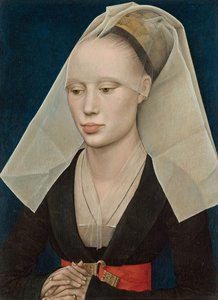
Rogier van der Weyden
1400 - 1464 , Belgia
Najważniejsze informacje
- Artistic Movement Or Style: Rannolatyńska malarstwo
- Artists Or Movements Influenced By This Artist:
- Włoskie renesans
- Hiszpańskie malarstwo
- Artists Who Influenced This Artist:
- Robert Campin
- Jan van Eyck
- Date Of Birth: c. 1400
- Date Of Death: 1464
- Full Name: Rogier van der Weyden
- Nationality: Belgijczyk
- Notable Artworks:
- Lamentacja
- Odpoczynek
- Obmówienie Marii
- Place Of Birth: Tournai, Belgia
Zobacz także powiązane artykuły

10 Arcydzieł Wczesnoniderlandzkiego Malarstwa, które Zdefiniowały Epokę | Reprodukcje Obrazów
Odkryj 10 arcydzieł wczesnoniderlandzkiego malarstwa! Poznaj historie van Eycka, Weydena i Memlinga. Reprodukcje obrazów najwyższej jakości dla Twojego wnętrza. Inspiracje i dekoracje ścienne na OriginalUniqueArt.com

Rogier van der Weyden: Emotion, Innovation & the Early Netherlandish Renaissance
Explore the revolutionary art of Rogier van der Weyden, a pivotal figure of the Early Netherlandish Renaissance. Discover his emotional realism, innovative compositions, and lasting impact on painting history.

Rembrandt van Rijn: 25 Najwybitniejszych Dzieł Sztuki – Reprodukcje i Inspiracje do Wnętrz
Poznaj 25 arcydzieł Rembrandta van Rijn! Odkryj fascynujące historie, techniki i wpływ holenderskiego mistrza baroku na świat sztuki. Reprodukcje obrazów najwyższej jakości – inspiracje do wnętrz na OriginalUniqueArt.com

10 Arcydzieł Wczesnego Renesansu Niderlandzkiego: Sztuka i Dekoracja Domu
Odkryj 10 arcydzieł wczesnego renesansu niderlandzkiego! Poznaj historie van Eycka, Rogiera van der Weydena i innych mistrzów. Reprodukcje obrazów najwyższej jakości dla Twojego wnętrza – OriginalUniqueArt.com

Hugo van der Goes: Devotion, Innovation & the Psychological Depth of Early Netherlandish Painting
Explore the revolutionary art of Hugo van der Goes – a master of Early Netherlandish painting renowned for his dramatic realism, psychological depth & profound influence on Renaissance artists. Discover his iconic works and lasting legacy.