
() ·
Obraz stworzony dla Ciebie, własnoręcznie
Ręcznie malowana reprodukcja olejowa
Ręcznie malowany obraz olejny na płótnie, wykonany na zamówienie przez naszych artystów w wybranym przez Ciebie wymiarze i oprawie. ( Przełącz na wydania drukowane Przejdź do wersji cyfrowej)
Opis obiektu
Admire Roelant Savery’s "Landscape with Animals" – a stunning 17th-century oil painting of Flemish landscapes & extinct dodos. Hand-painted reproduction available.
Biografia artysty
Discover Roelant Savery: Dutch Golden Age painter famed for dodo illustrations & Flemish landscapes. Explore his Mannerist style, botanical art, & European museum collections.
 Rozwiń treść
od ·
Rozdział 1
Jak duży powinien być ten format?
Przesuń suwak, aby zmienić rozmiar; obraz po lewej stronie przedstawia ramę w jej rzeczywistej szerokości. Zachowano proporcje oryginału.
Wybierz spośród naszych standardowych rozmiarów, które zachowują oryginalne proporcje dzieła sztuki.

Wpisz wymaganą szerokość i wysokość, aby obraz pasował do Twojej ramy lub ściany. Ponieważ jest to dzieło malowane ręcznie, w przypadku rozmiaru o innych proporcjach artysta może domalować nieco więcej wokół obrazu lub przyciąć jego fragmenty — wybór należy do Ciebie. Przed rozpoczęciem pracy prześlemy Ci cyfrową wizualizację do zatwierdzenia. Obraz widoczny na tej stronie nie przedstawia rzeczywistego efektu — jedynie wizualizacja oddaje realny rezultat.
Rozdział 2
W jaki sposób ma zostać dostarczone?
Wybierz krawędzie płótna naciągniętego na ramę
Wybierz ramę

Białe krawędzie zł1

rozmyte krawędzie zł1

Przedłużony zł1

P118B zł10

P118H zł10

P118W zł10

P438Z zł10

P508JH zł12

P508YH zł12

P805H zł10

P805Z zł10

P919BZ zł10

P919G zł10

P919XJ zł10

P959ZH zł10

P968JZ zł12

W106C zł8

W218G zł10

W218JH zł8

W218Y zł10

W307PJ zł10

W316G zł10

W316PJ zł8

W316Y zł10

W398PJ zł8

W4111J zł10

W500HY zł15

W500JH zł15

W692G zł12

W849H zł8

W940BG zł15

W953PJ zł8

H24-GOLD zł30

H24-SILVER zł30

H36-GOLD zł45

H36-SILVER zł45
W oprawie
Profil: . Wymiar całkowity w ramie: .
Rozdział 3
Kto go maluje i czy coś powinno ulec zmianie?
Po złożeniu zamówienia zespół OriginalUniqueArt.com skontaktuje się z klientem drogą mailową w celu uzyskania instrukcji i prześle podgląd projektu
Dostawa na całym świecie () w ciągu 3–4 tygodni zamiast standardowych 5 tygodni. (4 Listopad). Bez kompromisów w kwestii jakości.
Rozdział 4
Ostatnie szlify
Tabliczka informacyjna, jak w muzeum?
Szczegóły grawerowanej brązowej tabliczki
This elegant plaque features the artist's name and the title of the artwork, finely engraved for a timeless presentation.
It is made from bronze with a refined, elegant finish. The text is precisely laser-engraved for a sharp and permanent result. Measuring 9x2 cm, the plaque is compact yet easy to read. It's built to be durable and scratch-resistant, offering a professional, museum-quality look. Mounting is simple thanks to the included adhesive backing.
Szczegóły przezroczystej tabliczki akrylowej
The plaque includes essential engraved details such as the artist's name, the title of the artwork, the date it was created, the type of media used-like oil on canvas or watercolor-a brief description of the piece, and a QR code that links to the complete artwork information.
It is crafted from clear acrylic, offering a sleek, modern appearance. The text is UV-engraved in black to ensure strong visual contrast. With a size of 10x15 cm, it ensures optimal readability. It comes equipped with two metal hooks for secure wall mounting. The plaque is designed to be weather-resistant, making it suitable for various environments, and it includes interactive features that work seamlessly with smartphone scanning.
Szczegóły czarnej tabliczki akrylowej
This elegant plaque includes engraved information such as the artist's name, the title of the artwork, the date it was created, the type of media used (like oil on canvas or watercolor), a short description of the artwork, and a QR code for quick access to more information.
The plaque itself is made from refined black acrylic with a premium finish. The text is laser-engraved in white for high contrast and readability. Its size is 10x15 cm, designed to be easy to read. It comes with two metal hooks for professional mounting. The design is sleek and fits any interior style. It is also weather-resistant and durable, with built-in digital integration for mobile compatibility.
Werniks ochronny?
Kiedy potrzebujesz dostawy?
Rozdział 5
Twoje dzieło, dokładnie tak, jak zamówiłeś

Landscape with Animals
Technika reprodukcji
Wymiary reprodukcji
-

Wybitny mistrz artystyczny
Większa szczegółowość, finezja i dodatkowy czas na realizację
-

Opcje oprawy reprodukcji
-
-
W przypadku dzieł sztuki lub reprodukcji, których którykolwiek z boków przekracza 105 cm (około 41 cali), rama zostanie wysłana w formie zestawu do samodzielnego montażu. Metoda ta zapewnia bezpieczną dostawę i zapobiega uszkodzeniom podczas transportu.
Wymagany profesjonalny montaż – nie jest to produkt typu DIY.
Zestaw musi zostać złożony, a płótno naciągnięte przez doświadczonego profesjonalnego ramiarza, przy użyciu kleju do drewna (brak w zestawie), kleszczy do naciągania płótna oraz ścisków, które utrzymają krosna w równej pozycji podczas schnięcia kleju. Nieprawidłowy montaż lub nierównomierne napięcie płótna może trwale uszkodzić dzieło sztuki i nie podlega naszej gwarancji.
 W przypadku dzieł sztuki lub reprodukcji, których którykolwiek z boków przekracza 105 cm (około 41 cali), rama zostanie wysłana w formie zestawu do samodzielnego montażu. Metoda ta zapewnia bezpieczną dostawę i zapobiega uszkodzeniom podczas transportu.
W zestawie znajdują się wszystkie listwy z litego drewna, precyzyjnie docięte do wymiarów.
Montaż odbywa się przy użyciu dołączonych wkrętów oraz kleju do drewna do łączenia narożników, którego zestaw nie zawiera i który musi zostać dostarczony przez ramiarza.
Wymagane są profesjonalne narzędzia, których nie ma w zestawie: kleszcze do naciągania płótna (napinacz) oraz zaciski, które pozwolą utrzymać listwy w równej pozycji podczas schnięcia kleju.
Ważne:
Do połączenia narożników niezbędny jest klej do drewna, listwy należy unieruchomić za pomocą ścisków do momentu całkowitego wyschnięcia kleju, a naciągnięcie płótna na złożoną ramę wymaga użycia kleszczy do naciągania płótna. Żaden z tych elementów nie jest dołączony do zestawu. Przed zamówieniem tego rozmiaru zalecamy konsultację z doświadczonym ramiarzem.

Etykieta obiektu
-
-

Lakier ochronny
Lakier z połyskiem (pogłębia kolory, chroni przed światłem i wilgocią)
-

Personalizacja dzieła
Przykłady możliwości personalizacji: zastąp twarz zdjęciem klienta; dodaj zwierzę domowe (np. zamień kota na psa); umieść ukrytą wiadomość w tle; zmień krajobraz lub elementy tła.
-

Ekspresowa
Dostawa na cały świat () w ciągu 3–4 tygodni zamiast standardowych 5 tygodni. (4 Listopad). Bez kompromisów w kwestii jakości.
-
Przesyłka ekspresowa
Dostawa na cały świat () w ciągu 5 tygodni. (11 Listopad).
W cenie
Cena całkowita
zł 1165
Opcja ze szkłem jest dostępna wyłącznie w rozmiarach poniżej 110 cm
W każdym zamówieniu
- Bezpłatna ekspresowa wysyłka na cały świat
- Wysokiej jakości płótno lniane
- Pełne ubezpieczenie przesyłki
- Gwarancja zwrotu należności celnych i podatków importowych
- Gwarancja wiernego odwzorowania kolorów
- 100-dniowa polityka zwrotów (tylko w przypadku wad)
- Gwarancja 100% zwrotu pieniędzy
- Zniżka przy zakupie wielu sztuk


 Podgląd w skali 1:1
 Wyślij jako kartkę
 Udostępnij
 Szczegóły dzieła
 Przewodnik

 Pobierz obraz
 Podobne obiekty
 RTG
RTG Pokaz slajdów
 Pytania i odpowiedzi
 Statystyki
W liczbach
- 29dostępne ramy do wyboru
- standardowe formaty, w ich własnych proporcjach
- 5tygodni na namalowanie i dostarczenie dzieła
O oryginale

- 28.0 x 46.0 cm


Roelant Savery
1576 - 1639
Krótkie informacje o Roelant Savery
- Artistic Movement Or Style: Flemish, Mannerist
- Artists Or Movements Influenced By This Artist: ['Roelant Roghman']
- Artists Who Influenced This Artist:
- Hans Bol
- Gillis van Coninxloo
- Date Of Birth: 1576
- Date Of Death: 1639
- Full Name: Roelant Savery
- Nationality: Dutch
- Notable Artworks:
- Het Gulden Cabinet
- Dodo Illustrations
- Place Of Birth: Kortrijk, Flanders
Biografia artysty
Roelant Savery: A Flemish Master in the Dutch Golden Age
Born in Kortrijk, Belgium, around 1576 and tragically dying in Utrecht in 1639, Roelant Savery – often referred to as “de Savery” or simply Savery – stands as a compelling figure within the vibrant tapestry of the Dutch Golden Age. His life was one shaped by religious upheaval, artistic apprenticeship, and a remarkable ability to blend Flemish tradition with burgeoning Mannerist influences. More than just a painter, Savery became renowned for his distinctive illustrations, most notably his captivating depictions of the extinct dodo bird – images that continue to fascinate and inform our understanding of this unique period in art history.
Savery’s early life was profoundly impacted by the religious tensions of the time. Belonging to an Anabaptist family, he experienced the forced migration from Flanders to Haarlem around 1585, a common fate for those fleeing persecution under Spanish rule. This displacement shaped his artistic trajectory, exposing him to diverse influences and ultimately contributing to his distinctive style. His formal training began with his older brother, Jacob Savery – himself a respected painter – and the renowned Hans Bol, both masters of the Flemish tradition. These formative years instilled in him a deep appreciation for meticulous detail, rich color palettes, and a penchant for depicting scenes brimming with life and movement.
A Court Painter and Continental Explorer
Following his apprenticeship, Savery embarked on a journey that took him across Europe, culminating in a prestigious position as court painter to the emperors Rudolf II of Prague and Mathias of Vienna. This period proved pivotal, immersing him within the heart of Mannerist art – a style characterized by elongated figures, dramatic lighting, and an emphasis on symbolism and allegory. His time in Prague allowed him to study alongside some of the era’s most influential artists, absorbing their techniques and expanding his artistic horizons. He also traveled to Tyrol, dedicating himself to the detailed observation and documentation of flora, a skill that would later inform his stunning botanical illustrations.
Gillis d'Hondecoeter became Savery’s devoted pupil during this period, further solidifying the transmission of Flemish artistic principles. The influence of Hans Bol remained strong, particularly in Savery’s landscapes – characterized by their meticulous rendering of animals, plants, and architectural details. These works weren’t merely representations; they were carefully constructed narratives, often imbued with mythological or biblical themes, creating a rich visual language for the viewer.
The Utrecht Period: Landscapes, Still Lifes, and Dodos
Returning to Amsterdam in 1616, Savery established himself in Utrecht, where he quickly gained recognition as one of the city’s most successful painters. His studio became a hub of artistic activity, attracting fellow artists like Adam Willaerts and fostering a collaborative environment. The large house he acquired on Boterstraat was not just a residence; it served as a vibrant atelier, complete with a flourishing garden – a veritable living laboratory for his botanical studies and a gathering place for artistic discourse.
Savery’s oeuvre is remarkably diverse, encompassing meticulously rendered landscapes in the tradition of Gillis van Coninxloo, often embellished with an astonishing array of animals and plants. He was equally celebrated for his exquisite flower still lifes – elaborate arrangements presented within stone niches or on rustic tables, frequently incorporating intriguing elements like lizards and insects. However, it’s perhaps his illustrations of the dodo that have secured his enduring fame. His depictions, particularly those from 1626, are considered among the most iconic representations of this extinct bird, captivating audiences for centuries to come. These images weren't simply scientific records; they were imbued with a sense of wonder and fascination, reflecting Savery’s artistic sensibility.
Legacy and Influence
Despite his considerable success, Savery’s later life was marked by financial difficulties and personal struggles, possibly exacerbated by excessive drinking. He ultimately faced bankruptcy in 1638 and passed away shortly thereafter. However, his legacy endures through the remarkable quality of his work and his profound influence on subsequent generations of artists. His nephew, Hans Savery (known as Jan Savery), continued the family tradition, further developing the genre of animal painting and producing equally compelling dodo illustrations. Roelant Savery’s art continues to be studied and admired for its technical brilliance, its evocative atmosphere, and its unique blend of Flemish tradition and Mannerist innovation – a testament to the enduring power of his artistic vision.
Powiązane artykuły

John Constable: 25 Najlepszych Obrazów Mistrza Angielskiego Krajobrazu | OriginalUniqueArt
Odkryj 25 arcydzieł Johna Constable'a – mistrza angielskiego krajobrazu! Poznaj romantyczne pejzaże, technikę malarską i inspiracje z Dedham Vale. Reprodukcje obrazów najwyższej jakości na OriginalUniqueArt.com. Eksploruj pełną kolekcję online!

Echa Miejsca: Historyczna Podróż przez Sztukę Krajobrazu
Odkryj historię sztuki krajobrazu – od romantycznych wizji Friedricha po surrealistyczne pejzaże Dalego. Analizy, inspiracje i reprodukcje obrazów najwyższej jakości na OriginalUniqueArt.com.

Romantyczny Krajobraz w Malarstwie: 10 Arcydzieł, Które Zdefiniowały Epokę | OriginalUniqueArt.com
Odkryj 10 arcydzieł romantyzmu w malarstwie! Poznaj historie Caspara Davida Friedricha, Turnera i innych mistrzów. Inspiracje wnętrzarskie & reprodukcje obrazów najwyższej jakości na OriginalUniqueArt.com. Eksploruj kolekcję online!
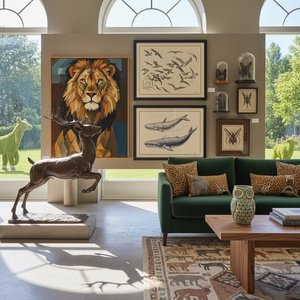
Zwierzęta w Sztuce: Wprowadzanie Życia do Twojej Przestrzeni
Odkryj fascynujący świat zwierząt w sztuce! Poznaj symbolikę, historię i współczesne interpretacje. Znajdź idealny obraz ze zwierzęciem do swojego wnętrza z .