

 Zobacz w skali 1:1
 Wyślij
 Udostępnij
 Szczegóły
 Przewodnik

 Pobierz plik obrazu
 Podobne obiekty
 RTG
RTG Pokaz slajdów
 Statystyki
Being With (Être Avec)
 Acrylic On Canvas
- WallArt
- Surrealist Abstraction
 1946
1946- Contemporary
 221.0 x 457.0 cm
 Metropolitan Museum of Art
 Czytaj więcej
Dzieło sztuki prezentowane na tej stronie podlega ochronie prawem autorskim, co oznacza, że nie mamy prawa do tworzenia ani sprzedaży jego identycznej reprodukcji. Ochrona ta jest egzekwowana na mocy umów międzynarodowych, takich jak Konwencja berneńska oraz przez przepisy prawa krajowego, w tym te określone w Prawo autorskie USA – Tytuł 17.
Jako pełną szacunku i legalną alternatywę oferujemy personalizowane, malowane ręcznie dzieła sztuki inspirowane oryginałem. Nasi wykwalifikowani i profesjonalni artyści starannie analizują styl, nastrój oraz artystyczną esencję pierwowzoru, aby stworzyć nowe, unikalne dzieło, które przywołuje te same emocje – pozostając jednocześnie w pełni oryginalną kreacją.
Metoda ta jest w pełni zgodna z przepisami prawa autorskiego, ponieważ nie polega na kopiowaniu ani powielaniu chronionego dzieła. Stanowi ona kreatywną reinterpretację – nowy obraz, który czerpie inspirację z oryginału, ale nie jest z nim tożsamy.
Ręcznie malowana reprodukcja olejowa
Ręcznie malowany obraz olejny na płótnie, wykonany na zamówienie przez naszych artystów w wybranym przez Ciebie wymiarze i oprawie. ( Przełącz na wersję drukowaną Przełącz na wersję cyfrową)




P118B zł10

P118H zł10

P118W zł10

P438Z zł10

P508JH zł12

P508YH zł12

P805H zł10

P805Z zł10

P919BZ zł10

P919G zł10

P919XJ zł10

P959ZH zł10

P968JZ zł12

W106C zł8

W218G zł10

W218JH zł8

W218Y zł10

W307PJ zł10

W316G zł10

W316PJ zł8

W316Y zł10

W398PJ zł8

W4111J zł10

W500HY zł15

W500JH zł15

W692G zł12

W849H zł8

W940BG zł15

W953PJ zł8




Wybierz spośród naszych standardowych rozmiarów, które zachowują oryginalne proporcje dzieła sztuki.

Wpisz wymaganą szerokość i wysokość, aby obraz pasował do Twojej ramy lub ściany. Ponieważ jest to dzieło malowane ręcznie, w przypadku rozmiaru o innym proporcji artysta może domalować nieco więcej wokół obrazu lub przyciąć fragmenty — wybór należy do Ciebie. Przed rozpoczęciem pracy prześlemy Ci cyfrową wizualizację do zatwierdzenia. Obraz widoczny na tej stronie nie przedstawia rzeczywistego efektu — jedynie wizualizacja oddaje realny rezultat.
Po złożeniu zamówienia zespół OriginalUniqueArt.com skontaktuje się z klientem drogą mailową w celu uzyskania instrukcji i prześle wizualizację projektu
Dostawa na całym świecie () w ciągu 3–4 tygodni zamiast standardowych 5 tygodni. (25 Październik). Bez kompromisów w kwestii jakości.

Bezpłatna ekspresowa wysyłka na cały świat

Wysokiej jakości płótno lniane

Pełne ubezpieczenie transportowe

Gwarancja zwrotu należności celnych i podatków importowych

Gwarancja idealnego odwzorowania barw

100-dniowy okres na zwrot dzieła w przypadku wykrycia wad produkcyjnych

Gwarancja 100% zwrotu pieniędzy

Oferta przy zakupie wielu sztuk
 Opcja ze szkłem jest dostępna wyłącznie w rozmiarach poniżej 110 cm

Being With (Être Avec)
Technika wykonania
Rozmiar reprodukcji
-


Suma do zapłaty
zł 1151
The Labyrinthine Psyche: Exploring Roberto Matta’s “Being With”
Roberto Matta's "Being With" (1946) isn’t merely a painting; it’s an immersion into the fractured, dreamlike landscape of the subconscious. Painted during his formative years in New York City – a period deeply influenced by the anxieties and transformations following World War II – this monumental canvas pulsates with a potent blend of Surrealist imagery, architectural distortion, and unsettling human forms. Matta, a Chilean artist who navigated the currents of European avant-garde movements before establishing himself as a key figure in American Abstract Expressionism, crafted a work that speaks directly to the societal unease of the time, reflecting on the very act of “being” within a world grappling with profound change.

A Symphony of Architectural Distortion
The painting’s immediate impact is one of overwhelming complexity and disorientation. A dense, labyrinthine structure dominates the composition – a chaotic assemblage of towering buildings, bridges, and fragmented walls that seem to both contain and simultaneously repel the viewer. These aren't recognizable architectural forms; rather, they are warped, elongated, and interwoven in a manner reminiscent of Escher’s impossible geometries. Matta masterfully employs perspective to create an illusion of depth, drawing us into this claustrophobic world where scale is distorted and spatial relationships defy logic. The yellow wall serves as a stark backdrop, amplifying the sense of unease and highlighting the figures within.
The humanoid figures scattered throughout the scene are rendered in a deliberately ambiguous style – often partially obscured, contorted, or engaged in unsettling, almost ritualistic interactions. These aren’t portraits; they represent archetypal anxieties about human connection, isolation, and perhaps even the loss of identity within a rapidly changing world. Their positions suggest a struggle for agency amidst this overwhelming architectural maze.
Surrealism, Social Commentary, and the “Social Morphologies”
Matta’s work during the mid-to-late 1940s, collectively known as "social morphologies," represents a significant shift in his artistic approach. He moved beyond purely personal explorations of the subconscious to address broader societal concerns – specifically, the psychological impact of war and the anxieties surrounding the rise of modernity. “Being With” embodies this shift perfectly; it’s not just a dreamscape but a visual metaphor for the collective trauma experienced by humanity after World War II. His engagement with Surrealism provided him with the tools to express these complex emotions through symbolic imagery and distorted forms, while his architectural background informed the painting's intricate structure.
The Emotional Resonance of a Fragmented Reality
“Being With” is profoundly unsettling yet undeniably captivating. It evokes a sense of claustrophobia, disorientation, and perhaps even dread – mirroring the psychological state of a world reeling from conflict and uncertainty. However, amidst this darkness, there’s also a strange beauty in the painting's complexity and its exploration of the human condition. The vibrant colors, combined with Matta’s masterful use of line and texture, create a dynamic visual experience that invites repeated contemplation. It’s a work that lingers in the mind long after it has been viewed, prompting viewers to confront their own anxieties about existence and the nature of reality. Reproductions capture only a fraction of this powerful emotional depth.
Pytania i odpowiedzi
W jaki sposób można wykorzystać „Being With (Être Avec)” autorstwa Roberto Matta w dekoracji wnętrz?
Zastosowanie (Statement) oraz przestrzeń (Hotel Lobby) to dwie rekomendacje wskazane dla „Being With (Être Avec)” autorstwa Roberto Matta.
Jaki to rodzaj dzieła: "Being With (Être Avec)"?
"Being With (Être Avec)" to dzieło typu WallArt.
Do czego sugerowane jest wykorzystanie „Being With (Être Avec)” autorstwa Roberto Matta?
Zalecanym zastosowaniem wydruku "Being With (Être Avec)" jest Statement.
Biografia artysty
Roberto Matta: A Surrealist Visionary
- Born: November 11, 1911, Santiago, Chile
- Died: March 23, 2002, Civitavecchia, Italy
Roberto Sebastián Antonio Matta Echaurren, known as Roberto Matta, was a Chilean painter and architect who significantly impacted abstract expressionism and surrealist art. His journey from architecture student to influential artist reflects a profound exploration of the subconscious mind and a unique artistic vision.
Early Life and Artistic Development
- Education: Studied architecture at the Pontificia Universidad Católica de Chile, graduating in 1935.
- European Influences: Travels to Europe exposed him to prominent artists like René Magritte, Salvador Dalí, André Breton, and Le Corbusier, shaping his artistic style.
- Surrealist Engagement: Became a key figure within the Surrealist movement, embracing its exploration of dreams, the subconscious, and challenging conventional reality. His work was heavily influenced by Sigmund Freud's psychoanalytic theories.
Key Artistic Characteristics and Influences
- Biomorphic Forms: Matta’s paintings are characterized by organic shapes and forms reminiscent of living organisms, a hallmark of his style.
- Psychological Landscapes: His works often depict dreamlike landscapes that evoke psychological states and emotions.
- Abstract Expressionism: While rooted in Surrealism, Matta's work significantly contributed to the development of Abstract Expressionism through its emphasis on gesture, color, and emotional expression. He collaborated with artists like Mark Rothko and Jackson Pollock.
- Modernismo Influence: His connection to the Modernismo art movement is evident in his use of Latin and Greek mythology and medieval verses.
Major Works and Political Engagement
- Notable Paintings: Being with, Invasion of the Night, and Verbo América are among his most recognized works.
- Mural "The First Goal of the Chilean People": A large-scale mural painted in 1973 was later covered by the military regime of Augusto Pinochet. It was rediscovered and restored in 2008, now displayed at La Granja City Hall. This work demonstrates his political engagement and commentary on social issues.
- Ceramic Vessels: Matta also explored ceramic art, creating vessels with surrealist imagery and ancient motifs (as seen in "Senza titolo").
Legacy and Historical Significance
- Influence on Subsequent Artists: Matta’s innovative use of color, form, and psychological themes inspired generations of artists.
- Museum Recognition: His works are held in prestigious collections including the Museum of Modern Art (MoMA) in New York City and the Butler Institute of American Art.
- Continued Relevance: Matta’s exploration of the subconscious mind, his blending of surrealism and abstraction, and his engagement with political themes continue to resonate with contemporary audiences.
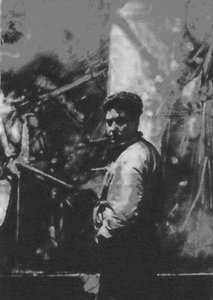
Roberto Matta
1911 - 2002 , Chile
Najważniejsze informacje
- Full Name: Roberto Sebastián Antonio Matta Echaurren
- Nationality: Chilean
- Date Of Birth: 1911
- Date Of Death: 2002
- Place Of Birth: Santiago, Chile
- Notable Artworks:
- Being with
- Invasion of the night
- First goal of Chilean people
- Snail’s Trace
- Verbo América
- Artistic Movement Or Style:
- Surrealism
- Abstract Expressionism
- Artists Who Influenced This Artist:
- Sigmund Freud
- André Breton
- René Magritte
- Artists Or Movements Influenced By This Artist: ['Abstract Expressionism']
Zobacz także powiązane artykuły

Pure Chaos & Color: The High-Voltage World of Abstract Expressionism
Dive into the high-voltage world of Abstract Expressionism. Explore the raw energy of Action Painting and the legendary masters of the New York School through a visual journey of pure chaos and color. Discover how to bring bold, high-impact abstract art into your modern space.

Top 10 arcydzieł ekspresjonizmu abstrakcyjnego – inspiracje dla Twojego wnętrza | OriginalUniqueArt.com
Odkryj 10 arcydzieł ekspresjonizmu abstrakcyjnego – Pollock, Rothko, de Kooning i inni. Poznaj historie artystów, techniki i inspiracje dla Twojego wnętrza. Reprodukcje najwyższej jakości na OriginalUniqueArt.com!
Ekspresjonizm Abstrakcyjny: Emocjonalny Krajobraz Nowojorskiej Awangardy
Poznaj fascynujący świat ekspresjonizmu abstrakcyjnego! Analiza kluczowych artystów, nurtów i wpływu na współczesną sztukę. Ekskluzywne informacje dla kolekcjonerów i miłośników.

25 Arcydzieł Kandinskiego: Kolor, Duchowość i Abstrakcja w Twoim Domu | OriginalUniqueArt.com
Odkryj 25 arcydzieł Wassily Kandinskiego – pioniera abstrakcji i ekspresjonizmu! Poznaj historie, techniki i emocje kryjące się za jego kolorowymi kompozycjami. Reprodukcje obrazów najwyższej jakości na OriginalUniqueArt.com. Eksploruj pełną kolekcję online!
Lyrical Abstraction: The Emotional Power of Color and Form in Modern Art History
Explore the profound emotional depth of Lyrical Abstraction. Discover how masters like Raymond Parker used color and form to bridge Impressionism and Abstract Expressionism. Learn about this pivotal movement through our expert-led art history guide.