

 Zobacz w skali 1:1
 Wyślij
 Udostępnij
 Szczegóły
 Przewodnik

 Pobierz plik obrazu
 Podobne obiekty
 RTG
RTG Pokaz slajdów
 Statystyki
The Quarry


 Czytaj więcej
Ręcznie malowana reprodukcja olejowa
Ręcznie malowany obraz olejny na płótnie, wykonany na zamówienie przez naszych artystów w wybranym przez Ciebie wymiarze i oprawie. ( Przełącz na wersję drukowaną Przełącz na wersję cyfrową)




P118B zł10

P118H zł10

P118W zł10

P438Z zł10

P508JH zł12

P508YH zł12

P805H zł10

P805Z zł10

P919BZ zł10

P919G zł10

P919XJ zł10

P959ZH zł10

P968JZ zł12

W106C zł8

W218G zł10

W218JH zł8

W218Y zł10

W307PJ zł10

W316G zł10

W316PJ zł8

W316Y zł10

W398PJ zł8

W4111J zł10

W500HY zł15

W500JH zł15

W692G zł12

W849H zł8

W940BG zł15

W953PJ zł8




Wybierz spośród naszych standardowych rozmiarów, które zachowują oryginalne proporcje dzieła sztuki.

Wpisz wymaganą szerokość i wysokość, aby obraz pasował do Twojej ramy lub ściany. Ponieważ jest to dzieło malowane ręcznie, w przypadku rozmiaru o innym proporcji artysta może domalować nieco więcej wokół obrazu lub przyciąć fragmenty — wybór należy do Ciebie. Przed rozpoczęciem pracy prześlemy Ci cyfrową wizualizację do zatwierdzenia. Obraz widoczny na tej stronie nie przedstawia rzeczywistego efektu — jedynie wizualizacja oddaje realny rezultat.
Po złożeniu zamówienia zespół OriginalUniqueArt.com skontaktuje się z klientem drogą mailową w celu uzyskania instrukcji i prześle wizualizację projektu
Dostawa na całym świecie () w ciągu 3–4 tygodni zamiast standardowych 5 tygodni. (22 Październik). Bez kompromisów w kwestii jakości.

Bezpłatna ekspresowa wysyłka na cały świat

Wysokiej jakości płótno lniane

Pełne ubezpieczenie transportowe

Gwarancja zwrotu należności celnych i podatków importowych

Gwarancja idealnego odwzorowania barw

100-dniowy okres na zwrot dzieła w przypadku wykrycia wad produkcyjnych

Gwarancja 100% zwrotu pieniędzy

Oferta przy zakupie wielu sztuk
 Opcja ze szkłem jest dostępna wyłącznie w rozmiarach poniżej 110 cm

The Quarry
Technika wykonania
Rozmiar reprodukcji
-


Suma do zapłaty
zł 1151
A Vision of Harmony Amidst Granite
In the masterful landscape The Quarry, Robert Seldon Duncanson invites the viewer into a breathtaking vista that captures the very essence of American Romanticism. The composition is anchored by a towering granite cliff face that dominates the right side of the frame, its rugged texture serving as a monumental testament to the strength of the natural world. From this stony precipice, a cascading waterfall descends with grace, feeding into a tranquil lake below. This movement of water creates a profound sense of balance, wedding the raw, unyielding grandeur of the rock with the serene, liquid stillness of the pool. As one gazes upon the scene, the presence of birds drifting through the air and a solitary figure observing the view from the left add a layer of life and quiet contemplation, suggesting a deep, spiritual connection between humanity and the wilderness.
Duncanson’s technical prowess is on full display through his sophisticated use of color and light. The artist employs a muted, earthy palette—rich greens, deep browns, and soft blues—to evoke the quietude of a woodland sanctuary. Yet, within this subdued scheme, subtle punctuations of violet and crimson emerge, providing much-needed depth and a luminous quality to the landscape. Through his expert use of glazing techniques, Duncanness applies thin, translucent layers of oil paint to capture the subtle tonal variations of light hitting stone and water. This meticulous approach lends The Quarry an ethereal, almost dreamlike atmosphere, where the boundaries between reality and idealization begin to blur.
Historical Resonance and Artistic Legacy
Painted during a period of significant transformation in the mid-19th century, The Quarry reflects the complex social and cultural currents of its time. Created around 1855-63 in Cincinnati, Ohio, the work stands at the intersection of Hudson River School idealism and a more intimate Romantic sensitivity. While the landscape captures a breathtaking corner of southwestern Pennsylvania, it also embodies the tension between the burgeoning industrialization of the era and a profound respect for untouched nature. For the discerning collector or interior designer, this piece offers more than mere decoration; it provides a window into an era of great change, rendered with a level of detail and emotional depth that commands attention in any setting.
The painting serves as a powerful symbol of peace and equilibrium. In a world often characterized by upheaval, Duncanson’s ability to find harmony amidst the ruggedness of a quarry offers a timeless sense of solace. The interplay of light, the rhythmic flow of the waterfall, and the steadfast presence of the granite cliffs work together to create an atmosphere of enduring stability. Whether placed in a grand gallery or a curated residential space, The Quarry acts as a focal point of tranquility, inspiring those who encounter it to pause and appreciate the sublime beauty found within the natural order.
Pytania i odpowiedzi
Jak jasny jest The Quarry w ogólnym ujęciu?
Postrzegana jasność dzieła „The Quarry” autorstwa Robert Seldon Duncanson wynosi shadow. Można ją dopasować do oświetlenia w docelowym pomieszczeniu.
Czy dostępna jest możliwość pobrania obrazu "The Quarry"?
Możliwość pobrania dzieła „The Quarry”: strona Pobierz oferuje wysokiej rozdzielczości cyfrowe zdjęcie do pobrania.
Do czego sugerowane jest wykorzystanie „The Quarry” autorstwa Robert Seldon Duncanson?
Sugerowanym zastosowaniem dla „The Quarry” autorstwa Robert Seldon Duncanson jest Mood. Może on jednak służyć również do innych celów.
Biografia artysty
Robert Seldon Duncanson: A Pioneer of the American Landscape
Robert Seldon Duncanson, a name that resonates with both artistic brilliance and profound historical significance, emerged as a pivotal figure in 19th-century American art. Born around 1821 in Fayetteville, New York, to parents of European and African descent—his father, John Dean Duncanson, a free Black tradesman who instilled the values of diligence and learning—Duncanson navigated a world riddled with racial prejudice while simultaneously achieving international acclaim as a landscape painter. His journey was one defined by self-education, unwavering dedication, and an intimate connection to the natural world, ultimately establishing him as the first African American artist to gain widespread recognition on both sides of the Atlantic. The family’s relocation to Monroe, Michigan, saw young Robert apprenticed in carpentry and painting, revealing an early aptitude for art that would soon shape his destiny.From Portraiture to Panoramic Vistas
Duncanson's artistic development initially centered around portraiture—a practical means of establishing himself as a professional artist. However, the vibrant cultural scene of Cincinnati, Ohio—a city affectionately known as the “Athens of the West”—beckoned him in 1840, offering opportunities for growth and exposure that were unavailable elsewhere. Largely self-taught, Duncanson honed his skills through diligent study of prints and engravings, meticulously sketching directly from nature, and carefully copying the works of established masters. This rigorous approach fostered a keen eye for detail and remarkable technical proficiency—a testament to his dedication despite lacking formal training. It was in Cincinnati that he began his transformative transition towards landscape painting, drawn by the romantic ideals and sublime beauty of the American wilderness. The influence of the Hudson River School became increasingly apparent in his work, particularly the evocative compositions of Thomas Cole, whose dramatic depictions of nature resonated deeply with Duncanson’s artistic sensibilities. He wasn't merely replicating scenes; he was interpreting them through a uniquely personal lens, imbuing his canvases with a sense of tranquility and spiritual connection—a reflection of his own profound relationship with the natural world.A European Sojourn and International Recognition
A pivotal moment in Duncanson’s career arrived in 1853-1854 with an extended tour of Europe. This journey provided him with invaluable exposure to the works of European masters, broadening his artistic horizons and refining his technique. He studied the Old Masters, absorbing their approaches to light, color, and composition—elements he skillfully integrated into his own distinctive style. Upon his return, Duncanson’s work demonstrated a newfound sophistication and maturity, attracting attention not only in America but also in England, Scotland, and Canada. Exhibitions followed, solidifying his reputation as an artist of considerable talent and vision. He became a key figure in developing the Ohio River Valley landscape tradition, capturing the serene beauty of the region with remarkable skill. His paintings weren’t simply representations of place; they were expressions of mood, atmosphere, and the sublime power of nature—often imbued with a sense of quiet contemplation.Symbolism and Racial Context
While Duncanson primarily focused on depicting idyllic landscapes, his work has been subject to scholarly debate regarding potential symbolic meanings. Given his racial background and association with abolitionist leaders in Cincinnati, some historians and critics have suggested that subtle allegories related to the evils of slavery might be embedded within his paintings. The depiction of loggers floating rafts down rivers, for instance, could be interpreted as a metaphor for the forced migration of enslaved people—a poignant reminder of the injustices faced by African Americans during this era. However, it’s important to note that Duncanson himself often minimized the human narrative in his landscapes, prioritizing the beauty and grandeur of nature. This deliberate choice reflects a broader artistic trend of the time, where the emphasis was on capturing the sublime experience of being immersed in the natural world—rather than explicitly addressing social or political issues. Nevertheless, the possibility of these subtle racial metaphors adds another layer of complexity to Duncanson’s legacy, prompting ongoing discussion and interpretation among art historians.Legacy and Historical Significance
Robert Seldon Duncanson's legacy extends far beyond his artistic achievements. He broke down barriers for African American artists during a period marked by pervasive racial discrimination, serving as an inspiration for future generations. His success challenged prevailing societal norms and demonstrated the power of art to transcend prejudice—a remarkable feat considering the limitations placed upon Black artists at the time. For many years, his work was unjustly overlooked, relegated to the margins of art history. However, recent scholarship and exhibitions have brought renewed attention to his contributions, recognizing him as a vital figure in American landscape painting. He died unexpectedly in 1872 while preparing for an exhibition in Detroit, possibly due to lead poisoning from the paints he used—a tragic end to a remarkable life. Today, Robert Seldon Duncanson stands as a pioneering figure—a testament to the power of art to overcome adversity and leave an indelible mark on the world. His serene vistas continue to captivate audiences, reminding us of the enduring beauty of nature and the remarkable talent of an artist who dared to dream beyond the limitations imposed upon him by his time.- Major Themes: Landscape painting, Romanticism, Hudson River School influence, spiritual connection with nature.
- Notable Works: “Landscape with Sheep,” “Roses Still Life,” and numerous depictions of the Ohio River Valley.
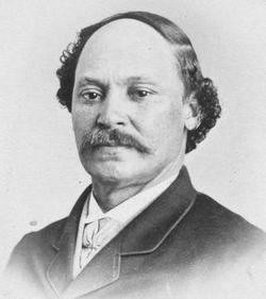
Robert Seldon Duncanson
1821 - 1872 , Stany Zjednoczone
Najważniejsze informacje
- Artistic Movement Or Style: Hudson River School
- Artists Or Movements Influenced By This Artist: ['Ohio River Valley tradycja']
- Artists Who Influenced This Artist: ['Thomas Cole']
- Date Of Birth: c. 1821
- Date Of Death: 21 grudnia 1872
- Full Name: Robert Seldon Duncanson
- Nationality: Amerykański
- Notable Artworks:
- Landscape z owcami
- Rosas Still Life
- Place Of Birth: Fayetteville, USA
Zobacz także powiązane artykuły

Sublime Krajobrazy: Narodziny Amerykańskiej Tożsamości Artystycznej i Rola Szkoły Hudson River
Odkryj fascynującą historię Szkoły Hudson River i narodziny amerykańskiej tożsamości artystycznej. Poznaj kluczowych artystów, techniki malarskie i inspiracje. Reprodukcje najwyższej jakości na OriginalUniqueArt.com!
Robert Seldon Duncanson: Landscape, Abolitionism & Shaping American Identity
Discover Robert Seldon Duncanson, the first internationally acclaimed African American landscape artist. Explore his connection to the Hudson River School, abolitionism, and enduring legacy through serene vistas & powerful symbolism.
The Hudson River School: A Definitive Guide to America's Romantic Landscape Tradition
Explore the profound legacy of the Hudson River School. Discover how masters like Thomas Cole captured the American sublime through Romanticism and Luminism. A definitive guide for art historians and collectors seeking to understand America's wild beauty.

Szkoła Rzeki Hudson: 10 arcydzieł, które ukształtowały pejzaż amerykańskiej sztuki | OriginalUniqueArt
Odkryj 10 arcydzieł Szkoły Rzeki Hudson – malarstwo krajobrazowe Cole'a, Churcha i Bierstadta. Poznaj historię artystów i inspiracje romantyzmu amerykańskiego. Reprodukcje obrazów najwyższej jakości na OriginalUniqueArt.com! Eksploruj kolekcję online.
Robert Spencer: Luminism, Narrative & the American Landscape Tradition
Explore the captivating world of Luminism & the Hudson River School with our expert analysis. Discover the history, artists, and enduring beauty of 19th-century American landscape painting. Find museum-quality reproductions at OriginalUniqueArt.
