

 Zobacz w skali 1:1
 Wyślij
 Udostępnij
 Szczegóły
 Przewodnik

 Pobierz plik obrazu
 Podobne obiekty
 RTG
RTG Pokaz slajdów
 Statystyki
Landscape Mural
 Oil On Canvas
- WallArt
- Hudson River School
 1852
1852 278.0 x 193.0 cm
 Taft Museum of Art
 Czytaj więcej
Kup wysokiej rozdzielczości, ulepszony obraz cyfrowy o jakości znacznie przewyższającej podgląd online.
Każdy plik jest starannie przygotowywany przez naszych specjalistów przy użyciu zaawansowanych narzędzi oraz profesjonalnej, ręcznej retuszy. Dbamy o to, aby każdy obraz cechował się wyjątkową ostrością, precyzyjnym odwzorowaniem kolorów i subtelnymi detalami.
Ostateczny plik dostarczany jest drogą mailową w ciągu 72 godzin, zoptymalizowany do natychmiastowego wykorzystania w profesjonalnych zastosowaniach redakcyjnych i poligraficznych. To ta sama jakość, której ufają czołowe studia projektowe, wydawnictwa oraz galerie sztuki.
Obraz cyfrowy
Pobierz plik o wysokiej rozdzielczości do osobistego użytku, druku oraz projektów kreatywnych. ( Przełącz na wersję drukowaną Kup ręcznie malowany obraz)
W każdym zamówieniu na obraz cyfrowy znajduje się
Profesjonalna dostawa cyfrowa z gwarancją
Wybierając OriginalUniqueArt.com, nie otrzymujesz jedynie obrazu – otrzymujesz profesjonalnie udoskonalone cyfrowe dzieło sztuki, stworzone z najwyższą precyzją i objęte gwarancją satysfakcji. Oto wszystko, co automatycznie dołączane jest do Twojego zamówienia:

Błyskawiczna dostawa e-mailowa
Plik z obrazem cyfrowym w wysokiej rozdzielczości zostanie przesłany na Twój adres e-mail w ciągu 72 godzin od złożenia zamówienia – gotowy do natychmiastowego użycia.

Plik cyfrowy ulepszony przez AI
Twoja grafika została profesjonalnie zoptymalizowana przy użyciu zaawansowanych narzędzi AI oraz ręcznej edycji, co zapewnia maksymalną szczegółowość, klarowność i wierność kolorów.

Bezpłatna dożywotnia ponowna dostawa
Przypadkowo usunąłeś lub zgubiłeś swój plik? Bez obaw – prześlemy go Tobie ponownie w dowolnym momencie, bez żadnych opłat.

Bez opłat importowych – zawsze
Ciesz się swoją sztuką natychmiast, bez żadnych opłat celnych, należności ani kosztów dostawy – pliki cyfrowe są zawsze wolne od podatku.

Gwarancja odwzorowania kolorów
Dzięki zastosowaniu profesjonalnych narzędzi i procesów zarządzania barwą zapewniamy, że Twoje cyfrowe zdjęcie odzwierciedla oryginalne kolory tak wiernie, jak to tylko możliwe.

100 dni na satysfakcję
Jeśli nie będziesz zadowolony ze swojego cyfrowego obrazu, poprawimy go lub zwrócimy 100% kosztów w ciągu 100 dni – bez zbędnych pytań.

100% Gwarancja zwrotu pieniędzy
Nie jesteś zadowolony? Otrzymaj pełny zwrot kosztów w ciągu 100 dni od otrzymania pliku cyfrowego – bez zbędnych pytań.

Rabaty przy zamówieniach hurtowych
Kup 3 obrazy, oszczędź 10% - Kup 5, oszczędź 15% - Kup 10+, oszczędź 20%. Idealne do projektów kreatywnych, galerii i agencji.
Robert Seldon Duncanson’s “Landscape Mural”: A Serene Vision of the Ohio Valley
Robert Seldon Duncanson's "Landscape Mural," painted in 1852, is more than just a depiction of an American vista; it’s a carefully constructed meditation on nature, spirituality, and the burgeoning identity of a nation grappling with its own history. This monumental work, now residing within the Taft Museum of Art in Cincinnati, Ohio, offers a glimpse into the world of the Hudson River School, while simultaneously hinting at Duncanson's unique perspective as an African American artist navigating a complex social landscape.
The mural immediately draws the viewer into a scene of profound tranquility. A meandering river, rendered with meticulous detail and atmospheric perspective, dominates the composition, reflecting the sky above in a shimmering dance of light and shadow. Rolling hills, dotted with trees – primarily oaks and maples – stretch towards the horizon, creating a sense of vastness and serenity. The figures of two men, standing on a hillside, are subtly integrated into the landscape, appearing almost as part of the natural world itself. Their postures suggest contemplation and connection to the surrounding environment, inviting the viewer to share in their quiet observation.
A Painter’s Journey: Duncanson's Artistic Development
Duncanson’s artistic trajectory is particularly compelling. Initially trained as a carpenter and house painter, he developed an early passion for art through diligent study of European prints – primarily those of the Dutch Masters and the German Romantic landscape painters. This foundational knowledge informed his approach to American landscapes, allowing him to master techniques like atmospheric perspective—the subtle blurring of distant objects to create depth—and carefully rendered foliage. Crucially, Duncanson eschewed purely academic training, preferring instead to learn through direct observation of nature, a hallmark of the Hudson River School movement.
Born in Fayetteville, New York, into a family with roots tracing back to enslaved people in Virginia, Duncanson’s life was shaped by racial prejudice. Despite these challenges, he persevered, establishing himself as one of the first African American artists to achieve international recognition. His work often subtly explored themes of identity and belonging, reflecting his own experiences within a racially divided society.
Symbolism and Spiritual Resonance
Beyond its purely visual appeal, “Landscape Mural” is rich in symbolic meaning. The river, a recurring motif in Duncanson’s oeuvre, represents the flow of time, the passage of life, and perhaps even the spiritual journey. The figures on the hillside are often interpreted as representing humanity's connection to nature and the divine—a sentiment deeply rooted in the Romantic tradition. Some scholars have suggested that the composition subtly references biblical themes of paradise and redemption, reflecting Duncanson’s own faith.
Furthermore, the mural’s scale – nearly nine feet tall and six and a half feet wide – elevates it beyond a simple landscape painting, transforming it into a monumental statement about the beauty and power of the natural world. The deliberate use of light and shadow creates an almost ethereal quality, evoking a sense of timelessness and spiritual contemplation.
A Legacy in Reproduction: Bringing Duncanson’s Vision to Life
Today, reproductions of “Landscape Mural” offer art lovers a chance to experience the profound beauty and emotional depth of this remarkable work. When selecting a high-quality reproduction, consider factors such as archival quality paper and pigment inks to ensure that the colors and details are faithfully reproduced for generations to come. Whether displayed in a grand salon or a cozy study, Duncanson’s “Landscape Mural” continues to inspire with its serene vision of the American landscape and its quiet celebration of the human spirit.
Pytania i odpowiedzi
Do jakiego wnętrza polecane jest dzieło „Landscape Mural” autorstwa Robert Seldon Duncanson?
Zalecaną przestrzenią dla „Landscape Mural” autorstwa Robert Seldon Duncanson jest Living Room. Sugestia ta może zostać oczywiście dostosowana do Twojego wnętrza.
Jaką nasycenie i intensywność prezentuje „Landscape Mural” autorstwa Robert Seldon Duncanson?
Kolor dzieła "Landscape Mural" charakteryzuje się nasyceniem na poziomie Subtle Color oraz intensywnością wynoszącą Balanced.
W jakim układzie znajduje się „Landscape Mural” autorstwa Robert Seldon Duncanson?
Format dzieła „Landscape Mural” to Portrait. Jest to pomocna informacja podczas planowania miejsca, w którym zostanie umieszczona reprodukcja.
Biografia artysty
Robert Seldon Duncanson: A Pioneer of the American Landscape
Robert Seldon Duncanson, a name that resonates with both artistic brilliance and profound historical significance, emerged as a pivotal figure in 19th-century American art. Born around 1821 in Fayetteville, New York, to parents of European and African descent—his father, John Dean Duncanson, a free Black tradesman who instilled the values of diligence and learning—Duncanson navigated a world riddled with racial prejudice while simultaneously achieving international acclaim as a landscape painter. His journey was one defined by self-education, unwavering dedication, and an intimate connection to the natural world, ultimately establishing him as the first African American artist to gain widespread recognition on both sides of the Atlantic. The family’s relocation to Monroe, Michigan, saw young Robert apprenticed in carpentry and painting, revealing an early aptitude for art that would soon shape his destiny.From Portraiture to Panoramic Vistas
Duncanson's artistic development initially centered around portraiture—a practical means of establishing himself as a professional artist. However, the vibrant cultural scene of Cincinnati, Ohio—a city affectionately known as the “Athens of the West”—beckoned him in 1840, offering opportunities for growth and exposure that were unavailable elsewhere. Largely self-taught, Duncanson honed his skills through diligent study of prints and engravings, meticulously sketching directly from nature, and carefully copying the works of established masters. This rigorous approach fostered a keen eye for detail and remarkable technical proficiency—a testament to his dedication despite lacking formal training. It was in Cincinnati that he began his transformative transition towards landscape painting, drawn by the romantic ideals and sublime beauty of the American wilderness. The influence of the Hudson River School became increasingly apparent in his work, particularly the evocative compositions of Thomas Cole, whose dramatic depictions of nature resonated deeply with Duncanson’s artistic sensibilities. He wasn't merely replicating scenes; he was interpreting them through a uniquely personal lens, imbuing his canvases with a sense of tranquility and spiritual connection—a reflection of his own profound relationship with the natural world.A European Sojourn and International Recognition
A pivotal moment in Duncanson’s career arrived in 1853-1854 with an extended tour of Europe. This journey provided him with invaluable exposure to the works of European masters, broadening his artistic horizons and refining his technique. He studied the Old Masters, absorbing their approaches to light, color, and composition—elements he skillfully integrated into his own distinctive style. Upon his return, Duncanson’s work demonstrated a newfound sophistication and maturity, attracting attention not only in America but also in England, Scotland, and Canada. Exhibitions followed, solidifying his reputation as an artist of considerable talent and vision. He became a key figure in developing the Ohio River Valley landscape tradition, capturing the serene beauty of the region with remarkable skill. His paintings weren’t simply representations of place; they were expressions of mood, atmosphere, and the sublime power of nature—often imbued with a sense of quiet contemplation.Symbolism and Racial Context
While Duncanson primarily focused on depicting idyllic landscapes, his work has been subject to scholarly debate regarding potential symbolic meanings. Given his racial background and association with abolitionist leaders in Cincinnati, some historians and critics have suggested that subtle allegories related to the evils of slavery might be embedded within his paintings. The depiction of loggers floating rafts down rivers, for instance, could be interpreted as a metaphor for the forced migration of enslaved people—a poignant reminder of the injustices faced by African Americans during this era. However, it’s important to note that Duncanson himself often minimized the human narrative in his landscapes, prioritizing the beauty and grandeur of nature. This deliberate choice reflects a broader artistic trend of the time, where the emphasis was on capturing the sublime experience of being immersed in the natural world—rather than explicitly addressing social or political issues. Nevertheless, the possibility of these subtle racial metaphors adds another layer of complexity to Duncanson’s legacy, prompting ongoing discussion and interpretation among art historians.Legacy and Historical Significance
Robert Seldon Duncanson's legacy extends far beyond his artistic achievements. He broke down barriers for African American artists during a period marked by pervasive racial discrimination, serving as an inspiration for future generations. His success challenged prevailing societal norms and demonstrated the power of art to transcend prejudice—a remarkable feat considering the limitations placed upon Black artists at the time. For many years, his work was unjustly overlooked, relegated to the margins of art history. However, recent scholarship and exhibitions have brought renewed attention to his contributions, recognizing him as a vital figure in American landscape painting. He died unexpectedly in 1872 while preparing for an exhibition in Detroit, possibly due to lead poisoning from the paints he used—a tragic end to a remarkable life. Today, Robert Seldon Duncanson stands as a pioneering figure—a testament to the power of art to overcome adversity and leave an indelible mark on the world. His serene vistas continue to captivate audiences, reminding us of the enduring beauty of nature and the remarkable talent of an artist who dared to dream beyond the limitations imposed upon him by his time.- Major Themes: Landscape painting, Romanticism, Hudson River School influence, spiritual connection with nature.
- Notable Works: “Landscape with Sheep,” “Roses Still Life,” and numerous depictions of the Ohio River Valley.
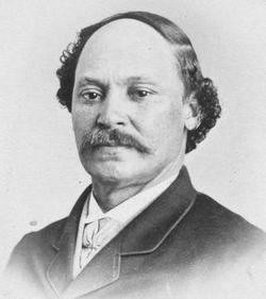
Robert Seldon Duncanson
1821 - 1872 , Stany Zjednoczone
Najważniejsze informacje
- Artistic Movement Or Style: Hudson River School
- Artists Or Movements Influenced By This Artist: ['Ohio River Valley tradycja']
- Artists Who Influenced This Artist: ['Thomas Cole']
- Date Of Birth: c. 1821
- Date Of Death: 21 grudnia 1872
- Full Name: Robert Seldon Duncanson
- Nationality: Amerykański
- Notable Artworks:
- Landscape z owcami
- Rosas Still Life
- Place Of Birth: Fayetteville, USA