

 Podgląd w skali 1:1
 Wyślij jako kartkę
 Udostępnij
 Szczegóły dzieła
 Przewodnik

 Pobierz obraz
 Podobne obiekty
 RTG
RTG Pokaz slajdów
 Statystyki
Gallery Low


 Rozwiń treść
Dzieło sztuki prezentowane na tej stronie podlega ochronie prawem autorskim, co oznacza, że nie mamy prawa do tworzenia ani sprzedaży jego identycznej reprodukcji. Ochrona ta jest egzekwowana na mocy umów międzynarodowych, takich jak Konwencja berneńska oraz przez przepisy prawa krajowego, w tym te określone w Prawo autorskie USA – Tytuł 17.
Jako pełną szacunku i legalną alternatywę oferujemy personalizowane, malowane ręcznie dzieła sztuki inspirowane oryginałem. Nasi wykwalifikowani i profesjonalni artyści starannie analizują styl, nastrój oraz artystyczną esencję pierwowzoru, aby stworzyć nowe, unikalne dzieło, które przywołuje te same emocje – pozostając jednocześnie w pełni oryginalną kreacją.
Metoda ta jest w pełni zgodna z przepisami prawa autorskiego, ponieważ nie polega na kopiowaniu ani powielaniu chronionego dzieła. Stanowi ona kreatywną reinterpretację – nowy obraz, który czerpie inspirację z oryginału, ale nie jest z nim tożsamy.
Ręcznie malowana reprodukcja olejowa
Ręcznie malowany obraz olejny na płótnie, wykonany na zamówienie przez naszych artystów w wybranym przez Ciebie wymiarze i oprawie. ( Przełącz na wydania drukowane Przejdź do wersji cyfrowej)




































Wybierz spośród naszych standardowych rozmiarów, które zachowują oryginalne proporcje dzieła sztuki.

Wpisz wymaganą szerokość i wysokość, aby obraz pasował do Twojej ramy lub ściany. Ponieważ jest to dzieło malowane ręcznie, w przypadku rozmiaru o innych proporcjach artysta może domalować nieco więcej wokół obrazu lub przyciąć jego fragmenty — wybór należy do Ciebie. Przed rozpoczęciem pracy prześlemy Ci cyfrową wizualizację do zatwierdzenia. Obraz widoczny na tej stronie nie przedstawia rzeczywistego efektu — jedynie wizualizacja oddaje realny rezultat.
Po złożeniu zamówienia zespół OriginalUniqueArt.com skontaktuje się z klientem drogą mailową w celu uzyskania instrukcji i prześle wizualizację projektu
Dostawa na całym świecie () w ciągu 3–4 tygodni zamiast standardowych 5 tygodni. (26 Październik). Bez kompromisów w kwestii jakości.

Bezpłatna ekspresowa wysyłka na cały świat

Wysokiej jakości płótno lniane

Pełne ubezpieczenie przesyłki

Gwarancja zwrotu należności celnych i podatków importowych

Gwarancja wiernego odwzorowania kolorów

100-dniowa polityka zwrotów (tylko w przypadku wad)

Gwarancja 100% zwrotu pieniędzy

Zniżka przy zakupie wielu sztuk
 Opcja ze szkłem jest dostępna wyłącznie w rozmiarach poniżej 110 cm

Gallery Low
Technika reprodukcji
Wymiary reprodukcji
-


Cena całkowita
zł 1248
Biografia artysty
The Poetics of Decay: The Visionary World of Robert Polidori
To gaze upon the work of Robert Polidori is to enter a realm where time itself seems to have paused, caught in the delicate, crumbling embrace of architectural ruin. Born on February 10, 1951, in Montreal, Quebec, Polidori’s life and artistic trajectory reflect a profound connection between geography and memory. Raised in the United States amidst the landscapes of Seattle, Southern California, and New Orleans, his early exposure to diverse environments laid the groundwork for a career dedicated to documenting the physical traces of history. As a Canadian-American photographer, he possesses a unique perspective that bridges the gap between the personal and the monumental, finding deep emotional resonance in the spaces left behind by human civilization.
Polidori’s artistic sensibilities were profoundly shaped by his academic pursuits and early cinematic encounters. His journey through the study of photography and film—influenced by the structural explorations of Michael Snow’s Wavelength—instilled in him a fascination with how light, space, and duration interact within a frame. He drew significant inspiration from Surrealist masters such as René Magritte and Giorgio Morandi, whose works taught him that the most profound truths often lie beneath a surface of quiet contemplation or subtle illusion. This influence is evident in his ability to transform a mere photograph of an abandoned room into a psychological landscape, where the textures of peeling wallpaper and sun-bleached floors evoke unspoken anxieties and the haunting beauty of what has been lost.
Architectural Echoes and the Beauty of Ruin
The hallmark of Polidori’s oeuvre is his mastery of large-scale color photography, a technique that allows him to present architectural decay with an almost tactile intensity. He does not merely document destruction; he celebrates the melancholic grandeur of it. His lens has traveled to the most evocative corners of the globe, capturing the aftermath of catastrophe and the slow erosion of time. From the shell-shocked structures of Beirut and the nuclear silence of Chernobyl to the post-Hurricane Katrina devastation in New and Orleans, Polidori’s work serves as a vital historical record. He captures the way light interacts with debris, turning dust and wreckage into elements of a sublime, dreamlike composition.
His explorations are not limited to disaster zones; they extend into the quiet, dignified decay of colonial legacies and cultural landmarks. His studies of Havana, Cuba, and the interiors of Mumbai or Amman reveal a fascination with how urban environments evolve and dissolve. Through his meticulous attention to textural detail and a muted, sophisticated color palette, he achieves a level of photographic realism that feels both hyper-present and otherworldly. In these images, the architecture becomes a protagonist, telling stories of vanished inhabitants, forgotten rituals, and the inexorable march of entropy.
A Legacy Written in Light and Shadow
The significance of Robert Polidori’s contribution to contemporary photography cannot be overstated. He has been recognized as one of the most esteemed practitioners of large-scale photography, with his work commanding presence in the world's most prestigious institutions. His career is marked by a series of monumental achievements that have solidified his place in the canon of modern art:
- Exhibition Excellence: His work has been featured in solo exhibitions at the Metropolitan Museum of Art in New York, the Musée d'art contemporain de Montréal, and the Martin-Gropius-Bau in Berlin.
- Permanent Collections: Polidori’s photographs are held in the permanent collections of the Museum of Modern Art (MoMA), the J. Paul Getty Museum, the Victoria & Albert Museum, and the Château de Versailles.
- Documentary Depth: Beyond his architectural studies, his ability to document the restoration of historical sites, such as the Château de Versailles, demonstrates a unique capacity to bridge the gap between preservation and artistic expression.
Ultimately, Polidori’s work invites us to share in a collective memory. As curator Paulette Gagnon once noted, his photographic accounts invite viewers to inhabit historical moments, making them part of our shared human experience. By finding the "utopia" within decay, Polidori reminds us that even in the process of falling apart, there is a profound, enduring grace that demands to be seen.

Robert Polidori
1951 -
Krótka nota
- Full Name: Robert Polidori
- Nationality: British
- Date Of Birth: 1951
- Place Of Birth: London, England
- Notable Artworks: ['5417 Marigny Street']
- Artistic Movement Or Style: Surrealism
- Artists Who Influenced This Artist: ['Salvador Dalí']
- Artists Or Movements Influenced By This Artist: ['Joan Miró']
Powiązane artykuły
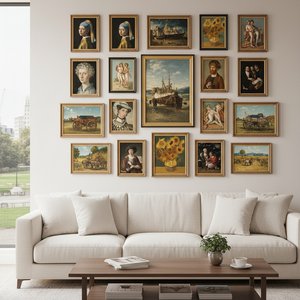
25 Arcydzieł National Gallery w Londynie: Sztuka dla Twojego Domu | OriginalUniqueArt
Odkryj 25 arcydzieł National Gallery w Londynie! Poznaj historie Van Gogha, Moneta i Rembrandta. Reprodukcje obrazów najwyższej jakości dla Twojego wnętrza – inspiracje i dekoracje na OriginalUniqueArt.com.
Realism in Art: A Professional Guide to Authentic Detail and Lifelike Masterpieces for Large-Scale Interior Projects
Master the use of Realism in professional interiors. This expert guide explores 19th-century masterpieces, offering procurement managers and designers technical insights into selecting authentic, hand-painted oil reproductions for high-end hotel and corporate projects.
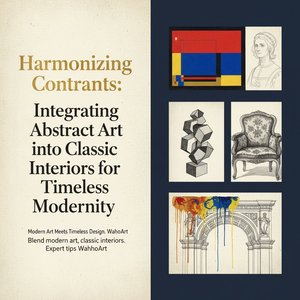
Harmonia Kontrastów: Integracja Sztuki Współczesnej z Klasycznymi Wnętrzami dla Ponadczasowej Elegancji
Odkryj harmonię kontrastów! Eksperckie porady jak połączyć sztukę współczesną z klasycznymi wnętrzami dla ponadczasowej elegancji. Inspiracje i personalizacja z OriginalUniqueArt.

Romantic Realism's Finest: 10 Masterpieces for Your Home | OriginalUniqueArt
Explore 10 defining masterpieces of Romantic Realism! Discover Courbet, Millet & Daumier's powerful paintings—capturing emotion and social realities. Find museum-quality reproductions for your home at OriginalUniqueArt.com.
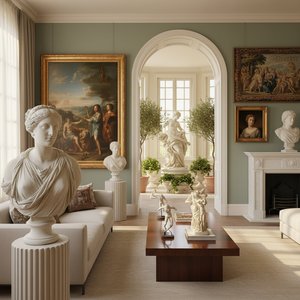
10 Arcydzieł Neoklasycyzmu: Sztuka, Historia i Inspiracje dla Twojego Domu
Poznaj 10 arcydzieł neoklasycyzmu! Odkryj historie Davida, Ingresa i Canovy. Inspiracje wnętrzarskie z malarstwem klasycznym i rzeźbą. Reprodukcje najwyższej jakości na OriginalUniqueArt.com – sztuka dla Twojego domu.