
 Podgląd w skali
 Wyślij jako kartkę
 Udostępnij
 Szczegóły dzieła

 Pobierz
 Podobne obiekty
 RTG
RTG Pokaz slajdów
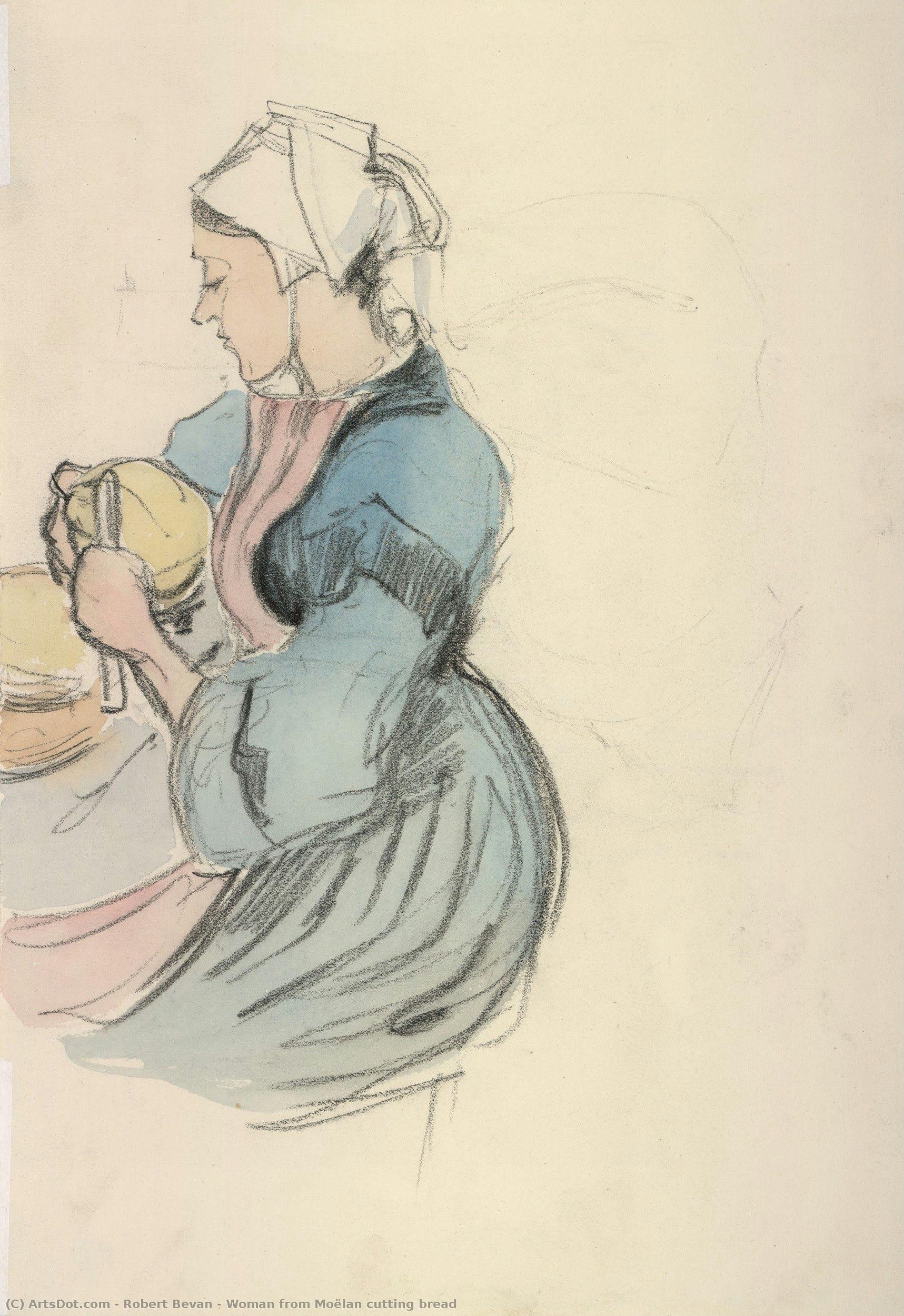
Woman from Moëlan cutting bread
 Acrylic On Canvas
- WallArt
- Fauvism
 1891
1891- 19th Century
 34.0 x 24.0 cm
 Musée de Pont-Aven
 Rozwiń treść
Giclée / Wydruk artystyczny
Druk giclée lub płótno o jakości muzealnej, szybka realizacja i szeroki wybór opcji wykończenia. ( Zamów ręcznie malowaną reprodukcję Kup obraz wysokiej rozdzielczości)




P118B $10

P118H $10

P118W $10

P438Z $10

P508JH $12

P508YH $12

P805H $10

P805Z $10

P919BZ $10

P919G $10

P919XJ $10

P959ZH $10

P968JZ $12

W106C $8

W218G $10

W218JH $8

W218Y $10

W307PJ $10

W316G $10

W316PJ $8

W316Y $10

W398PJ $8

W4111J $10

W500HY $15

W500JH $15

W692G $12

W849H $8

W940BG $15

W953PJ $8




Wybierz spośród naszych standardowych rozmiarów, które zachowują oryginalne proporcje dzieła sztuki.

Możesz wprowadzić własne wymiary, aby dopasować dzieło do konkretnej ramy lub przestrzeni. Jeśli wybrany rozmiar nie będzie odpowiadał proporcjom oryginalnego obrazu, przytniecie dzieło lub rozszerzymy obraz za pomocą odbicia lustrzanego lub jednolitego wypełnienia krawędzi. Przed rozpoczęciem produkcji prześlemy cyfrową wizualizację do Twojej akceptacji.
Prosimy pamiętać, że podgląd na ekranie nie odzwierciedla faktycznego przycinania ani rozszerzania. Tylko wizualizacja dokładnie pokaże końcową kompozycję.
Mimo dostępności niestandardowych rozmiarów, zalecamy wybór wymiaru z listy zdefiniowanej, aby zachować oryginalne proporcje.
Dostawa na cały świat () w ciągu 2 tygodni zamiast standardowych 4/5 tygodni. (19 Sierpień)

Bezpłatna ekspresowa wysyłka na cały świat

Wysokiej jakości płótno lniane

Pełne ubezpieczenie przesyłki

Gwarancja zwrotu należności celnych i podatków importowych

Gwarancja wiernego odwzorowania kolorów

Polityka 60-dniowego zwrotu (tylko w przypadku wad)

Gwarancja 100% zwrotu kosztów

Zniżka przy zamówieniu wielu produktów
 Opcja ze szkłem jest dostępna wyłącznie w rozmiarach poniżej 110 cm

Woman from Moëlan cutting bread
Giclée / Wydruk artystyczny
Wymiary reprodukcji
-


Cena całkowita
$ 80
Opis kolekcjonerski
A Moment of Domesticity: Robert Polhill Bevan’s ‘Woman from Moëlan Cutting Bread’
Robert Polhill Bevan's “Woman from Moëlan Cutting Bread,” painted in 1891, isn’t merely a depiction of a woman preparing food; it’s a carefully constructed tableau brimming with quiet observation and the subtle poetry of everyday life. The painting immediately draws the eye to its central figure – a woman, rendered in soft watercolor hues, her face partially obscured by shadow yet radiating an undeniable sense of purpose as she expertly wields a bread knife against a worn wooden table. This isn’t a grand narrative; it's a frozen moment, a snapshot of domesticity imbued with a distinctly late-nineteenth-century sensibility.
Bevan, a pivotal figure in the Camden Town Group and a pioneer of Fauvist tendencies, was deeply interested in capturing the essence of British life – its rhythms, its textures, and its inherent beauty. He moved away from the purely academic traditions of his early training, embracing bolder color palettes and looser brushwork to convey mood and atmosphere. “Woman from Moëlan Cutting Bread” exemplifies this shift; the colors are muted yet vibrant, suggesting a warm, inviting interior bathed in diffused light. The careful layering of washes creates a remarkable sense of depth and texture, particularly evident in the depiction of the loaf of bread itself – its rough surface rendered with meticulous detail.
The Context of Camden Town and Modern British Art
To fully appreciate Bevan’s work, it's crucial to understand the artistic climate of his time. The late 1880s and 90s witnessed a burgeoning interest in depicting modern life – not the heroic or romanticized versions often favored by earlier artists, but rather the realities of working-class existence and the quiet moments of domesticity. The Camden Town Group, to which Bevan belonged, sought to capture this spirit with a focus on urban scenes and portraits of ordinary people. They rejected the prevailing academic style in favor of brighter colors, looser brushwork, and a more direct approach to subject matter.
Bevan’s connection to the group was significant; he shared their desire to break free from traditional artistic conventions and explore new ways of representing the world around them. His work reflects this experimentation, particularly in his use of color – a characteristic that would later influence the development of Fauvism, an early 20th-century movement known for its intense, non-naturalistic hues. The painting’s palette, dominated by blues and browns with touches of yellow and red, creates a sense of warmth and intimacy, inviting the viewer into this private moment.
Symbolism and Emotional Resonance
Beyond its technical merits, “Woman from Moëlan Cutting Bread” is rich in symbolism. The act of cutting bread itself can be interpreted as a metaphor for sustenance, both physical and emotional. The woman’s focused expression suggests a sense of responsibility and care – she's not simply preparing food; she's providing for her household. The presence of the basket and bowls hints at a shared meal, fostering connection and community.
Furthermore, the painting evokes a feeling of nostalgia—a longing for simpler times. The worn table, the rustic bread, and the woman’s humble attire all contribute to this sense of timelessness. It's a scene that could have been plucked from a bygone era, offering a poignant glimpse into the lives of ordinary people. The painting’s emotional impact lies in its ability to capture a fleeting moment of quiet beauty—a reminder of the dignity and grace found in everyday life.
A Legacy of Impressionistic Innovation
Robert Polhill Bevan's "Woman from Moëlan Cutting Bread" stands as a testament to his pioneering spirit within British art. It’s a work that transcends its simple subject matter, offering a profound meditation on domesticity, labor, and the beauty of the ordinary. Reproductions of this evocative painting continue to resonate with viewers today, capturing the essence of a bygone era while simultaneously speaking to universal themes of family, sustenance, and human connection.
O artyście
Robert Polhill Bevan (1865–1925): British Painter & Camden Town Group Founder
Robert Polhill Bevan, born in Hove in 1865, occupies a pivotal yet often understated position within the narrative of early 20th-century British art. Emerging from a Quaker background steeped in banking connections – his parents were Richard Alexander Bevan and Laura Maria Polhill – he defied conventional expectations to become a daring innovator, a key figure in the transition from Impressionism towards more radical explorations of color and form. His journey was one of constant experimentation, absorbing influences from across Europe while forging a distinctly personal artistic vision that would profoundly impact the development of modern art in Britain. Bevan’s early education at Westminster School of Art under Fred Brown provided a solid foundation, but it was his subsequent studies at the Académie Julian in Paris that truly ignited his creative spark. There, he encountered a constellation of rising stars – Paul Sérusier, Pierre Bonnard, Édouard Vuillard, and Maurice Denis – artists who were challenging academic conventions and embracing new approaches to painting. These encounters proved formative, exposing Bevan to the principles of synthetism and laying the groundwork for his future explorations.Early Influences & Artistic Formation
Bevan’s formative years instilled in him a deep appreciation for meticulous observation and disciplined technique—traits that would characterize his entire artistic career. The Westminster School of Art under Frederick Brown fostered these qualities, equipping him with foundational skills in draughtsmanship and composition. However, it was the Académie Julian in Paris that truly unlocked Bevan's potential, immersing him in the vibrant intellectual and artistic milieu of the Belle Époque. He benefited enormously from the tutelage of influential artists who championed a revolutionary vision of painting—a rejection of naturalistic representation in favor of expressive color and simplified forms. Artists like Paul Sérusier, Pierre Bonnard, Édouard Vuillard, and Maurice Denis actively questioned established aesthetic standards, advocating for a bold embrace of synthetism – a technique that prioritized symbolic content over accurate depiction. This exposure to avant-garde ideas profoundly shaped Bevan’s artistic sensibilities, propelling him toward experimentation with color and form that would distinguish him from many of his peers.Brittany & The Fauvist Impulse
The allure of Brittany proved irresistible to Bevan, triggering two significant expeditions in 1890 and 1891. He found himself captivated by the landscape’s dramatic light and bold hues—a visual language powerfully articulated by artists like Gauguin who had pioneered a radically new approach to painting. The influence of Gauguin's expressive palette and simplified forms resonated deeply with Bevan, informing his early drawings and prints and establishing a cornerstone for his artistic development. Around 1904, Bevan embarked on a path of experimentation with pure color that anticipated the emergence of Fauvism on the continent—a movement characterized by unrestrained chromatic intensity and a deliberate disregard for traditional tonal values. His painting “Courtyard” stands as a remarkable testament to this proto-Fauvist impulse, demonstrating a willingness to abandon naturalistic representation in favor of emotive color harmonies – a boldness that cemented Bevan’s position at the forefront of British artistic innovation.The Camden Town Group & Collaborative Vision
Bevan's artistic pursuits extended beyond individual experimentation; he actively sought connection with fellow artists who shared his conviction that art should engage with contemporary social realities. He joined forces with Charles Ginner, Spencer Gore and Joseph Crawhall to form the Camden Town Group—a collective dedicated to depicting urban life in Britain during the Edwardian era. This group’s members were united by a desire to challenge academic conventions and explore new artistic languages—particularly those inspired by Impressionism and Post-Impressionism. Bevan's participation in the Camden Town Group fostered a dynamic exchange of ideas, propelling him toward stylistic developments that reflected the broader cultural currents of his time. The Group’s focus on capturing the atmosphere of London’s industrial landscape—characterized by gritty textures and vibrant colors—represented a decisive break from traditional artistic traditions.Legacy & Artistic Significance
Robert Polhill Bevan's contribution to British art history is undeniable. He remains a vital figure for understanding the complex evolution of British painting in the early twentieth century, embodying the spirit of innovation and experimentation that defined the era. His landscapes—particularly those depicting the Blackdown Hills and Luppitt—are celebrated for their expressive brushwork and masterful use of color—a legacy that continues to inspire artists today. Bevan’s paintings are housed in prestigious collections across Britain and internationally, ensuring that his artistic vision endures as a testament to his enduring influence on British art. His retrospective exhibition at Colnaghi’s in 1961 served as a crucial moment of recognition, solidifying his place among the foremost painters of his generation—a figure whose pioneering spirit continues to resonate with artists and scholars alike.
Robert Polhill Bevan
1865 - 1925 , Wielka Brytania
Krótka nota
- Artistic Movement Or Style: Fauvism, Divisionism
- Artists Who Influenced This Artist:
- Paul Gauguin
- Velázquez
- Goya
- Renoir
- Date Of Birth: 1865
- Date Of Death: 1925
- Full Name: Robert Polhill Bevan
- Nationality: British
- Notable Artworks:
- The Farmhouse
- Ploughing on the Downs
- Queen’s Grove
- The Cab Horse
- Place Of Birth: Hove, United Kingdom
Powiązane artykuły

10 Legendarnych Akwareli, Które Zmieniły Sztukę. Inspiracje do Dekoracji Domu.
Odkryj 10 legendarnych akwareli Turner'a, Monet'a i innych mistrzów! Poznaj historie, techniki i inspiracje tych ponadczasowych dzieł. Reprodukcje obrazów najwyższej jakości na OriginalUniqueArt.com – idealne do dekoracji wnętrz.

Efemeryczne Wizje: Historia i Współczesna Praktyka Malarstwa Akwarelowego
Poznaj historię i techniki malarstwa akwarelowego! Odkryj inspiracje mistrzów, współczesne trendy oraz praktyczne porady dotyczące materiałów. Rozwiń swoją pasję z naszym przewodnikiem.

Efemeryczne Wizje: Historia i Emocjonalny Rezonans Malarstwa Akwarelowego
Odkryj fascynującą historię malarstwa akwarelowego! Poznaj techniki mistrzów, romantyczny nurt i współczesne trendy. Inspiracje do dekoracji wnętrz oraz możliwość personalizacji obrazów na OriginalUniqueArt.com.
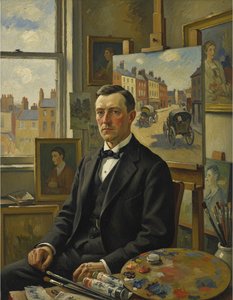
Robert Bevan: Pioneering British Post-Impressionism & the Camden Town Group's Intimate Vision
Explore the life & work of Robert Bevan, a pioneer of British Post-Impressionism and founding member of the Camden Town Group. Discover his vibrant landscapes and lasting impact on early 20th-century art.

Ephemeral Visions: Exploring the Artistic Legacy & Nuances of Watercolor Painting
Explore the captivating world of watercolor painting! Discover its rich history, essential techniques, influential artists & collecting tips from art experts. A comprehensive guide for enthusiasts.



