 Zobacz w skali 1:1
 Wyślij
 Udostępnij
 Szczegóły
 Przewodnik

 Pobierz plik obrazu
 Podobne obiekty
 RTG
RTG Pokaz slajdów
 Statystyki
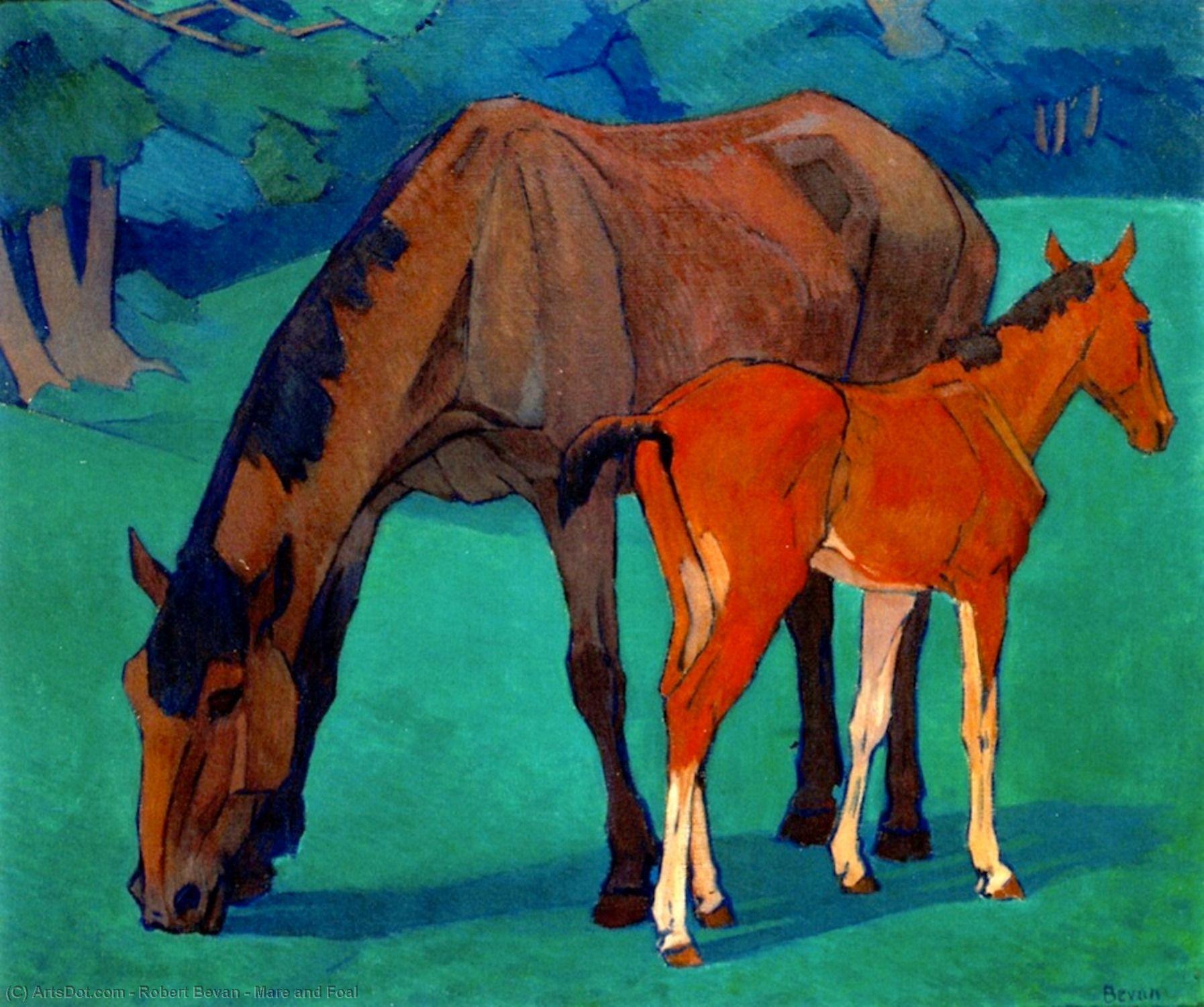
Mare and Foal
 Oil On Canvas
- WallArt
- Post-Impressionism
 1917
1917- Modern
 56.0 x 66.0 cm
 Czytaj więcej
Ręcznie malowana reprodukcja olejowa
Ręcznie malowany obraz olejny na płótnie, wykonany na zamówienie przez naszych artystów w wybranym przez Ciebie wymiarze i oprawie. ( Przełącz na wersję drukowaną Przełącz na wersję cyfrową)




P118B $10

P118H $10

P118W $10

P438Z $10

P508JH $12

P508YH $12

P805H $10

P805Z $10

P919BZ $10

P919G $10

P919XJ $10

P959ZH $10

P968JZ $12

W106C $8

W218G $10

W218JH $8

W218Y $10

W307PJ $10

W316G $10

W316PJ $8

W316Y $10

W398PJ $8

W4111J $10

W500HY $15

W500JH $15

W692G $12

W849H $8

W940BG $15

W953PJ $8




Wybierz spośród naszych standardowych rozmiarów, które zachowują oryginalne proporcje dzieła sztuki.

Możesz wprowadzić własne wymiary, aby dopasować obraz do konkretnej ramy lub przestrzeni. Jeśli wybrany rozmiar nie będzie odpowiadał proporcjom oryginału, przytniecie dzieło sztuki lub rozszerzymy je o dodatkowe elementy, ręcznie domalowane przez artystę. Przed rozpoczęciem produkcji wyślemy projekt cyfrowy do Twojej akceptacji.
Należy pamiętać, że podgląd na ekranie nie odzwierciedla rzeczywistego przycinania ani rozszerzania obrazu. Tylko projekt dokładnie pokaże ostateczną kompozycję.
Choć oferujemy możliwość zamówienia niestandardowych rozmiarów, zalecamy wybór wymiaru z gotowej listy, aby zachować oryginalne proporcje dzieła.
Po złożeniu zamówienia zespół OriginalUniqueArt.com skontaktuje się z klientem drogą mailową w celu uzyskania instrukcji i prześle wizualizację projektu
Dostawa na całym świecie () w ciągu 3–4 tygodni zamiast standardowych 5 tygodni. (26 Wrzesień). Bez kompromisów w kwestii jakości.

Bezpłatna ekspresowa wysyłka na cały świat

Wysokiej jakości płótno lniane

Pełne ubezpieczenie transportowe

Gwarancja zwrotu należności celnych i podatków importowych

Gwarancja idealnego odwzorowania barw

100-dniowy okres na zwrot dzieła w przypadku wykrycia wad produkcyjnych

Gwarancja 100% zwrotu pieniędzy

Oferta przy zakupie wielu sztuk
 Opcja ze szkłem jest dostępna wyłącznie w rozmiarach poniżej 110 cm

Mare and Foal
Technika wykonania
Rozmiar reprodukcji
-


Suma do zapłaty
$ 300
A Tender Encounter in Color and Light
In the quietude of 1917, amidst a world often defined by upheaval, Robert Polhill Bevan captured a moment of profound stillness and maternal grace in his masterpiece, Mare and Foal. This exquisite oil on canvas serves as more than just a pastoral scene; it is an intimate window into the heartbeat of the natural world. The composition centers on the tender bond between a mother horse and her young offspring, positioned with a delicate proximity that suggests a shared breath. As the foal nuzzles against its mother, the viewer is drawn into a sanctuary of peace, where the boundaries between animal and environment seem to dissolve into a singular, harmonious existence.
The painting’s strength lies in its ability to evoke emotion through the masterful application of color and texture. Bevan, a pioneer of British Modernism, moves beyond mere representation to embrace a more expressive language. His use of bold brushstrokes lends a rhythmic vitality to the grass and the sturdy forms of the horses, while his palette—rich with vivid, sun-drenched tones—breathes life into the landscape. The three trees rising in the background do not merely provide depth; they act as silent sentinels, framing the central figures and grounding the scene in a sense of timelessness and permanence.
The Mastery of Modernist Technique
To observe Mare and Foal is to witness the intersection of Impressionist light and the burgeoning energy of early 20th-century modernism. Bevan’s technique, honed during his transformative years in Paris, allows him to manipulate the medium of oil on canvas to achieve a remarkable level of luminosity. The way light dances across the coats of the horses and filters through the surrounding greenery demonstrates a sophisticated understanding of shadow and atmosphere. This interplay of light creates a tactile quality, where one can almost feel the softness of the foal's coat and the sturdy weight of the mare.
For the discerning collector or interior designer, this piece offers a rare balance of structural strength and emotional warmth. The painting’s composition is balanced yet dynamic, making it an ideal focal point for spaces that require a sense of calm sophistication. Unlike more chaotic modern works, Bevan’s approach in this period retains a classical reverence for subject matter while utilizing a contemporary, expressive hand. It is a work that invites the eye to linger, rewarding repeated viewings with new discoveries of color nuance and textural depth.
A Timeless Legacy for the Modern Interior
Beyond its aesthetic brilliance, Mare and Foal carries a symbolic weight that resonates across generations. The theme of maternal protection and the innocence of youth are universal, making the artwork deeply relatable to any viewer. In an era where art is often used to define the character of a home, this reproduction offers an infusion of serenity and organic beauty. It brings the restorative power of nature indoors, acting as a bridge between the wild, untamed world and the curated elegance of a contemporary living space.
Whether placed in a sunlit gallery or a quiet study, the painting serves as a testament to the enduring power of the natural bond. It stands alongside the works of great innovators like Picasso and Repin, not merely as a depiction of animals, but as an exploration of life's most fundamental rhythms. For those seeking to invest in art that inspires contemplation and provides a sense of groundedness, Bevan’s 1917 triumph remains an incomparable choice—a soulful fragment of history captured in vibrant, everlasting oil.
Biografia artysty
Robert Polhill Bevan (1865–1925): British Painter & Camden Town Group Founder
Robert Polhill Bevan, born in Hove in 1865, occupies a pivotal yet often understated position within the narrative of early 20th-century British art. Emerging from a Quaker background steeped in banking connections – his parents were Richard Alexander Bevan and Laura Maria Polhill – he defied conventional expectations to become a daring innovator, a key figure in the transition from Impressionism towards more radical explorations of color and form. His journey was one of constant experimentation, absorbing influences from across Europe while forging a distinctly personal artistic vision that would profoundly impact the development of modern art in Britain. Bevan’s early education at Westminster School of Art under Fred Brown provided a solid foundation, but it was his subsequent studies at the Académie Julian in Paris that truly ignited his creative spark. There, he encountered a constellation of rising stars – Paul Sérusier, Pierre Bonnard, Édouard Vuillard, and Maurice Denis – artists who were challenging academic conventions and embracing new approaches to painting. These encounters proved formative, exposing Bevan to the principles of synthetism and laying the groundwork for his future explorations.Early Influences & Artistic Formation
Bevan’s formative years instilled in him a deep appreciation for meticulous observation and disciplined technique—traits that would characterize his entire artistic career. The Westminster School of Art under Frederick Brown fostered these qualities, equipping him with foundational skills in draughtsmanship and composition. However, it was the Académie Julian in Paris that truly unlocked Bevan's potential, immersing him in the vibrant intellectual and artistic milieu of the Belle Époque. He benefited enormously from the tutelage of influential artists who championed a revolutionary vision of painting—a rejection of naturalistic representation in favor of expressive color and simplified forms. Artists like Paul Sérusier, Pierre Bonnard, Édouard Vuillard, and Maurice Denis actively questioned established aesthetic standards, advocating for a bold embrace of synthetism – a technique that prioritized symbolic content over accurate depiction. This exposure to avant-garde ideas profoundly shaped Bevan’s artistic sensibilities, propelling him toward experimentation with color and form that would distinguish him from many of his peers.Brittany & The Fauvist Impulse
The allure of Brittany proved irresistible to Bevan, triggering two significant expeditions in 1890 and 1891. He found himself captivated by the landscape’s dramatic light and bold hues—a visual language powerfully articulated by artists like Gauguin who had pioneered a radically new approach to painting. The influence of Gauguin's expressive palette and simplified forms resonated deeply with Bevan, informing his early drawings and prints and establishing a cornerstone for his artistic development. Around 1904, Bevan embarked on a path of experimentation with pure color that anticipated the emergence of Fauvism on the continent—a movement characterized by unrestrained chromatic intensity and a deliberate disregard for traditional tonal values. His painting “Courtyard” stands as a remarkable testament to this proto-Fauvist impulse, demonstrating a willingness to abandon naturalistic representation in favor of emotive color harmonies – a boldness that cemented Bevan’s position at the forefront of British artistic innovation.The Camden Town Group & Collaborative Vision
Bevan's artistic pursuits extended beyond individual experimentation; he actively sought connection with fellow artists who shared his conviction that art should engage with contemporary social realities. He joined forces with Charles Ginner, Spencer Gore and Joseph Crawhall to form the Camden Town Group—a collective dedicated to depicting urban life in Britain during the Edwardian era. This group’s members were united by a desire to challenge academic conventions and explore new artistic languages—particularly those inspired by Impressionism and Post-Impressionism. Bevan's participation in the Camden Town Group fostered a dynamic exchange of ideas, propelling him toward stylistic developments that reflected the broader cultural currents of his time. The Group’s focus on capturing the atmosphere of London’s industrial landscape—characterized by gritty textures and vibrant colors—represented a decisive break from traditional artistic traditions.Legacy & Artistic Significance
Robert Polhill Bevan's contribution to British art history is undeniable. He remains a vital figure for understanding the complex evolution of British painting in the early twentieth century, embodying the spirit of innovation and experimentation that defined the era. His landscapes—particularly those depicting the Blackdown Hills and Luppitt—are celebrated for their expressive brushwork and masterful use of color—a legacy that continues to inspire artists today. Bevan’s paintings are housed in prestigious collections across Britain and internationally, ensuring that his artistic vision endures as a testament to his enduring influence on British art. His retrospective exhibition at Colnaghi’s in 1961 served as a crucial moment of recognition, solidifying his place among the foremost painters of his generation—a figure whose pioneering spirit continues to resonate with artists and scholars alike.
Robert Polhill Bevan
1865 - 1925 , Wielka Brytania
Najważniejsze informacje
- Artistic Movement Or Style: Fauvism, Divisionism
- Artists Who Influenced This Artist:
- Paul Gauguin
- Velázquez
- Goya
- Renoir
- Date Of Birth: 1865
- Date Of Death: 1925
- Full Name: Robert Polhill Bevan
- Nationality: British
- Notable Artworks:
- The Farmhouse
- Ploughing on the Downs
- Queen’s Grove
- The Cab Horse
- Place Of Birth: Hove, United Kingdom
Zobacz także powiązane artykuły

Konie jako Muzy w Sztuce: Historyczna i Artystyczna Eksploracja Końskiego Wizerunku
Odkryj fascynującą historię koni w sztuce! Eksploracja końskiego wizerunku od mitologii po współczesność. Analiza symboliki, gatunków i wpływowych dzieł malarskich. Poznaj bogactwo artystycznej interpretacji konia.

Odważne Wizje: 10 Arcydzieł Pełnych Mocy i Ekspresji | OriginalUniqueArt
Odkryj 10 odważnych arcydzieł sztuki, które definiują moc i ekspresję! Poznaj historie Van Gogha, Picassa i Muncha. Reprodukcje obrazów najwyższej jakości na OriginalUniqueArt.com – inspiracje do wnętrz i galeria online.
Konie w sztuce: Symbolika, reprezentacje i ewolucja motywu od starożytności do współczesności
Odkryj fascynującą historię koni w sztuce! Poznaj symbolikę, reprezentacje i ewolucję motywu od starożytności do współczesności. Ekspercka analiza dla miłośników sztuki i historii.
The Noble Steed on Canvas: A Historical & Artistic Exploration of Horse Painting Across Cultures
Explore the rich history of horse painting! Discover masterpieces from Stubbs to Munnings & learn about symbolism, techniques & artists. Find museum-quality reproductions at OriginalUniqueArt.
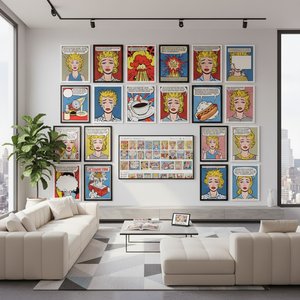
Roy Lichtenstein: 25 Arcydzieł Pop Artu dla Kolekcjonerów i Miłośników Sztuki
Odkryj 25 arcydzieł Roy Lichtensteina – ikony pop artu, które zrewolucjonizowały sztukę XX wieku. Poznaj historie, techniki i inspiracje za słynnymi obrazami. Reprodukcje najwyższej jakości na OriginalUniqueArt.com! Eksploruj pełną kolekcję online.