
 Podgląd w skali
 Wyślij
 Udostępnij
 Szczegóły

 Pobierz plik obrazu
 Podobne obiekty
 RTG
RTG Pokaz slajdów
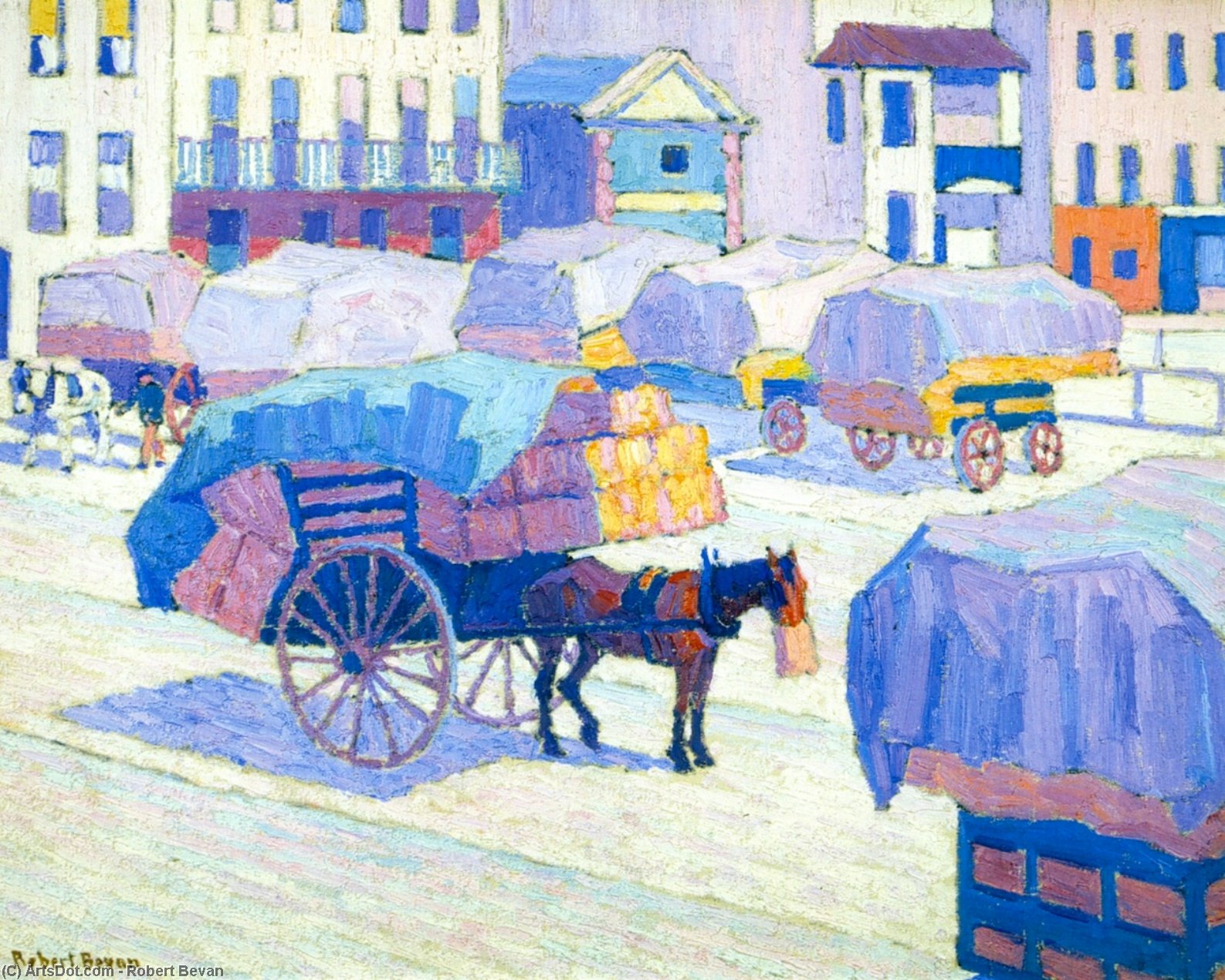
Hay Carts
 Oil On Canvas
- WallArt
- Fauvism
 1915
1915- Modern
 48.0 x 60.0 cm
 Czytaj więcej
Kup wysokiej rozdzielczości, ulepszony obraz cyfrowy, o znacznie wyższej jakości niż podgląd online.
Każdy plik jest starannie przygotowywany przez naszych specjalistów przy użyciu zaawansowanych narzędzi oraz profesjonalnej, ręcznej retuszy. Dbamy o to, aby każdy obraz cechował się wyjątkową ostrością, precyzyjnym odwzorowaniem kolorów i subtelnymi detalami.
Ostateczny plik dostarczany jest drogą mailową w ciągu 72 godzin, zoptymalizowany do natychmiastowego wykorzystania w profesjonalnych zastosowaniach redakcyjnych i poligraficznych. To ta sama jakość, której ufają czołowe studia projektowe, wydawnictwa oraz galerie sztuki.
Obraz cyfrowy
Pobierz plik o wysokiej rozdzielczości do osobistego wyświetlania, druku oraz projektów kreatywnych. ( Przełącz na wydruk Zamów ręcznie malowaną reprodukcję)
Co otrzymujesz wraz z każdym zamówieniem na obraz cyfrowy
Profesjonalna dostawa cyfrowa z gwarancją
Wybierając OriginalUniqueArt.com, nie otrzymujesz jedynie obrazu – otrzymujesz profesjonalnie udoskonalone cyfrowe dzieło sztuki, stworzone z najwyższą precyzją i objęte gwarancją satysfakcji. Oto wszystko, co automatycznie dołączane jest do Twojego zamówienia:

Błyskawiczna dostawa e-mailowa
Plik z obrazem cyfrowym w wysokiej rozdzielczości zostanie przesłany na Twój adres e-mail w ciągu 72 godzin od złożenia zamówienia – gotowy do natychmiastowego użycia.

Plik cyfrowy ulepszony przez AI
Twoja grafika została profesjonalnie zoptymalizowana przy użyciu zaawansowanych narzędzi AI oraz ręcznej edycji, co zapewnia maksymalną szczegółowość, klarowność i wierność kolorów.

Darmowa dożywotnia ponowna dostawa
Przypadkowo usunąłeś lub zgubiłeś swój plik? Bez obaw – prześlemy go Tobie ponownie w dowolnym momencie, bez żadnych opłat.

Bez opłat importowych – zawsze
Ciesz się swoją sztuką natychmiast, bez żadnych opłat celnych, należności ani kosztów dostawy – pliki cyfrowe są zawsze wolne od podatku.

Gwarancja odwzorowania kolorów
Dzięki zastosowaniu profesjonalnych narzędzi i procesów zarządzania barwą zapewniamy, że Twoje cyfrowe zdjęcie odzwierciedla oryginalne kolory tak wiernie, jak to tylko możliwe.

60-dniowa gwarancja satysfakcji
Jeśli nie będziesz zadowolony ze swojego cyfrowego obrazu, poprawimy go lub zwrócimy 100% kosztów w ciągu 60 dni – bez żadnych pytań.

100% Gwarancja zwrotu pieniędzy
Nie jesteś zadowolony? Otrzymaj pełny zwrot kosztów w ciągu 60 dni od otrzymania pliku cyfrowego – bez zbędnych pytań.

Rabaty przy zamówieniach hurtowych
Kup 3 obrazy, oszczędź 10% - Kup 5, oszczędź 15% - Kup 10+, oszczędź 20%. Idealne do projektów kreatywnych, galerii i agencji.
Opis kolekcji
A Symphony of Motion: The Vibrant World of Robert Bevan’s Hay Carts
In the heart of 1915, amidst a world undergoing profound transformation, Robert Polhill Bevan captured a fleeting moment of rhythmic vitality in his masterpiece, "Hay Carts." This oil on canvas is far more than a mere depiction of a street scene; it is a sensory experience that invites the viewer to step into a bustling era of transition. The painting presents a lively tableau of horse-drawn carriages and wagons navigating a sunlit thoroughfare, where the heavy labor of the carts meets the casual stride of pedestrians. Through his masterful use of color and composition, Bevan breathes life into the inanimate, turning a routine moment of transport into a dynamic dance of light and movement.
The brilliance of this work lies in its ability to balance the weight of the subject matter with an almost weightless energy. The horses, serving as the focal points of the piece, are rendered with a keen eye for both anatomical presence and spirited character. As they pull their respective loads, there is a palpable sense of momentum that pulls the viewer’s gaze along the road, following the trajectory of the wagons. Bevan utilizes bold, confident brushstrokes that do not merely outline forms but suggest the very vibration of life on a busy street. This technique creates a textured surface where light seems to dance across the canvas, reflecting the shimmering atmosphere of a day in motion.
Modernist Vision and the Art of Everyday Life
As a pioneer of British Modernism and a founding member of the Camden Town Group, Bevan brought a revolutionary perspective to the depiction of everyday life. In "Hay Carts," we see the influence of Fauvism—a movement characterized by its use of intense, non-naturalistic colors to evoke emotion rather than strictly mimic reality. The palette is strikingly vibrant, utilizing rich tones that heighten the sense of warmth and activity. This approach allows the artist to transcend simple documentation, instead offering a psychological landscape where the interaction between humans, animals, and their environment feels deeply interconnected.
For the discerning collector or interior designer, "Hay Carts" offers a unique opportunity to introduce a piece of art history that is both intellectually stimulating and aesthetically pleasing. The painting’s composition—a sophisticated arrangement of diagonal lines and scattered figures—provides a sense of organized chaos that can serve as a captivating centerpiece in any curated space. Whether placed in a contemporary setting to provide a bold pop of color or within a more traditional gallery-style room to evoke a sense of nostalgia, the work radiates an enduring charm. It is a celebration of the beauty found in the mundane, reminding us that even the most routine street scenes hold the potential for profound artistic splendor.
Biografia artysty
Robert Polhill Bevan (1865–1925): British Painter & Camden Town Group Founder
Robert Polhill Bevan, born in Hove in 1865, occupies a pivotal yet often understated position within the narrative of early 20th-century British art. Emerging from a Quaker background steeped in banking connections – his parents were Richard Alexander Bevan and Laura Maria Polhill – he defied conventional expectations to become a daring innovator, a key figure in the transition from Impressionism towards more radical explorations of color and form. His journey was one of constant experimentation, absorbing influences from across Europe while forging a distinctly personal artistic vision that would profoundly impact the development of modern art in Britain. Bevan’s early education at Westminster School of Art under Fred Brown provided a solid foundation, but it was his subsequent studies at the Académie Julian in Paris that truly ignited his creative spark. There, he encountered a constellation of rising stars – Paul Sérusier, Pierre Bonnard, Édouard Vuillard, and Maurice Denis – artists who were challenging academic conventions and embracing new approaches to painting. These encounters proved formative, exposing Bevan to the principles of synthetism and laying the groundwork for his future explorations.Early Influences & Artistic Formation
Bevan’s formative years instilled in him a deep appreciation for meticulous observation and disciplined technique—traits that would characterize his entire artistic career. The Westminster School of Art under Frederick Brown fostered these qualities, equipping him with foundational skills in draughtsmanship and composition. However, it was the Académie Julian in Paris that truly unlocked Bevan's potential, immersing him in the vibrant intellectual and artistic milieu of the Belle Époque. He benefited enormously from the tutelage of influential artists who championed a revolutionary vision of painting—a rejection of naturalistic representation in favor of expressive color and simplified forms. Artists like Paul Sérusier, Pierre Bonnard, Édouard Vuillard, and Maurice Denis actively questioned established aesthetic standards, advocating for a bold embrace of synthetism – a technique that prioritized symbolic content over accurate depiction. This exposure to avant-garde ideas profoundly shaped Bevan’s artistic sensibilities, propelling him toward experimentation with color and form that would distinguish him from many of his peers.Brittany & The Fauvist Impulse
The allure of Brittany proved irresistible to Bevan, triggering two significant expeditions in 1890 and 1891. He found himself captivated by the landscape’s dramatic light and bold hues—a visual language powerfully articulated by artists like Gauguin who had pioneered a radically new approach to painting. The influence of Gauguin's expressive palette and simplified forms resonated deeply with Bevan, informing his early drawings and prints and establishing a cornerstone for his artistic development. Around 1904, Bevan embarked on a path of experimentation with pure color that anticipated the emergence of Fauvism on the continent—a movement characterized by unrestrained chromatic intensity and a deliberate disregard for traditional tonal values. His painting “Courtyard” stands as a remarkable testament to this proto-Fauvist impulse, demonstrating a willingness to abandon naturalistic representation in favor of emotive color harmonies – a boldness that cemented Bevan’s position at the forefront of British artistic innovation.The Camden Town Group & Collaborative Vision
Bevan's artistic pursuits extended beyond individual experimentation; he actively sought connection with fellow artists who shared his conviction that art should engage with contemporary social realities. He joined forces with Charles Ginner, Spencer Gore and Joseph Crawhall to form the Camden Town Group—a collective dedicated to depicting urban life in Britain during the Edwardian era. This group’s members were united by a desire to challenge academic conventions and explore new artistic languages—particularly those inspired by Impressionism and Post-Impressionism. Bevan's participation in the Camden Town Group fostered a dynamic exchange of ideas, propelling him toward stylistic developments that reflected the broader cultural currents of his time. The Group’s focus on capturing the atmosphere of London’s industrial landscape—characterized by gritty textures and vibrant colors—represented a decisive break from traditional artistic traditions.Legacy & Artistic Significance
Robert Polhill Bevan's contribution to British art history is undeniable. He remains a vital figure for understanding the complex evolution of British painting in the early twentieth century, embodying the spirit of innovation and experimentation that defined the era. His landscapes—particularly those depicting the Blackdown Hills and Luppitt—are celebrated for their expressive brushwork and masterful use of color—a legacy that continues to inspire artists today. Bevan’s paintings are housed in prestigious collections across Britain and internationally, ensuring that his artistic vision endures as a testament to his enduring influence on British art. His retrospective exhibition at Colnaghi’s in 1961 served as a crucial moment of recognition, solidifying his place among the foremost painters of his generation—a figure whose pioneering spirit continues to resonate with artists and scholars alike.
Robert Polhill Bevan
1865 - 1925 , Wielka Brytania
Najważniejsze informacje
- Artistic Movement Or Style: Fauvism, Divisionism
- Artists Who Influenced This Artist:
- Paul Gauguin
- Velázquez
- Goya
- Renoir
- Date Of Birth: 1865
- Date Of Death: 1925
- Full Name: Robert Polhill Bevan
- Nationality: British
- Notable Artworks:
- The Farmhouse
- Ploughing on the Downs
- Queen’s Grove
- The Cab Horse
- Place Of Birth: Hove, United Kingdom

