Ashcan School · 1904
Eakers (Robert Henri, 1904)
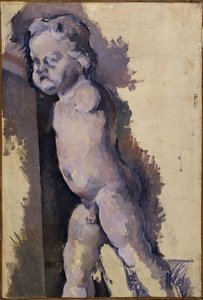
Robert Henri (1865–1929) stworzył Eakers. Dzieło pochodzi z 1904. Należy do nurtu Ashcan School. Wykonano w technice Oil On Canvas. Przechowywane jest w Harvard Art Museums w Cambridge, Stany Zjednoczone Ameryki.
- 1904
- Oil On Canvas
- Harvard Art Museums, Cambridge

 Podgląd w skali 1:1

 Ręcznie malowany obraz olejny
 Wyślij jako kartkę
 Udostępnij
 Karta informacyjna


 Pobierz obraz
 Podobne obiekty
 RTG
 Pokaz slajdów
 Pytania i odpowiedzi

 Statystyki
Eakers w skrócie
- Tytuł
- Eakers
- Artysta
- Robert Henri (1865–1929)
- Miejsce urodzenia artysty
- Cincinnati, Stany Zjednoczone
- Data powstania
- 1904
- Technika wykonania
- Oil On Canvas
- Gdzie można je zobaczyć
- Harvard Art Museums, Cambridge, Stany Zjednoczone Ameryki
- Ruch
- Ashcan School
- Epoka
- Modern
- Temat
- man, portrait, grayscale, face, shoulder, clothing
Co przedstawia Eakers?
Identification of Eakers by Robert Henri
In this 1904 work, titled Eakers, the artist Robert Henri presents us with a quiet, singular presence. The painting focuses entirely on a single male figure, captured in a moment of stillness that feels both heavy and deeply personal. There is a certain gravity to his posture, as he sits with his arms crossed, a stance that suggests a man settled within his own thoughts.
The subject carries a contemplative or somber expression, inviting a closer look at the psychological weight he holds. Henri avoids the superficiality of a casual pose, opting instead to document a sense of introspection. Through this direct engagement, the figure becomes a study of resilience and quietude, presented without the need for external distraction or artifice.
Composition and Visual Elements
The composition is a medium close-up, focusing on the subject from the chest up. By positioning the figure slightly off-center, the artist avoids a static, formal arrangement, opting instead for a sense of immediacy. The perspective is set at eye-level, which establishes an intimate connection between the viewer and the subject's contemplative expression. This directness is heightened by a strictly grayscale color palette, where the absence of color forces a total reliance on tonal shifts to define form and presence.
Light enters the frame from the upper left, creating a dramatic chiaroscuro effect. This directional light casts strong highlights across the forehead, the cheek, and the shoulder, carving the subject out of the darkness. In contrast, the right side of the face and the surrounding background are submerged in deep shadow. These heavy shadows create a sense of depth and tension, emphasizing the contours of the face through light rather than through sharp outlines.
Technique and Artistic Style
The execution of this work suggests a deep engagement with the impasto technique, likely rendered in oil on canvas. There is a palpable sense of immediacy in the application of the medium. Bold, gestural brushwork defines the surface, moving beyond mere representation to emphasize the physical presence of the paint itself. These thick, visible strokes do more than suggest form; they actively construct the texture of the clothing and the contours of the face, lending the piece a sense of movement and raw vitality.
The artist’s approach here is reminiscent of Impressionism or early Expressionism, favoring a directness that avoids the rigidity of academic precision. Rather than relying on sharp outlines, the shapes are loosely defined through a sophisticated interplay of light and shadow. This chiaroscuro effect creates a profound sense of depth and tension, particularly where the light catches the high points of the subject's features and recedes into deep, dark tones. The result is a composition that feels both spontaneous and deeply considered.
Current Collection and Location
This work is held within the collections of the Harvard Art Museums. It is specifically part of the holdings at the Fogg Museum, where it is cataloged under the identification number 1948.85. The piece remains a permanent part of this institutional repository, preserved for study and observation.
The collection is situated in Cambridge, United States of America. Visitors to the museum can find this work within the specialized environment of the Fogg Museum's galleries. It is maintained as part of the modern and contemporary art holdings within the Cambridge campus.
W którym muzeum znajduje się Eakers?
Harvard Art Museums
Cambridge, Stany Zjednoczone Ameryki
Historia Harvard Art Museums Harvard Art Museums stanowią integralną część Uniwersytetu Harvarda, będąc żywym świadectwem artystycznego dziedzictwa. Obecna forma tej instytucji narodziła się w 1983 roku w wyniku integracji trzech odrębnych podmiotów. To proces zjednoczenia, który połączył Fogg Museum, założony w 1895 roku, Busch-Reisinger Museum, powołany do życia w 1903 roku, oraz Arthur M.


Zdjęcia w wysokiej rozdzielczości dzieła Eakers

Domena publiczna: artysta zmarł w 1929.
Inne rozmiary, kadrowanie i cytowanie →Robert Henri, Eakers (1904), Harvard Art Museums. Domena publiczna
Odpowiedzi na pytania dotyczące Eakers
W którym muzeum znajduje się oryginał "Eakers"?
„Eakers” – Robert Henri znajduje się w zbiorach Harvard Art Museums, Cambridge, Stany Zjednoczone Ameryki. Informacja o muzeum dotyczy oryginału, a nie reprodukcji.
W którym roku powstało dzieło „Eakers” – Robert Henri?
"Eakers" powstało w 1904 roku. Data ta pozwala umiejscowić dzieło w kontekście twórczości Robert Henri oraz epoki, w której powstało.
W jakiej technice wykonano „Eakers” – Robert Henri?
Technika wykonania dzieła „Eakers” – Robert Henri to Oil On Canvas. Reprodukcje mają na celu wierne oddanie wyglądu tej techniki.
Co przedstawia „Eakers” – Robert Henri?
Tematyka obecna w „Eakers” – Robert Henri obejmuje man, portrait, grayscale, face, shoulder, clothing. Razem stanowią one podsumowanie tematyki dzieła.
Czy dzieło "Eakers" znajduje się w domenie publicznej?
„Eakers” – Robert Henri znajduje się w domenie publicznej (należy do domeny publicznej – autorskie prawa majątkowe wygasły). Status ten określa zasady reprodukcji obrazu tego dzieła.
Któremu artyście przypisuje się "Eakers"?
Autorstwo dzieła "Eakers" przypisuje się Robert Henri.
Do jakiego nurtu w sztuce należy „Eakers” – Robert Henri?
„Eakers” to dzieło należące do nurtu Ashcan School. Nurt ten określa tradycję artystyczną, w której osadzone jest dzieło.
Do którego okresu twórczości Robert Henri należy dzieło "Eakers"?
"Eakers" reprezentuje Mature Period twórczości Robert Henri.
W jakim wieku Robert Henri stworzył(a) "Eakers"?
Robert Henri miał 39 lat w momencie powstania „Eakers” w 1904. Wiek ten obliczono na podstawie roku urodzenia artysty, 1865.
O artyście: Robert Henri

1865–1929, Stany Zjednoczone
Robert Henri
A Turbulent Genesis: The Early Life of Robert Henri Robert Henri, born Robert Henry Cozad in Cincinnati, Ohio, in 1865, carried within him from the outset a sense of displacement and reinvention that would profoundly shape both his life and art. His childhood was far from idyllic; shadowed by the volatile relationship between his father, John Jackson Cozad—a man of ambition and risk as a gambler and real estate developer—and his mother, Theresa Gatewood Cozad. This instability culminated in a dramatic event in 1882: a fatal shooting over a land dispute that forced the family into flight, adopting new identities to escape retribution. Young Robert became Robert Henri, a deliberate severing from a past fraught with conflict and a symbolic rebirth as an artist.
Inne prace Robert Henri
 Betalo Rubino, Dramatic Dancer1916
 The Green Fan (Girl of Toledo, Spain)
 O'Malley Home (Achill Island, County Mayo, Ireland)1913
 Young Woman in Black

Eseje o Eakers
 The Weight of Stillness: Examining Melancholy in the Art of Edvard Munch and Hendrick ter BrugghenExplore the profound history of melancholy through Munch and Ter Brugghen. Discover the emotional depth of art today.
 Mastering the Frame: How Detailed Composition and Structural Harmony Bring Artworks to LifeDiscover the profound impact of composition on fine art. Explore how masters use geometry, light, and structural harmony to breathe life in…
 The Art of Prestige: How Fine Reproductions Anchor Elite Gallery CollectionsDiscover how museum-grade fine art reproductions anchor elite collections. Explore the intersection of historical mastery and modern luxury…