Podgląd w skali 1:1
 Wyślij jako kartkę
 Udostępnij
 Szczegóły dzieła
 Przewodnik

 Pobierz obraz
 Podobne obiekty
 RTG
RTG Pokaz slajdów
 Statystyki
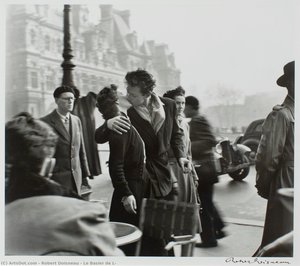
Le Baiser de l’Hôtel de Ville


 Rozwiń treść
Dzieło sztuki prezentowane na tej stronie podlega ochronie prawem autorskim, co oznacza, że nie mamy prawa do tworzenia ani sprzedaży jego identycznej reprodukcji. Ochrona ta jest egzekwowana na mocy umów międzynarodowych, takich jak Konwencja berneńska oraz przez przepisy prawa krajowego, w tym te określone w Prawo autorskie USA – Tytuł 17.
Jako pełną szacunku i legalną alternatywę oferujemy personalizowane, malowane ręcznie dzieła sztuki inspirowane oryginałem. Nasi wykwalifikowani i profesjonalni artyści starannie analizują styl, nastrój oraz artystyczną esencję pierwowzoru, aby stworzyć nowe, unikalne dzieło, które przywołuje te same emocje – pozostając jednocześnie w pełni oryginalną kreacją.
Metoda ta jest w pełni zgodna z przepisami prawa autorskiego, ponieważ nie polega na kopiowaniu ani powielaniu chronionego dzieła. Stanowi ona kreatywną reinterpretację – nowy obraz, który czerpie inspirację z oryginału, ale nie jest z nim tożsamy.
Ręcznie malowana reprodukcja olejowa
Ręcznie malowany obraz olejny na płótnie, wykonany na zamówienie przez naszych artystów w wybranym przez Ciebie wymiarze i oprawie. ( Przełącz na wydania drukowane Przejdź do wersji cyfrowej)




P118B zł10

P118H zł10

P118W zł10

P438Z zł10

P508JH zł12

P508YH zł12

P805H zł10

P805Z zł10

P919BZ zł10

P919G zł10

P919XJ zł10

P959ZH zł10

P968JZ zł12

W106C zł8

W218G zł10

W218JH zł8

W218Y zł10

W307PJ zł10

W316G zł10

W316PJ zł8

W316Y zł10

W398PJ zł8

W4111J zł10

W500HY zł15

W500JH zł15

W692G zł12

W849H zł8

W940BG zł15

W953PJ zł8




Wybierz spośród naszych standardowych rozmiarów, które zachowują oryginalne proporcje dzieła sztuki.

Wpisz wymaganą szerokość i wysokość, aby obraz pasował do Twojej ramy lub ściany. Ponieważ jest to dzieło malowane ręcznie, w przypadku rozmiaru o innych proporcjach artysta może domalować nieco więcej wokół obrazu lub przyciąć jego fragmenty — wybór należy do Ciebie. Przed rozpoczęciem pracy prześlemy Ci cyfrową wizualizację do zatwierdzenia. Obraz widoczny na tej stronie nie przedstawia rzeczywistego efektu — jedynie wizualizacja oddaje realny rezultat.
Po złożeniu zamówienia zespół OriginalUniqueArt.com skontaktuje się z klientem drogą mailową w celu uzyskania instrukcji i prześle wizualizację projektu
Dostawa na całym świecie () w ciągu 3–4 tygodni zamiast standardowych 5 tygodni. (26 Październik). Bez kompromisów w kwestii jakości.

Bezpłatna ekspresowa wysyłka na cały świat

Wysokiej jakości płótno lniane

Pełne ubezpieczenie przesyłki

Gwarancja zwrotu należności celnych i podatków importowych

Gwarancja wiernego odwzorowania kolorów

100-dniowa polityka zwrotów (tylko w przypadku wad)

Gwarancja 100% zwrotu pieniędzy

Zniżka przy zakupie wielu sztuk
 Opcja ze szkłem jest dostępna wyłącznie w rozmiarach poniżej 110 cm

Le Baiser de l’Hôtel de Ville
Technika reprodukcji
Wymiary reprodukcji
-


Cena całkowita
zł 1728
Le Basier de L – Robert Doisneau: A Snapshot of Parisian Soul
Robert Doisneau’s “Le Baiser de l’Hôtel de Ville” isn't merely a photograph; it’s crystallized emotion, a fleeting glimpse into the heart of postwar Paris. Captured in 1950, this iconic image transcends its simple composition—a couple embracing on a cobblestone street—to become a symbol of love amidst urban anonymity. Doisneau, a master of humanist observation, skillfully employed his Leica camera to freeze a moment that speaks volumes about human connection and the enduring spirit of Paris.- Composition & Framing: Doisneau’s genius lay in transforming ordinary street scenes into extraordinary narratives. The photograph utilizes a central focus on the kissing couple, drawing immediate attention while subtly blurring figures in the background—a deliberate technique that conveys movement and emphasizes the intimacy of the encounter. Buildings and lampposts frame the scene, grounding it in its Parisian context without overshadowing the primary subject matter.
- Technical Brilliance: Doisneau’s meticulous approach to photography is evident in his use of selective focus – ensuring sharpness on the couple's faces while softening the surrounding environment. He skillfully manipulated light and perspective from an elevated position, creating depth and enhancing the romantic atmosphere. The image was produced as a silver gelatin print, guaranteeing exceptional tonal accuracy and preserving the nuances of texture and detail.
- Historical Context & Significance: Doisneau’s work emerged during a period of profound social change in France—the aftermath of World War II—characterized by rebuilding and rediscovering beauty amidst hardship. “Le Baiser de l’Hôtel de Ville” encapsulates this spirit, portraying a tender moment of affection against the backdrop of bustling city life, reflecting the optimism and yearning for connection that defined the era.
- Symbolism & Emotional Resonance: The kiss itself serves as potent symbol—representing love, spontaneity, and defiance of societal norms. It contrasts sharply with the anonymity of the crowd, highlighting the importance of personal relationships in shaping our experience of the world. Doisneau’s photograph invites contemplation on themes of desire, vulnerability, and the beauty found in everyday life.
Artist Biography: Robert Doisneau – A Parisian Chronicler
Born in Gentilly, France, in 1912, Robert Doisneau wasn't simply a photographer; he was a visual poet of the streets—a chronicler of daily life who captured the essence of postwar Paris with unparalleled empathy and artistic vision. His formative years were marked by personal adversity – orphaned at a young age and raised by an aunt—yet these experiences fueled his determination to pursue art, initially gravitating towards engraving and lithography at École Estienne. However, it was his fascination for capturing spontaneous urban narratives that truly cemented his legacy as one of France’s most celebrated photojournalists. Doisneau's early training instilled a meticulous eye for composition and detail—qualities he would consistently demonstrate throughout his prolific career.Style & Technique: Photojournalism Elevated
Doisneau’s style embodies the principles of photojournalism, prioritizing authenticity and capturing fleeting moments in time with remarkable sensitivity. He eschewed staged productions, instead patiently observing scenes unfold before him, waiting for opportune compositions—a characteristic that distinguishes his work from more conventional artistic endeavors. His masterful use of light and shadow contributes to a dramatic effect, enhancing the emotional impact of each image. The resulting silver gelatin print ensures exceptional tonal fidelity, preserving subtle textures and nuances that would be lost in other printing processes.Exploring Similar Artistic Expressions: Inspirations & Influences
Doisneau’s artistic sensibilities were undoubtedly shaped by influences from fellow artists like Jean Petitot the Elder, who excelled at portraying Parisian landscapes with evocative realism; Robert Le Vrac de Tournières, whose portraits captured elegance and intimacy; and Jean-François de le Motte, known for his monumental trompe l'oeil paintings. These artists shared Doisneau’s commitment to documenting human experience—often focusing on marginalized communities and capturing the beauty of ordinary life—establishing him as a pivotal figure in French art history.Pytania i odpowiedzi
Gdzie mogę kupić cyfrową wersję dzieła „Le Baiser de l’Hôtel de Ville” – Robert Doisneau?
Aby otrzymać plik cyfrowy dzieła „Le Baiser de l’Hôtel de Ville” – Robert Doisneau, zamów wysokiej rozdzielczości cyfrowe zdjęcie do pobrania na stronie Cyfrowy obraz.
Co to za dzieło: "Le Baiser de l’Hôtel de Ville"?
W katalogu dzieło „Le Baiser de l’Hôtel de Ville” – Robert Doisneau zostało sklasyfikowane jako Sztuka ścienna. Kategoria ta ułatwia odnajdywanie podobnych prac.
Czy "Le Baiser de l’Hôtel de Ville" to słynne dzieło nurtu Street Photography?
W ramach nurtu Street Photography, dzieło „Le Baiser de l’Hôtel de Ville” cechuje się poziomem popularności Ikoniczne.
Biografia artysty
A Parisian Chronicler: The Life and Legacy of Robert Doisneau
Robert Doisneau, born in Gentilly, France, in 1912, wasn’t merely a photographer; he was a visual poet of the streets, a chronicler of everyday life who captured the heart and soul of post-war Paris with an unparalleled blend of humanism, irony, and playful observation. His journey began amidst personal hardship – orphaned at a young age, raised by an unloving aunt – yet it blossomed into a career that celebrated the resilience and charm of the human spirit. Initially drawn to the technical arts, Doisneau trained in engraving and lithography at the École Estienne, skills that would later inform his compositional eye. However, it was the allure of the streets, the spontaneous narratives unfolding before him, that truly ignited his artistic passion. He began tentatively, reportedly photographing cobblestones to overcome initial shyness, gradually building confidence to capture the lives of children and adults in their natural environment.From Advertising to Artistic Vision
Doisneau’s early career was a pragmatic blend of necessity and opportunity. He navigated the world of advertising, working first as a draughtsman at Atelier Ullmann and later as a photographer for Renault. While these roles provided financial stability, they also fueled his growing interest in people and their interactions. His time at Renault, though ultimately cut short by his habitual tardiness, proved formative, exposing him to the possibilities of photography beyond mere commercial application. The late 1930s saw him join the Rapho photographic agency, a pivotal moment that allowed him to pursue street photography more seriously. This period coincided with the looming shadow of World War II, and Doisneau’s life took on another layer of complexity as he served in the French army and actively participated in the Resistance, utilizing his skills to forge documents for those fleeing persecution. It was a time of immense risk and moral responsibility, shaping his commitment to documenting the lives of ordinary people with dignity and respect.The Humanist Lens: Style and Influences
Doisneau’s photographic style is instantly recognizable – a masterful blend of candid observation, carefully composed framing, and a gentle, often ironic, perspective. He wasn't interested in grand narratives or dramatic events; instead, he found beauty and meaning in the mundane, the fleeting moments of everyday life. Influenced by masters like André Kertész, Eugène Atget, and Henri Cartier-Bresson, Doisneau developed his own unique voice, one that prioritized human connection over technical perfection. He possessed an extraordinary ability to anticipate and capture decisive moments, often with a touch of humor or whimsy. His work frequently features amusing juxtapositions, contrasting social classes, and eccentric characters, all set against the backdrop of bustling Parisian streets and cafes. Le Baiser de l'Hôtel de Ville (The Kiss by the Town Hall), his most iconic image from 1950, perfectly encapsulates this approach – a spontaneous moment of intimacy amidst the chaos of city life, an enduring symbol of love and freedom. He famously stated, “The marvels of daily life are so exciting; no movie director can arrange the unexpected that you find in the street.”A Legacy of Empathy and Observation
Throughout his career, Doisneau consistently championed the overlooked and marginalized. He had a particular fondness for children, portraying their play with seriousness and respect, recognizing their inherent dignity and freedom from adult constraints. His photographs offer a poignant glimpse into a post-war Paris rebuilding itself, grappling with social change, yet retaining its unique charm and spirit. While he briefly experimented with fashion photography for Vogue, his heart remained on the streets, capturing the authentic pulse of Parisian life. Despite receiving an invitation to join Magnum Photos from Henri Cartier-Bresson, Doisneau chose to remain with Rapho, valuing the agency’s independence and allowing him greater creative freedom. He was appointed a Chevalier (Knight) of the Legion of Honour in 1984, a testament to his significant contribution to French culture. Robert Doisneau passed away in 1994, leaving behind a vast body of work that continues to inspire and captivate audiences worldwide. His photographs are not simply records of a time and place; they are enduring celebrations of the human condition, reminding us to find beauty and meaning in the everyday moments that shape our lives.
Robert Doisneau
1922 - 1994 , France
Krótka nota
- Full Name: Robert Doisneau
- Nationality: French
- Date Of Birth: 1922
- Date Of Death: 1994
- Place Of Birth: Gennevilliers, France
- Notable Artworks: ["Le Baiser de l'hôtel de ville"]
- Artistic Movement Or Style: Humanist photography
- Artists Who Influenced This Artist:
- André Kertész
- Eugène Atget
- Henri Cartier-Bresson
Powiązane artykuły

Czarne arcydzieła: Top 10 słynnych obrazów pełnych mroku i ekspresji | OriginalUniqueArt.com
Odkryj 10 słynnych obrazów, w których czerń króluje! Poznaj historie artystów, ekspresjonizm i mroczną paletę barw. Reprodukcje dzieł sztuki najwyższej jakości na OriginalUniqueArt.com – inspiracje do wnętrz i kolekcjonerstwo.
Timeless Shadows: The Artistry, History, and Emotional Resonance of Black and White Photography
Explore the profound artistry of black and white photography. From historical mastery to the interplay of light and shadow, discover how monochrome captures timeless emotion and form through a sophisticated lens of art history.

Monochromatyczne Wizje: Estetyka i Historyczne Znaczenie Fotografii Czarno-Białej
Odkryj fascynujący świat fotografii czarno-białej! Poznaj historię, techniki i arcydzieła monochromatycznej sztuki. Inspiracje, porady i analiza wpływu na współczesną estetykę. OriginalUniqueArt.com.
Shadow & Soul: Why Black & White Photography Remains the Ultimate Power Move in Modern Art
Discover why black & white photography remains a powerful force in contemporary art. Explore the impact of light, shadow, and texture through a visual journey of monochrome mastery and learn how to elevate your space with timeless grayscale aesthetics.

Beyond the Lens: Photography's Enduring Influence on Modern & Contemporary Art
Explore photography's pivotal role in shaping modern & contemporary art. Discover key movements, influential artists like Stieglitz, and expert collecting advice from OriginalUniqueArt.