

 Zobacz w skali 1:1
 Wyślij
 Udostępnij
 Szczegóły

 Pobierz plik obrazu
 Podobne obiekty
 RTG
RTG Pokaz slajdów
 Statystyki
Ocean Park #27
 Oil On Canvas
- WallArt
- Color Field Painting
 1970
1970 254.0 x 203.0 cm
 Brooklyn Museum
 Czytaj więcej
Giclée / Wydruk artystyczny
Wydruki giclée lub płótna o jakości muzealnej, szybka realizacja i szeroki wybór opcji wykończenia. ( Kup ręcznie malowany obraz Przełącz na wersję cyfrową)




P118B $10

P118H $10

P118W $10

P438Z $10

P508JH $12

P508YH $12

P805H $10

P805Z $10

P919BZ $10

P919G $10

P919XJ $10

P959ZH $10

P968JZ $12

W106C $8

W218G $10

W218JH $8

W218Y $10

W307PJ $10

W316G $10

W316PJ $8

W316Y $10

W398PJ $8

W4111J $10

W500HY $15

W500JH $15

W692G $12

W849H $8

W940BG $15

W953PJ $8




Wybierz spośród naszych standardowych rozmiarów, które zachowują oryginalne proporcje dzieła sztuki.

Możesz wprowadzić własne wymiary, aby dopasować dzieło do konkretnej ramy lub przestrzeni. Jeśli wybrany rozmiar nie będzie odpowiadał proporcjom oryginalnego obrazu, przytniecie dzieło lub rozszerzymy obraz za pomocą odbicia lustrzanego lub jednolitego wypełnienia krawędzi. Przed rozpoczęciem produkcji prześlemy cyfrową wizualizację do Twojej akceptacji.
Prosimy pamiętać, że podgląd na ekranie nie odzwierciedla faktycznego przycinania ani rozszerzania. Tylko wizualizacja dokładnie pokaże końcową kompozycję.
Mimo dostępności niestandardowych rozmiarów, zalecamy wybór wymiaru z listy zdefiniowanej, aby zachować oryginalne proporcje.
Dostawa na cały świat () w ciągu 2 tygodni zamiast standardowych 4/5 tygodni. (16 Wrzesień)

Bezpłatna ekspresowa wysyłka na cały świat

Wysokiej jakości płótno lniane

Pełne ubezpieczenie transportowe

Gwarancja zwrotu należności celnych i podatków importowych

Gwarancja idealnego odwzorowania barw

100-dniowy okres na zwrot dzieła w przypadku wykrycia wad produkcyjnych

Gwarancja 100% zwrotu pieniędzy

Oferta przy zakupie wielu sztuk
 Opcja ze szkłem jest dostępna wyłącznie w rozmiarach poniżej 110 cm

Ocean Park #27
Giclée / Wydruk artystyczny
Rozmiar reprodukcji
-


Suma do zapłaty
$ 80
A Shimmering California Dreamscape: Richard Diebenkorn’s *Ocean Park #27*
Richard Diebenkorn's *Ocean Park #27*, painted in 1970, isn’t merely a depiction of a coastal scene; it’s an immersion into the very essence of Californian light and mood. Born in Portland, Oregon, in 1922, Diebenkorn’s artistic journey was deeply rooted in the landscapes and cultural currents of his adopted home – San Francisco. Initially influenced by the rigorous formalism of European masters like Hopper and Matisse, he gradually developed a uniquely American style characterized by lyrical abstraction and an almost meditative quality. *Ocean Park #27* represents a pivotal moment in this evolution, marking a shift away from representational imagery towards a more purely expressive language. The painting’s genesis lies within Diebenkorn's own studio overlooking the Santa Monica coastline – a space that became synonymous with his artistic practice and provided the constant source of inspiration for this series.Color Field Harmony: Technique and Composition
The power of *Ocean Park #27* resides largely in its masterful execution of Color Field painting, a movement Diebenkorn embraced during the late 1960s. He eschewed sharp outlines and detailed rendering, instead employing broad washes of color to create an all-over visual field. The palette is remarkably restrained – primarily blues, greens, yellows, pinks, and oranges – yet these seemingly simple hues are layered with astonishing subtlety. Diebenkorn’s technique involved applying thin glazes of oil paint, allowing each layer to dry before adding the next, building up a complex surface texture that subtly shifts with the viewer's perspective. Notice how the colors bleed into one another, creating an almost hazy atmosphere. The composition itself is deceptively simple: a fragmented view of the ocean and coastline, reduced to its essential elements. Diebenkorn uses geometric shapes – rectangles, triangles, and curves – to organize the space, suggesting depth and movement without resorting to traditional perspective techniques. The subtle variations in tone and hue create an illusion of shimmering light reflecting off the water’s surface, capturing a fleeting moment of California beauty.Symbolism and Emotional Resonance
Beyond its purely visual qualities, *Ocean Park #27* is imbued with a profound sense of mood and emotion. The painting evokes feelings of tranquility, nostalgia, and perhaps even a touch of melancholy. The muted colors and hazy atmosphere suggest the passage of time and the ephemeral nature of beauty. Some art historians interpret the “ocean park” as a metaphor for the American dream – a vision of open spaces, freedom, and possibility. However, there’s also an underlying sense of isolation and introspection within the painting's composition. The fragmented view of the coastline hints at the difficulty of capturing a complete or definitive experience. The artist himself described his intention to communicate “a feeling of strength in reserve, tension beneath calm,” reflecting a complex interplay of emotions that are characteristic of the human condition.A Legacy of Lyrical Abstraction
*Ocean Park #27* stands as a cornerstone of Richard Diebenkorn’s oeuvre and a significant work within the broader context of Color Field painting. Its influence can be seen in the works of later abstract artists, and it continues to resonate with viewers today for its evocative beauty and emotional depth. The Brooklyn Museum holds one of the two original paintings from this series, testament to its enduring value. Reproductions, like those offered by OriginalUniqueArt.com, allow us to experience Diebenkorn’s vision in our own homes, bringing a touch of California light and serenity into any space. The painting's quiet power lies not just in its aesthetic qualities but also in its ability to transport the viewer to a place of contemplation and reflection – a shimmering reminder of the beauty and complexity of the natural world.Biografia artysty
Early Life and Artistic Foundations
Richard Diebenkorn, born in Portland, Oregon, in 1922, embarked on a journey that would establish him as one of the most significant American painters of the postwar era. His family’s relocation to San Francisco when he was just two years old proved formative, imbuing his artistic sensibility with the light and atmosphere of California—a landscape that would become inextricably linked to his work. Even in childhood, a profound inclination towards drawing manifested itself, signaling an early dedication to visual expression. This innate passion led him to Stanford University in 1940, where he encountered pivotal mentors like Victor Arnautoff, who instilled a rigorous classical discipline with oil paint, and Daniel Mendelowitz, who shared his admiration for the evocative realism of Edward Hopper. Hopper’s influence is readily apparent in Diebenkorn's early paintings, characterized by a quiet introspection and a masterful handling of light and shadow. These formative years laid the groundwork for a career defined by both technical skill and emotional depth.Navigating Abstraction and Figuration
The landscape of American art underwent a dramatic shift in the wake of World War II, with the center of artistic innovation moving from Paris to New York. Diebenkorn keenly felt this change, enrolling at the California School of Fine Arts (now the San Francisco Art Institute) and embracing abstract expressionism as his primary mode of self-expression. He found inspiration in the work of artists like Clyfford Still, Arshile Gorky, Hassel Smith, and Willem de Kooning, absorbing their bold experimentation with form and color. However, Diebenkorn was not content to simply follow established trends. Alongside Elmer Bischoff, Henry Villierme, David Park, and James Weeks, he became a leading figure in the Bay Area Figurative Movement—a conscious return to representational painting after the dominance of abstract expressionism. This transition wasn’t abrupt; it was a gradual process of reintroducing recognizable forms into his work, blending abstraction's emotional intensity with figuration’s narrative potential. He sought to bridge the gap between inner experience and external reality, creating paintings that were both deeply personal and universally resonant.The Ocean Park Series: A Defining Achievement
In 1967, Diebenkorn embarked on a series of paintings that would come to define his career—the *Ocean Park* series. Named after the Santa Monica neighborhood where he lived and worked, these geometric, lyrical abstract paintings represent a culmination of his artistic explorations. Unlike the gestural spontaneity of abstract expressionism or the direct representation of Bay Area Figurative work, the *Ocean Park* paintings are characterized by a carefully considered composition, subtle color palettes, and a sense of serene order. These weren’t depictions of Ocean Park itself, but rather distillations of its light, space, and atmosphere—evocations of place through abstract form. He explored printmaking alongside his painting, beginning with drypoint in 1961 at UCLA, and forging a long-lasting collaboration with Kathan Brown at Crown Point Press from 1965 to 1992, producing numerous prints that further expanded his artistic vocabulary. The *Ocean Park* series garnered widespread critical acclaim, establishing Diebenkorn as a major force in contemporary art.Influences and Artistic Development
Diebenkorn’s artistic development was shaped by a diverse range of influences. Early exposure to the works of Henri Matisse, Paul Cézanne, and Pablo Picasso at a young age instilled a deep appreciation for color, form, and composition. The paintings of Edward Hopper provided a model for capturing mood and atmosphere, while the abstract expressionists—particularly Clyfford Still—inspired him to explore the expressive potential of color and gesture. He also drew inspiration from the landscape of California, particularly the light and space of the Bay Area. His time in Albuquerque, New Mexico, exposed him to Southwestern art and architecture, which influenced his use of color and composition. Throughout his career, Diebenkorn remained open to new influences, constantly experimenting with different techniques and approaches.Legacy and Lasting Influence
Richard Diebenkorn’s influence on postwar American art is undeniable. His ability to synthesize abstract expressionism, lyrical abstraction, and figurative painting created a unique artistic voice that resonated with artists for generations. A significant retrospective at the Pasadena Art Museum in 1960—later shown at the California Palace of the Legion of Honor in San Francisco—cemented his reputation as a leading figure in the art world. He didn’t adhere to any single dogma, instead forging his own path by embracing experimentation and following his artistic intuition. His work continues to inspire artists and collectors alike, celebrated for its beauty, complexity, and emotional depth. Diebenkorn's passing in 1993 marked the end of a remarkable career, but his legacy lives on through the enduring power of his paintings—a testament to his innovative spirit and unwavering commitment to artistic vision. His work remains a poignant reminder of the transformative potential of art.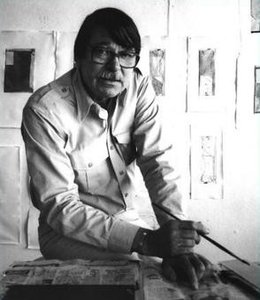
Richard Diebenkorn
1922 - 1993 , Stany Zjednoczone
Najważniejsze informacje
- Artistic Movement Or Style: Liryczna abstrakcja
- Artists Or Movements Influenced By This Artist:
- Bay Area Figurative
- Abstrakcja ekspresjonistyczna
- Artists Who Influenced This Artist:
- Edward Hopper
- Clyfford Still
- Date Of Birth: 22 kwietnia 1922
- Date Of Death: 30 marca 1993
- Full Name: Richard Clifford Diebenkorn
- Nationality: Amerykański
- Notable Artworks:
- Ocean Park No. 32
- A Day at the Races
- Place Of Birth: Portland, USA
Zobacz także powiązane artykuły

Top 10 Sławnych Obrazów w Odcieniach Szaroniebieskiego – Inspiracje dla Wnętrz | OriginalUniqueArt.com
Odkryj 10 najsłynniejszych obrazów w odcieniach szaroniebieskiego! Poznaj historie Claude Moneta, Degasa i Van Gogha. Inspiracje wnętrzarskie i reprodukcje najwyższej jakości na OriginalUniqueArt.com – sztuka dla Twojego domu.

Top 10 arcydzieł ekspresjonizmu abstrakcyjnego – inspiracje dla Twojego wnętrza | OriginalUniqueArt.com
Odkryj 10 arcydzieł ekspresjonizmu abstrakcyjnego – Pollock, Rothko, de Kooning i inni. Poznaj historie artystów, techniki i inspiracje dla Twojego wnętrza. Reprodukcje najwyższej jakości na OriginalUniqueArt.com!
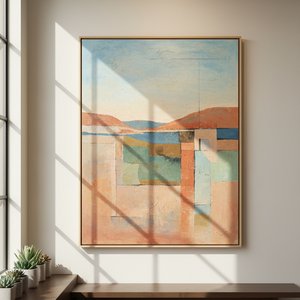
Richard Diebenkorn: A Poetics of Space & Form – Navigating Abstraction in California Modernism
Explore the evolution of Richard Diebenkorn's iconic art – from abstract expressionism to his celebrated Ocean Park series. Discover insights for collectors & enthusiasts.

Serene Blue Backgrounds: Discover Soulful Art to Transform Your Space with Timeless Elegance
Transform your home with soulful blue art. From serene Monet impressions to modern textured sculptures, discover curated masterpieces designed to inspire calm. Explore expert art consultations and bespoke hand-painted reproductions to create your personal sanctuary.
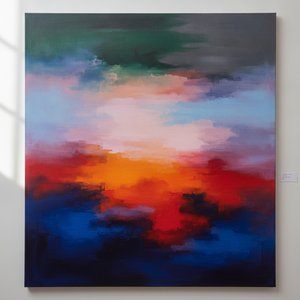
Color Field Painting: The Emotional Power of Pure Abstraction and Chromatic Depth
Explore the profound emotional depth of Color Field painting. Discover the history of mid-century abstraction, from Rothko to Newman, and learn how pure color transforms the viewer's experience through our expert art history guide.