- Strona główna

- Reprodukcja obrazu olejnego
- Richard Cosway
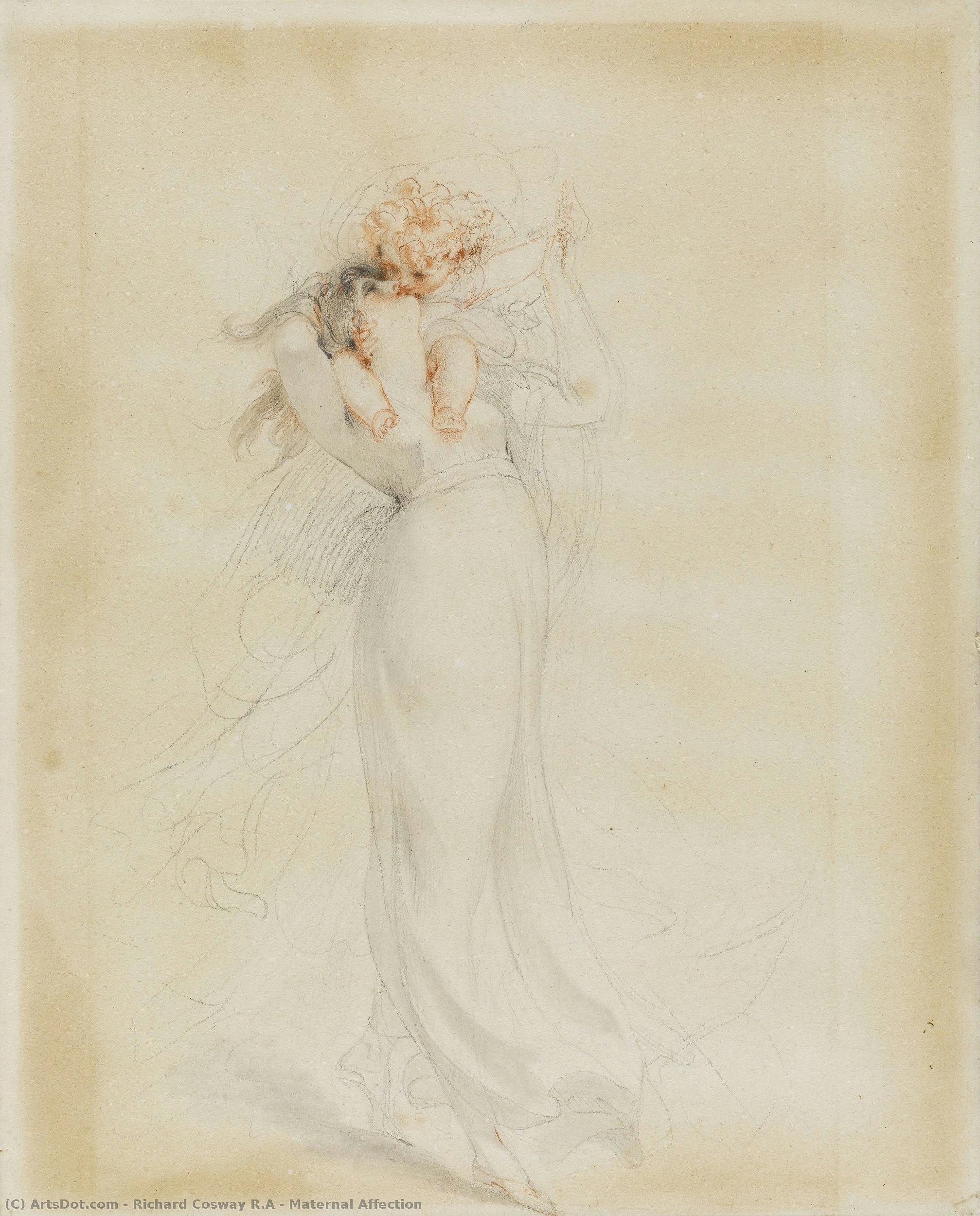
- Maternal Affection
 Podgląd w skali
 Udostępnij
 Udostępnij
 Szczegóły dzieła

 Pobierz
 Podobne obiekty
 RTG
RTG Pokaz slajdów
Maternal Affection


 Rozwiń treść
Ręcznie malowana reprodukcja olejowa
Ręcznie malowany olej na płótnie w Twoim wymiarze i ramie, tworzony na zamówienie przez naszych artystów. ( Przejdź do wydruku Przełącz na obraz)




































Wybierz spośród naszych predefiniowanych rozmiarów, które zachowują oryginalne proporcje dzieła sztuki.

Możesz wprowadzić własne wymiary, aby dopasować obraz do konkretnej ramy lub przestrzeni. Jeśli wybrany rozmiar nie będzie odpowiadał proporcjom oryginału, przytniecie dzieło sztuki lub rozszerzymy je o dodatkowe elementy, ręcznie domalowane przez artystę. Przed rozpoczęciem produkcji wyślemy projekt cyfrowy do Twojej akceptacji.
Należy pamiętać, że podgląd na ekranie nie odzwierciedla rzeczywistego przycinania ani rozszerzania obrazu. Tylko projekt dokładnie pokaże ostateczną kompozycję.
Choć oferujemy możliwość zamówienia niestandardowych rozmiarów, zalecamy wybór wymiaru z gotowej listy, aby zachować oryginalne proporcje dzieła.
Po złożeniu zamówienia zespół OriginalUniqueArt.com skontaktuje się z klientem drogą mailową w celu uzyskania instrukcji i prześle wizualizację projektu
Dostawa na całym świecie () w ciągu 3/4 tygodni zamiast standardowych 5 tygodni. (30 Lipiec). Bez kompromisów w kwestii jakości.

Bezpłatna ekspresowa wysyłka na cały świat

Wysokiej jakości płótno lniane

Pełne ubezpieczenie przesyłki

Gwarancja zwrotu należności celnych

Gwarancja pełnego zgodności kolorystycznej

Polityka 60-dniowego zwrotu (tylko w przypadku wad)

Gwarancja 100% zwrotu pieniędzy

Zniżka przy większych zamówieniach
 Opcja szkła jest dostępna wyłącznie w rozmiarach poniżej 110 cm

Maternal Affection
Technika reprodukcji
Wymiary reprodukcji
-


Cena całkowita
$ 300
Biografia artysty
Richard Cosway (1742–1821) – A Life in Miniature: The World of Richard Cosway
Richard Cosway, born in the quiet Devon town of Tiverton in 1742, ascended to become one of the most celebrated portrait miniaturists of his age. His journey began with a precocious talent recognized early on; at twelve years old, he was already demonstrating artistic promise significant enough to warrant a move to London for formal training. He studied under Thomas Hudson and William Shipley, foundational figures who instilled in him not only technical skill but also an entrepreneurial spirit that would define his career. Even before establishing his own business by 1760, Cosway had secured recognition from the Society of Arts, foreshadowing the acclaim he would soon garner within London’s vibrant artistic circles. This early success wasn't merely about talent; it was a testament to ambition and a keen understanding of the burgeoning market for portraiture during the Georgian era.Early Years and Artistic Foundations
Richard Cosway’s formative years were marked by an exceptional education, beginning with instruction at Blundell’s School in Tiverton—a prestigious institution where his father served as master—before relocating to London at twelve to pursue formal artistic training under Thomas Hudson and William Shipley. These mentors imparted not only mastery of oil painting but also a crucial element: the drive for success that would propel Cosway into prominence. His early engagement with the Society of Arts demonstrated an astute grasp of prevailing tastes and established him as a rising star within London’s burgeoning artistic milieu. He quickly honed his technique, absorbing influences from Hudson's meticulous realism and Shipley's dedication to fostering a supportive environment for aspiring artists—a partnership that proved instrumental in shaping Cosway’s distinctive style.The Regency Miniature Style
Cosway swiftly distinguished himself through his exquisite miniatures, a particularly popular art form during the Regency era – an age captivated by elegance and personal representation. Unlike grand canvases, these diminutive portraits demanded unparalleled precision and subtlety; Cosway achieved this remarkable feat with a refined attention to detail, utilizing delicate watercolor washes alongside meticulous oil glazing techniques. He wasn’t merely replicating appearances; he was crafting intimate glimpses into character and social standing—a skill that resonated deeply with the aristocratic clientele of his time. His style embodied the prevailing aesthetic sensibilities of the period: restrained color palettes, luminous highlights, and an uncanny ability to convey emotion through subtle expressions – qualities that cemented his reputation as *the* miniaturist of the Regency era.Notable Commissions and Artistic Recognition
Cosway’s talent quickly garnered considerable acclaim, culminating in his election as Associate Member of the Royal Academy in 1770—a pivotal moment signifying his acceptance into London’s elite artistic community. This honor was swiftly followed by full membership in 1771, placing him amongst the foremost artists of his day and securing his place alongside luminaries like Joshua Reynolds and Francis Hayman. His inclusion in Johan Zoffany’s group portrait of Royal Academy members—a collaborative effort showcasing the collective spirit of artistic endeavor—served as a tangible testament to his peers’ respect and admiration. However, Cosway's career reached its zenith with his appointment as Painter to the Prince of Wales in 1785 – an unprecedented gesture of royal patronage that elevated him to the highest echelon of British society. This prestigious role afforded him access to influential circles and solidified his legacy as a champion of artistic excellence.A Legacy Enduring Through Time
Richard Cosway’s influence extended far beyond his own lifetime, shaping subsequent generations of miniature artists and establishing him as a cornerstone of British art history. His meticulous technique—characterized by layering watercolor washes over oil glazes—continues to inspire admiration among connoisseurs today. Works such as *Mrs Siddons Reading In A Grotto* exemplify Cosway’s ability to capture dramatic emotion with remarkable accuracy, while *Portrait Of Lady Almeria Carpenter* showcases his mastery of tonal gradation and subtle color harmonies. Furthermore, Cosway's contribution to the broader artistic landscape—particularly his involvement in fostering a vibrant salon culture alongside fellow artists like William Blake and Chevalier d’Éon—underscores his role as not merely a painter but also as a humanist engaged in intellectual discourse and creative collaboration. His enduring legacy serves as a poignant reminder of an era defined by sophistication, refinement, and the transformative power of art to illuminate human experience.
Richard Cosway
1742 - 1821 , Wielka Brytania
Kluczowe informacje
- Artistic Movement Or Style: Miniatury portretowe Regency
- Artists Who Influenced This Artist:
- Thomas Hudson
- William Shipley
- Date Of Birth: 5 listopada 1742
- Date Of Death: 4 lipca 1821
- Full Name: Richard Cosway RA
- Nationality: Angielski
- Notable Artworks:
- Mrs Siddons Reading In A Grotto
- Portrait Of Lady Almeria Carpenter
- A Young Gentleman Facing Right
- Place Of Birth: Tiverton, UK

