

 Podgląd w skali
 Wyślij jako kartkę
 Udostępnij
 Szczegóły dzieła

 Pobierz
 Podobne obiekty
 RTG
RTG Pokaz slajdów
 Statystyki
Dog with a Wild Duck
 Oil On Canvas
- WallArt
- Victorian Realism
 38.0 x 46.0 cm
 Guildhall Art Gallery
 Rozwiń treść
Ręcznie malowana reprodukcja olejowa
Ręcznie malowany obraz olejny na płótnie, wykonany na zamówienie przez naszych artystów w wybranym przez Ciebie wymiarze i oprawie. ( Przełącz na wydruki Przełącz na obraz cyfrowy)




P118B $10

P118H $10

P118W $10

P438Z $10

P508JH $12

P508YH $12

P805H $10

P805Z $10

P919BZ $10

P919G $10

P919XJ $10

P959ZH $10

P968JZ $12

W106C $8

W218G $10

W218JH $8

W218Y $10

W307PJ $10

W316G $10

W316PJ $8

W316Y $10

W398PJ $8

W4111J $10

W500HY $15

W500JH $15

W692G $12

W849H $8

W940BG $15

W953PJ $8




Wybierz spośród naszych standardowych rozmiarów, które zachowują oryginalne proporcje dzieła sztuki.

Możesz wprowadzić własne wymiary, aby dopasować obraz do konkretnej ramy lub przestrzeni. Jeśli wybrany rozmiar nie będzie odpowiadał proporcjom oryginału, przytniecie dzieło sztuki lub rozszerzymy je o dodatkowe elementy, ręcznie domalowane przez artystę. Przed rozpoczęciem produkcji wyślemy projekt cyfrowy do Twojej akceptacji.
Należy pamiętać, że podgląd na ekranie nie odzwierciedla rzeczywistego przycinania ani rozszerzania obrazu. Tylko projekt dokładnie pokaże ostateczną kompozycję.
Choć oferujemy możliwość zamówienia niestandardowych rozmiarów, zalecamy wybór wymiaru z gotowej listy, aby zachować oryginalne proporcje dzieła.
Po złożeniu zamówienia zespół OriginalUniqueArt.com skontaktuje się z klientem drogą mailową w celu uzyskania instrukcji i prześle wizualizację projektu
Dostawa na całym świecie () w ciągu 3–4 tygodni zamiast standardowych 5 tygodni. (13 Wrzesień). Bez kompromisów w kwestii jakości.

Bezpłatna ekspresowa wysyłka na cały świat

Wysokiej jakości płótno lniane

Pełne ubezpieczenie przesyłki

Gwarancja zwrotu należności celnych i podatków importowych

Gwarancja wiernego odwzorowania kolorów

100-dniowa polityka zwrotów (tylko w przypadku wad)

Gwarancja 100% zwrotu kosztów

Zniżka przy zamówieniu wielu produktów
 Opcja ze szkłem jest dostępna wyłącznie w rozmiarach poniżej 110 cm

Dog with a Wild Duck
Technika reprodukcji
Wymiary reprodukcji
-


Cena całkowita
$ 300
A Moment Frozen in Time: Richard Ansdell's "Dog with a Wild Duck"
Richard Ansdell’s “Dog with a Wild Duck,” painted during the Victorian era, is more than just a depiction of an animal encounter; it’s a poignant study of instinct, power, and the delicate balance between predator and prey. The painting captures a fleeting moment—a large dog, likely a Dalmatian or similar breed known for its strength and agility, firmly holds a wild duck in its mouth. It's not a scene of aggression, but rather one of raw, natural energy, frozen on canvas with remarkable detail. Ansdell’s mastery lies in his ability to convey the tension inherent in this interaction—the dog’s focused gaze, the duck’s desperate struggle, and the surrounding environment that witnesses this primal dance. The background is alive with other birds, some taking flight, others perched amongst branches, adding depth and a sense of bustling wildlife activity to the scene. This isn't merely about a dog and a duck; it's about the broader ecosystem and the interconnectedness of life itself.Victorian Naturalism and Artistic Technique
Ansdell was a leading figure in Victorian naturalism, an artistic movement that emphasized realistic depictions of nature and everyday life. Unlike some of his contemporaries who romanticized landscapes or focused on grand historical narratives, Ansdell chose to portray the often-overlooked beauty of rural scenes and animal behavior. His technique reflects this dedication to realism. He employed oil paints with meticulous precision, layering colors to create a rich texture and capturing the subtle nuances of fur, feathers, and light. Observe how he renders the dog’s coat—the individual hairs are almost palpable, conveying both its strength and softness. Similarly, the duck's plumage is rendered with remarkable detail, highlighting its iridescent sheen and the frantic movement of its wings. Ansdell’s skill in capturing anatomical accuracy combined with his artistic license to create a scene that feels both authentic and emotionally resonant. He often collaborated with landscape artists like Thomas Creswick, allowing him to seamlessly integrate his animal subjects into beautifully rendered natural settings—a testament to his understanding of composition and the importance of context.Symbolism and Victorian Values
Beyond its aesthetic appeal, “Dog with a Wild Duck” carries symbolic weight within the context of Victorian society. The dog, often associated with loyalty, domesticity, and even nobility, represents human control over nature. Its firm grip on the wild duck—a symbol of freedom and untamed wilderness—can be interpreted as a reflection of Victorian ideals regarding progress, industry, and the subjugation of the natural world for human benefit. However, Ansdell’s portrayal avoids overt moralizing; instead, he presents a neutral observation of a natural occurrence. The painting doesn't judge the dog or the duck but rather invites viewers to contemplate the complex relationship between humans and the environment. This ambiguity is part of what makes the work so compelling—it allows for multiple interpretations and encourages deeper reflection on our place within the larger world.An Enduring Emotional Impact
Even today, “Dog with a Wild Duck” evokes a powerful emotional response. The painting’s inherent drama – the tension between predator and prey – is captivating. There's a sense of immediacy, as if we are witnessing this scene unfold before our very eyes. Ansdell masterfully captures not just the physical appearance of his subjects but also their essence—the dog’s focused determination, the duck’s desperate struggle for survival. This ability to convey emotion through realistic depiction is what elevates Ansdell's work beyond mere representation and transforms it into a timeless piece of art that continues to resonate with audiences across generations. The painting serves as a reminder of the raw beauty and inherent drama found within the natural world, skillfully captured by one of Victorian England’s most talented animal painters.O artyście
A Life Etched in Rural Detail: The World of Richard Ansdell
Richard Ansdell, a name synonymous with Victorian depictions of animal life and sporting scenes, emerged from humble beginnings to become one of Britain’s most popular artists. Born in Liverpool in 1815, his early life was marked by hardship; the death of his father led him to the care of the Liverpool Blue Coat School for orphans. Yet, even amidst these challenges, a talent for art blossomed, nurtured first through studies with W.C. Smith, a local portrait painter, and later honed during a period as a sign painter in the Netherlands – an experience that broadened his artistic horizons and exposed him to diverse subject matter. This formative period instilled in Ansdell not only technical skill but also a keen observational eye, qualities that would define his future work. He quickly established himself within the Liverpool art scene, exhibiting at the Liverpool Academy from 1835 and becoming a student there the following year, laying the foundation for a prolific career.Early Influences and Artistic Training
Ansdell’s artistic journey began with foundational instruction under W.C. Smith, whose meticulous portraiture instilled in him an appreciation for precise rendering and careful attention to detail—skills that would become hallmarks of his distinctive style. Recognizing the importance of broadening his artistic understanding beyond portraiture, he traveled to the Netherlands during his sign painting apprenticeship, immersing himself in landscapes and genre scenes. This exposure to diverse visual traditions fostered a fascination with capturing the essence of everyday life and the beauty of the natural world—themes that would permeate much of his subsequent oeuvre. The Dutch landscape tradition particularly influenced Ansdell’s compositional choices, encouraging him to integrate animals seamlessly into expansive vistas, creating harmonious dialogues between figure and environment.Rising Popularity and Artistic Collaborations
Ansdell’s fame ascended rapidly thanks to his unparalleled ability to portray animal life with remarkable realism and emotional resonance. His debut at the Royal Academy in London in 1840—with “Grouse Shooting” and “A Galloway Farm”—immediately established him as a leading artist of his time, securing an annual presence until his death in 1885 totaling an impressive 149 canvases. This consistent output speaks to both his unwavering dedication and the palpable enthusiasm of Victorian audiences for his evocative depictions of rural pursuits. However, Ansdell wasn’t solely driven by individual ambition; he actively sought collaboration with fellow artists—a practice that yielded exceptional results. His partnership with Thomas Creswick, a master of landscape painting, allowed him to elevate his canvases beyond mere observation, integrating meticulously rendered animals into breathtaking panoramas that conveyed profound atmospheric depth and textural richness. Collaborations with William Powell Frith and John Phillip further enriched Ansdell’s artistic repertoire; notably, his expeditions to Spain alongside Frith in 1856 and 1857 resulted in a series of captivating Spanish subjects—a departure from traditional British landscapes—that showcased Ansdell's versatility and willingness to explore new visual territories. These partnerships weren’t merely pragmatic arrangements but opportunities for artistic exchange, fostering innovation and elevating the quality of work produced by all involved.Notable Works and Artistic Style
Ansdell’s artistic style was characterized by an extraordinary command of technique—particularly his ability to convey texture with astonishing accuracy. He possessed a remarkable sensitivity to light and color, meticulously capturing subtle nuances that brought his subjects to life on canvas. His canvases are renowned for their detailed depictions of animal anatomy—the musculature of horses, the plumage of birds—executed with unwavering precision. Furthermore, Ansdell’s compositions often incorporated elements of theatrical drama—creating dynamic scenes brimming with tension and movement—reflecting a fascination with capturing fleeting moments of action and emotion. Among his most celebrated works are “Stag at Bay,” “The Combat,” “Hunted Slaves” and “Feeding Goats in the Alhambra”—each demonstrating Ansdell’s mastery of technique and his profound understanding of visual storytelling. The painting "Hunted Slaves" stands out for its powerful moral message—a testament to Ansdell's commitment to addressing social issues through art.Legacy and Recognition
Richard Ansdell achieved considerable acclaim during his lifetime, receiving prestigious awards from institutions such as the Royal Academy and the Manchester Royal Institution—affirming his standing within the British artistic community. His canvases continue to inspire admiration for their beauty and realism, securing a prominent place in museum collections across Britain and beyond. Recent valuations of his paintings have exceeded £15,000-£20,000, demonstrating enduring interest in his work and its intrinsic value—a legacy cemented by the inclusion of “The Combat” in BBC One’s Antiques Roadshow. Ansdell's contribution to Victorian art is undeniable; he remains a pivotal figure whose canvases embody the spirit of an era captivated by both pastoral tranquility and thrilling sporting adventures.
Richard Ansdell
1815 - 1885 , Wielka Brytania
Krótka nota
- Artistic Movement Or Style: Wiktoriański sztuki pejzażowej i zwierząt
- Date Of Birth: 1815
- Date Of Death: 1885
- Full Name: Richard Ansdell
- Nationality: Brytyjski
- Notable Artworks:
- Stag at Bay
- The Combat
- Hunted Slaves
- Place Of Birth: Liverpool, UK
Powiązane artykuły
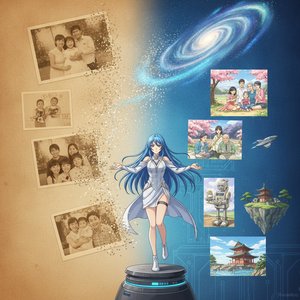
From Selfie to Studio Masterpiece: Transform Your Photos into Stunning AI-Driven Anime Art with OriginalUniqueArt
Step into the spotlight with OriginalUniqueArt's AI-driven transformation. Turn your photos into stunning, hand-painted anime oil masterpieces. Experience the perfect fusion of cutting-edge technology and museum-grade craftsmanship to create a timeless pop-culture legacy for your home.
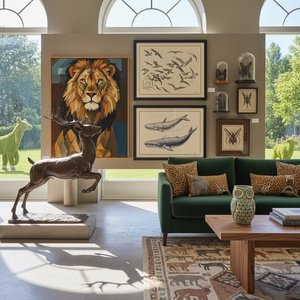
Zwierzęta w Sztuce: Wprowadzanie Życia do Twojej Przestrzeni
Odkryj fascynujący świat zwierząt w sztuce! Poznaj symbolikę, historię i współczesne interpretacje. Znajdź idealny obraz ze zwierzęciem do swojego wnętrza z .
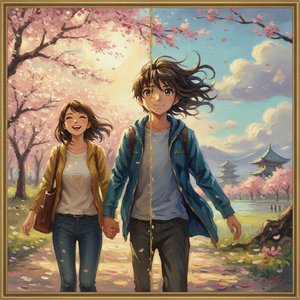
Level Up Your Art: Transform Personal Photos into High-Octane Action Anime Masterpieces with AI-Driven Oil Painting
Transform your favorite photos into high-octane action anime masterpieces. Using proprietary AI and master artists, we turn digital memories into hand-painted oil on canvas legacies. Experience the perfect fusion of pop culture energy and timeless fine artistry at OriginalUniqueArt.com.

Beyond the Screen: Transforming Personal Memories into Timeless AI-Driven Anime Masterpieces
Experience the magic of digital metamorphosis. Transform your cherished photos into stunning, hand-painted anime masterpieces using our proprietary AI technology and professional artists. Elevate your personal story with a timeless, high-quality oil painting on canvas.
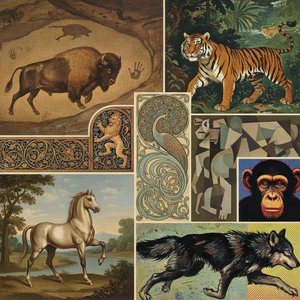
Beastly Brushstrokes: A Historical Journey Through Animal Painting & Aesthetic Movements
Explore the rich history of animal painting across cultures & movements. Discover iconic artists, symbolism, collecting trends & expert art consultation at OriginalUniqueArt.com.