Zobacz w skali 1:1
 Wyślij
 Udostępnij
 Szczegóły
 Przewodnik

 Pobierz plik obrazu
 Podobne obiekty
 RTG
RTG Pokaz slajdów
 Statystyki
Pusta Karta


 Czytaj więcej
Dzieło sztuki prezentowane na tej stronie podlega ochronie prawem autorskim, co oznacza, że nie mamy prawa do tworzenia ani sprzedaży jego identycznej reprodukcji. Ochrona ta jest egzekwowana na mocy umów międzynarodowych, takich jak Konwencja berneńska oraz przez przepisy prawa krajowego, w tym te określone w Prawo autorskie USA – Tytuł 17.
Metoda ta jest w pełni zgodna z przepisami prawa autorskiego, ponieważ nie polega na kopiowaniu ani powielaniu chronionego dzieła. Stanowi ona kreatywną reinterpretację – nowy obraz, który czerpie inspirację z oryginału, ale nie jest z nim tożsamy.
Giclée / Wydruk artystyczny
Wydruki giclée lub płótna o jakości muzealnej, szybka realizacja i szeroki wybór opcji wykończenia. ( Kup ręcznie malowany obraz Przełącz na wersję cyfrową)




P118B zł10

P118H zł10

P118W zł10

P438Z zł10

P508JH zł12

P508YH zł12

P805H zł10

P805Z zł10

P919BZ zł10

P919G zł10

P919XJ zł10

P959ZH zł10

P968JZ zł12

W106C zł8

W218G zł10

W218JH zł8

W218Y zł10

W307PJ zł10

W316G zł10

W316PJ zł8

W316Y zł10

W398PJ zł8

W4111J zł10

W500HY zł15

W500JH zł15

W692G zł12

W849H zł8

W940BG zł15

W953PJ zł8




Wybierz spośród naszych standardowych rozmiarów, które zachowują oryginalne proporcje dzieła sztuki.

Wpisz wymaganą szerokość i wysokość, aby dopasować grafikę do ramy lub ściany. Wydruk można jedynie przyciąć, nigdy nie powiększając go poza oryginalny obraz, dlatego format o innym proporcji spowoduje utratę części kompozycji. Przed rozpoczęciem druku prześlemy Ci cyfrowy podgląd do zatwierdzenia. Obraz wyświetlany na tej stronie nie pokazuje rzeczywistego przycięcia — jedynie podgląd oddaje ten efekt.
Dostawa na cały świat () w ciągu 2 tygodni zamiast standardowych 4/5 tygodni. (21 Październik)

Bezpłatna ekspresowa wysyłka na cały świat

Wysokiej jakości płótno lniane

Pełne ubezpieczenie transportowe

Gwarancja zwrotu należności celnych i podatków importowych

Gwarancja idealnego odwzorowania barw

100-dniowy okres na zwrot dzieła w przypadku wykrycia wad produkcyjnych

Gwarancja 100% zwrotu pieniędzy

Oferta przy zakupie wielu sztuk
 Opcja ze szkłem jest dostępna wyłącznie w rozmiarach poniżej 110 cm

Pusta Karta
Giclée / Wydruk artystyczny
Rozmiar reprodukcji
-


Suma do zapłaty
zł 304
Enigmatyczne piękno „Pustej karty”
„Pusta karta” to urzekające dzieło, które zaprasza widzów do świata, w którym rzeczywistość przeplata się z wyobraźnią. Obraz ten stanowi doskonały przykład surrealistycznego stylu René Magritte’a, artysty znanego z prowokujących do myślenia i błyskotliwych obrazów. Dzieło przedstawia jeźdźca na koniu przemierzającego gęsty las, co tworzy poczucie cichego ruchu pośród spokoju natury.
Arcydzieło surrealizmu
René Magritte, belgijski artysta surrealista, słynął z rzucania wyzwania postrzeganiu rzeczywistości przez widzów. Jego unikalny styl często wykorzystywał zwyczajne przedmioty w nieoczekiwanych kontekstach, zapraszając do kontemplacji i interpretacji. „Pusta karta” nie jest tu wyjątkiem, łącząc realistyczne elementy z oniryczną jakością, która definiuje surrealizm.
Kompozycja i technika
Kompozycja „Pustej karty” jest jednocześnie zrównoważona i dynamiczna. Centralnym punktem uwagi jest jeździec ubrany w jasnofioletowy strój, siedzący na brązowym koniu z białymi znaczeniami. Tło stanowią wysokie drzewa o grubych pniach i bujna, zielona roślinność, tworząca gęstą leśną scenerię. Wykorzystanie światła i cienia przez Magritte’a dodaje scenie głębi oraz spokoju.
W palecie barw dominują tony ziemiste, obejmujące różne odcienie zieleni liści, brązy pni drzew i konia oraz jaśniejsze barwy, takie jak fiolet i biel stroju jeźdźca. Przygaszone kolory przyczyniają się do stworzenia spokojnej i naturalnej atmosfery, przywołując poczucie harmonii z naturą.
Symbolika i oddziaływanie emocjonalne
Tematyka dzieła koncentruje się wokół interakcji między człowiekiem a naturą, czego symbolem jest jeździec na koniu w sercu lasu. Scena ta przywołuje poczucie przygody, wolności i więzi ze światem przyrody. Spokojna sceneria może również sugerować motywy samotności i refleksji.
Kontrast między bezruchem lasu a sugerowanym ruchem konia i jeźdźca tworzy dynamiczne napięcie w tej pozornie sielankowej scenie. To zestawienie wzmacnia ogólny nastrój spokoju i introspekcji, czyniąc „Pustą kartę” dziełem głęboko emocjonalnym i skłaniającym do zadumy.
Dlaczego warto wybrać reprodukcję?
Dla miłośników sztuki, kolekcjonerów oraz projektantów wnętrz pragnących dodać swoim przestrzeniom odrobinę surrealistycznego piękna, wysokiej jakości reprodukcja „Pustej karty” jest doskonałym wyborem. Dzieło to nie tylko podnosi estetyczną atrakcyjność każdego pomieszczenia, ale także staje się tematem do rozmów i głębokich przemyśleń.
W OriginalUniqueArt.com oferujemy ręcznie malowane reprodukcje, które oddają esencję i detale oryginalnego dzieła Magritte’a. Nasi wykwalifikowani artyści stosują tradycyjne techniki, aby zapewnić, że każda reprodukcja jest wiernym przedstawieniem arcydzieła, pozwalając Państwu wprowadzić cząstkę sztuki surrealistycznej do swojego domu lub biura.
Wprowadź surrealizm do swojej przestrzeni
Niezależnie od tego, czy jesteś entuzjastą sztuki szukającym rozszerzenia swojej kolekcji, czy projektantem wnętrz dążącym do stworzenia unikalnego i inspirującego otoczenia, „Pusta karta” jest ponadczasowym dodatkiem. Jej spokojna, a zarazem skłaniająca do myślenia wizualność sprawia, że jest to niezwykle wszechstronny element, który dopełni różne style dekoracyjne.
Zapraszamy do zapoznania się z naszą kolekcją reprodukcji René Magritte’a na OriginalUniqueArt.com i odkrycia idealnego dzieła sztuki, które wzniesie Państwa przestrzeń dzięki czarującemu pięknu surrealizmu.
Pytania i odpowiedzi
W jakim układzie znajduje się „Pusta Karta” autorstwa René Magritte?
Dzieło „Pusta Karta” autorstwa René Magritte ma format Portret. Format ten określa proporcje kompozycji.
Czy mogę zamówić olejną reprodukcję "Pusta Karta"?
Ręcznie malowaną reprodukcję dzieła „Pusta Karta” autorstwa René Magritte można zamówić bezpośrednio na stronie Ręcznie malowana reprodukcja: ręcznie malowana reprodukcja olejowa na płótnie lnianym, tworzoną na specjalne zamówienie.
Czy „Pusta Karta” autorstwa René Magritte znajduje się w domenie publicznej?
Jeśli chodzi o prawa autorskie, "Pusta Karta" znajduje się w nadal chronione prawem autorskim.
Biografia artysty
Early Life and the Seeds of Surrealism
René Magritte, born René François Ghislain Magritte on November 21, 1898, in Lessines, Belgium, emerged into a world that would profoundly shape his enigmatic artistic vision. His early years were marked by an unsettling event – the suicide of his mother when he was just thirteen. The image of her body being recovered from the River Sambre, with her dress obscuring her face, became a haunting motif that would subtly permeate his later work, manifesting in veiled figures and a persistent exploration of hidden realities. This early trauma instilled within him a fascination with mystery, loss, and the unsettling power of what remains unseen. While details of his childhood remain somewhat elusive, it’s clear this formative experience laid the groundwork for his lifelong questioning of perception and representation. He began drawing lessons at age ten, revealing an innate inclination towards visual expression, but initially explored Impressionism before embarking on a path that would lead him to become one of the most significant figures in Surrealist art.Artistic Development and Influences
Magritte’s artistic journey was not immediate or straightforward. He studied at the Académie Royale des Beaux-Arts in Brussels, yet found its traditional methods stifling. His early work experimented with Futurism and Cubism, absorbing elements of these avant-garde movements but ultimately rejecting their purely formal concerns. It wasn't until encountering Giorgio de Chirico’s painting *The Song of Love* in 1922 that Magritte discovered a resonance that would irrevocably alter his artistic course. De Chirico’s dreamlike landscapes and unsettling juxtapositions unlocked within Magritte a new way of seeing – a world where the familiar could be rendered strange, and the ordinary imbued with profound mystery. This encounter sparked his commitment to Surrealism, though he often maintained a unique distance from its more overtly psychological or automatic approaches. He preferred a meticulous, almost clinical precision in his painting, using realistic techniques to depict illogical scenarios.The Heart of Surrealism: Challenging Reality
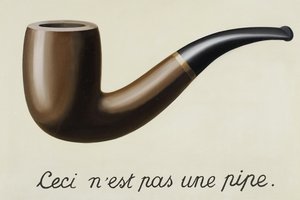
By 1926, Magritte had fully embraced the tenets of Surrealism, producing *Le Jockey Perdu (The Lost Jockey)*, widely considered his first truly surrealist work. However, his brand of Surrealism was distinct. He wasn’t interested in exploring the subconscious through free association or dream imagery in the manner of some of his contemporaries. Instead, Magritte sought to challenge viewers' perceptions of reality by presenting ordinary objects in unexpected contexts, forcing them to question their assumptions about the world around them. Iconic works like *The Treachery of Images (This is not a pipe)* (1929) brilliantly deconstructs the relationship between image and object, reminding us that a representation is never the thing itself. *Les Amants (The Lovers)* (1927-1928), with its shrouded figures, echoes the trauma of his mother’s death while simultaneously exploring themes of concealment and intimacy. *Time Transfixed* (1938) presents a locomotive bursting through a brick wall, disrupting our sense of space and time. And *The Human Condition* (1933), a canvas within a canvas, blurs the boundaries between representation and reality, prompting us to consider how we perceive and interpret the world.Later Life, Recognition, and Enduring Legacy
Despite initial struggles for recognition, Magritte’s work gradually gained prominence, particularly in the United States with exhibitions in 1936 and later retrospective shows at the Museum of Modern Art (1965) and the Metropolitan Museum of Art (1992). He remained politically engaged throughout his life, advocating for artistic autonomy. He continued to refine his signature style, exploring themes of repetition, illusion, and the power of language in paintings that are both intellectually stimulating and visually arresting. Magritte died on August 15, 1967, leaving behind a body of work that continues to captivate and challenge audiences worldwide. His influence extends far beyond the realm of painting, impacting pop art, minimalist art, conceptual art, and even advertising and film. Today, his paintings are held in major museum collections around the globe, including the Musées royaux des beaux-arts de Belgique in Brussels, which houses the Magritte Museum – dedicated entirely to his work and boasting the world’s largest collection of his creations.- Museum Collections: Musées royaux des beaux-arts de Belgique, Brussels; Magritte Museum.
Magritte's enduring legacy lies in his ability to make us see the familiar anew, to question our assumptions about reality, and to appreciate the power of art to provoke thought and inspire wonder. He wasn’t simply painting images; he was crafting visual paradoxes that continue to resonate with viewers decades after their creation, solidifying his position as a true master of Surrealism and a pivotal figure in 20th-century art.
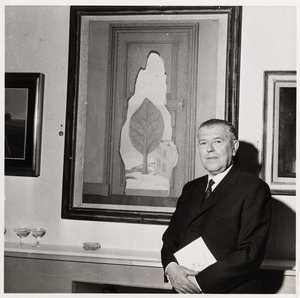
René Magritte
1898 - 1967 , Belgia
Najważniejsze informacje
- Artistic Movement Or Style: Surrealizm
- Artists Or Movements Influenced By This Artist:
- Pop art
- Minimalist sztuka
- Artists Who Influenced This Artist: ['Giorgio de Chirico']
- Date Of Birth: 21 listopada 1898
- Date Of Death: 15 sierpnia 1967
- Full Name: René François Ghislain Magritte
- Nationality: Belgijski
- Notable Artworks:
- Les Amants
- The Treachery of Images
- Time Transfixed
- Place Of Birth: Lessines, Belgia
Zobacz także powiązane artykuły
Surrealizm w sztuce: 10 arcydzieł, które zmieniły postrzeganie rzeczywistości | OriginalUniqueArt.com
Odkryj 10 arcydzieł surrealizmu! Poznaj historie Dalí, Magritte'a i innych mistrzów tego ruchu. Inspiracje wnętrzarskie i reprodukcje obrazów najwyższej jakości na OriginalUniqueArt.com. Eksploruj pełną kolekcję online!

Konie jako Muzy w Sztuce: Historyczna i Artystyczna Eksploracja Końskiego Wizerunku
Odkryj fascynującą historię koni w sztuce! Eksploracja końskiego wizerunku od mitologii po współczesność. Analiza symboliki, gatunków i wpływowych dzieł malarskich. Poznaj bogactwo artystycznej interpretacji konia.
The Noble Steed on Canvas: A Historical & Artistic Exploration of Horse Painting Across Cultures
Explore the rich history of horse painting! Discover masterpieces from Stubbs to Munnings & learn about symbolism, techniques & artists. Find museum-quality reproductions at OriginalUniqueArt.
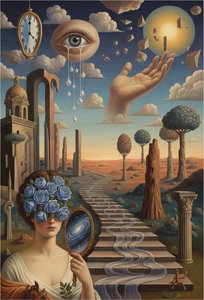
Surrealizm w Obrazach: 10 Arcydzieł, Które Zdefiniowały Ruch | OriginalUniqueArt.pl
Odkryj 10 arcydzieł surrealizmu! Poznaj historie Dalí, Magritte’a i Miró. Inspiracje, techniki i znaczenie onirycznych obrazów. Reprodukcje najwyższej jakości na OriginalUniqueArt.com – galeria sztuki online dla Twojego wnętrza. Eksploruj kolekcję!

The Treachery of Images: Decoding René Magritte’s Surrealist Vision and the Paradox of Representation
Delve into the profound mysteries of René Magritte’s Surrealism. Explore an expert analysis of 'The Treachery of Images,' decoding the philosophical paradoxes and visual subversions that redefined modern art history for collectors and connoisseurs alike.