Text size

() ·

A painting made for you, by hand

Philosopher in Meditation

Ręcznie malowana reprodukcja olejowa

Ręcznie malowany obraz olejny na płótnie, wykonany na zamówienie przez naszych artystów w wybranym przez Ciebie wymiarze i oprawie. ( Przełącz na wydania drukowane Przejdź do wersji cyfrowej)

Opis obiektu

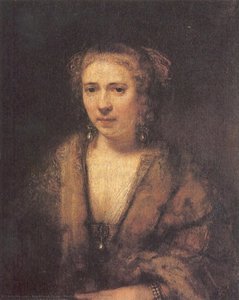
Explore Rembrandt Peale’s ‘Philosopher in Meditation’ (1632). A Baroque masterpiece featuring dramatic lighting & a contemplative figure. Discover this American classic!

Biografia artysty

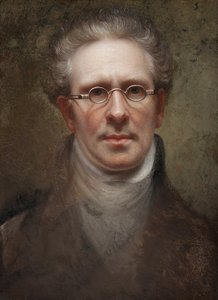
Rembrandt Peale – wybitny amerykański malarz portretowy, znany z wiernych portretów Washingtona i Jeffersona. Jego dzieła odzwierciedlają ducha Ameryki w epoce klasycystycznej.

from ·

Chapter 1

How large should it be?

Slide to change the size; the picture on the left shows the frame at its real width. The proportions of the original are kept.

Standardowy format
personalizowane
CM
INCH

Wybierz spośród naszych standardowych rozmiarów, które zachowują oryginalne proporcje dzieła sztuki.

szerokość
wysokość

Wpisz wymaganą szerokość i wysokość, aby obraz pasował do Twojej ramy lub ściany. Ponieważ jest to dzieło malowane ręcznie, w przypadku rozmiaru o innych proporcjach artysta może domalować nieco więcej wokół obrazu lub przyciąć jego fragmenty — wybór należy do Ciebie. Przed rozpoczęciem pracy prześlemy Ci cyfrową wizualizację do zatwierdzenia. Obraz widoczny na tej stronie nie przedstawia rzeczywistego efektu — jedynie wizualizacja oddaje realny rezultat.

Chapter 2

How should it arrive?

Choose the edges of the stretched canvas

Choose your frame

Corner sample of the WhiteWrap canvas edge finish, stretched on lite drewno bars
White zł1
Corner sample of the BlurSideWrap canvas edge finish, stretched on lite drewno bars
Blurside zł1
Corner sample of the ExtendedWrap canvas edge finish, stretched on lite drewno bars
Extended zł1
Corner sample of the P118B picture frame: polistyren formowany, 5 cm wide and 3 cm thick
P118B zł10
Corner sample of the P118H picture frame: polistyren formowany, 5 cm wide and 3 cm thick
P118H zł10
Corner sample of the P118W picture frame: polistyren formowany, 5 cm wide and 3 cm thick
P118W zł10
Corner sample of the P438Z picture frame: polistyren formowany, 5.5 cm wide and 3.5 cm thick
P438Z zł10
Corner sample of the P508JH picture frame: polistyren formowany, 7 cm wide and 3.5 cm thick
P508JH zł12
Corner sample of the P508YH picture frame: polistyren formowany, 7 cm wide and 3.5 cm thick
P508YH zł12
Corner sample of the P805H picture frame: polistyren formowany, 5 cm wide and 3.5 cm thick
P805H zł10
Corner sample of the P805Z picture frame: polistyren formowany, 5 cm wide and 3.5 cm thick
P805Z zł10
Corner sample of the P919BZ picture frame: polistyren formowany, 7 cm wide and 3.5 cm thick
P919BZ zł10
Corner sample of the P919G picture frame: polistyren formowany, 7 cm wide and 3.5 cm thick
P919G zł10
Corner sample of the P919XJ picture frame: polistyren formowany, 7 cm wide and 3.5 cm thick
P919XJ zł10
Corner sample of the P959ZH picture frame: polistyren formowany, 5 cm wide and 3 cm thick
P959ZH zł10
Corner sample of the P968JZ picture frame: polistyren formowany, 6 cm wide and 4 cm thick
P968JZ zł12
Corner sample of the W106C picture frame: lite drewno, 5 cm wide and 3 cm thick
W106C zł8
Corner sample of the W218G picture frame: lite drewno, 5 cm wide and 3 cm thick
W218G zł10
Corner sample of the W218JH picture frame: lite drewno, 5 cm wide and 3 cm thick
W218JH zł8
Corner sample of the W218Y picture frame: lite drewno, 5 cm wide and 3 cm thick
W218Y zł10
Corner sample of the W307PJ picture frame: lite drewno, 6 cm wide and 3 cm thick
W307PJ zł10
Corner sample of the W316G picture frame: lite drewno, 6 cm wide and 3 cm thick
W316G zł10
Corner sample of the W316PJ picture frame: lite drewno, 6 cm wide and 3 cm thick
W316PJ zł8
Corner sample of the W316Y picture frame: lite drewno, 6 cm wide and 3 cm thick
W316Y zł10
Corner sample of the W398PJ picture frame: lite drewno, 5 cm wide and 3 cm thick
W398PJ zł8
Corner sample of the W4111J picture frame: lite drewno, 6.5 cm wide and 3.5 cm thick
W4111J zł10
Corner sample of the W500HY picture frame: lite drewno, 7 cm wide and 5 cm thick
W500HY zł15
Corner sample of the W500JH picture frame: lite drewno, 7 cm wide and 5 cm thick
W500JH zł15
Corner sample of the W692G picture frame: lite drewno, 8 cm wide and 4 cm thick
W692G zł12
Corner sample of the W849H picture frame: lite drewno, 5 cm wide and 3 cm thick
W849H zł8
Corner sample of the W940BG picture frame: lite drewno, 7.5 cm wide and 4.5 cm thick
W940BG zł15
Corner sample of the W953PJ picture frame: lite drewno, 6 cm wide and 3.5 cm thick
W953PJ zł8
Corner sample of the H24-GOLD picture frame: rzeźbione drewno pokryte gipsem, 10 cm wide and 6 cm thick
H24-GOLD zł30
Corner sample of the H24-SILVER picture frame: rzeźbione drewno pokryte gipsem, 10 cm wide and 6 cm thick
H24-SILVER zł30
Corner sample of the H36-GOLD picture frame: rzeźbione drewno pokryte gipsem, 15 cm wide and 6.5 cm thick
H36-GOLD zł45
Corner sample of the H36-SILVER picture frame: rzeźbione drewno pokryte gipsem, 15 cm wide and 6.5 cm thick
H36-SILVER zł45

Moulding: . Overall size with the frame: .

Chapter 3

Who paints it, and should anything change?

Examples of what can be changed: Replace face with customer photo; Add pet (e.g., replace cat with dog); Include hidden message in background; Change background landscape or elements.
After order, OriginalUniqueArt.com team will email client for instructions and provide a mockup preview

Dostawa na całym świecie () w ciągu 3–4 tygodni zamiast standardowych 5 tygodni. (2 Listopad). Bez kompromisów w kwestii jakości.

Chapter 4

The finishing touches

A nameplate, as in a museum?

Szczegóły grawerowanej brązowej tabliczki

This elegant plaque features the artist's name and the title of the artwork, finely engraved for a timeless presentation.

It is made from bronze with a refined, elegant finish. The text is precisely laser-engraved for a sharp and permanent result. Measuring 9x2 cm, the plaque is compact yet easy to read. It's built to be durable and scratch-resistant, offering a professional, museum-quality look. Mounting is simple thanks to the included adhesive backing.

Szczegóły przezroczystej tabliczki akrylowej

The plaque includes essential engraved details such as the artist's name, the title of the artwork, the date it was created, the type of media used-like oil on canvas or watercolor-a brief description of the piece, and a QR code that links to the complete artwork information.

It is crafted from clear acrylic, offering a sleek, modern appearance. The text is UV-engraved in black to ensure strong visual contrast. With a size of 10x15 cm, it ensures optimal readability. It comes equipped with two metal hooks for secure wall mounting. The plaque is designed to be weather-resistant, making it suitable for various environments, and it includes interactive features that work seamlessly with smartphone scanning.

Szczegóły czarnej tabliczki akrylowej

This elegant plaque includes engraved information such as the artist's name, the title of the artwork, the date it was created, the type of media used (like oil on canvas or watercolor), a short description of the artwork, and a QR code for quick access to more information.

The plaque itself is made from refined black acrylic with a premium finish. The text is laser-engraved in white for high contrast and readability. Its size is 10x15 cm, designed to be easy to read. It comes with two metal hooks for professional mounting. The design is sleek and fits any interior style. It is also weather-resistant and durable, with built-in digital integration for mobile compatibility.

A protective varnish?

When do you need it?

Chapter 5

Your painting, as you ordered it

Philosopher in Meditation

Technika reprodukcji

Wymiary reprodukcji

-

Wybitny mistrz artystyczny

Większa szczegółowość, finezja i dodatkowy czas na realizację

-

Opcje oprawy reprodukcji

-

-

W przypadku dzieł sztuki lub reprodukcji, których którykolwiek z boków przekracza 105 cm (około 41 cali), rama zostanie wysłana w formie zestawu do samodzielnego montażu. Metoda ta zapewnia bezpieczną dostawę i zapobiega uszkodzeniom podczas transportu.

Wymagany profesjonalny montaż – nie jest to produkt typu DIY.
Zestaw musi zostać złożony, a płótno naciągnięte przez doświadczonego profesjonalnego ramiarza, przy użyciu kleju do drewna (brak w zestawie), kleszczy do naciągania płótna oraz ścisków, które utrzymają krosna w równej pozycji podczas schnięcia kleju. Nieprawidłowy montaż lub nierównomierne napięcie płótna może trwale uszkodzić dzieło sztuki i nie podlega naszej gwarancji.

  • W zestawie znajdują się wszystkie listwy z litego drewna, precyzyjnie docięte do wymiarów.

  • Montaż odbywa się przy użyciu dołączonych wkrętów oraz kleju do drewna do łączenia narożników, którego zestaw nie zawiera i który musi zostać dostarczony przez ramiarza.

  • Wymagane są profesjonalne narzędzia, których nie ma w zestawie: kleszcze do naciągania płótna (napinacz) oraz zaciski, które pozwolą utrzymać listwy w równej pozycji podczas schnięcia kleju.

Ważne:
Do połączenia narożników niezbędny jest klej do drewna, listwy należy unieruchomić za pomocą ścisków do momentu całkowitego wyschnięcia kleju, a naciągnięcie płótna na złożoną ramę wymaga użycia kleszczy do naciągania płótna. Żaden z tych elementów nie jest dołączony do zestawu. Przed zamówieniem tego rozmiaru zalecamy konsultację z doświadczonym ramiarzem.

Etykieta obiektu

-

-

Lakier ochronny

Lakier z połyskiem (pogłębia kolory, chroni przed światłem i wilgocią)

-

Personalizacja dzieła

Przykłady możliwości personalizacji: zastąp twarz zdjęciem klienta; dodaj zwierzę domowe (np. zamień kota na psa); umieść ukrytą wiadomość w tle; zmień krajobraz lub elementy tła.

-

Ekspresowa

Dostawa na cały świat () w ciągu 3–4 tygodni zamiast standardowych 5 tygodni. (2 Listopad). Bez kompromisów w kwestii jakości.

-

Przesyłka ekspresowa

Dostawa na cały świat () w ciągu 5 tygodni. (9 Listopad).

W cenie

Cena całkowita

zł 1266

Suma całkowita zł 1266

Opcja ze szkłem jest dostępna wyłącznie w rozmiarach poniżej 110 cm

Included with every order

  • Bezpłatna ekspresowa wysyłka na cały świat
  • Wysokiej jakości płótno lniane
  • Pełne ubezpieczenie przesyłki
  • Gwarancja zwrotu należności celnych i podatków importowych
  • Gwarancja wiernego odwzorowania kolorów
  • 100-dniowa polityka zwrotów (tylko w przypadku wad)
  • Gwarancja 100% zwrotu pieniędzy
  • Zniżka przy zakupie wielu sztuk

A Moment of Contemplation: Rembrandt Peale’s ‘Philosopher in Meditation’

Rembrandt Peale's “Philosopher in Meditation,” painted in 1632, is more than just a portrait; it’s a carefully constructed tableau of introspection and the pursuit of knowledge. Emerging from the burgeoning artistic landscape of early America through his father, Charles Willson Peale, Rembrandt inherited not only technical skill but also a deep-seated belief in art's power to illuminate the human condition. This particular work, housed within the Louvre’s collection, immediately draws the viewer into a dimly lit interior, dominated by a dramatic spiral staircase and the solitary figure of an aged philosopher lost in profound thought. The scene isn’t merely observed; it’s experienced – a palpable sense of quiet solemnity hangs in the air, punctuated only by the subtle play of light and shadow.

The painting's Baroque realism is evident in every meticulously rendered detail. Peale masterfully employs chiaroscuro—the dramatic contrast between light and dark—to sculpt the scene. A focused beam of illumination, originating from the upper right corner, casts long shadows across the room, emphasizing the philosopher’s solitude and creating a sense of depth that pulls the viewer into the intimate space. The rough textures of the aged walls, the worn wooden steps, and even the folds in the philosopher's garments speak to a historical setting, lending an air of timelessness and gravitas. The artist’s use of lines is particularly striking; the spiraling staircase acts as a visual pathway, guiding our eye upwards towards the light source – a potent symbol of enlightenment and spiritual ascent.

Symbolism and Interpretation

Beyond its technical brilliance, “Philosopher in Meditation” is rich with symbolic meaning. The spiral staircase itself represents a journey—a metaphorical climb toward wisdom and understanding. It’s not simply a physical structure but a visual embodiment of intellectual pursuit, suggesting that knowledge requires effort, dedication, and a willingness to ascend beyond the mundane. The philosopher, an elderly figure seated in quiet contemplation, embodies this very process. His bowed head and folded hands convey a sense of deep reflection, inviting us to consider our own place within the larger scheme of existence. The woman tending the hearth adds another layer of complexity, perhaps representing domesticity and the grounding forces that support intellectual endeavors.

Interestingly, recent scholarship suggests that the painting may depict “Tobit and Anna waiting for their son Tobias,” a biblical scene often associated with wisdom and divine guidance. This interpretation further enriches the work’s symbolism, suggesting that the philosopher's contemplation is not merely an individual pursuit but a connection to something greater—a search for truth guided by faith or intuition. The inclusion of the third figure in the stairs, previously unseen, adds another layer of intrigue, possibly representing the external world and its influence on the contemplative mind.

Technique and Materials

“Philosopher in Meditation” is a testament to Peale’s skill as an oil painter. The brushstrokes are visible yet controlled, creating a textured surface that adds depth and realism to the scene. The layering of colors—from the warm yellows and browns of the light source to the cool blues and grays of the shadows—is expertly executed, contributing to the painting's atmospheric quality. Peale’s use of perspective is somewhat shallow, focusing primarily on the immediate foreground and midground, creating a sense of intimacy and drawing the viewer into the scene. The choice of oak panel as the support further enhances the work’s aged appearance, reinforcing its historical context.

A Legacy of Likeness

Rembrandt Peale's legacy extends far beyond this single masterpiece. As the founder of The Peale Museum in Baltimore, he championed the power of art to educate and inspire. His portraits of prominent figures like George Washington and Thomas Jefferson helped shape American national identity, solidifying his place as a pivotal figure in early American art history. Today, reproductions of “Philosopher in Meditation” continue to captivate audiences, offering a glimpse into a moment of profound contemplation—a timeless reminder of the enduring human quest for knowledge and understanding.

Pytania i odpowiedzi

Ile światła zdają się odbijać kolory dzieła "Philosopher in Meditation"?

Jasność zarejestrowana dla „Philosopher in Meditation” – Rembrandt Peale wynosi Dark.

Jaki jest format i wymiary dzieła "Philosopher in Meditation"?

Format dzieła "Philosopher in Meditation" to Landscape, a wymiary oryginału wynoszą 34 x 28 cm. Obie te informacje są przydatne przy planowaniu reprodukcji.

Do którego okresu twórczości Rembrandt Peale należy dzieło "Philosopher in Meditation"?

"Philosopher in Meditation" reprezentuje Mature Period twórczości Rembrandt Peale.

More about this painting

Podgląd w skali 1:1 Podgląd AR Przełącz na wydania drukowane Przejdź do wersji cyfrowej Wyślij jako kartkę
Szczegóły dzieła Przewodnik Dodaj do ulubionych Pobierz obraz Podobne obiekty RTG Pokaz slajdów Q&A Statystyki

In numbers

  • 1632the year it was painted
  • 29frames to choose from
  • standard sizes, in its own proportions
  • 5weeks to paint and deliver it
Rembrandt Peale

Rembrandt Peale

1778 - 1860, Stany Zjednoczone

Quick facts about Rembrandt Peale

  • Artistic Movement Or Style: Neoklasycyzm
  • Artists Or Movements Influenced By This Artist: ['Benjamin West']
  • Artists Who Influenced This Artist: ['Rembrandt van Rijn']
  • Date Of Birth: 1778-02-22
  • Date Of Death: 1860-10-03
  • Full Name: Rembrandt Peale
  • Nationality: Amerykański
  • Notable Artworks:
    • George Washington
    • Portret Jeffersona
  • Place Of Birth: Bucks County, USA

Biografia artysty

A Legacy of Likeness: The Life and Art of Rembrandt Peale

Rembrandt Peale, born in Bucks County, Pennsylvania, in 1778, emerged from a family deeply entrenched in the burgeoning artistic landscape of early America. His father, Charles Willson Peale, was not merely an artist but a cultural force—a painter, museum founder, and ardent believer in the power of art to shape national identity. It was within this stimulating environment that young Rembrandt received his foundational training, alongside his siblings, learning the techniques of portraiture and landscape painting from their father’s skilled hand. The very bestowal of the name “Rembrandt,” echoing the Dutch master Harmenszoon van Rijn, signaled Charles Willson Peale's aspirations for his son—a hope that he would carry forward a tradition of artistic excellence. From an astonishingly young age, Rembrandt demonstrated remarkable aptitude, completing his first self-portrait at just thirteen years old, a work already hinting at the precision and ambition that would characterize his mature style. This early piece wasn’t simply a display of technical skill; it was a statement of intent, a young artist declaring his presence on the American art scene.

Formative Years and Neoclassical Influences

Peale's artistic journey took him to Paris in his early thirties, a pivotal experience that profoundly shaped his aesthetic sensibilities. Immersed in the heart of European culture, he encountered the prevailing currents of French neoclassicism—a style emphasizing order, clarity, and a return to classical ideals. This influence is readily apparent in Peale’s subsequent work, characterized by its refined draftsmanship, balanced compositions, and meticulous attention to detail. While his father's portraits often possessed a certain rustic vitality, Rembrandt’s leaned towards a more polished and idealized representation of his subjects. He embraced the encaustic technique during this period, an ancient method utilizing wax as a medium, demonstrating a commitment to exploring innovative approaches to painting. However, Peale didn’t simply mimic European styles; he adapted them to the American context, creating portraits that reflected the nation's evolving sense of identity and its aspirations for cultural independence. His dedication to capturing accurate likenesses, combined with his neoclassical training, allowed him to create images that were both aesthetically pleasing and historically significant. His time in Paris also exposed him to the works of Jacques-Louis David, a leading figure in the Neoclassical movement, further refining his artistic vision.

A Prolific Portraitist: Capturing an Era

Rembrandt Peale’s career was remarkably prolific, marked by a relentless pursuit of artistic perfection and a dedication to documenting the prominent figures of his time. He became particularly renowned for his portraits of George Washington, creating over seventy replicas of his iconic “Patriae Pater” (Father of His Country). These images weren't merely representations of physical appearance; they were carefully constructed symbols of national pride and leadership. Peale understood the power of portraiture to shape public perception and contribute to the creation of a collective memory. Beyond Washington, he painted numerous other influential individuals, including Thomas Jefferson, John C. Calhoun, and various members of the American elite. His portraits weren’t limited to political figures; he also captured the likenesses of ordinary citizens, offering a glimpse into the lives and aspirations of everyday Americans. Man with a Beard, though undated, exemplifies his skill in capturing individual character and psychological depth. Each brushstroke reveals not just physical features but also hints at the sitter’s inner life. His ability to convey both outward appearance and subtle emotional nuances set him apart as a master portraitist.

Beyond the Canvas: The Peale Museum and Enduring Legacy

Rembrandt Peale's contributions extended beyond the realm of painting; he was a visionary museum founder, driven by a desire to educate the public and promote artistic appreciation. In 1814, he established his first museum in Baltimore, Maryland—a groundbreaking institution that served as a precursor to many modern art museums. This wasn’t simply a gallery for displaying artworks; it was conceived as a center for learning, offering exhibitions of paintings, sculptures, and natural history specimens. The museum later became the second Baltimore City Hall before being restored as the Peale Museum, continuing his legacy of public service through art. His commitment to making art accessible to all reflects a deeply held belief in its transformative power. Today, Rembrandt Peale’s works are housed in prestigious collections around the world, including the National Portrait Gallery in Washington D.C., and continue to be celebrated for their historical significance and artistic merit. His influence can be seen in the work of subsequent generations of American portrait painters, solidifying his place as a pivotal figure in the nation's art history.

A Lasting Impression

Rembrandt Peale’s life was one dedicated to both artistic creation and cultural enrichment. He wasn’t simply a painter; he was a historian, an educator, and a champion of American identity. His portraits offer invaluable insights into the personalities and values of his era, while his museum served as a beacon of enlightenment in a rapidly changing nation. His legacy endures not only through his numerous artworks but also through his pioneering spirit and unwavering commitment to the power of art. He left behind a body of work that continues to inspire and captivate audiences today, reminding us of the enduring importance of preserving our cultural heritage and celebrating the achievements of those who came before us.

Najważniejsze informacje

  • Influences: Dutch Baroque
  • Title: Philosopher in Meditation
  • Notable elements: Spiral staircase, light
  • Artistic style: Baroque realism
  • Medium: Oil on canvas

Quiz o sztuce

Do każdego pytania dotyczy tylko jedna poprawna odpowiedź.

Pytanie 1:
What is the primary subject matter depicted in Rembrandt Peale’s ‘Philosopher in Meditation’?
Pytanie 2:
The strong, focused light source in the painting primarily serves to:
Pytanie 3:
The spiral staircase in ‘Philosopher in Meditation’ symbolically represents:
Pytanie 4:
Based on the description, what artistic style is most evident in ‘Philosopher in Meditation’?
Pytanie 5:
What material was primarily used to create this artwork?