Zobacz w skali 1:1
 Wyślij
 Udostępnij
 Szczegóły
 Przewodnik

 Pobierz plik obrazu
 Podobne obiekty
 RTG
RTG Pokaz slajdów
 Statystyki
Flora
 Acrylic On Canvas
- WallArt
- Baroque
 1654
1654 100.0 x 92.0 cm
 Metropolitan Museum of Art
 Czytaj więcej
Giclée / Wydruk artystyczny
Wydruki giclée lub płótna o jakości muzealnej, szybka realizacja i szeroki wybór opcji wykończenia. ( Kup ręcznie malowany obraz Przełącz na wersję cyfrową)




P118B zł10

P118H zł10

P118W zł10

P438Z zł10

P508JH zł12

P508YH zł12

P805H zł10

P805Z zł10

P919BZ zł10

P919G zł10

P919XJ zł10

P959ZH zł10

P968JZ zł12

W106C zł8

W218G zł10

W218JH zł8

W218Y zł10

W307PJ zł10

W316G zł10

W316PJ zł8

W316Y zł10

W398PJ zł8

W4111J zł10

W500HY zł15

W500JH zł15

W692G zł12

W849H zł8

W940BG zł15

W953PJ zł8




Wybierz spośród naszych standardowych rozmiarów, które zachowują oryginalne proporcje dzieła sztuki.

Wpisz wymaganą szerokość i wysokość, aby dopasować grafikę do ramy lub ściany. Wydruk można jedynie przyciąć, nigdy nie powiększając go poza oryginalny obraz, dlatego format o innym proporcji spowoduje utratę części kompozycji. Przed rozpoczęciem druku prześlemy Ci cyfrowy podgląd do zatwierdzenia. Obraz wyświetlany na tej stronie nie pokazuje rzeczywistego przycięcia — jedynie podgląd oddaje ten efekt.
Dostawa na cały świat () w ciągu 2 tygodni zamiast standardowych 4/5 tygodni. (21 Październik)

Bezpłatna ekspresowa wysyłka na cały świat

Wysokiej jakości płótno lniane

Pełne ubezpieczenie transportowe

Gwarancja zwrotu należności celnych i podatków importowych

Gwarancja idealnego odwzorowania barw

100-dniowy okres na zwrot dzieła w przypadku wykrycia wad produkcyjnych

Gwarancja 100% zwrotu pieniędzy

Oferta przy zakupie wielu sztuk
 Opcja ze szkłem jest dostępna wyłącznie w rozmiarach poniżej 110 cm

Flora
Giclée / Wydruk artystyczny
Rozmiar reprodukcji
-


Suma do zapłaty
zł 304
A Dialogue Between Tradition and Innovation: Rembrandt Peale’s ‘Flora’
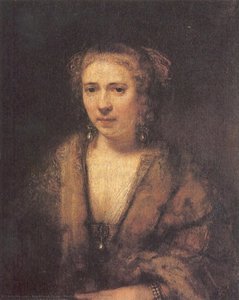
Rembrandt Peale's “Flora” (1654) stands as a testament to the enduring influence of European artistic heritage while simultaneously embodying the distinctive spirit of burgeoning American art. Unlike many of his contemporaries who embarked on grand expeditions across Europe, Peale remained rooted in Bucks County, Pennsylvania—a location that nurtured within him an unwavering appreciation for classical ideals and artistic excellence. This formative environment was inextricably linked with the legacy of his father, Charles Willson Peale, a painter, museum founder, and fervent champion of art’s role in shaping national identity; it was here that Rembrandt absorbed the foundational principles of portraiture and landscape painting from his father's masterful guidance. The very naming of “Rembrandt,” deliberately echoing the celebrated Dutch master Harmenszoon van Rijn, underscored Charles Willson Peale’s ambition for his son—a desire to forge a lineage of artistic distinction.- Subject Matter: The painting depicts a woman adorned with flowers in her hat, embodying the goddess of spring – Flora – a figure deeply rooted in Roman mythology and symbolizing renewal and fertility.
- Style & Influence: Peale’s composition deliberately responds to the stylistic innovations championed by Titian in Venice during the sixteenth century. However, unlike Titian's opulent Venetian grandeur, “Flora” exudes a quiet elegance characterized by subdued coloration and a textured paint surface indicative of Rembrandt’s signature technique.
- Technique: Peale skillfully employed oil paints on canvas, utilizing impasto—thickly applied pigment—to create palpable depth and luminosity. This textural approach distinguishes his work from smoother Venetian styles, emphasizing the artist's commitment to conveying materiality and capturing subtle nuances of light.
- Further Exploration: Consider commissioning a high-quality reproduction of “Flora” to adorn your home or office, bringing a touch of Dutch Golden Age elegance into your space.
- Related Artists: Explore the works of James Peale (Rembrandt’s brother), Franz Ludwig Catel, and Rembrandt House Museum for comparative insights into neoclassical art and botanical illustration.
Pytania i odpowiedzi
W stronę jakiej tonacji skłania się "Flora"?
Przez „Flora” autorstwa Rembrandt Peale przewija się Golden Yellow Range odcień.
Jak jasny jest Flora w ogólnym ujęciu?
Pod względem postrzeganej jasności, „Flora” autorstwa Rembrandt Peale jest deep_shadow.
Jaka jest luminancja dzieła „Flora” autorstwa Rembrandt Peale?
Kolory dzieła "Flora" wykazują luminancję na poziomie Dark.
Biografia artysty
A Legacy of Likeness: The Life and Art of Rembrandt Peale
Rembrandt Peale, born in Bucks County, Pennsylvania, in 1778, emerged from a family deeply entrenched in the burgeoning artistic landscape of early America. His father, Charles Willson Peale, was not merely an artist but a cultural force—a painter, museum founder, and ardent believer in the power of art to shape national identity. It was within this stimulating environment that young Rembrandt received his foundational training, alongside his siblings, learning the techniques of portraiture and landscape painting from their father’s skilled hand. The very bestowal of the name “Rembrandt,” echoing the Dutch master Harmenszoon van Rijn, signaled Charles Willson Peale's aspirations for his son—a hope that he would carry forward a tradition of artistic excellence. From an astonishingly young age, Rembrandt demonstrated remarkable aptitude, completing his first self-portrait at just thirteen years old, a work already hinting at the precision and ambition that would characterize his mature style. This early piece wasn’t simply a display of technical skill; it was a statement of intent, a young artist declaring his presence on the American art scene.Formative Years and Neoclassical Influences
Peale's artistic journey took him to Paris in his early thirties, a pivotal experience that profoundly shaped his aesthetic sensibilities. Immersed in the heart of European culture, he encountered the prevailing currents of French neoclassicism—a style emphasizing order, clarity, and a return to classical ideals. This influence is readily apparent in Peale’s subsequent work, characterized by its refined draftsmanship, balanced compositions, and meticulous attention to detail. While his father's portraits often possessed a certain rustic vitality, Rembrandt’s leaned towards a more polished and idealized representation of his subjects. He embraced the encaustic technique during this period, an ancient method utilizing wax as a medium, demonstrating a commitment to exploring innovative approaches to painting. However, Peale didn’t simply mimic European styles; he adapted them to the American context, creating portraits that reflected the nation's evolving sense of identity and its aspirations for cultural independence. His dedication to capturing accurate likenesses, combined with his neoclassical training, allowed him to create images that were both aesthetically pleasing and historically significant. His time in Paris also exposed him to the works of Jacques-Louis David, a leading figure in the Neoclassical movement, further refining his artistic vision.A Prolific Portraitist: Capturing an Era
Rembrandt Peale’s career was remarkably prolific, marked by a relentless pursuit of artistic perfection and a dedication to documenting the prominent figures of his time. He became particularly renowned for his portraits of George Washington, creating over seventy replicas of his iconic “Patriae Pater” (Father of His Country). These images weren't merely representations of physical appearance; they were carefully constructed symbols of national pride and leadership. Peale understood the power of portraiture to shape public perception and contribute to the creation of a collective memory. Beyond Washington, he painted numerous other influential individuals, including Thomas Jefferson, John C. Calhoun, and various members of the American elite. His portraits weren’t limited to political figures; he also captured the likenesses of ordinary citizens, offering a glimpse into the lives and aspirations of everyday Americans. Man with a Beard, though undated, exemplifies his skill in capturing individual character and psychological depth. Each brushstroke reveals not just physical features but also hints at the sitter’s inner life. His ability to convey both outward appearance and subtle emotional nuances set him apart as a master portraitist.Beyond the Canvas: The Peale Museum and Enduring Legacy
Rembrandt Peale's contributions extended beyond the realm of painting; he was a visionary museum founder, driven by a desire to educate the public and promote artistic appreciation. In 1814, he established his first museum in Baltimore, Maryland—a groundbreaking institution that served as a precursor to many modern art museums. This wasn’t simply a gallery for displaying artworks; it was conceived as a center for learning, offering exhibitions of paintings, sculptures, and natural history specimens. The museum later became the second Baltimore City Hall before being restored as the Peale Museum, continuing his legacy of public service through art. His commitment to making art accessible to all reflects a deeply held belief in its transformative power. Today, Rembrandt Peale’s works are housed in prestigious collections around the world, including the National Portrait Gallery in Washington D.C., and continue to be celebrated for their historical significance and artistic merit. His influence can be seen in the work of subsequent generations of American portrait painters, solidifying his place as a pivotal figure in the nation's art history.A Lasting Impression
Rembrandt Peale’s life was one dedicated to both artistic creation and cultural enrichment. He wasn’t simply a painter; he was a historian, an educator, and a champion of American identity. His portraits offer invaluable insights into the personalities and values of his era, while his museum served as a beacon of enlightenment in a rapidly changing nation. His legacy endures not only through his numerous artworks but also through his pioneering spirit and unwavering commitment to the power of art. He left behind a body of work that continues to inspire and captivate audiences today, reminding us of the enduring importance of preserving our cultural heritage and celebrating the achievements of those who came before us.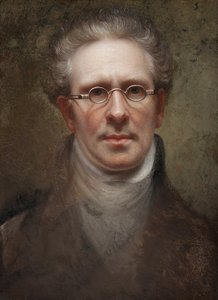
Rembrandt Peale
1778 - 1860 , Stany Zjednoczone
Najważniejsze informacje
- Artistic Movement Or Style: Neoklasycyzm
- Artists Or Movements Influenced By This Artist: ['Benjamin West']
- Artists Who Influenced This Artist: ['Rembrandt van Rijn']
- Date Of Birth: 1778-02-22
- Date Of Death: 1860-10-03
- Full Name: Rembrandt Peale
- Nationality: Amerykański
- Notable Artworks:
- George Washington
- Portret Jeffersona
- Place Of Birth: Bucks County, USA
Zobacz także powiązane artykuły

Holenderski Barok: 10 Arcydzieł, Które Zdefiniowały Epokę | OriginalUniqueArt
Poznaj 10 arcydzieł holenderskiego baroku! Odkryj historie Rembrandta, Vermeera i innych mistrzów XVII wieku. Reprodukcje obrazów najwyższej jakości – idealne do Twojego wnętrza. OriginalUniqueArt.com
Arcydzieła XVII Wieku: 10 Obrazów Opowiadających Historię Epoki
Odkryj 10 arcydzieł XVII wieku! Poznaj historie Rembrandta, Vermeera i Caravaggia. Barokowe portrety, pejzaże i martwe natury pełne emocji. Reprodukcje najwyższej jakości na OriginalUniqueArt.com – inspiracje dla Twojego wnętrza.

Barokowe arcydzieła: 10 obrazów, które zdefiniowały epokę | OriginalUniqueArt.com
Odkryj 10 arcydzieł baroku! Caravaggio, Rembrandt, Rubens i inni artyści, którzy zdefiniowali epokę. Poznaj historie, techniki i inspiracje tych niezwykłych obrazów. Reprodukcje najwyższej jakości na OriginalUniqueArt.com – idealne do Twojego wnętrza!

The Visceral Stage: Exploring Dramatic Narratives & Emotional Intensity in Baroque Art
Explore the dramatic world of Baroque art! Discover iconic masters like Caravaggio & Rembrandt, their techniques, and the movement's lasting impact. Expert insights for collectors & enthusiasts at OriginalUniqueArt.

Rembrandt van Rijn: 25 Najwybitniejszych Dzieł Sztuki – Reprodukcje i Inspiracje do Wnętrz
Poznaj 25 arcydzieł Rembrandta van Rijn! Odkryj fascynujące historie, techniki i wpływ holenderskiego mistrza baroku na świat sztuki. Reprodukcje obrazów najwyższej jakości – inspiracje do wnętrz na OriginalUniqueArt.com