
 Zobacz w skali 1:1
 Wyślij
 Udostępnij
 Szczegóły
 Przewodnik

 Pobierz plik obrazu
 Podobne obiekty
 RTG
RTG Pokaz slajdów
 Statystyki
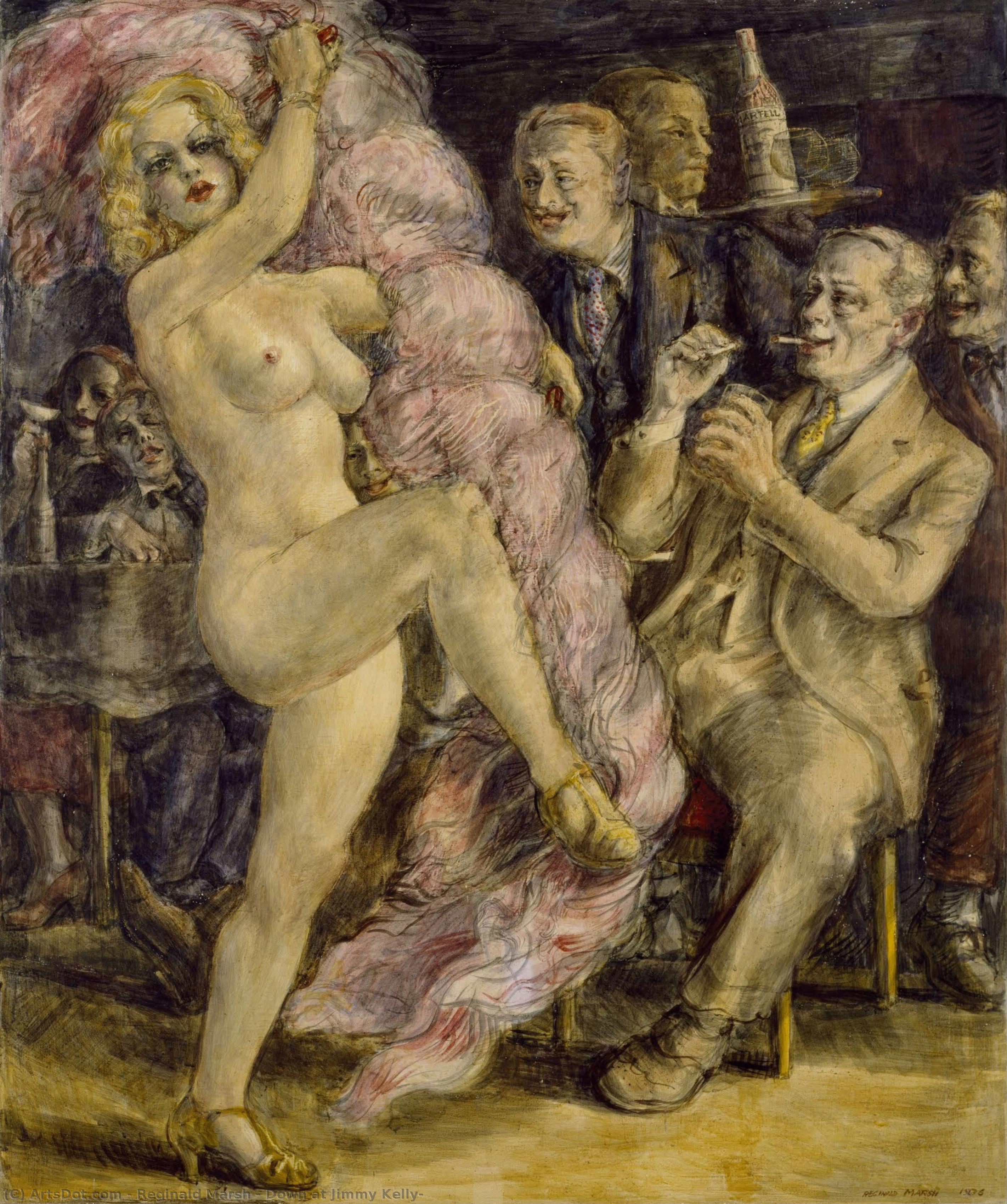
Down at Jimmy Kelly
 Acrylic
- WallArt
- Social Realism
 91.0 x 76.0 cm
 Chrysler Museum of Art
 Czytaj więcej
Ręcznie malowana reprodukcja olejowa
Ręcznie malowany obraz olejny na płótnie, wykonany na zamówienie przez naszych artystów w wybranym przez Ciebie wymiarze i oprawie. ( Przełącz na wersję drukowaną Przełącz na wersję cyfrową)




P118B zł10

P118H zł10

P118W zł10

P438Z zł10

P508JH zł12

P508YH zł12

P805H zł10

P805Z zł10

P919BZ zł10

P919G zł10

P919XJ zł10

P959ZH zł10

P968JZ zł12

W106C zł8

W218G zł10

W218JH zł8

W218Y zł10

W307PJ zł10

W316G zł10

W316PJ zł8

W316Y zł10

W398PJ zł8

W4111J zł10

W500HY zł15

W500JH zł15

W692G zł12

W849H zł8

W940BG zł15

W953PJ zł8




Wybierz spośród naszych standardowych rozmiarów, które zachowują oryginalne proporcje dzieła sztuki.

Możesz wprowadzić własne wymiary, aby dopasować obraz do konkretnej ramy lub przestrzeni. Jeśli wybrany rozmiar nie będzie odpowiadał proporcjom oryginału, przytniecie dzieło sztuki lub rozszerzymy je o dodatkowe elementy, ręcznie domalowane przez artystę. Przed rozpoczęciem produkcji wyślemy projekt cyfrowy do Twojej akceptacji.
Należy pamiętać, że podgląd na ekranie nie odzwierciedla rzeczywistego przycinania ani rozszerzania obrazu. Tylko projekt dokładnie pokaże ostateczną kompozycję.
Choć oferujemy możliwość zamówienia niestandardowych rozmiarów, zalecamy wybór wymiaru z gotowej listy, aby zachować oryginalne proporcje dzieła.
Po złożeniu zamówienia zespół OriginalUniqueArt.com skontaktuje się z klientem drogą mailową w celu uzyskania instrukcji i prześle wizualizację projektu
Dostawa na całym świecie () w ciągu 3–4 tygodni zamiast standardowych 5 tygodni. (8 Październik). Bez kompromisów w kwestii jakości.

Bezpłatna ekspresowa wysyłka na cały świat

Wysokiej jakości płótno lniane

Pełne ubezpieczenie transportowe

Gwarancja zwrotu należności celnych i podatków importowych

Gwarancja idealnego odwzorowania barw

100-dniowy okres na zwrot dzieła w przypadku wykrycia wad produkcyjnych

Gwarancja 100% zwrotu pieniędzy

Oferta przy zakupie wielu sztuk
 Opcja ze szkłem jest dostępna wyłącznie w rozmiarach poniżej 110 cm

Down at Jimmy Kelly
Technika wykonania
Rozmiar reprodukcji
-


Suma do zapłaty
zł 1113
Reginald Marsh: Capturing Urban Grit and Artistic Vision
Reginald Marsh (1898-1954) stands as a pivotal figure in American Social Realism, renowned for his strikingly detailed depictions of New York City during the 1920s and 1930s. More than just documenting scenes of Coney Island beaches or burlesque performances—though these undeniably populate his oeuvre—Marsh’s art embodies a profound engagement with the textures and rhythms of urban life, underpinned by an unwavering commitment to artistic exploration. His legacy resides not only in his iconic images but also in his pioneering techniques and enduring influence on subsequent generations of artists. Born in Paris above the Café du Dome, Marsh's formative years were steeped in artistic heritage. The son of Frederick Dana Marsh—a muralist who championed American Impressionism—and Alice Randall, a miniaturist painter—Marsh’s family fostered an environment where creativity flourished. His father’s early embrace of modernist aesthetics established a foundation for Marsh’s own distinctive approach to visual representation.The Canvas of Coney Island
Marsh's fascination with the burgeoning American urban landscape found its most immediate expression in works like “Down at Jimmy Kelly’s,” a vibrant tableau capturing the frenetic energy of a burlesque nightclub. Painted in 1936, this piece exemplifies Marsh’s masterful use of conte crayon and gouache—a technique he honed to achieve unparalleled realism—resulting in an astonishing level of detail that transports viewers directly into the smoky atmosphere of Jimmy Kelly's. The composition is deliberately asymmetrical, mirroring the chaotic dynamism of the scene itself; figures jostle for space amidst a backdrop of tables, bottles, and performers, creating a palpable sense of immediacy. Marsh’s meticulous rendering of light and shadow further enhances this effect, emphasizing the physicality of the environment and conveying its emotional impact—a celebration of hedonistic indulgence juxtaposed with an underlying awareness of social disparity.Symbolism Within Spectacle
Marsh wasn't merely recording what he saw; he was actively interpreting it through a lens informed by Social Realist principles. The inclusion of portraits, notably Lloyd Goodrich—a prominent art critic and Marsh’s close collaborator—serves as more than just stylistic embellishment. Goodrich represents the intellectual discourse surrounding artistic innovation at the time, highlighting the tension between aesthetic beauty and social responsibility. Furthermore, the depiction of a woman performing in burlesque underscores themes of female agency and vulnerability within a societal context marked by shifting gender roles. Marsh’s subtle use of symbolism elevates “Down at Jimmy Kelly’s” beyond mere visual representation, prompting contemplation about the complexities of urban culture and its influence on human experience.A Pioneer's Technique
Marsh’s groundbreaking approach to painting—characterized by his unwavering dedication to meticulous observation and painstaking execution—established him as a leader in American Social Realism. He rejected idealized representations, favoring instead unflinching portrayals of everyday life that confronted social issues head-on. His mastery of conte crayon and gouache allowed him to achieve remarkable tonal range and textural depth, capturing the gritty surfaces of urban spaces with astonishing accuracy. This technique—a deliberate departure from Impressionistic tendencies—became a cornerstone of Marsh’s artistic vision, ensuring that his images retained an enduring power to engage viewers emotionally and intellectually.Legacy and Influence
Reginald Marsh's influence extends far beyond his own lifetime, inspiring countless artists who followed in his footsteps. His commitment to realism combined with a keen awareness of social commentary continues to resonate within contemporary art practice. “Down at Jimmy Kelly’s,” as well as his broader body of work—including depictions of Coney Island and the Bowery—remains a testament to Marsh's enduring legacy as one of America’s most compelling Social Realist painters, securing his place in art history as an artist who captured not only the visual splendor of his era but also its underlying moral dilemmas.Pytania i odpowiedzi
Kto stworzył "Down at Jimmy Kelly"?
Autorem dzieła „Down at Jimmy Kelly” jest Reginald Marsh. Praca ta figuruje w katalogu pod nazwiskiem Reginald Marsh.
Jaki klimat wnosi „Down at Jimmy Kelly” autorstwa Reginald Marsh do wnętrza?
Dzięki swojemu Serene nastrojowi, "Down at Jimmy Kelly" idealnie sprawdzi się w Living Room.
Jaki rozmiar wydruku „Down at Jimmy Kelly” autorstwa Reginald Marsh będzie odpowiedni do zalecanego pomieszczenia?
Zalecane zestawienie dla „Down at Jimmy Kelly” autorstwa Reginald Marsh: wydruk w formacie Large do Living Room.
O czym jest "Down at Jimmy Kelly"?
„Down at Jimmy Kelly” autorstwa Reginald Marsh przedstawia: burlesque show, nyc nightlife, jazz age, performance art, social commentary, urban spectacle, male figure.
Gdzie mogę kupić wydruk „Down at Jimmy Kelly” autorstwa Reginald Marsh?
Odbitkę dzieła „Down at Jimmy Kelly” autorstwa Reginald Marsh można zamówić bezpośrednio na stronie ta strona: szlachetna odbitka na płótnie bawełnianym lub archiwalnym papierze płótnopodobnym.
Czy mogę zamówić olejną reprodukcję "Down at Jimmy Kelly"?
„Down at Jimmy Kelly” jest dostępny jako ręcznie malowana reprodukcja olejowa na płótnie lnianym. Zamówienie można złożyć na ta strona, wybierając spośród dostępnych rozmiarów.
W jaki sposób mogę obejrzeć „Down at Jimmy Kelly” autorstwa Reginald Marsh w formie pokazu slajdów?
Dzieło „Down at Jimmy Kelly” autorstwa Reginald Marsh można obejrzeć w formie pokazu slajdów na stronie Pokaz slajdów danego dzieła.
Biografia artysty
Reginald Marsh: Capturing Urban Grit and Artistic Vision
Reginald Marsh (1898-1954) stands as a pivotal figure in American Social Realism, renowned for his strikingly detailed depictions of New York City during the 1920s and 1930s. More than just documenting scenes of Coney Island beaches or burlesque performances—though these undeniably populate his oeuvre—Marsh’s art embodies a profound engagement with the textures and rhythms of urban life, underpinned by an unwavering commitment to artistic exploration. His legacy resides not only in his iconic images but also in his pioneering techniques and enduring influence on subsequent generations of artists. Born in Paris above the Café du Dome, Marsh's formative years were steeped in artistic heritage. The son of Frederick Dana Marsh—a muralist who championed American Impressionism—and Alice Randall, a miniaturist painter—Marsh’s family fostered an environment where creativity flourished. His father’s early embrace of modernist aesthetics instilled in him a deep appreciation for the transformative power of art and its ability to convey complex emotions and ideas. Moving to Nutley, New Jersey, at the age of two, Marsh benefited from proximity to Frank Fowler's Artist Colony—a haven for American painters seeking inspiration and camaraderie—further cementing his connection to the artistic tradition. Marsh pursued formal education diligently, earning a Bachelor’s degree in Law from Yale University in 1920 and subsequently delving into art studies at Yale Art School. There he honed his skills as illustrator for Campus Humor magazine's *Yale Record*, immersing himself in the vibrant spirit of collegiate life and developing an early mastery of visual storytelling. This formative period solidified his artistic sensibilities and prepared him for a career dedicated to capturing the essence of human experience through compelling imagery. His professional journey began in New York City, where Marsh tirelessly sought freelance illustration work—a pursuit that ultimately led him to a pivotal collaboration with Peter Arno at *The New Yorker*. Beginning in 1925, Marsh’s contributions to the magazine spanned nearly two decades, establishing him as a respected voice within American journalism and cementing his reputation for astute observation and nuanced storytelling. Beyond caricature, he produced evocative illustrations for publications like *The Masses*, reflecting his commitment to social commentary and artistic experimentation. Marsh's artistic technique was characterized by remarkable versatility. Primarily working in egg tempera and oil paints—though he also embraced watercolor, ink wash drawings, and prints—he consistently pushed the boundaries of conventional painting methods. Influenced profoundly by European masters like Raphael, Leonardo da Vinci, and Michelangelo—whose reproductions adorned his father’s studio—Marsh sought to emulate their compositional strategies and expressive power. Notably, a chance encounter with Thomas Hart Benton in Paris ignited his fascination with Baroque art, prompting him to adopt Benton's stylistic approach—characterized by monumental scale and dramatic lighting—a deliberate effort to elevate his own artistic vision. He studied the techniques employed by Titian, Tintoretto, and Rubens, absorbing their mastery of color and texture. This immersion in Old Master traditions culminated in a transformative encounter with Kenneth Hayes Miller and George Luks—artists who championed realism and social engagement—who encouraged him to prioritize artistic integrity over commercial considerations. Miller’s guidance instilled in Marsh the conviction that “these awkward things are your work. These are real. Stick to these things and don't let anyone dissuade you!” He continued his artistic development under Miller’s mentorship, embracing experimentation with watercolor and oil—a testament to his unwavering dedication to honing his craft. Marsh’s exploration of European painting extended beyond mere admiration; he actively studied the techniques employed by Titian, Tintoretto, and Rubens, absorbing their mastery of color and texture. This immersion in Old Master traditions culminated in a transformative encounter with Kenneth Hayes Miller and George Luks—artists who championed realism and social engagement—who encouraged him to prioritize artistic integrity over commercial considerations. Miller’s guidance instilled in Marsh the conviction that “these awkward things are your work. These are real. Stick to these things and don't let anyone dissuade you!” He continued his artistic development under Miller’s mentorship, embracing experimentation with watercolor and oil—a testament to his unwavering dedication to honing his craft. His artistic journey intersected with the influence of Jacques Maroger—a former restorer at the Louvre who championed a revolutionary painting medium derived from cooking white lead in linseed oil—whose teachings instilled in him a belief that mastering technique was paramount to achieving artistic excellence. He collaborated closely with John Steuart Curry and Maroger, adopting their innovative methods and furthering his exploration of artistic expression. Marsh’s meticulous attention to detail—documented through detailed records of plate etching processes and pigment mixing—reflected his unwavering commitment to preserving the legacy of Old Master techniques while forging new paths for artistic innovation. His enduring contribution to American art lies in his ability to capture both the grandeur of historical influences and the immediacy of urban experience, securing his place as a cornerstone of Social Realism and an exemplar of artistic integrity.
Reginald Marsh
1898 - 1954 , Francja
Najważniejsze informacje
- Artistic Movement Or Style: Realizm społeczny
- Artists Or Movements Influenced By This Artist: ['Barok']
- Artists Who Influenced This Artist:
- Frank Fowler
- John Sloan
- Kenneth Hayes Miller
- Date Of Birth: Paris, Francja
- Date Of Death: Lipiec 3, 1954
- Full Name: Reginald Marsh
- Nationality: Amerykański
- Notable Artworks:
- Atlantic Liner w Gdybie
- Przebudzenie
- Szczytowa Góra
- Place Of Birth: Francja
Zobacz także powiązane artykuły

Romantic Realism's Finest: 10 Masterpieces for Your Home | OriginalUniqueArt
Explore 10 defining masterpieces of Romantic Realism! Discover Courbet, Millet & Daumier's powerful paintings—capturing emotion and social realities. Find museum-quality reproductions for your home at OriginalUniqueArt.com.

Realizm socjalistyczny: Dziedzictwo ideologii w sztuce i jego wpływ na współczesność
Poznaj historię i estetykę realizmu socjalistycznego – od rosyjskich początków po wpływ na sztukę współczesną. Analiza ideologii, propagandy i kluczowych dzieł. Ekspercka wiedza o sztuce bloku wschodniego.

Poetycka Prawda Obserwacji: Realizm w Malarstwie XIX Wieku – Studium i Interpretacje
Odkryj fascynujący świat realizmu w malarstwie XIX wieku! Analiza dzieł Courbeta, polskiego realizmu i wpływu tego nurtu na współczesną sztukę. Ekspercka wiedza dla kolekcjonerów i miłośników historii sztuki.
Realism in Art: A Professional Guide to Authentic Detail and Lifelike Masterpieces for Large-Scale Interior Projects
Master the use of Realism in professional interiors. This expert guide explores 19th-century masterpieces, offering procurement managers and designers technical insights into selecting authentic, hand-painted oil reproductions for high-end hotel and corporate projects.

Ekspresyjny realizm XIX wieku: Emocje, obserwacja i subwersja w malarstwie
Poznaj ekspresyjny realizm XIX wieku – od Courbeta po polskich mistrzów. Analiza dzieł, krytyka społeczna i wpływ na współczesną sztukę. Ekspercka wiedza o malarstwie realistycznym.
