
 Podgląd w skali 1:1
 Wyślij jako kartkę
 Udostępnij
 Szczegóły dzieła
 Przewodnik

 Pobierz obraz
 Podobne obiekty
 RTG
RTG Pokaz slajdów
 Pytania i odpowiedzi
 Statystyki
Still Life, Strawberries and Nuts

- 1822.0 x 1822.0 cm


 Rozwiń treść
Giclée / Wydruk artystyczny
Wydruki giclée lub płótna o jakości muzealnej, szybka realizacja i szeroki wybór opcji wykończenia. ( Zamów ręcznie malowaną reprodukcję Przejdź do wersji cyfrowej)




P118B zł10

P118H zł10

P118W zł10

P438Z zł10

P508JH zł12

P508YH zł12

P805H zł10

P805Z zł10

P919BZ zł10

P919G zł10

P919XJ zł10

P959ZH zł10

P968JZ zł12

W106C zł8

W218G zł10

W218JH zł8

W218Y zł10

W307PJ zł10

W316G zł10

W316PJ zł8

W316Y zł10

W398PJ zł8

W4111J zł10

W500HY zł15

W500JH zł15

W692G zł12

W849H zł8

W940BG zł15

W953PJ zł8




Wybierz spośród naszych standardowych rozmiarów, które zachowują oryginalne proporcje dzieła sztuki.

Wpisz wymaganą szerokość i wysokość, aby dopasować grafikę do ramy lub ściany. Wydruk można jedynie przyciąć, nigdy nie powiększając go poza oryginalny obraz, dlatego format o innych proporcjach spowoduje utratę części kompozycji. Przed rozpoczęciem druku prześlemy Ci cyfrowy podgląd do zatwierdzenia. Obraz wyświetlany na tej stronie nie pokazuje rzeczywistego przycięcia — jedynie podgląd oddaje ten efekt.
Dostawa na cały świat () w ciągu 2 tygodni zamiast standardowych 4/5 tygodni. (7 Listopad)

Bezpłatna ekspresowa wysyłka na cały świat

Wysokiej jakości płótno lniane

Pełne ubezpieczenie przesyłki

Gwarancja zwrotu należności celnych i podatków importowych

Gwarancja wiernego odwzorowania kolorów

100-dniowa polityka zwrotów (tylko w przypadku wad)

Gwarancja 100% zwrotu pieniędzy

Zniżka przy zakupie wielu sztuk
 Opcja ze szkłem jest dostępna wyłącznie w rozmiarach poniżej 110 cm

Still Life, Strawberries and Nuts
Giclée / Wydruk artystyczny
Wymiary reprodukcji
-


Cena całkowita
zł 317
Raphaelle Peale’s “Still Life, Strawberries and Nuts”: A Window into Early American Domesticity
Raphaelle Peale's "Still Life, Strawberries and Nuts," painted in 1822, is more than just a depiction of fruit and nuts; it’s a meticulously crafted snapshot of early 19th-century American domestic life. Born into the renowned Peale family – a lineage deeply intertwined with natural history and artistic legacy – Raphaelle inherited a profound appreciation for observation and detail, qualities that he brought to bear on his still lifes with remarkable precision. This particular work, housed within the Art Institute of Chicago, offers a rare glimpse into the refined tastes and burgeoning aesthetic sensibilities of the era, showcasing a deliberate departure from the prevailing trends in European art.
Peale’s style is distinctly influenced by the Spanish masters, particularly their penchant for dramatic lighting and carefully arranged compositions. He eschewed the overly ornate or sentimental approaches favored by some of his contemporaries, opting instead for a restrained elegance characterized by crisp forms, balanced arrangements, and a subtle interplay of light and shadow. The painting's palette is dominated by earthy tones – rich browns, deep reds, and muted greens – creating a sense of warmth and intimacy. The arrangement itself—a carefully curated selection of strawberries, nuts, citrus fruits, and a porcelain bowl—is not merely decorative; it speaks to the abundance and prosperity enjoyed by many American households at the time. The inclusion of Chinese export porcelain, a highly prized luxury item, further underscores this sense of affluence and connection to global trade.
The Language of Still Life: Symbolism and Meaning
Still life painting during Peale’s era was deeply rooted in symbolism. Objects were not simply presented for their visual appeal but carefully chosen to convey specific meanings – often religious, moral, or philosophical. Peale's work is no exception; the arrangement of fruits and nuts can be interpreted as a meditation on mortality, abundance, and the fleeting nature of beauty. The presence of raisins, for instance, symbolizes decay and the passage of time, while the vibrant strawberries evoke notions of fertility and renewal. The careful placement of each element within the composition suggests a deliberate attempt to create a harmonious balance between these contrasting themes.
Furthermore, Peale’s choice of objects reflects the evolving role of women in American society. The abundance of fruits and nuts—items typically associated with domesticity and nurturing—can be seen as a subtle celebration of female labor and responsibility within the home. The inclusion of a bowl, a central element in still life arrangements, further emphasizes this theme, suggesting a focus on caretaking and hospitality. It’s important to note that Peale's work was created during a period when women were increasingly excluded from formal artistic training; his meticulous attention to detail and masterful technique served as a powerful assertion of their creative potential.
A Trompe-l'œil Masterpiece: Deception and Illusion
What truly elevates “Still Life, Strawberries and Nuts” is Peale’s daring use of *trompe-l'œil*, or illusionistic painting. The arrangement appears to spill out from the canvas itself, creating a convincing sense of depth and realism. The subtle suggestion of a napkin partially covering a Venus figure adds an element of mystery and intrigue, challenging the viewer to question what is real and what is merely a representation. This technique was particularly innovative for its time, demonstrating Peale’s mastery of perspective and his willingness to push the boundaries of traditional still life painting.
The deliberate concealment of the Venus figure—a nod to classical mythology—is not simply decorative; it serves as a commentary on the idealized image of womanhood prevalent in 19th-century America. By partially obscuring her form, Peale invites the viewer to contemplate the complexities and contradictions inherent in representations of female beauty. The painting’s overall effect is both captivating and thought-provoking, inviting repeated viewing and careful consideration.
Collecting a Legacy: Reproduction and Appreciation
Today, “Still Life, Strawberries and Nuts” stands as a testament to Raphaelle Peale's pioneering role in American art. Its meticulous detail, evocative symbolism, and innovative use of *trompe-l'œil* continue to fascinate viewers and inspire artists alike. High-quality reproductions capture the painting’s rich colors and subtle nuances, allowing art lovers to appreciate its beauty and complexity from afar. Whether displayed as a centerpiece in a formal dining room or incorporated into a curated collection of American still lifes, Peale’s masterpiece offers a timeless glimpse into a bygone era—a reminder of the enduring power of observation, artistry, and the quiet beauty of everyday life.
Pytania i odpowiedzi
Gdzie można kupić ręcznie malowane reprodukcje dzieła „Still Life, Strawberries and Nuts” – Raphaelle Peale?
"Still Life, Strawberries and Nuts" jest dostępny jako ręcznie malowana reprodukcja olejowa na płótnie lnianym. Zamówienie można złożyć na stronie Ręcznie malowana reprodukcja, wybierając preferowany rozmiar.
Do jakiego nurtu należy "Still Life, Strawberries and Nuts"?
Nurt związany z „Still Life, Strawberries and Nuts” – Raphaelle Peale to American Still Life. Ta klasyfikacja sytuuje dzieło wśród pokrewnych artystów i dzieł sztuki.
Do jakiego nurtu i epoki zalicza się „Still Life, Strawberries and Nuts” – Raphaelle Peale?
„Still Life, Strawberries and Nuts” – Raphaelle Peale reprezentuje nurt American Still Life, powstały w epoce – Wiek XIX swojego twórcy.
Biografia artysty
Pionier amerykańskiej martwej natury
W rozkwitającym krajobrazie amerykańskiej sztuki wczesnego dziewiętnastego wieku, gdzie portret panował jako nadrzędne narzędzie budowania statusu i dziedzictwa, Raphaelle Peale odważył się skierować swój wzrok ku cichemu, często pomijanemu pięknu rzeczy nieożywionych. Urodzony w Annapolis w 1774 roku, Peale nie był jedynie malarzem, lecz pionierem, który wypracował wyspecjalizowaną niszę, wcześniej zaniedbaną w artystycznym repertuarze młodego narodu. Jako syn legendarnego Charlesa Willsona Peale’a, jego samo istnienie było nierozerwalnie splecione z pulsem amerykańskich odkryć naukowych i artystycznych. Dorastając w orbicie jednej z najbardziej wpływowych dynastii artystycznych Ameryki, Raphał zanurzył się w środowisku, w którym skrupulatna obserwacja była uważana zarówno za sztukę wysoką, jak i naukową konieczność.
Jego wczesne kształcenie było głęboko zakorzenione w tej podwójnej tradycji naturalizmu i rzemiosła. Pod czujnym okiem ojca, Peale nauczył się postrzegać świat przez pryzmat niezwykłej szczegółowości – umiejętności, która później stała się znakiem rozpoznawczym jego dojrzałego stylu. Podczas gdy jego rodzeństwo często wybierało ścieżki medycyny lub historii naturalnej, Raphaelle przekuł tę dziedziczoną pasję do dokumentacji w medium olejów na płótnie. Nie szukał on jedynie przedstawienia przedmiotów; pragnął je wynieść do rangi sacrum. Skupiając się na teksturach owoców, połysku porcelany i subtelnym procesie rozkładu materii organicznej, nadał ulotności poczucie trwałości, przekształcając proste przedmioty kuchenne w tematy sztuki wysokiej.
Mistrzostwo tekstury i trompe l'oeil
Prawdziwy blask twórczości Peale’a tkwi w jego technicznej biegłości w operowaniu światłem i powierzchnią. Stał się mistrzem trompe l'oeil – techniki zaprojektowanej, by „oszukać oko” – tworząc iluzje tak przekonujące, że widzowie często ulegali pokusie, by wyciągnąć rękę i dotknąć namalowanych obiektów. Jego kompozycje, takie jak te przedstawiające brzoskwinie, rodzynki czy ryby, są studiami nad haptyczną rzeczywistością. Przez mistrzowskie zastosowanie laserunku i cienia, można niemal poczuć aksamitną skórkę dojrzewającej brzoskwini lub chłodną, gładką powierzchnię ceramicznego dzbanka.
Rozwój stylistyczny Peale’a był znacząco kształtowany przez świadomość tradycji europejskich, a w szczególności przez wpływ hiszpańskich mistrzów, którzy od dawna doprowadzili sztukę martwej natury do perfekcji. Łącząc tę staroświecką wyrafinowaną elegancję z unikalną amerykańską wrażliwością, stworzył dzieła, które wydawały się jednocześnie zakorzenione w globalnej kulturze i lokalnym kontekście. Jego malarstwo często charakteryzuje:
- Skrupulatny detal: Niezachwiane dążenie do uchwycenia najdrobniejszych niedoskonałości natury, od maleńkich skaz na jabłku po delikatne żyłki w liściu.
- Kompozycyjna równowaga: Staranny układ elementów, który prowadzi oko widza przez cichą, kontemplacyjną narrację o obfitości i przemijaniu.
Trwałe dziedzictwo w sztuce amerykańskiej
Choć jego kariera była stosunkowo krótka i zakończyła się śmiercią w 1825 roku, wpływ Raphaelle Peale na trajektorię sztuki amerykańskiej jest nie do przecenienia. Przełamał on monopol portretu, udowadniając, że tematyka domowa i naturalistyczna zasługuje na najwyższy poziom artystycznego oddania. Czyniąc to, położył fundamenty pod pokolenia amerykańskich malarzy martwej natury, którzy podążyli jego śladami, eksplorując motywy obfitości, rozkładu i piękna codzienności.
Dziś Peale jest wspominany nie tylko jako członek sławnej rodziny, ale jako wybitny talent, który posiadał odwagę, by odnaleźć wielkość w tym, co małe. Jego dzieła pozostają żywym świadectwem okresu w historii Ameryki, kiedy naród ten dopiero definiował swoją tożsamość wizualną. Dzięki jego pędzlowi prosta zawartość koszyka czy skromna aranżacja na stole stały się trwałymi symbolami rodzącej się kultury, zdolnej do obserwacji, doceniania i uwieczniania otaczającego ją świata.

Raphaelle Peale
1774 - 1825 , Stany Zjednoczone Ameryki
Krótka nota
- Artistic Movement Or Style: Martwa natura
- Artists Or Movements Influenced By This Artist: ['Hiszpańscy mistrzowie']
- Artists Who Influenced This Artist: ['Charles Willson Peale']
- Date Of Birth: 17 lutego 1774
- Date Of Death: 4 marca 1825
- Full Name: Raphaelle Peale
- Nationality: Amerykańska
- Notable Artworks:
- Martwa natura z rodzynkami, żółtymi i czerwonymi jabłkami w porcelanowym koszyku
- Martwa natura z dzbanem i rybą
- Place Of Birth: Annapolis, Stany Zjednoczone
Powiązane artykuły
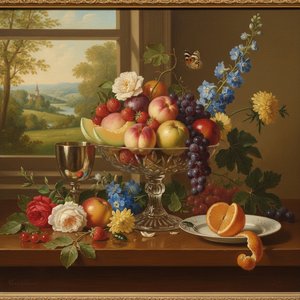
Severin Roesen: Evoking National Identity Through American Still Life Painting
Explore the captivating world of Severin Roesen, a major American still life painter influenced by Dutch masters. Discover his lush compositions and the symbolism within his art – a window into 19th-century America.

The Bountiful Still Life: Symbolism & Artistic Representation of Fruit Across Art History
Explore the rich history of still life painting & the symbolism of fruit across art movements. Discover masterpieces from Caravaggio to Cézanne with OriginalUniqueArt – expert guidance & museum-quality reproductions.
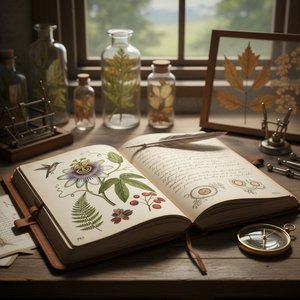
Titian Ramsay Peale II: A Legacy of Botanical Precision & Artistic Innovation
Explore the life & art of Titian Ramsay Peale II, a master of botanical precision and wildlife painting. Discover his legacy bridging art & natural history at OriginalUniqueArt.

Amerykański Realizm: 10 Arcydzieł, Które Zdefiniowały Epokę | OriginalUniqueArt
Poznaj 10 arcydzieł amerykańskiego realizmu! Odkryj historie Winslowa Homera, Edwarda Hoppera i innych mistrzów. Reprodukcje obrazów najwyższej jakości – inspiracje do Twojego wnętrza na OriginalUniqueArt.com

Charles Willson Peale: Portraiture, Enlightenment Ideals & Shaping American Identity
Explore the life & art of Charles Willson Peale – Revolutionary portraitist, scientist, and founder of America’s first museum. Discover his iconic paintings of Washington & the Enlightenment ideals that shaped a nation.
