
 Podgląd w skali
 Wyślij jako kartkę
 Udostępnij
 Szczegóły dzieła

 Pobierz
 Podobne obiekty
 RTG
RTG Pokaz slajdów
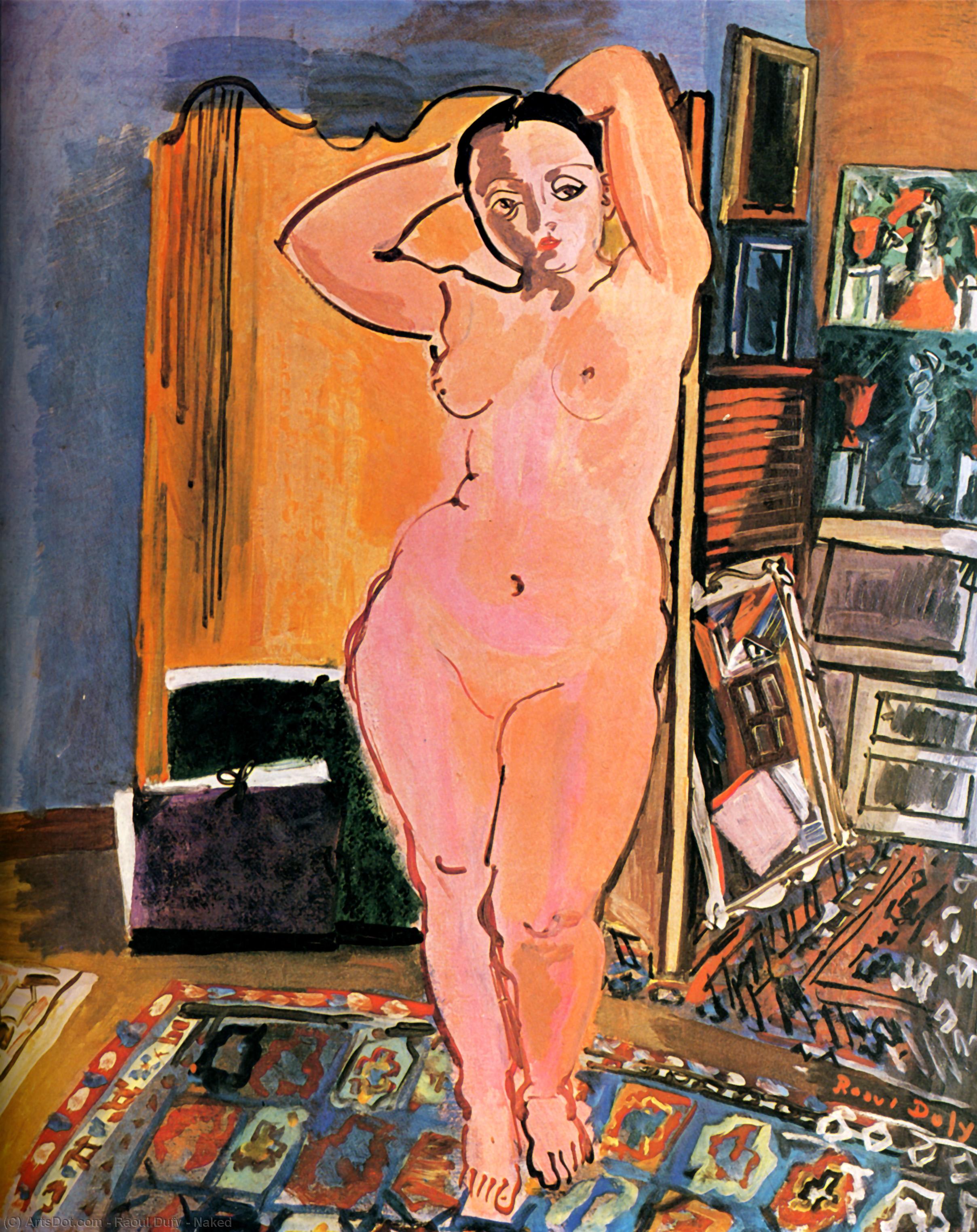
Naked


 Rozwiń treść
Ręcznie malowana reprodukcja olejowa
Ręcznie malowany obraz olejny na płótnie, wykonany na zamówienie przez naszych artystów w wybranym przez Ciebie wymiarze i oprawie. ( Zamów wydruk Kup obraz wysokiej rozdzielczości)




P118B $10

P118H $10

P118W $10

P438Z $10

P508JH $12

P508YH $12

P805H $10

P805Z $10

P919BZ $10

P919G $10

P919XJ $10

P959ZH $10

P968JZ $12

W106C $8

W218G $10

W218JH $8

W218Y $10

W307PJ $10

W316G $10

W316PJ $8

W316Y $10

W398PJ $8

W4111J $10

W500HY $15

W500JH $15

W692G $12

W849H $8

W940BG $15

W953PJ $8




Wybierz spośród naszych standardowych rozmiarów, które zachowują oryginalne proporcje dzieła sztuki.

Możesz wprowadzić własne wymiary, aby dopasować obraz do konkretnej ramy lub przestrzeni. Jeśli wybrany rozmiar nie będzie odpowiadał proporcjom oryginału, przytniecie dzieło sztuki lub rozszerzymy je o dodatkowe elementy, ręcznie domalowane przez artystę. Przed rozpoczęciem produkcji wyślemy projekt cyfrowy do Twojej akceptacji.
Należy pamiętać, że podgląd na ekranie nie odzwierciedla rzeczywistego przycinania ani rozszerzania obrazu. Tylko projekt dokładnie pokaże ostateczną kompozycję.
Choć oferujemy możliwość zamówienia niestandardowych rozmiarów, zalecamy wybór wymiaru z gotowej listy, aby zachować oryginalne proporcje dzieła.
Po złożeniu zamówienia zespół OriginalUniqueArt.com skontaktuje się z klientem drogą mailową w celu uzyskania instrukcji i prześle wizualizację projektu
Dostawa na całym świecie () w ciągu 3–4 tygodni zamiast standardowych 5 tygodni. (16 Sierpień). Bez kompromisów w kwestii jakości.

Bezpłatna ekspresowa wysyłka na cały świat

Wysokiej jakości płótno lniane

Pełne ubezpieczenie przesyłki

Gwarancja zwrotu należności celnych i podatków importowych

Gwarancja wiernego odwzorowania kolorów

Polityka 60-dniowego zwrotu (tylko w przypadku wad)

Gwarancja 100% zwrotu kosztów

Zniżka przy zamówieniu wielu produktów
 Opcja ze szkłem jest dostępna wyłącznie w rozmiarach poniżej 110 cm

Naked
Technika reprodukcji
Wymiary reprodukcji
-


Cena całkowita
$ 300
Opis dzieła
A Moment of Intimate Stillness
In the quietude of a private chamber, Raoul Dufy captures a profound moment of vulnerability and self-reflection in his 1928 masterpiece, Naked. The painting presents a solitary woman, her form central to the composition, caught in a gesture of deep introspection with her hands resting upon her head. This pose, while suggesting a sense of exposure, also conveys a powerful inward focus, as if she is momentarily retreating from the external world into the sanctuary of her own thoughts. The room around her is not merely a backdrop but a lived-in landscape; scattered books, a delicate vase, and the silhouette of a chair breathe life into the space, suggesting a life of intellect and quiet domesticity. Through this intimate scene, Dufy invites the viewer to step into a private realm where the boundaries between the physical body and the surrounding atmosphere begin to blur.
The technique employed in Naked is a testament to Dufy’s unique ability to marry the structural elements of composition with a fluid, almost rhythmic application of color. While his later works became even more celebrated for their spontaneous, "calligraphic" brushstrokes, this piece from the late 1920s showcases a masterful balance of form and light. The artist utilizes a palette that feels both grounded and luminous, allowing the skin tones of the subject to harmonize with the various objects in her environment. There is a rhythmic quality to how the books and decor are placed throughout the frame, guiding the eye in a gentle dance from the upper corners down to the lower periphery. This careful arrangement creates a sense of equilibrium, ensuring that despite the scattered nature of the room's contents, the composition feels unified and intentional.
The Radiance of French Modernism
To understand the emotional resonance of this work, one must consider Dufy’s place within the vibrant tapestry of early 20th-century French art. Emerging from the influences of Impressionism and the luminous landscapes of Monet, Dufy developed a style that prioritized joie de vivre—a joy of living. In Naked, this joy is not expressed through exuberant movement, but through the poetic beauty of light and the celebration of a quiet, aesthetic existence. The painting serves as a bridge between the classical study of the human form and the modern fascination with atmosphere and color. For the collector or interior designer, this piece offers more than just visual appeal; it provides an emotional anchor of serenity and sophistication.
Integrating a high-quality reproduction of such a significant work into a contemporary space can transform the very character of a room. The soft interplay of light and the nostalgic charm of the 1920s setting make it an ideal centerpiece for a study, a bedroom, or a curated gallery wall. It speaks to a refined taste that appreciates the nuances of art history and the enduring power of the human spirit. As a piece of decor, Naked brings a sense of timeless elegance, acting as a window into a bygone era of French modernism where every brushstroke was an exploration of light, color, and the profound beauty found in life's most private moments.
O artyście
A Life Immersed in Color and Light
Raoul Dufy, born on June 3rd, 1877, in the bustling port city of Le Havre, Normandy, was an artist whose name became inextricably linked with joy, vibrancy, and a distinctly French *joie de vivre*. His artistic journey wasn’t one of solitary contemplation but began amidst the practical realities of life – he worked for a coffee-importing company after leaving school at just fourteen. Yet, even in this early stage, the undeniable pull towards creative expression proved too strong to resist. Evening classes at Le Havre's École des Beaux-Arts ignited a passion that would not only define his career but also shape his very being, forging lasting friendships with fellow artists Raimond Lecourt and Othon Friesz – companions who shared a studio in Montmartre and a deep commitment to exploring new visual languages. These formative years were steeped in the influence of Impressionism, particularly the luminous landscapes of Claude Monet and Camille Pissarro, providing him with a foundational understanding of light, color, and composition that would later inform his unique style. He received a prestigious scholarship to study at the École Nationale supérieure des Beaux-Arts in Paris, further honing his skills and immersing himself within the dynamic artistic environment of the capital city.Embracing Fauvism and Finding His Voice
The early 20th century presented Dufy with a rapidly evolving landscape of modern art. Initially, he experimented with Cubism, drawn to its fragmented forms and innovative approach to space. However, it was Henri Matisse’s groundbreaking *Luxe, Calme et Volupté* at the 1905 Salon des Indépendants that proved truly transformative. The sheer audacity of color and expressive freedom unleashed by Matisse – a declaration of vibrant hues divorced from traditional representation – resonated deeply with Dufy, propelling him towards a style characterized by bold colors and liberated brushwork. This wasn’t mere imitation; it was an absorption and distillation of Fauvism's energy into something uniquely his own. He deliberately moved away from the movement’s strict adherence to its tenets, developing a more decorative and fluid approach – a style that retained the boldness of Fauvism while injecting a sense of lightness and grace. This period witnessed a fascinating exploration of various mediums – illustration, textile design for Paul Poiret (a collaboration that significantly influenced his aesthetic), even ceramics – demonstrating a remarkable versatility that extended far beyond the confines of traditional painting. His designs weren’t merely decorative elements; they were integral expressions of his artistic vision, bringing color and dynamism to everyday objects, reflecting a deep appreciation for beauty in all its forms.A Stenographic Style: Capturing Modern Life
By the 1920s, Dufy had fully blossomed into a master of what became known as his “stenographic” style. This distinctive technique involved rapidly applying thin washes of color over skeletal structures – a method that created an impression of movement and spontaneity. It was a perfect fit for capturing the energy of modern life: yachting regattas, bustling city scenes, elegant social gatherings on the French Riviera. Dufy wasn’t interested in meticulous detail; he sought to convey atmosphere, emotion, and the fleeting beauty of a moment. His paintings became celebrations of leisure, pleasure, and the vibrant pulse of contemporary society. He painted orchestras, racecourses, and seascapes with an effervescent quality that captured the spirit of the Jazz Age. This period also saw him undertaking large-scale commissions, including the monumental *La Fée Electricité* for the 1937 Exposition Internationale in Paris – a vast work celebrating electricity’s impact on modern life, executed with remarkable speed and ingenuity using a new quick-drying medium. The sheer scale of this project showcased Dufy's ability to manage complex projects while maintaining his distinctive artistic vision.Key Characteristics of Dufy’s Art
- Vibrant Color Palette: Dufy was renowned for his use of bright, saturated colors, often applied in thin washes.
- Dynamic Composition: His paintings frequently feature energetic compositions that convey a sense of movement and spontaneity.
- Decorative Style: A strong decorative element is present throughout his work, influenced by his designs for textiles and ceramics.
- Celebration of Modern Life: Dufy’s art often depicts scenes of leisure, social gatherings, and the pleasures of contemporary society.
- Stenographic Technique: His signature style involved rapidly applying thin washes of color over skeletal structures.
Legacy and Enduring Appeal
Despite facing health challenges later in life due to rheumatoid arthritis, Dufy remained a dedicated artist until his death on March 23rd, 1953, in Forcalquier. His work continues to be celebrated worldwide, held in prestigious collections including the Musée d’Orsay in Paris, the Hermitage Museum in St. Petersburg, The Museum of Modern Art in New York, and the Art Institute of Chicago – a testament to his enduring artistic significance. Dufy's influence extends far beyond painting; his designs continue to inspire textile and decorative arts. He left behind an impressive body of work – thousands of paintings, watercolors, drawings, prints, and applied art pieces – that collectively represent a vibrant celebration of life, color, and the beauty of the everyday. Raoul Dufy wasn’t merely a painter; he was a chronicler of his time, capturing the spirit of an era with a unique blend of Fauvist energy, decorative flair, and a distinctly optimistic vision. His art remains profoundly relevant today, offering a vibrant escape and a reminder to embrace the *joie de vivre* that permeated his life and work.
Raoul Dufy
1877 - 1953 , Francja
Krótka nota
- Artistic Movement Or Style: Fauvizm
- Artists Or Movements Influenced By This Artist: ['Ceramika i tkaniny']
- Artists Who Influenced This Artist:
- Monet
- Matisse
- Date Of Birth: 3 czerwca 1877
- Date Of Death: 23 marca 1953
- Full Name: Raoul Dufy
- Nationality: Francuz
- Notable Artworks:
- Kasyno w Nicei
- Zatoka aniołów
- Wyścigi
- Place Of Birth: Le Havre, Francja
Powiązane artykuły

Intimate Interiors: Domestic Life & Artistic Representation from Renaissance to Impressionism
Explore the evolution of domestic life in Western art from the Renaissance to Impressionism. Discover symbolism, realism & artistic techniques shaping intimate interior scenes. Learn more with OriginalUniqueArt.

Urok Nagiego Ciała w Sztuce: Historyczna i Artystyczna Eksploracja Aktu
Poznaj fascynującą historię aktu w sztuce – od starożytnych korzeni po współczesne interpretacje. Analiza technik, wybitnych artystów i wpływu anatomii na przedstawianie ludzkiego ciała. Ekskluzywne artykuły dla miłośników sztuki.

Intimate Interiors & Poetic Ambiguity: Exploring the Vision of Jean-Édouard Vuillard
Discover the captivating world of Jean-Édouard Vuillard, a key figure of the Nabis movement. Explore his intimate interiors, unique style & lasting influence on modern art. Learn more at OriginalUniqueArt.
Harmonia Kontrastów: Integracja Sztuki Współczesnej z Klasycznymi Wnętrzami dla Ponadczasowej Elegancji
Odkryj harmonię kontrastów! Eksperckie porady jak połączyć sztukę współczesną z klasycznymi wnętrzami dla ponadczasowej elegancji. Inspiracje i personalizacja z OriginalUniqueArt.
Amedeo Modigliani: 25 Arcydzieł Pełnych Tęsknoty i Elegancji | OriginalUniqueArt
Odkryj 25 arcydzieł Amedeo Modiglianiego – portrety, rzeźby i nagości pełne melancholii i elegancji. Poznaj historię włoskiego modernizmu i zainspiruj się do dekoracji wnętrz z OriginalUniqueArt.com! Eksploruj kolekcję online.

