 Podgląd w skali
 Wyślij jako kartkę
 Udostępnij
 Szczegóły dzieła

 Pobierz
 Podobne obiekty
 RTG
RTG Pokaz slajdów
Waiting For The Train


 Rozwiń treść
Giclée / Wydruk artystyczny
Druk giclée lub płótno o jakości muzealnej, szybka realizacja i szeroki wybór opcji wykończenia. ( Zamów ręcznie malowaną reprodukcję Kup obraz wysokiej rozdzielczości)




P118B $10

P118H $10

P118W $10

P438Z $10

P508JH $12

P508YH $12

P805H $10

P805Z $10

P919BZ $10

P919G $10

P919XJ $10

P959ZH $10

P968JZ $12

W106C $8

W218G $10

W218JH $8

W218Y $10

W307PJ $10

W316G $10

W316PJ $8

W316Y $10

W398PJ $8

W4111J $10

W500HY $15

W500JH $15

W692G $12

W849H $8

W940BG $15

W953PJ $8




Wybierz spośród naszych standardowych rozmiarów, które zachowują oryginalne proporcje dzieła sztuki.

Możesz wprowadzić własne wymiary, aby dopasować dzieło do konkretnej ramy lub przestrzeni. Jeśli wybrany rozmiar nie będzie odpowiadał proporcjom oryginalnego obrazu, przytniecie dzieło lub rozszerzymy obraz za pomocą odbicia lustrzanego lub jednolitego wypełnienia krawędzi. Przed rozpoczęciem produkcji prześlemy cyfrową wizualizację do Twojej akceptacji.
Prosimy pamiętać, że podgląd na ekranie nie odzwierciedla faktycznego przycinania ani rozszerzania. Tylko wizualizacja dokładnie pokaże końcową kompozycję.
Mimo dostępności niestandardowych rozmiarów, zalecamy wybór wymiaru z listy zdefiniowanej, aby zachować oryginalne proporcje.
Dostawa na cały świat () w ciągu 2 tygodni zamiast standardowych 4/5 tygodni. (14 Sierpień)

Bezpłatna ekspresowa wysyłka na cały świat

Wysokiej jakości płótno lniane

Pełne ubezpieczenie przesyłki

Gwarancja zwrotu należności celnych i podatków importowych

Gwarancja wiernego odwzorowania kolorów

Polityka 60-dniowego zwrotu (tylko w przypadku wad)

Gwarancja 100% zwrotu kosztów

Zniżka przy zamówieniu wielu produktów
 Opcja ze szkłem jest dostępna wyłącznie w rozmiarach poniżej 110 cm

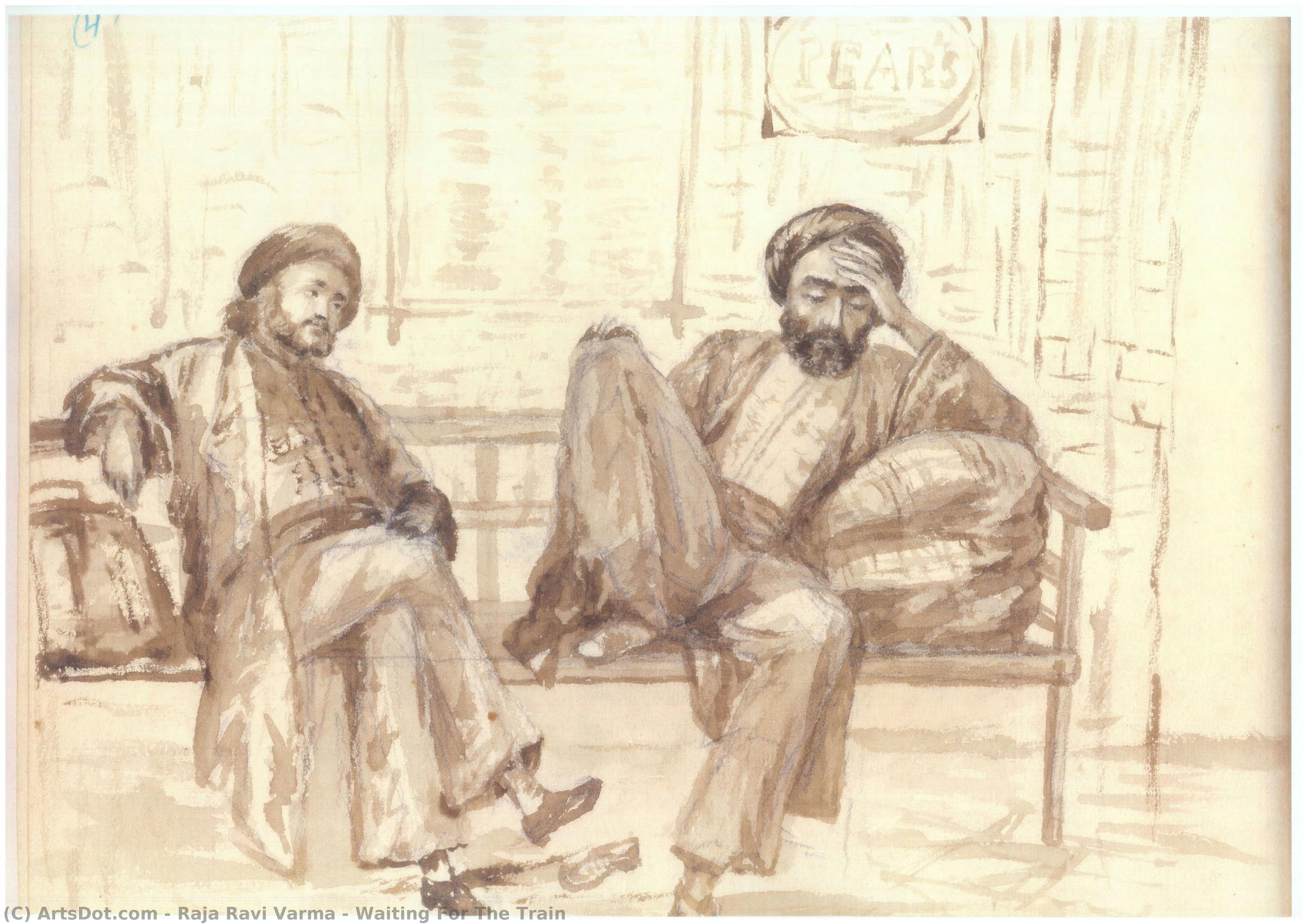
Waiting For The Train
Giclée / Wydruk artystyczny
Wymiary reprodukcji
-


Cena całkowita
$ 80
Opis kolekcjonerski
A Moment Suspended in Time: Analyzing "Waiting For The Train"
To gaze upon this evocative black and white drawing, "Waiting For The Train," is to be instantly transported to a liminal space—that charged moment between departure and arrival. It captures not merely two men on a bench, but the universal human experience of anticipation itself. The composition, rendered with careful draughtsmanship, places us at an outdoor station, a nexus point where journeys begin and end. The scattered suitcases are silent witnesses to untold stories, suggesting lives paused momentarily before the next great movement. One man, his hand raised near his face in a gesture that speaks volumes—is it contemplation, weariness, or deep thought? His companion watches him, an unspoken dialogue passing between them across the weathered wood of the bench.
The Artistry and Technique
While the original medium is a drawing, its enduring power lies in its narrative depth. The artist masterfully employs tonal contrast inherent to black and white work, allowing the subtle gradations of shadow and light to define mood as much as form. Notice the background detail: the visible clock face serves as a relentless, ticking reminder that time marches on, even when one wishes it would pause. Raja Ravi Varma, though known for his vibrant mythological scenes, demonstrates here a profound skill in capturing the mundane with such dramatic flair. The technique suggests an academic understanding of human anatomy and perspective, grounding the emotional weight of the scene within believable architectural and physical space.
Historical Echoes and Context
Dating to 1891, this piece emerges from a period of significant cultural confluence in India—a time when traditional artistic sensibilities were engaging with burgeoning European influences. The setting itself speaks to the railway age, an era that irrevocably changed human connection and movement across continents. For collectors today, owning a reproduction allows one to connect with this historical moment, appreciating how daily life was captured through the lens of grand technological shifts. It is a snapshot of transition, imbued with the weight of early 20th-century travel narratives.
Symbolism of Waiting and Connection
The symbolism here is rich and deeply resonant. The train itself represents destiny, change, and the unknown future. To wait for it is to confront one's own state of being—are we ready to move? Are we content to remain still? The interaction between the two figures suggests themes of companionship against the backdrop of individual journeys. They are together in this shared suspension, finding a quiet intimacy amidst the potential chaos of travel. This painting invites us to look inward: who are we waiting for, and what journey awaits us when the whistle finally blows?
Bringing the Scene Home
For interior design or personal contemplation, "Waiting For The Train" offers unparalleled atmospheric depth. Its monochromatic palette lends itself beautifully to sophisticated, moody interiors—think deep wood tones, aged metals, and rich textiles. It is not merely decoration; it is a conversation starter, an object that encourages pause. Owning this reproduction means curating a corner of your space dedicated to reflection, acknowledging the beauty found in the quiet moments between one chapter and the next.
O artyście
The Princely Brush: Raja Ravi Varma and the Dawn of Modern Indian Painting
Raja Ravi Varma, a name that resonates with artistic innovation in India, emerged from the royal lineage of Kilimanoor Palace in Kerala during the mid-19th century. Born on April 29, 1848, his life was steeped in both aristocratic tradition and an innate creative spirit. He wasn’t merely a painter; he was a cultural bridge, skillfully blending European academic techniques with the rich tapestry of Indian mythology and aesthetics. His family's long-standing connection to the Travancore royal house – indeed, two of his daughters were later adopted into that very family – provided both privilege and a deep understanding of Indian courtly life, which would profoundly influence his artistic vision. From an early age, Ravi Varma displayed a remarkable aptitude for art, nurtured by his uncle Raja Raja Varma, who initiated him into the world of drawing and painting, primarily within the Tanjore School tradition. However, young Ravi’s ambition extended beyond imitation; he sought to master techniques that would allow him to capture not just likeness but also emotion and narrative depth.A Fusion of Worlds: Technique and Inspiration
Varma's artistic journey took a pivotal turn when he encountered the works of European masters, particularly during his travels and through interactions with British officials stationed in India. He was captivated by the realism and technical precision of academic painting, diligently studying its principles – perspective, anatomy, light, and shadow. Yet, unlike many of his contemporaries who simply mimicked Western styles, Varma ingeniously adapted these techniques to serve distinctly Indian subjects. His canvases became vibrant stages for scenes from the Ramayana, the Mahabharata, and the Puranas, populated by gods and goddesses rendered with a newfound naturalism. He didn’t merely illustrate religious stories; he imbued them with human emotion and psychological complexity. Consider, for example, his portrayal of *Hansa Damayanthi*, where the heroine's longing gaze and delicate posture convey a depth of feeling rarely seen in Indian art before. This was revolutionary. Before Varma, depictions of deities often adhered to rigid iconographic conventions. He dared to portray them as relatable figures, beautiful and powerful yet accessible to the common viewer. His mastery of oil painting – a relatively new medium in India at the time – allowed him to achieve an unprecedented level of detail and luminosity, further enhancing the emotional impact of his work. The Maharani of Travancore, with its regal composure and intricate detailing, exemplifies Varma’s ability to capture both outward appearance and inner character.Democratizing Art: Lithographs and Public Appeal
Raja Ravi Varma’s influence extended far beyond the elite circles of royalty and art connoisseurs. Recognizing that original paintings were inaccessible to most Indians, he established the Raja Ravi Varma Fine Arts Lithographic Press in 1894. This groundbreaking venture allowed for the mass production of affordable lithographs based on his paintings. Suddenly, images of Hindu deities and mythological scenes were no longer confined to temples or palaces; they adorned homes across India, becoming objects of worship and cultural pride. The lithographs weren’t simply reproductions; they were carefully crafted interpretations that captured the essence of Varma's originals. This act of “democratizing art” had a profound impact on Indian society, fostering a wider appreciation for visual culture and shaping popular perceptions of religious iconography. Shakuntala, perhaps one of his most beloved works, found its way into countless homes through these lithographs, transforming the aesthetic landscape of India.Royal Patronage and Artistic Development
Ravi Varma’s early artistic development was profoundly shaped by royal patronage. Born into a family deeply intertwined with the Travancore court, he received an exceptional education that combined traditional Indian art forms – particularly those practiced in the Tanjore School – with Western academic techniques. His uncle, Raja Raja Varma, recognized his talent and provided him with formal training, introducing him to painting within the palace environment. This early exposure instilled in him a deep appreciation for both tradition and innovation. Later, he benefited from the guidance of Theodor Jenson, a Danish-born British artist who served as court painter in Travancore. Jenson’s expertise in oil painting proved invaluable, allowing Varma to master this challenging medium and achieve a level of realism previously unseen in Indian art. His travels across India, documenting diverse cultures and landscapes, further broadened his artistic horizons and informed his distinctive style.Legacy and Enduring Influence
Raja Ravi Varma passed away in 1906, leaving behind a legacy that continues to resonate today. His work not only transformed the landscape of Indian painting but also laid the foundation for modern Indian art. He challenged conventional norms, embraced innovation, and skillfully blended tradition with modernity. His influence can be seen in the works of subsequent generations of Indian artists who sought to create a distinctly national artistic identity. Museums like The Raja Ravi Varma Heritage Foundation in Bangalore and The Ganesh Shivaswamy Foundation preserve and celebrate his art, ensuring that his vision endures for future generations. His paintings remain powerful testaments to his genius – masterpieces that capture the beauty, spirituality, and cultural richness of India. His ability to connect with audiences on both an aesthetic and emotional level cemented his place as a true pioneer, forever changing the way Indians perceived art and their own cultural heritage.Exploring Varma’s World Today
For those seeking to delve deeper into the world of Raja Ravi Varma, numerous resources are available. The Kiran Nadar Museum of Art in New Delhi houses a selection of his works alongside other modern and contemporary Indian artists. Online platforms like OriginalUniqueArt offer high-quality reproductions of his iconic paintings, allowing art enthusiasts worldwide to experience his artistry firsthand. Furthermore, scholarly articles and books continue to shed light on his life, techniques, and lasting impact. The Wikipedia page dedicated to Raja Ravi Varma provides a comprehensive overview of his biography and artistic achievements, while Google Arts & Culture offers insightful stories about his life and work, including contributions from his great-great granddaughter.- Explore artworks: Discover masterpieces like "Portrait of a Gentleman," "Hansa Damayanthi," and "The Maharani of Travancore" through online databases.
- Visit museums: Immerse yourself in Varma’s legacy at The Raja Ravi Varma Heritage Foundation, The Ganesh Shivaswamy Foundation, and the Kiran Nadar Museum of Art.
- Further research: Consult Wikipedia and Google Arts & Culture for detailed biographical information and scholarly insights.
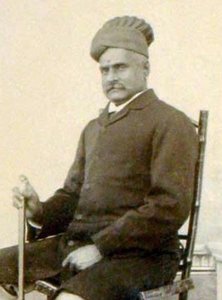
Raja Ravi Varma
1848 - 1906 , Indie
Krótka nota
- Artistic Movement Or Style: Fusion art
- Artists Or Movements Influenced By This Artist: ['Nowoczesne sztuki Indii']
- Artists Who Influenced This Artist: ['Europejscy mistrzowie']
- Date Of Birth: 29 kwietnia 1848
- Date Of Death: 2 października 1906
- Full Name: Raja Ravi Varma
- Nationality: Indie
- Notable Artworks:
- Shakuntala
- Hansa Damayanthi
- Place Of Birth: Kilimanoor, Indie
Powiązane artykuły

Czarne arcydzieła: Top 10 słynnych obrazów pełnych mroku i ekspresji | OriginalUniqueArt.com
Odkryj 10 słynnych obrazów, w których czerń króluje! Poznaj historie artystów, ekspresjonizm i mroczną paletę barw. Reprodukcje dzieł sztuki najwyższej jakości na OriginalUniqueArt.com – inspiracje do wnętrz i kolekcjonerstwo.

Raja Ravi Varma: Bridging Tradition & Modernity in 19th-Century Indian Art
Explore the life & art of Raja Ravi Varma, a pioneer who fused European techniques with Indian iconography. Discover his iconic paintings, lasting legacy, and influence on modern Indian art at OriginalUniqueArt.

Arcydzieła XIX Wieku: 10 Obrazów Opowiadających Epokę | OriginalUniqueArt
Odkryj 10 arcydzieł XIX wieku! Poznaj historię Monet, Van Gogha i Courbeta. Imesjonizm, realizm, romantyzm – obrazy pełne emocji i piękna czekają na OriginalUniqueArt.com. Znajdź idealny obraz do swojego wnętrza!
Edward Wilkins Waite: A Victorian Vision of Surrey's Serene Landscapes & Artistic Legacy
Explore the serene landscapes of Edward Wilkins Waite (1854-1924), a prolific Victorian painter celebrated for his depictions of Surrey's countryside. Discover his artistic influences, career highlights & collecting guide.
Thomas George Webster: Navigating Genre Boundaries & American Identity in 19th-Century Landscape Painting
Explore the captivating genre scenes of Thomas George Webster, a Victorian painter bridging British traditions with American themes. Discover his style, influences & legacy in 19th-century art history.