

 Zobacz w skali 1:1
 Wyślij
 Udostępnij
 Szczegóły
 Przewodnik

 Pobierz plik obrazu
 Podobne obiekty
 RTG
RTG Pokaz slajdów
 Statystyki
There Comes Papa
 Oil On Canvas
- WallArt
- Academic Romanticism
 1893
1893- 19th Century
 125.0 x 81.0 cm
 The Ganesh Shivaswamy Foundation
 Czytaj więcej
Giclée / Wydruk artystyczny
Wydruki giclée lub płótna o jakości muzealnej, szybka realizacja i szeroki wybór opcji wykończenia. ( Kup ręcznie malowany obraz Przełącz na wersję cyfrową)




P118B $10

P118H $10

P118W $10

P438Z $10

P508JH $12

P508YH $12

P805H $10

P805Z $10

P919BZ $10

P919G $10

P919XJ $10

P959ZH $10

P968JZ $12

W106C $8

W218G $10

W218JH $8

W218Y $10

W307PJ $10

W316G $10

W316PJ $8

W316Y $10

W398PJ $8

W4111J $10

W500HY $15

W500JH $15

W692G $12

W849H $8

W940BG $15

W953PJ $8




Wybierz spośród naszych standardowych rozmiarów, które zachowują oryginalne proporcje dzieła sztuki.

Możesz wprowadzić własne wymiary, aby dopasować dzieło do konkretnej ramy lub przestrzeni. Jeśli wybrany rozmiar nie będzie odpowiadał proporcjom oryginalnego obrazu, przytniecie dzieło lub rozszerzymy obraz za pomocą odbicia lustrzanego lub jednolitego wypełnienia krawędzi. Przed rozpoczęciem produkcji prześlemy cyfrową wizualizację do Twojej akceptacji.
Prosimy pamiętać, że podgląd na ekranie nie odzwierciedla faktycznego przycinania ani rozszerzania. Tylko wizualizacja dokładnie pokaże końcową kompozycję.
Mimo dostępności niestandardowych rozmiarów, zalecamy wybór wymiaru z listy zdefiniowanej, aby zachować oryginalne proporcje.
Dostawa na cały świat () w ciągu 2 tygodni zamiast standardowych 4/5 tygodni. (27 Wrzesień)

Bezpłatna ekspresowa wysyłka na cały świat

Wysokiej jakości płótno lniane

Pełne ubezpieczenie transportowe

Gwarancja zwrotu należności celnych i podatków importowych

Gwarancja idealnego odwzorowania barw

100-dniowy okres na zwrot dzieła w przypadku wykrycia wad produkcyjnych

Gwarancja 100% zwrotu pieniędzy

Oferta przy zakupie wielu sztuk
 Opcja ze szkłem jest dostępna wyłącznie w rozmiarach poniżej 110 cm

There Comes Papa
Giclée / Wydruk artystyczny
Rozmiar reprodukcji
-


Suma do zapłaty
$ 80
A Moment of Joyful Anticipation: Raja Ravi Varma’s “There Comes Papa”
Raja Ravi Varma's "There Comes Papa," painted in 1893, is more than just a portrait; it’s a poignant snapshot of domestic bliss rendered with the meticulous detail and evocative storytelling characteristic of the artist. Measuring 125 x 81 cm, this work transports us to a refined Indian household at the cusp of a significant event – the reunion of a family. The scene unfolds with an aristocratic lady, likely from the Malabar region, holding her infant son while gesturing towards the arrival of his father. A loyal dog, brimming with excitement, mirrors the anticipation, adding a layer of warmth and domesticity to the composition.
A Fusion of Styles: Ravi Varma’s Technique
Raja Ravi Varma was a pivotal figure in the transition from traditional Indian painting styles to a more modern approach. Born in 1848, he skillfully combined European academic techniques – particularly those influenced by French Orientalism – with deeply rooted Indian mythological and aesthetic traditions. This synthesis is strikingly evident in "There Comes Papa." The woman’s attire, a pristine white gown adorned with a delicate gold necklace, speaks to the wealth and status of her family, while the precise rendering of fabrics and textures demonstrates Ravi Varma's mastery of European academic training. Yet, the subject matter – a scene of familial joy rooted in Indian culture – firmly anchors the painting within its historical context.
Symbolism and Narrative
The painting’s narrative is rich with symbolism. The arrival of the father represents not just a reunion but also the establishment of lineage, tradition, and social order. The child's excited gaze embodies innocence and hope, while the dog’s eagerness symbolizes loyalty and companionship. Ravi Varma was renowned for his ability to imbue his paintings with narrative depth, often drawing upon Hindu mythology and folklore. While this particular work doesn't explicitly depict a mythological story, it captures a universal human experience – the joy of family connection – with remarkable sensitivity.
Historical Context and Artistic Significance
"There Comes Papa" was created during a period of significant change in India. The late 19th century witnessed the rise of Indian nationalism alongside increasing contact with Western cultures. Ravi Varma’s work played a crucial role in shaping modern Indian painting, establishing him as one of the most important artists of his time. His paintings were commissioned by royal families and wealthy patrons, reflecting the opulent lifestyles and cultural values of the era. The inclusion of a golden frame further elevates the artwork, emphasizing its elegance and reinforcing its status as a significant piece of art history. This reproduction offers a unique opportunity to own a piece of this pivotal moment in Indian artistic heritage.
Biografia artysty
The Princely Brush: Raja Ravi Varma and the Dawn of Modern Indian Painting
Raja Ravi Varma, a name that resonates with artistic innovation in India, emerged from the royal lineage of Kilimanoor Palace in Kerala during the mid-19th century. Born on April 29, 1848, his life was steeped in both aristocratic tradition and an innate creative spirit. He wasn’t merely a painter; he was a cultural bridge, skillfully blending European academic techniques with the rich tapestry of Indian mythology and aesthetics. His family's long-standing connection to the Travancore royal house – indeed, two of his daughters were later adopted into that very family – provided both privilege and a deep understanding of Indian courtly life, which would profoundly influence his artistic vision. From an early age, Ravi Varma displayed a remarkable aptitude for art, nurtured by his uncle Raja Raja Varma, who initiated him into the world of drawing and painting, primarily within the Tanjore School tradition. However, young Ravi’s ambition extended beyond imitation; he sought to master techniques that would allow him to capture not just likeness but also emotion and narrative depth.A Fusion of Worlds: Technique and Inspiration
Varma's artistic journey took a pivotal turn when he encountered the works of European masters, particularly during his travels and through interactions with British officials stationed in India. He was captivated by the realism and technical precision of academic painting, diligently studying its principles – perspective, anatomy, light, and shadow. Yet, unlike many of his contemporaries who simply mimicked Western styles, Varma ingeniously adapted these techniques to serve distinctly Indian subjects. His canvases became vibrant stages for scenes from the Ramayana, the Mahabharata, and the Puranas, populated by gods and goddesses rendered with a newfound naturalism. He didn’t merely illustrate religious stories; he imbued them with human emotion and psychological complexity. Consider, for example, his portrayal of *Hansa Damayanthi*, where the heroine's longing gaze and delicate posture convey a depth of feeling rarely seen in Indian art before. This was revolutionary. Before Varma, depictions of deities often adhered to rigid iconographic conventions. He dared to portray them as relatable figures, beautiful and powerful yet accessible to the common viewer. His mastery of oil painting – a relatively new medium in India at the time – allowed him to achieve an unprecedented level of detail and luminosity, further enhancing the emotional impact of his work. The Maharani of Travancore, with its regal composure and intricate detailing, exemplifies Varma’s ability to capture both outward appearance and inner character.Democratizing Art: Lithographs and Public Appeal
Raja Ravi Varma’s influence extended far beyond the elite circles of royalty and art connoisseurs. Recognizing that original paintings were inaccessible to most Indians, he established the Raja Ravi Varma Fine Arts Lithographic Press in 1894. This groundbreaking venture allowed for the mass production of affordable lithographs based on his paintings. Suddenly, images of Hindu deities and mythological scenes were no longer confined to temples or palaces; they adorned homes across India, becoming objects of worship and cultural pride. The lithographs weren’t simply reproductions; they were carefully crafted interpretations that captured the essence of Varma's originals. This act of “democratizing art” had a profound impact on Indian society, fostering a wider appreciation for visual culture and shaping popular perceptions of religious iconography. Shakuntala, perhaps one of his most beloved works, found its way into countless homes through these lithographs, transforming the aesthetic landscape of India.Royal Patronage and Artistic Development
Ravi Varma’s early artistic development was profoundly shaped by royal patronage. Born into a family deeply intertwined with the Travancore court, he received an exceptional education that combined traditional Indian art forms – particularly those practiced in the Tanjore School – with Western academic techniques. His uncle, Raja Raja Varma, recognized his talent and provided him with formal training, introducing him to painting within the palace environment. This early exposure instilled in him a deep appreciation for both tradition and innovation. Later, he benefited from the guidance of Theodor Jenson, a Danish-born British artist who served as court painter in Travancore. Jenson’s expertise in oil painting proved invaluable, allowing Varma to master this challenging medium and achieve a level of realism previously unseen in Indian art. His travels across India, documenting diverse cultures and landscapes, further broadened his artistic horizons and informed his distinctive style.Legacy and Enduring Influence
Raja Ravi Varma passed away in 1906, leaving behind a legacy that continues to resonate today. His work not only transformed the landscape of Indian painting but also laid the foundation for modern Indian art. He challenged conventional norms, embraced innovation, and skillfully blended tradition with modernity. His influence can be seen in the works of subsequent generations of Indian artists who sought to create a distinctly national artistic identity. Museums like The Raja Ravi Varma Heritage Foundation in Bangalore and The Ganesh Shivaswamy Foundation preserve and celebrate his art, ensuring that his vision endures for future generations. His paintings remain powerful testaments to his genius – masterpieces that capture the beauty, spirituality, and cultural richness of India. His ability to connect with audiences on both an aesthetic and emotional level cemented his place as a true pioneer, forever changing the way Indians perceived art and their own cultural heritage.Exploring Varma’s World Today
For those seeking to delve deeper into the world of Raja Ravi Varma, numerous resources are available. The Kiran Nadar Museum of Art in New Delhi houses a selection of his works alongside other modern and contemporary Indian artists. Online platforms like OriginalUniqueArt offer high-quality reproductions of his iconic paintings, allowing art enthusiasts worldwide to experience his artistry firsthand. Furthermore, scholarly articles and books continue to shed light on his life, techniques, and lasting impact. The Wikipedia page dedicated to Raja Ravi Varma provides a comprehensive overview of his biography and artistic achievements, while Google Arts & Culture offers insightful stories about his life and work, including contributions from his great-great granddaughter.- Explore artworks: Discover masterpieces like "Portrait of a Gentleman," "Hansa Damayanthi," and "The Maharani of Travancore" through online databases.
- Visit museums: Immerse yourself in Varma’s legacy at The Raja Ravi Varma Heritage Foundation, The Ganesh Shivaswamy Foundation, and the Kiran Nadar Museum of Art.
- Further research: Consult Wikipedia and Google Arts & Culture for detailed biographical information and scholarly insights.
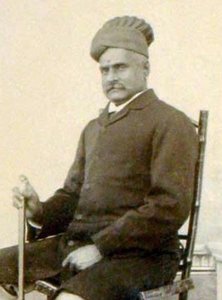
Raja Ravi Varma
1848 - 1906 , Indie
Najważniejsze informacje
- Artistic Movement Or Style: Fusion art
- Artists Or Movements Influenced By This Artist: ['Nowoczesne sztuki Indii']
- Artists Who Influenced This Artist: ['Europejscy mistrzowie']
- Date Of Birth: 29 kwietnia 1848
- Date Of Death: 2 października 1906
- Full Name: Raja Ravi Varma
- Nationality: Indie
- Notable Artworks:
- Shakuntala
- Hansa Damayanthi
- Place Of Birth: Kilimanoor, Indie
Zobacz także powiązane artykuły

The Enduring Legacy of Family Portraiture: A Historical & Artistic Exploration
Explore the rich history of family portraiture with OriginalUniqueArt. Discover artistic styles, symbolism & collecting insights. Commission a custom oil painting or appraise your existing artwork today!

Raja Ravi Varma: Bridging Tradition & Modernity in 19th-Century Indian Art
Explore the life & art of Raja Ravi Varma, a pioneer who fused European techniques with Indian iconography. Discover his iconic paintings, lasting legacy, and influence on modern Indian art at OriginalUniqueArt.
Rodzinny Portret w Duchu Mistrzów: Przemiana Współczesnego Zdjęcia w Majestatyczny Obraz Olejny
Przemień swoje zdjęcie w majestatyczny portret olejny! Ręcznie malowane obrazy na zamówienie, inspirowane mistrzami renesansu. Eksperci, najwyższa jakość i trwałość. Idealny prezent dla rodziny!
From Scattered Memories to Timeless Legacy: The Art of Creating Your Custom Family Masterpiece with OriginalUniqueArt
Turn scattered family photos into a breathtaking hand-painted oil masterpiece. OriginalUniqueArt specializes in merging multiple images into one cohesive, museum-quality heirloom. Experience professional artistry, digital mockups, and a 100% satisfaction guarantee for your family's legacy.

Ewolucja portretów rodzinnych: Personalizowane dzieła sztuki jako kronika życia przez pokolenia
Odkryj historię portretu rodzinnego i zamów spersonalizowane dzieło sztuki! Profesjonalne malarstwo portretowe, od renesansu po współczesność. Inwestycja w emocje i trwałą pamiątkę dla przyszłych pokoleń.


