Przełącz na wydania drukowane
 Rozwiń treść







































 W przypadku dzieł sztuki lub reprodukcji, których którykolwiek z boków przekracza 105 cm (około 41 cali), rama zostanie wysłana w formie zestawu do samodzielnego montażu. Metoda ta zapewnia bezpieczną dostawę i zapobiega uszkodzeniom podczas transportu.


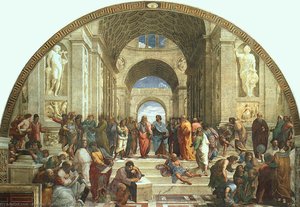
Stanza Della Segnatura d00: A Symphony of Renaissance Ideals
The Stanza Della Segnatura stands as an enduring testament to Raphael’s unparalleled artistic vision—a cornerstone of the High Renaissance that continues to captivate audiences centuries later. Painted in Rome between 1508 and 1511 during the reign of Pope Julius II, this monumental fresco cycle transcends mere decoration; it embodies the intellectual fervor and humanist ideals that defined the era. Commissioned as part of a grand redesign of the papal apartments, it represents more than just aesthetic beauty—it’s an elaborate philosophical dialogue reflecting on the core tenets of Western thought. The Setting: Located in the Vatican Museums, specifically the Stanza Della Segnatura (Room of the Signatura), the frescoed space itself is designed to foster contemplation and intellectual discourse. Its walls are adorned with intricate geometric patterns—a deliberate choice intended to create an atmosphere conducive to profound reflection on universal truths. These patterns aren’t merely decorative; they symbolize divine order, mirroring the harmonious balance Raphael sought to achieve in his artistic endeavors. Central Figures: At the heart of the composition stand Plato and Aristotle, sculpted by Michelangelo, representing the opposing philosophical schools of idealism and empiricism respectively. Their postures convey a deep respect for knowledge and wisdom—a palpable embodiment of the humanist preoccupation with rational inquiry. Michelangelo’s masterful execution underscores the importance of reason alongside faith in this seminal artwork. The Compositional Harmony: Raphael’s genius lies in his ability to orchestrate complex visual elements into a unified whole, achieving breathtaking balance and perspective. The fresco is divided into three distinct sections—heaven, earth, and purgatory—each meticulously rendered with painstaking detail to convey depth and realism. This tripartite division reflects the medieval cosmology, but Raphael reimagines it through the lens of humanist philosophy, demonstrating his mastery of artistic technique and conveying a powerful emotional resonance. Symbolism and Intellectual Discourse The frescoes are laden with symbolic references that illuminate the philosophical debates of the time. Above all, Raphael’s depiction of the heavens celebrates divine order and underscores the concept of God's omnipresence—a cornerstone of Christian theology. The earth section portrays scholars engaged in spirited discussions about human affairs, grappling with questions of ethics and governance. Michelangelo’s sculpture complements this intellectual exploration perfectly. The central panel depicts Aristotle seated on a throne, while Plato sits opposite him, symbolizing the clash between philosophical thought and religious dogma. Raphael's masterful use of color and light enhances the dramatic impact of these scenes, inviting viewers to contemplate the complexities of human existence. The Frescoes’ Significance: More than just visually stunning, the Stanza Della Segnatura serves as a powerful reminder of the Renaissance commitment to humanist ideals—a celebration of intellectuality and artistic excellence that continues to inspire admiration today. Raphael's meticulous attention to detail and his masterful command of perspective elevate this artwork beyond mere representation, transforming it into an enduring symbol of human potential and creative achievement. It remains one of the most influential paintings in Western art history. Photo Description: The painting is a fresco of the Sistine Chapel in Rome, Italy. The artist who painted it was Raphael (Raffaello Sanzio Da Urbino). The painting is titled "Stanza Della Segnatura." The image is a photo of the original painting. The fresco depicts a scene with many people and angels, including Jesus Christ in the center. There are also several other figures surrounding him, some of which appear to be holding books or scrolls. The painting features a variety of colors and intricate details, making it an impressive work of art. Size: Unknown Date: UnknownPytania i odpowiedzi
Jak można wykorzystać „Stanza Della Segnatura” – Rafael w dekoracji wnętrz?
Zalecane zastosowanie (Akcent kolorystyczny) oraz przestrzeń (Salon lub strefa dzienna) to dwie rekomendacje dla dzieła „Stanza Della Segnatura” – Rafael.
Czy „Stanza Della Segnatura” – Rafael należy do najbardziej pożądanych dzieł w nurcie High Renaissance?
„Stanza Della Segnatura” – Rafael jest klasyfikowane jako Ikoniczne i należy do nurtu High Renaissance.
Czy mogę zamówić olejną reprodukcję "Stanza Della Segnatura"?
"Stanza Della Segnatura" jest dostępny jako ręcznie malowana reprodukcja olejowa na płótnie lnianym. Zamówienie można złożyć na stronie Ręcznie malowana reprodukcja, wybierając preferowany rozmiar.
 Podgląd w skali 1:1
 Wyślij jako kartkę
 Udostępnij
 Szczegóły dzieła
 Przewodnik

 Pobierz obraz
 Podobne obiekty
 RTG
RTG Pokaz slajdów
 Q&A
Q&A Statystyki