

 Zobacz w skali 1:1
 Wyślij
 Udostępnij
 Szczegóły

 Pobierz plik obrazu
 Podobne obiekty
 RTG
RTG Pokaz slajdów
 Statystyki
Tiziano y su mujer
 Baroque
 1995
1995 73.0 x 92.0 cm
 Fundación Universidad de las Américas Puebla
 Czytaj więcej
Ręcznie malowana reprodukcja olejowa
Ręcznie malowany obraz olejny na płótnie, wykonany na zamówienie przez naszych artystów w wybranym przez Ciebie wymiarze i oprawie. ( Przełącz na wersję drukowaną Przełącz na wersję cyfrową)




































Wybierz spośród naszych standardowych rozmiarów, które zachowują oryginalne proporcje dzieła sztuki.

Możesz wprowadzić własne wymiary, aby dopasować obraz do konkretnej ramy lub przestrzeni. Jeśli wybrany rozmiar nie będzie odpowiadał proporcjom oryginału, przytniecie dzieło sztuki lub rozszerzymy je o dodatkowe elementy, ręcznie domalowane przez artystę. Przed rozpoczęciem produkcji wyślemy projekt cyfrowy do Twojej akceptacji.
Należy pamiętać, że podgląd na ekranie nie odzwierciedla rzeczywistego przycinania ani rozszerzania obrazu. Tylko projekt dokładnie pokaże ostateczną kompozycję.
Choć oferujemy możliwość zamówienia niestandardowych rozmiarów, zalecamy wybór wymiaru z gotowej listy, aby zachować oryginalne proporcje dzieła.
Po złożeniu zamówienia zespół OriginalUniqueArt.com skontaktuje się z klientem drogą mailową w celu uzyskania instrukcji i prześle wizualizację projektu
Dostawa na całym świecie () w ciągu 3–4 tygodni zamiast standardowych 5 tygodni. (15 Wrzesień). Bez kompromisów w kwestii jakości.

Bezpłatna ekspresowa wysyłka na cały świat

Wysokiej jakości płótno lniane

Pełne ubezpieczenie transportowe

Gwarancja zwrotu należności celnych i podatków importowych

Gwarancja idealnego odwzorowania barw

100-dniowy okres na zwrot dzieła w przypadku wykrycia wad produkcyjnych

Gwarancja 100% zwrotu pieniędzy

Oferta przy zakupie wielu sztuk
 Opcja ze szkłem jest dostępna wyłącznie w rozmiarach poniżej 110 cm

Tiziano y su mujer
Technika wykonania
Rozmiar reprodukcji
-


Suma do zapłaty
$ 325
Biografia artysty
The Melancholic Soul of Mexican Figurative Art
Rafael Coronel, a master whose brushstrokes whispered of ancient secrets and profound stillness, occupied a singular space in the landscape of 20th-century Mexican art. Born on October 24, 1931, Coronel did not merely paint figures; he conjured spirits. His work is characterized by a haunting, melancholic sobriety, where faces from the past emerge through a diffuse, ethereal haze, as if surfacing from the depths of a collective memory. Unlike the vibrant, often politically charged muralism that defined much of his era, Coronel’s oeuvre leaned toward the introspective and the mysterious. He possessed an uncanny ability to capture the psychological weight of his subjects, creating portraits that feel both timeless and deeply personal, imbued with a quiet dignity that avoids flamboyant spectacle in favor of emotional resonance.
The seeds of his artistic vocation were sown long before he ever touched a canvas. Raised in a family steeped in visual tradition, Coronel was profoundly influenced by the legacy of his grandfather, a church decorator who adorned sacred spaces with vibrant frescoes. This early exposure to the art of storytelling through imagery instilled in him a lifelong fascination with craftsmanship and the spiritual power of the image. Though he initially harbored ambitions far removed from the studio—even dreaming of a career as a professional soccer player for the legendary Club América—the pull of the aesthetic was inescapable. His journey was one of beautiful contradictions, marked by a tension between the practical realities of life and the irresistible call of the creative spirit.
A Journey Through Shadow and Light
Coronel’s formal development was shaped by the rigorous yet transformative environment of the Escuela Nacional de Pintura, Escultura y Grabado "La Esmeralda." It was here that his unique artistic vocabulary began to coalesce. A pivotal moment in his early career arrived in 1952 when he won a prestigious painting contest with a piece titled “Mujer de Jerez.” Remarkably, this victory was achieved using only crayons—a testament to his resourcefulness and raw talent during a period when financial constraints limited his access to traditional oils. This triumph secured him a scholarship that allowed him to pursue his passion more deeply, even as he navigated the complexities of defying familial expectations in favor of an uncertain artistic path.
As his technique matured, Coronel’s work became increasingly sophisticated in its use of atmosphere and symbolism. He drew deep inspiration from the masters of the past, particularly the Venetian Renaissance artist Titian. This admiration is evident in works such as “Tiziano y su mujer,” where he pays homage to the legendary painter through a lens of profound empathy and historical continuity. His compositions often feature religious figures, monks, and characters that seem to inhabit fantastic, dreamlike worlds. By utilizing simple or even empty backgrounds, Coronel forced the viewer’s gaze onto the subjects themselves, emphasizing their presence and the psychological depth of their expressions. His use of color was equally deliberate; he often employed large, cold areas of gray and blue contrasted against sudden, sharp bursts of red or pink to evoke a sense of dramatic tension.
Legacy and the Museum of Masks
Beyond his canvases, Rafael Coronel’s contribution to Mexican culture is inextricably linked to his passion for collecting. He was an avid collector of masks, objects that frequently found their way into his paintings as symbols of identity, transformation, and the hidden facets of the human psyche. This fascination with the mask—the boundary between the seen and the unseen—became a recurring motif in his work, mirroring the way his painted figures often seem to emerge from or retreat into a veil of mist.
The true monument to his life’s work stands in Zacatecas, within the historic 16th-century convent of San Francisco de Almoloyan y de Asís. The Museo Rafael Coronel serves as both a sanctuary for his vast collection of masks and a gallery for his evocative paintings. Through this institution, his legacy continues to breathe, offering contemporary audiences a chance to encounter the quiet, powerful echoes of his Baroque-inspired vision. Though he passed away on May 7, 2019, Coronel remains a vital figure in the history of figurative art, reminding us that there is immense strength to be found in stillness and profound truth to be discovered in the shadows.

Najważniejsze informacje
- Artistic Movement Or Style: Representational Painting; Baroque Portraiture
- Artists Or Movements Influenced By This Artist: ['Baroque']
- Artists Who Influenced This Artist: ['Diego Rivera']
- Date Of Birth: (Unknown)
- Date Of Death: Living
- Full Name: Rafael Coronel
- Nationality: Mexican
- Notable Artworks:
- Tulyehualco, La Carbonera
- Tiziano y su mujer
- Beatificación
- Place Of Birth: Mexico
Zobacz także powiązane artykuły

Trwała Spuścizna Malarstwa Olejnego: Technika, Historia i Współczesna Praktyka
Poznaj historię i techniki malarstwa olejnego. Poradniki dla artystów, informacje o konserwacji oraz możliwość zamówienia wysokiej jakości reprodukcji obrazów. Ekspercka wiedza i gwarancja trwałości dzieł sztuki.
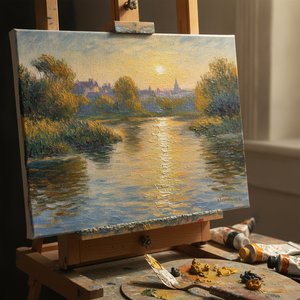
The Soul of Impressionism: Why Oil on Canvas Captures Eternal Light and Timeless Emotion
Discover the enchanting alchemy of Impressionism. Explore how the mastery of oil on canvas, through glazing and impasto, captures eternal light and emotion. Perfect for lovers of Monet and Van Gogh seeking the profound depth of hand-painted fine art.

Trwała Spuścizna Malarstwa Olejnego: Technika, Historia i Estetyczny Wpływ
Poznaj historię i technikę malarstwa olejnego! Eksperckie artykuły o konserwacji, renowacji oraz współczesnych zastosowaniach. Dowiedz się więcej o mistrzach i trwałości obrazów olejnych.

Olej na płótnie: Historia, techniki i ponadczasowy urok malarskiego medium
Poznaj historię i techniki malarstwa olejowego! Od renesansowych mistrzów po współczesne zastosowania – wszystko o oleju na płótnie. Poradniki, konserwacja i inspiracje dla pasjonatów sztuki.
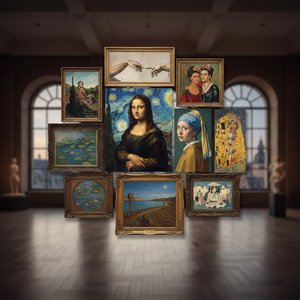
10 arcydzieł malarstwa olejnego, które na zawsze zmieniły sztukę | OriginalUniqueArt.com
Poznaj 10 arcydzieł malarstwa olejowego, które zrewolucjonizowały świat sztuki! Van Gogh, Monet, Picasso i inni – odkryj historie, techniki i emocje w słynnych obrazach. Reprodukcje najwyższej jakości na OriginalUniqueArt.com. Eksploruj kolekcję online!