

 Zobacz w skali 1:1
 Wyślij
 Udostępnij
 Szczegóły
 Przewodnik

 Pobierz plik obrazu
 Podobne obiekty
 RTG
RTG Pokaz slajdów
 Statystyki
The Virgin Enthroned
 Oil On Panel
- WallArt
- Northern Renaissance
 1525
1525- Renaissance
 135.0 x 90.0 cm
 Staatliche Museen zu Berlin
 Czytaj więcej
Giclée / Wydruk artystyczny
Wydruki giclée lub płótna o jakości muzealnej, szybka realizacja i szeroki wybór opcji wykończenia. ( Kup ręcznie malowany obraz Przełącz na wersję cyfrową)




P118B zł10

P118H zł10

P118W zł10

P438Z zł10

P508JH zł12

P508YH zł12

P805H zł10

P805Z zł10

P919BZ zł10

P919G zł10

P919XJ zł10

P959ZH zł10

P968JZ zł12

W106C zł8

W218G zł10

W218JH zł8

W218Y zł10

W307PJ zł10

W316G zł10

W316PJ zł8

W316Y zł10

W398PJ zł8

W4111J zł10

W500HY zł15

W500JH zł15

W692G zł12

W849H zł8

W940BG zł15

W953PJ zł8




Wybierz spośród naszych standardowych rozmiarów, które zachowują oryginalne proporcje dzieła sztuki.

Wpisz wymaganą szerokość i wysokość, aby dopasować grafikę do ramy lub ściany. Wydruk można jedynie przyciąć, nigdy nie powiększając go poza oryginalny obraz, dlatego format o innym proporcji spowoduje utratę części kompozycji. Przed rozpoczęciem druku prześlemy Ci cyfrowy podgląd do zatwierdzenia. Obraz wyświetlany na tej stronie nie pokazuje rzeczywistego przycięcia — jedynie podgląd oddaje ten efekt.
Dostawa na cały świat () w ciągu 2 tygodni zamiast standardowych 4/5 tygodni. (23 Październik)

Bezpłatna ekspresowa wysyłka na cały świat

Wysokiej jakości płótno lniane

Pełne ubezpieczenie transportowe

Gwarancja zwrotu należności celnych i podatków importowych

Gwarancja idealnego odwzorowania barw

100-dniowy okres na zwrot dzieła w przypadku wykrycia wad produkcyjnych

Gwarancja 100% zwrotu pieniędzy

Oferta przy zakupie wielu sztuk
 Opcja ze szkłem jest dostępna wyłącznie w rozmiarach poniżej 110 cm

The Virgin Enthroned
Giclée / Wydruk artystyczny
Rozmiar reprodukcji
-


Suma do zapłaty
zł 307
A Divine Encounter in the Antwerp School
In the quiet, hallowed atmosphere of the Staatliche Museen Berlin, there exists a window into the spiritual heart of the sixteenth century. Quentin Massys’ “The Virgin Enthroned,” completed around 1525, is far more than a mere religious portrait; it is a profound meditation on grace and the intersection of the earthly and the divine. As a cornerstone of the Antwerp School, this masterpiece captures a pivotal moment in art history where the meticulous, almost microscopic devotion of the Early Netherlandish tradition began to breathe the air of Renaissance humanism. The painting presents the Virgin Mary not as a distant icon, but as a serene, maternal presence, seated upon an intricately carved throne that commands both reverence and wonder.
The composition draws the viewer into a sacred architectural space, where Gothic arches rise with a sense of eternal grandeur. Through these arches, light filters in a way that feels both natural and supernatural, illuminating the central figures with a soft, celestial glow. This interplay of light and shadow—the masterful use of chiaroscuro—creates a palpable sense of three-dimensionality, making the figures feel as though they might step forward from the panel into our own world. For the collector or the lover of classical beauty, this painting offers an unparalleled sense of depth, inviting the eye to wander through its detailed textures and architectural splendor.
The Alchemy of Texture and Symbolism
What truly distinguishes Massys is his ability to translate his early training as an ironsmith into a painterly language of tactile brilliance. Every surface in “The Virgin Enthroned” tells a story of material richness. One can almost feel the heavy, velvet weight of Mary’s crimson cloak and the delicate, woven complexity of the carpet beneath her feet. The artist’s precision is evident in the way he captures the glint of enamel on the throne and the subtle sheen of light upon the golden chalice resting on a nearby table. This obsession with realism serves a higher purpose: it grounds the spiritual mystery of the Christ child in a world that feels tangible, real, and deeply precious.
Every element within the frame is steeped in theological significance. The presence of the bread and the golden chalice on the white-draped table serves as a poignant reference to the Eucharist, inviting the viewer into a state of sacramental contemplation. Even the architectural details, with their stained glass and intricate patterns, act as symbols of the heavenly Jerusalem. This layering of meaning ensures that the artwork remains intellectually stimulating long after the first glance. For an interior designer, such a piece provides a sophisticated focal point, bringing a sense of historical weight, narrative complexity, and quiet dignity to any curated space.
An Enduring Legacy for the Modern Collector
To possess a reproduction of this caliber is to bring a piece of the Northern Renaissance into the contemporary home. Massys’ ability to balance the heavy symbolism of his era with a breathtakingly realistic technique creates an emotional resonance that transcends time. The painting evokes a sense of peace, stability, and profound reverence—qualities that are increasingly sought after in modern art decoration. It is a work that does not merely decorate a wall; it anchors a room, providing a soulful connection to the masters of the past.
Whether you are an art historian captivated by the evolution of the Antwerp School or a decorator seeking to infuse a room with classical elegance, “The Virgin Enthroned” stands as a testament to human skill and spiritual aspiration. It remains a luminous example of how light, color, and texture can be woven together to create an eternal moment of devotion.
Pytania i odpowiedzi
Czy „The Virgin Enthroned” autorstwa Kwintein Matsijs to portret, pejzaż czy kompozycja kwadratowa?
„The Virgin Enthroned” autorstwa Kwintein Matsijs to kompozycja w formacie Portrait. Warto sprawdzić proporcje przed wyborem rozmiaru wydruku.
Ile lat miał Kwintein Matsijs, gdy powstało dzieło „The Virgin Enthroned”?
Kwintein Matsijs miał 59 lat, tworząc „The Virgin Enthroned” w 1525. Wiek ten został obliczony na podstawie roku urodzenia artysty, 1466.
Jaka jest technika i data powstania „The Virgin Enthroned” autorstwa Kwintein Matsijs?
"The Virgin Enthroned" powstało w 1525 roku przy użyciu Oil On Panel.
Biografia artysty
Architekt Szkoły Antwerskiej
W tętniącym życiem, rozkwitającym krajobrazie XVI-wiecznych Niderlandów, niewiele nazwisk brzmi z tak fundamentalną doniosłością jak Quentin Massys. Często ogłaszany jako pionier Szkoły Antwerskiej, Massys był malarzem, który połączył przepaść między skrupulatną, duchową pobożnością tradycji wczesnoniderlandzkiej a rodzącym się humanizmem Północnego Renesansu. Urodzony około 1466 roku w Leuven, w Belgii, jego wczesne lata pozostają misterną tkaniną utkaną z legend i historycznych fragmentów. W historii sztuki powszechnie szepcze się, że zanim po raz pierwszy ujął w dłoń delikatny pędzel, przeszedł szkolenie jako kowal—szczegół ten nadaje głęboką, niemal namacalną wagę jego późniejszemu mistrzostwu w oddawaniu tekstury i materii. To doświadczenie w obróbce metalu prawdopodobnie zaszczepiło w nim wyjątkową czcią do świata fizycznego, pozwalając mu z niespotykaną precyzją oddać połysk jedwabiu, zimny blask monety czy spracowaną ludzką skórę.
Gdy około 1490 roku przeniósł się z akademickiej atmosfery Leuven do tętniącego życiem centrum handlowego, jakim był Antwerpia, Massys zaczął wplatać własną, odrębną nitkę w tkaninę sztuki flamandzkiej. Jego wczesna edukacja, potencjalnie pod okiem Dirka Bouts, połączyła go z linią mistrzów takich jak Hans Memling czy Rogier van der Weyden. Od tych poprzedników odziedziczył oddanie verisimilitudine—dążeniu do prawdy w przedstawieniu. Jednak Massys był daleki od bycia zwykłym naśladowcą. Choć zachował niezwykłą szczegółowość charakterystyczną dla swoich przodków, tchnął w swoją twórczość nową, rozkwitającą witalność oraz chęć zgłębiania złożoności ludzkiej kondycji poprzez zarówno religijną powagę, jak i ciętą satyrę społeczną.
Mistrzostwo Pobożności i Satyry
Geniusz Massysa tkwi w jego niezwykłej zdolności do poruszania się między dwoma pozornie odległymi światami: sacrum i profanum. Z jednej strony, jego kompozycje religijne służą jako głębokie medytacje nad wiarą. W dziełach takich jak Chrystus na krzyżu z fundatorami, chwyta on surowy, emocjonalny ciężar ukrzyżowania, wykorzystując wrażliwość dojrzałego renesansu, by przedstawić scenę jednocześnie przejmującą i technicznie nieskazitelną. Jego umiejętność ukazania boskości przez pryzmat ludzkiego cierpienia pozwoliła tematom religijnym rezonować z wizceralną intymnością, czyniąc duchowość niemal namacalną dla widza.
Z drugiej strony, Massys był mistrzem gatunku satyrycznego, używając swojego pędzla niczym lustra, w którym odbijały się zmieniające się normy moralne jego epoki. Posiadał przenikliwe oko do ludzkich słabości, często tworząc sceny łączące realizm z subtelnym, drwiącym dowcipem. Ta dwoistość jest najbardziej widoczna w jego podejściu do portretu i malarstwa rodzajowego, gdzie potrafił płynnie przejść od spokojnego piękna Madonny z Dzieciątkiem do bardziej złożonych, wielowarstwowych moralnie przedstawień współczesnego życia. Jego twórczość często eksplorowała tematy chciwości, próżności oraz napięcia między bogactwem materialnym a czystością duchową, czyniąc go prekursorem wielkich malarzy rodzajowych, którzy nadejdą w kolejnych stuleciach.
Dziedzictwo i Znaczenie Artystyczne
Historycznego znaczenia Quentina Massysa nie można przecenić; był on katalizatorem rewolucji artystycznej w Antwerpii. Wprowadzając nowe motywy i techniki, pozostając jednocześnie zakorzenionym w bogatych tradycjach swojej ojczyzny, dostarczył wzorca dla szkoły malarstwa, która zdominowała Flandrię przez cały XVI wiek. Jego wpływ można prześledzić w ewolucji sztuki północnoeuropejskiej, gdyż utorował on drogę bardziej ekspresywnemu, obserwacyjnemu stylowi, który przyjął na siebie złożoność modernizującego się świata.
Dziś wspominamy Massysa nie tylko jako rzemieślnika, ale jako opowiadacza historii, który uchwycił duszę epoki. Jego dziedzictwo przetrwało w trwałej sile jego obrazowania:
- Innowacja techniczna: Bezszwowe połączenie precyzji inspirowanej obróbką metalu z płynną gracją renesansowego malarstwa olejnego.
- Szkoła Antwerska: Ustanowienie trwałego ruchu artystycznego, który priorytetyzował zarówno realizm, jak i narrację moralną.
- Perspektywa humanistyczna: Unikalna zdolność do łączenia głębokiej świętości ikon religijnych z ostrym, obserwacyjnym dowcipem satyry społecznej.

Kwintein Matsijs
1466 - 1530 , Belgia
Najważniejsze informacje
- Artyści, Którzy Wpłynęli Na Niego: ['Dirk Bouts']
- Artyści/Ruchy Inspirowane Nim: ['Hans Memling']
- Data Urodzenia: Leuven, Belgia (ok. 1466)
- Data Śmierci: 1530
- Miejsce Urodzenia: Leuven, Belgia
- Narodowość: Flamandzki
- Pełne Imię: Quentin Massys
- Ruch Artystyczny: Szkoła Antwerska
- Znane Dzieła:
- Ołtarz św. Anny
- Skąpiec i żona
Zobacz także powiązane artykuły

The Enduring Legacy of Fine Art Prints: Technique, History & Aesthetic Impact
Explore the rich history & techniques of fine art prints. Discover investment potential, assess authenticity, and learn how to preserve your collection with expert guidance. Trusted insights for discerning collectors.

Olej na płótnie: Historia, techniki i ponadczasowy urok malarskiego medium
Poznaj historię i techniki malarstwa olejowego! Od renesansowych mistrzów po współczesne zastosowania – wszystko o oleju na płótnie. Poradniki, konserwacja i inspiracje dla pasjonatów sztuki.

Mastering Detail: A Guide to the Timeless Beauty and Technical Brilliance of Flemish Painting
Explore the exquisite precision of Flemish painting. From Jan van Eyck to Robert Campin, discover the revolutionary oil techniques and rich symbolism that defined the Northern Renaissance and continue to inspire fine art collectors today.
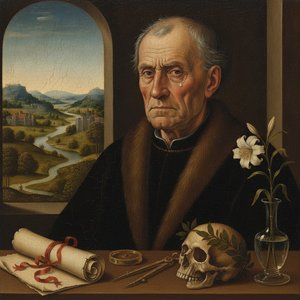
The Northern Renaissance: A Masterclass in Hyper-Realism, Oil Innovation, and Symbolic Depth
Explore the profound mastery of Northern Renaissance art. Discover the technical brilliance of Flemish oil painting, the intricate symbolism of Bosch and Bruegel, and the revolutionary realism that redefined European art history through an expert historical lens.

Odbitki Giclée: Jakość Archiwalna i Estetyczne Niuanse dla Wymagającego Kolekcjonera
Poznaj sekrety druku giclée – technologii zapewniającej najwyższą jakość reprodukcji sztuki i trwałość archiwalaną. Poradnik dla wymagających kolekcjonerów o wyborze papieru, tuszy i profilach kolorystycznych.