

 Podgląd w skali 1:1
 Wyślij jako kartkę
 Udostępnij
 Szczegóły dzieła
 Przewodnik

 Pobierz obraz
 Podobne obiekty
 RTG
RTG Pokaz slajdów
 Q&A
Q&A Statystyki
St Anne Altarpiece (central panel)
 Oil On Panel
- WallArt
- Early Netherlandish Renaissance
 1507
1507 224.0 x 219.0 cm
 Musées Royaux des Beaux-Arts
 Rozwiń treść
Giclée / Wydruk artystyczny
Wydruki giclée lub płótna o jakości muzealnej, szybka realizacja i szeroki wybór opcji wykończenia. ( Zamów ręcznie malowaną reprodukcję Przejdź do wersji cyfrowej)




P118B zł10

P118H zł10

P118W zł10

P438Z zł10

P508JH zł12

P508YH zł12

P805H zł10

P805Z zł10

P919BZ zł10

P919G zł10

P919XJ zł10

P959ZH zł10

P968JZ zł12

W106C zł8

W218G zł10

W218JH zł8

W218Y zł10

W307PJ zł10

W316G zł10

W316PJ zł8

W316Y zł10

W398PJ zł8

W4111J zł10

W500HY zł15

W500JH zł15

W692G zł12

W849H zł8

W940BG zł15

W953PJ zł8




Wybierz spośród naszych standardowych rozmiarów, które zachowują oryginalne proporcje dzieła sztuki.

Wpisz wymaganą szerokość i wysokość, aby dopasować grafikę do ramy lub ściany. Wydruk można jedynie przyciąć, nigdy nie powiększając go poza oryginalny obraz, dlatego format o innych proporcjach spowoduje utratę części kompozycji. Przed rozpoczęciem druku prześlemy Ci cyfrowy podgląd do zatwierdzenia. Obraz wyświetlany na tej stronie nie pokazuje rzeczywistego przycięcia — jedynie podgląd oddaje ten efekt.
Dostawa na cały świat () w ciągu 2 tygodni zamiast standardowych 4/5 tygodni. (31 Październik)

Bezpłatna ekspresowa wysyłka na cały świat

Wysokiej jakości płótno lniane

Pełne ubezpieczenie przesyłki

Gwarancja zwrotu należności celnych i podatków importowych

Gwarancja wiernego odwzorowania kolorów

100-dniowa polityka zwrotów (tylko w przypadku wad)

Gwarancja 100% zwrotu pieniędzy

Zniżka przy zakupie wielu sztuk
 Opcja ze szkłem jest dostępna wyłącznie w rozmiarach poniżej 110 cm

St Anne Altarpiece (central panel)
Giclée / Wydruk artystyczny
Wymiary reprodukcji
-


Cena całkowita
zł 311
The St Anne Altarpiece: A Window into Renaissance Devotion
Quentin Massys’s “St Anne Altarpiece (central panel),” completed in 1509, is more than just a religious painting; it's a meticulously crafted microcosm of late medieval and early Renaissance ideals. Commissioned by the Confraternity of St Anne in Leuven, Belgium, this monumental work offers a profound glimpse into the spiritual life, social dynamics, and artistic innovations of its time. Measuring an impressive 224 x 219 cm, the central panel immediately commands attention with its rich palette, intricate detail, and carefully orchestrated composition – a testament to Massys’s skill as both a painter and a master of visual storytelling.
The scene depicted is centered around St Anne, the Virgin Mary's mother, revered for her piety and role as a model of domestic virtue. She sits serenely within a grand architectural setting, reminiscent of Italianate design – a deliberate nod to the burgeoning influence of Renaissance architecture on Northern European art. Surrounding her are her family: the infant Jesus nestled in her arms, Mary Cleophas (Mary Magdalene) and Mary Salome, both young women adorned in luxurious fabrics and jewels. The inclusion of these figures isn’t merely decorative; it underscores the importance of lineage, faith, and familial devotion within the context of 16th-century piety. The overall atmosphere is one of dignified reverence, a carefully constructed tableau designed to inspire contemplation and foster a sense of connection with the sacred.
A Symphony of Technique: Massys’s Renaissance Vision
Massys's mastery lies not only in his subject matter but also in his innovative technique. He skillfully employed oil paints – a relatively new medium at the time – to achieve unprecedented levels of realism and luminosity. Note the subtle gradations of color, the delicate rendering of fabrics, and the meticulous detail lavished upon each figure’s face and expression. The use of *sfumato*, a technique borrowed from Leonardo da Vinci, creates an atmospheric haze that softens edges and imbues the scene with a sense of depth and realism. The architectural background, painted in trompe-l'oeil fashion, further enhances this illusionistic effect, blurring the boundaries between reality and representation.
Furthermore, Massys demonstrates a keen understanding of perspective – a key element of Renaissance art. The receding planes of the architecture create a convincing sense of space, drawing the viewer’s eye into the scene. The figures are arranged in a pyramidal composition, lending stability and harmony to the overall design. This careful attention to detail reflects Massys's commitment to capturing not just the outward appearance but also the inner essence of his subjects.
Symbolism and Social Commentary
Beyond its religious subject matter, the altarpiece is rich in symbolic meaning. The inclusion of various saints, prophets, and biblical figures – such as David, representing Christ’s lineage – serves to reinforce the narrative of salvation and divine grace. The presence of wealthy patrons like Joost Vijdt and his wife Lysbette, depicted as donors on the wings of the altarpiece, highlights the close relationship between art and patronage during this period. It also subtly reflects the rising prominence of a new merchant class in Antwerp, eager to demonstrate their piety and social standing through artistic commissions.
The depiction of St Anne’s family is particularly noteworthy. The inclusion of her three daughters – Mary Cleophas, Mary Salome, and the young cousin of Jesus – represents the continuity of faith across generations. Each figure embodies different aspects of womanhood—the devout mother, the penitent Magdalene, and the youthful bride—reflecting the multifaceted roles women played in Renaissance society.
A Legacy of Innovation
The “St Anne Altarpiece” stands as a pivotal work in the development of Flemish painting. Massys’s innovative use of oil paint, his mastery of perspective, and his skillful integration of Italianate architectural elements foreshadowed the emergence of the Antwerp School – a vibrant artistic movement that would profoundly influence generations of artists. This altarpiece is not merely a devotional image; it's a window into a complex and dynamic society—a testament to the enduring power of art to reflect, shape, and inspire.
Pytania i odpowiedzi
Jaką paletę barw i jakie emocje łączy ze sobą "St Anne Altarpiece (central panel)"?
Paleta Earthy dzieła „St Anne Altarpiece (central panel)” – Kwintein Matsijs współgra z jego Tranquil wydźwiękiem emocjonalnym. Kolor jest jednym ze sposobów, w jakie praca przekazuje emocje.
Jaki poziom kontrastu prezentuje „St Anne Altarpiece (central panel)” – Kwintein Matsijs?
„St Anne Altarpiece (central panel)” – Kwintein Matsijs prezentuje Statement kontrast między jasnymi a ciemnymi partiami dzieła.
Czy kolory w „St Anne Altarpiece (central panel)” – Kwintein Matsijs są nasycone czy stonowane?
Dzieło „St Anne Altarpiece (central panel)” – Kwintein Matsijs charakteryzuje się Balanced Soft nasyceniem kolorów.
Biografia artysty
Architekt Szkoły Antwerskiej
W tętniącym życiem, rozkwitającym krajobrazie XVI-wiecznych Niderlandów, niewiele nazwisk brzmi z tak fundamentalną doniosłością jak Quentin Massys. Często ogłaszany jako pionier Szkoły Antwerskiej, Massys był malarzem, który połączył przepaść między skrupulatną, duchową pobożnością tradycji wczesnoniderlandzkiej a rodzącym się humanizmem Północnego Renesansu. Urodzony około 1466 roku w Leuven, w Belgii, jego wczesne lata pozostają misterną tkaniną utkaną z legend i historycznych fragmentów. W historii sztuki powszechnie szepcze się, że zanim po raz pierwszy ujął w dłoń delikatny pędzel, przeszedł szkolenie jako kowal—szczegół ten nadaje głęboką, niemal namacalną wagę jego późniejszemu mistrzostwu w oddawaniu tekstury i materii. To doświadczenie w obróbce metalu prawdopodobnie zaszczepiło w nim wyjątkową czcią do świata fizycznego, pozwalając mu z niespotykaną precyzją oddać połysk jedwabiu, zimny blask monety czy spracowaną ludzką skórę.
Gdy około 1490 roku przeniósł się z akademickiej atmosfery Leuven do tętniącego życiem centrum handlowego, jakim był Antwerpia, Massys zaczął wplatać własną, odrębną nitkę w tkaninę sztuki flamandzkiej. Jego wczesna edukacja, potencjalnie pod okiem Dirka Bouts, połączyła go z linią mistrzów takich jak Hans Memling czy Rogier van der Weyden. Od tych poprzedników odziedziczył oddanie verisimilitudine—dążeniu do prawdy w przedstawieniu. Jednak Massys był daleki od bycia zwykłym naśladowcą. Choć zachował niezwykłą szczegółowość charakterystyczną dla swoich przodków, tchnął w swoją twórczość nową, rozkwitającą witalność oraz chęć zgłębiania złożoności ludzkiej kondycji poprzez zarówno religijną powagę, jak i ciętą satyrę społeczną.
Mistrzostwo Pobożności i Satyry
Geniusz Massysa tkwi w jego niezwykłej zdolności do poruszania się między dwoma pozornie odległymi światami: sacrum i profanum. Z jednej strony, jego kompozycje religijne służą jako głębokie medytacje nad wiarą. W dziełach takich jak Chrystus na krzyżu z fundatorami, chwyta on surowy, emocjonalny ciężar ukrzyżowania, wykorzystując wrażliwość dojrzałego renesansu, by przedstawić scenę jednocześnie przejmującą i technicznie nieskazitelną. Jego umiejętność ukazania boskości przez pryzmat ludzkiego cierpienia pozwoliła tematom religijnym rezonować z wizceralną intymnością, czyniąc duchowość niemal namacalną dla widza.
Z drugiej strony, Massys był mistrzem gatunku satyrycznego, używając swojego pędzla niczym lustra, w którym odbijały się zmieniające się normy moralne jego epoki. Posiadał przenikliwe oko do ludzkich słabości, często tworząc sceny łączące realizm z subtelnym, drwiącym dowcipem. Ta dwoistość jest najbardziej widoczna w jego podejściu do portretu i malarstwa rodzajowego, gdzie potrafił płynnie przejść od spokojnego piękna Madonny z Dzieciątkiem do bardziej złożonych, wielowarstwowych moralnie przedstawień współczesnego życia. Jego twórczość często eksplorowała tematy chciwości, próżności oraz napięcia między bogactwem materialnym a czystością duchową, czyniąc go prekursorem wielkich malarzy rodzajowych, którzy nadejdą w kolejnych stuleciach.
Dziedzictwo i Znaczenie Artystyczne
Historycznego znaczenia Quentina Massysa nie można przecenić; był on katalizatorem rewolucji artystycznej w Antwerpii. Wprowadzając nowe motywy i techniki, pozostając jednocześnie zakorzenionym w bogatych tradycjach swojej ojczyzny, dostarczył wzorca dla szkoły malarstwa, która zdominowała Flandrię przez cały XVI wiek. Jego wpływ można prześledzić w ewolucji sztuki północnoeuropejskiej, gdyż utorował on drogę bardziej ekspresywnemu, obserwacyjnemu stylowi, który przyjął na siebie złożoność modernizującego się świata.
Dziś wspominamy Massysa nie tylko jako rzemieślnika, ale jako opowiadacza historii, który uchwycił duszę epoki. Jego dziedzictwo przetrwało w trwałej sile jego obrazowania:
- Innowacja techniczna: Bezszwowe połączenie precyzji inspirowanej obróbką metalu z płynną gracją renesansowego malarstwa olejnego.
- Szkoła Antwerska: Ustanowienie trwałego ruchu artystycznego, który priorytetyzował zarówno realizm, jak i narrację moralną.
- Perspektywa humanistyczna: Unikalna zdolność do łączenia głębokiej świętości ikon religijnych z ostrym, obserwacyjnym dowcipem satyry społecznej.

Kwintein Matsijs
1466 - 1530 , Belgia
Krótka nota
- Artyści, Którzy Wpłynęli Na Niego: ['Dirk Bouts']
- Artyści/Ruchy Inspirowane Nim: ['Hans Memling']
- Data Urodzenia: Leuven, Belgia (ok. 1466)
- Data Śmierci: 1530
- Miejsce Urodzenia: Leuven, Belgia
- Narodowość: Flamandzki
- Pełne Imię: Quentin Massys
- Ruch Artystyczny: Szkoła Antwerska
- Znane Dzieła:
- Ołtarz św. Anny
- Skąpiec i żona
Powiązane artykuły

El Greco: 25 Arcydzieł Genialnego Malarza – Kolekcja dla Koneserów Sztuki i Wystroju Domu
Odkryj 25 arcydzieł El Greco – mistrza renesansu i manieryzmu. Poznaj historie, techniki i duchowość w jego obrazach. Reprodukcje najwyższej jakości na OriginalUniqueArt.com. Inspiracje do wnętrz i kolekcja sztuki online!

Giotto di Bondone: 25 Arcydzieł Sztuki Niezmieniających Historii | OriginalUniqueArt.com
Odkryj 25 arcydzieł Giotta di Bondone – renesansowego mistrza fresków. Poznaj historię, techniki i emocje w jego najsłynniejszych dziełach. Reprodukcje obrazów najwyższej jakości na OriginalUniqueArt.com. Eksploruj pełną kolekcję online!

Fra Angelico: 25 Arcydzieł Sztuki Włoskiego Renesansu | Reprodukcje Obrazów Online
Odkryj 25 arcydzieł Fra Angelico – mistrza renesansu włoskiego! Poznaj historię, techniki i piękno jego fresków oraz obrazów religijnych. Reprodukcje najwyższej jakości na OriginalUniqueArt.com. Eksploruj kolekcję online!

Mastering Detail: A Guide to the Timeless Beauty and Technical Brilliance of Flemish Painting
Explore the exquisite precision of Flemish painting. From Jan van Eyck to Robert Campin, discover the revolutionary oil techniques and rich symbolism that defined the Northern Renaissance and continue to inspire fine art collectors today.
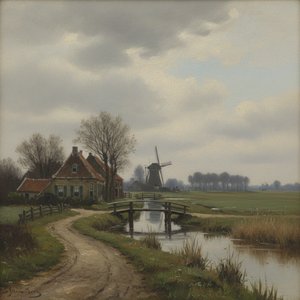
Jacob Henricus Maris: A Master of Dutch Atmospheric Realism & the Intimate Landscape
Explore the captivating world of Jacob Henricus Maris, a leading figure of the Dutch Hague School. Discover his atmospheric landscapes, signature brushstrokes & lasting influence on 19th-century art. Learn more at OriginalUniqueArt.